Set batteries, format the SD, configure settings, mount the camera, then test and tweak.
I know how to set up a Muddy Trail Camera MTC100 inside and out. I’ve used the MTC100 in wet woods and muddy trails, so this guide walks you through each clear step. Read on to learn exactly how to set up a muddy trail camera mtc100 for reliable photos, long battery life, and clean captures even in messy conditions.
Source: com.br
What you need before you start
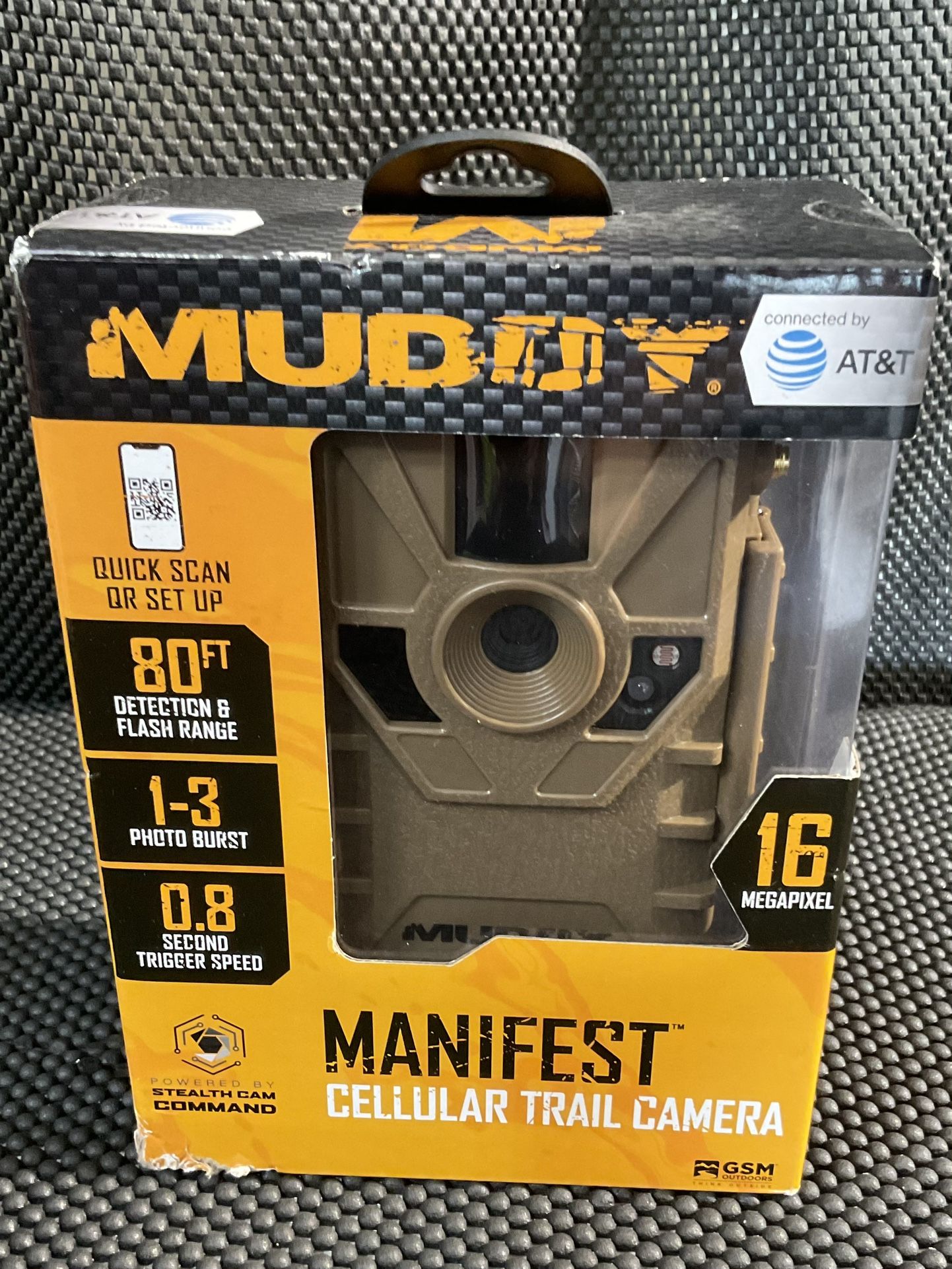
Gather parts and tools. You will need fresh batteries, a compatible SD card, a mounting strap or bracket, and a small screwdriver. Have a phone or laptop ready to view the test images. Knowing what you need makes how to set up a muddy trail camera mtc100 fast and error-free.

Source: youtube.com
Unboxing and basic checks
Open the box and inspect the camera. Check the case for cracks and ensure the lens and sensors are clean. Confirm the manual, mounting strap, and quick-start guide are present. These checks help prevent issues when you learn how to set up a muddy trail camera mtc100.
Source: fisi-on.com
Power and memory setup
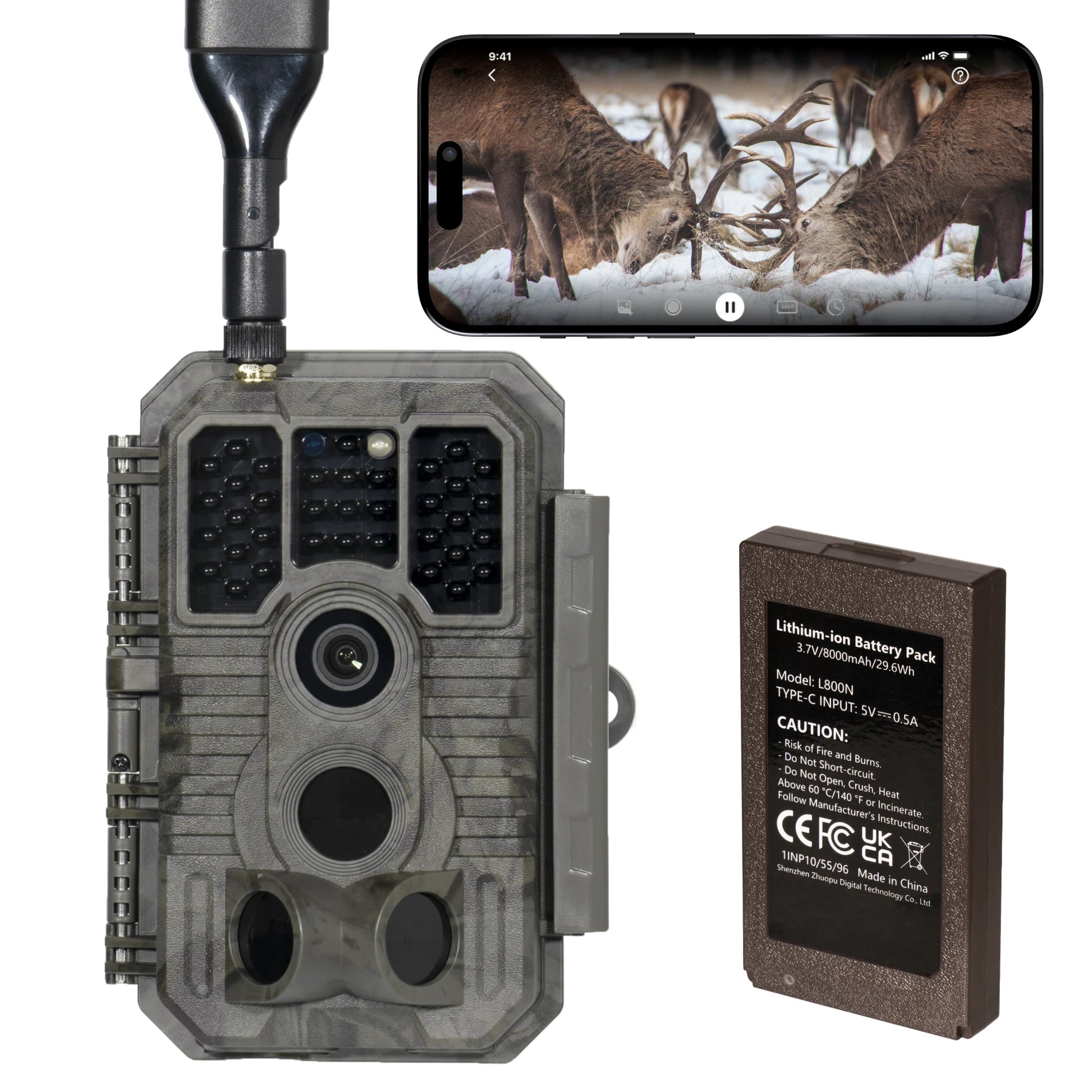
Insert batteries and an SD card. Use high-quality alkaline or lithium batteries; lithium lasts longer in cold or damp conditions. Format the SD card in the camera menu to avoid file errors. Proper power and formatted memory are core steps for how to set up a muddy trail camera mtc100.

Source: youtube.com
Initial camera settings (step-by-step)
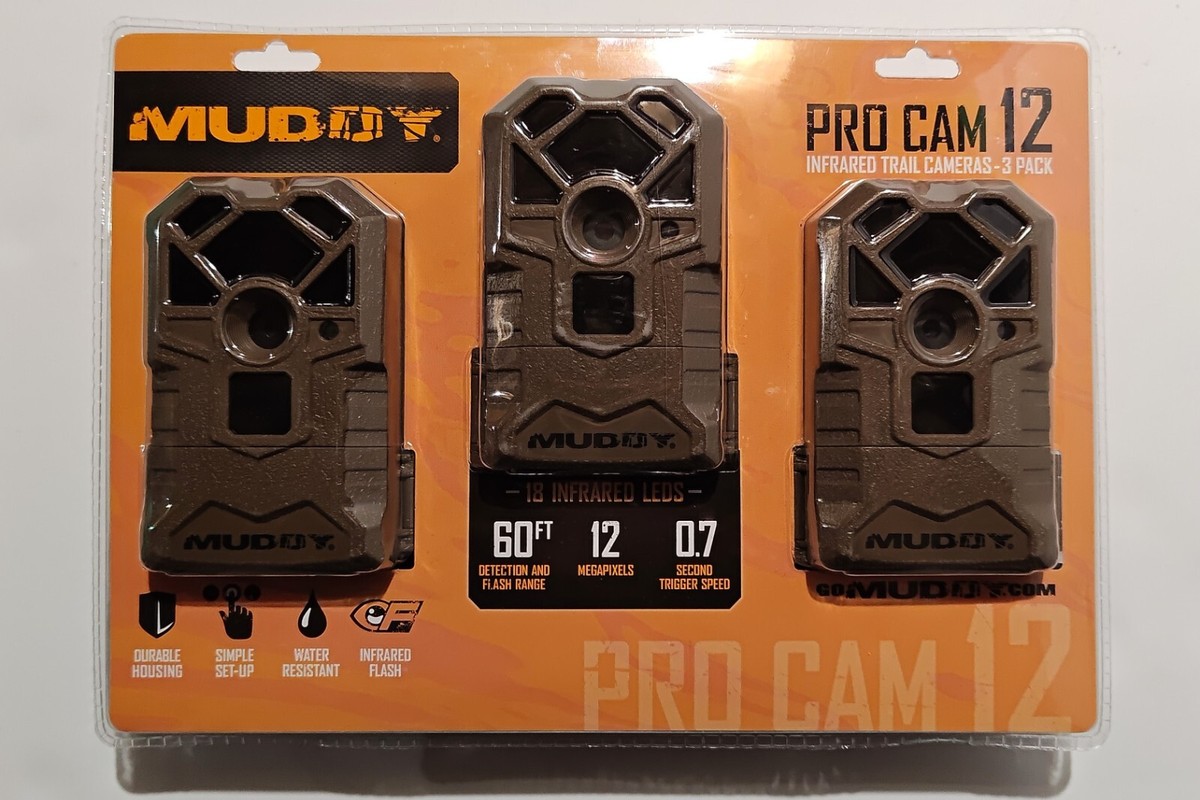
Turn the camera on and enter the menu. Set the date and time first so photos are timestamped correctly. Choose photo, video, or photo+video mode based on your needs. Set image size to medium for a balance of quality and storage. Adjust trigger interval and sensitivity. These settings are key parts of how to set up a muddy trail camera mtc100 for trouble-free use.
Source: opcionesadministrativas.com
Motion sensitivity and detection zone
Set sensitivity to medium or high in muddy or cluttered locations. If the camera triggers on moving branches, lower sensitivity slightly. Use the detection zone setting if available to ignore paths or brush. Proper sensitivity tuning is a practical tip I learned after many false triggers while learning how to set up a muddy trail camera mtc100.

Source: youtube.com
Mounting location and angle
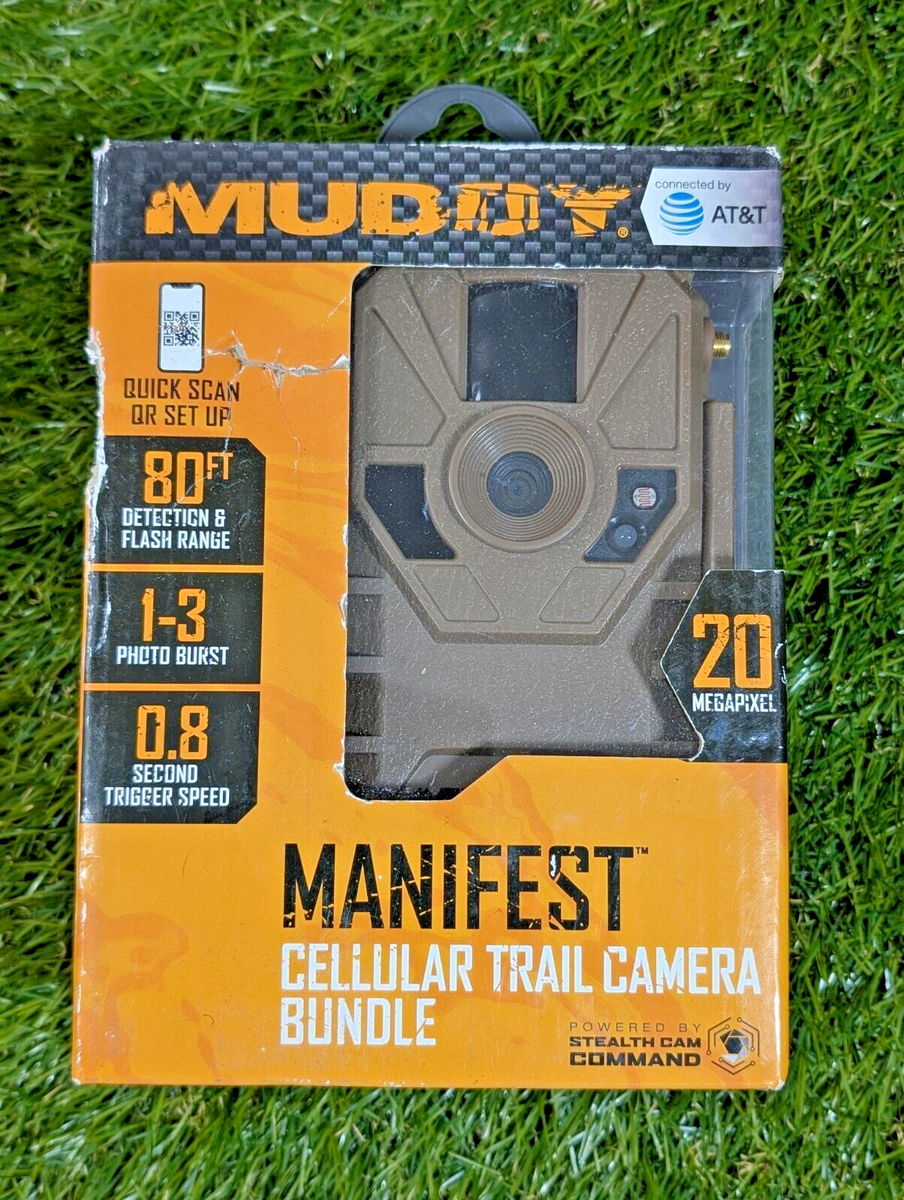
Pick a location 2 to 4 feet above ground for most game. Face the camera perpendicular to the trail for the best passes. Avoid pointing into the sun to cut glare and false triggers. Attach the strap tight to a tree or post. Good mounting choices are essential when you want to know how to set up a muddy trail camera mtc100 and get usable images.
Source: ebay.com
Weatherproofing and mud protection
Use a small clear plastic bag or camera cover if heavy mud or rain is likely. Avoid touching the lens when cleaning; use a soft cloth. Elevate the camera slightly from ground-splash by mounting it a few inches higher or using a slim board behind the camera. These simple protections reduce mud damage and keep your learning of how to set up a muddy trail camera mtc100 effective.
Locking and security
Use a cable lock or padlock through the case’s security hole if theft is a concern. Place the camera higher or camo it with natural material to hide it. Keep the serial number and photo of the camera in a safe place in case you need to report it. Security steps are part of responsible how to set up a muddy trail camera mtc100 practice.

Source: residenzalareggia.it
First test and field adjustments
Trigger a test image before leaving the site. Walk in front of the camera at the expected path distance to confirm framing and detection. Review the test images and tweak angle, sensitivity, or height as needed. Testing in place is the quickest way to verify your how to set up a muddy trail camera mtc100 workflow.
Maintenance and cleaning schedule
Check the camera every 1–4 weeks based on conditions. Wipe the lens and sensors gently. Replace batteries if you see voltage drop or if images get sparse. Log checks in a small notebook or phone app. A maintenance plan helps your knowledge of how to set up a muddy trail camera mtc100 stay useful long term.
Troubleshooting common issues
Camera won’t power on
- Check battery orientation and contacts for corrosion.
- Swap batteries with fresh ones and test again.
False triggers
- Lower sensitivity slightly or change detection zone.
- Trim branches or move the camera to reduce moving foliage.
No images saved
- Ensure the SD card is inserted and formatted in-camera.
- Try a different card if problems persist.
Poor image quality at night
- Clean the lens and check IR flash settings.
- Move the camera closer or adjust angle for better subject fill.
These fixes address the most frequent problems people face when learning how to set up a muddy trail camera mtc100.
Best practices from my field experience
Place the camera where animals naturally travel, near feeding areas or low spots with game tracks. Label each camera with the date and location. Carry spare batteries and a small kit to clean lenses on-site. From my time using the MTC100, small habits matter when you want consistent results and when learning how to set up a muddy trail camera mtc100 well.
Advanced tips for tougher conditions
Use lithium batteries in cold or wet seasons for longer life. Install a small foam rain shield above the lens to deflect mud splashes. Program lower capture intervals for peak activity times. These advanced choices helped me get clean shots and show how to set up a muddy trail camera mtc100 under real-world pressure.
Frequently Asked Questions of how to set up a muddy trail camera mtc100
How many batteries does the MTC100 need?
The MTC100 typically uses 8 AA batteries. Use high-quality alkaline or lithium batteries for longer life, especially in cold or wet weather.
What size SD card should I use?
Use a class 10 SD card of 32 GB or less for best compatibility. Format the SD card in the camera before use to prevent file errors.
How high should I mount the MTC100?
Mount the camera 2 to 4 feet off the ground for most game. Adjust height based on target species and local terrain for better framing.
How often should I check the camera?
Check every 1–4 weeks depending on weather and battery life. More frequent checks help prevent data loss and clean the lens of mud or debris.
Why does my camera trigger too often?
False triggers often come from moving branches, sun glare, or nearby heat sources. Lower sensitivity, adjust the detection zone, or move the camera to a clearer spot.
Can the MTC100 handle heavy mud and rain?
It is weather-resistant but not immune to heavy mud buildup. Use a cover or shield, and clean the lens regularly to maintain performance.
Wrap up the setup and get shooting
You now have a clear plan to how to set up a muddy trail camera mtc100. Follow the steps: prepare supplies, set power and memory, adjust settings, mount smartly, test, and maintain. Practice these steps a few times and they become quick habits that yield sharp photos and fewer problems. Try one setup this week, check results, and share what you see—your next great shot could be just one tweak away.
As an Amazon Associate, I earn from Qualifying Purchases.