Store trail camera batteries cool, dry, and partially charged in labeled, insulated containers.
I’ve worked with trail cameras for years and helped hunters, researchers, and land managers get reliable performance from their gear. This guide explains exactly how to store trail camera batteries so they last longer, stay safe, and are ready when you need them. Read on for clear steps, testing tips, and real-world lessons that make storing batteries easy and reliable.
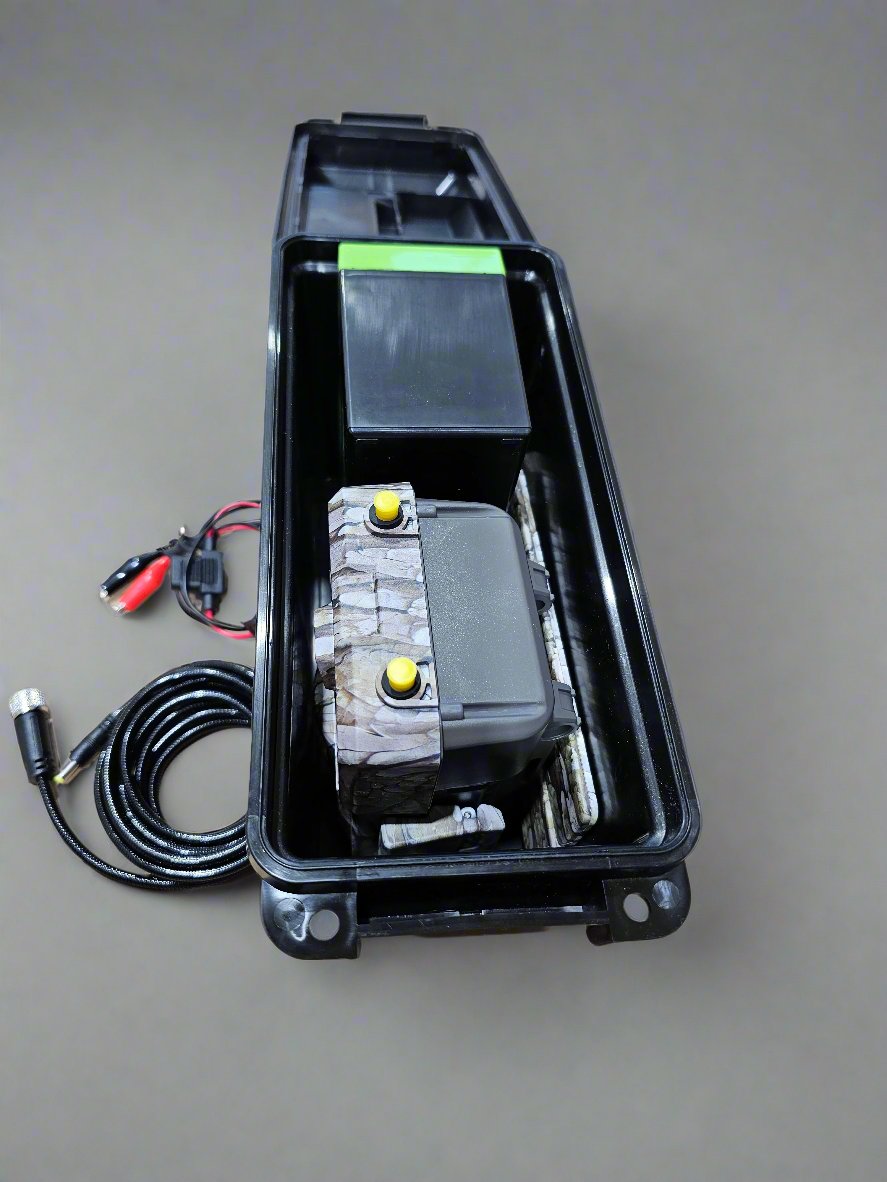
Why proper storage matters for trail camera batteries
Good storage preserves capacity. It prevents leaks, corrosion, and sudden failure. It also keeps your camera ready for long trips into the field. Storing batteries right saves money and frustration. Poor storage can ruin both disposable cells and rechargeable packs.
Key risks with bad storage:
- Capacity loss from heat or deep discharge
- Leakage that can corrode camera contacts
- Reduced runtime and unreliable triggers
- Safety risks for lithium packs if damaged

Types of batteries used in trail cameras
Knowing battery types helps you store them correctly. Each chemistry has different needs. Common options include:
- Alkaline AA cells — cheap and common, but degrade over time and can leak if left discharged
- NiMH rechargeable AA — tolerant to cold and reuse, but store partially charged to reduce stress
- Lithium AA (non-rechargeable) — long shelf life and good cold performance; more stable but still needs care
- Lithium-ion packs — used in some high-end cameras; sensitive to temperature and charge extremes
Matching storage steps to battery chemistry is key when you learn how to store trail camera batteries.

Basic step-by-step storage best practices
Follow this checklist to store trail camera batteries the right way:
- Remove batteries from cameras for long storage to prevent drain and corrosion
- Clean battery contacts with a dry cloth before storage
- Label containers with battery type and date of last charge or purchase
- Store in a cool, dry place away from direct sunlight and metal objects
- For rechargeable cells, store at about 40–60% charge; for lithium non-rechargeable, store at full or recommended state
These steps form the core of how to store trail camera batteries properly.

Optimal storage environment: temperature and humidity
Temperature and humidity matter more than most people expect. Batteries hate heat. Humidity speeds corrosion.
Recommended conditions:
- Temperature range: 40°F to 68°F (4°C to 20°C) for most types
- Avoid freezing temperatures for NiMH and lithium-ion packs
- Keep humidity below 60 percent to reduce corrosion risk
- Use airtight containers with desiccant packs for very humid locations
A stable, moderate closet or a cool basement shelf usually works well for how to store trail camera batteries.

How to store each battery type safely
Different cells need different care. Follow these tips.
Alkaline AA
- Remove from camera if not in use for months
- Store at room temperature in original packaging or insulated container
- Check periodically for leaks
NiMH rechargeable AA
- Store at about 40–60 percent charge
- If storing long term, check and recharge every 3–6 months
- Keep in a cool, dry spot and away from freezing temps
Lithium AA (non-rechargeable)
- Store at cool room temp; partial charge not needed since non-rechargeables self-discharge slowly
- Keep in original packaging or sealed container to avoid shorting
- Use within manufacturer shelf-life for best performance
Lithium-ion packs
- Store at about 40–60 percent charge
- Avoid full charge for long-term storage
- Use a fireproof container if storing many packs and keep away from heat sources
These targeted steps explain how to store trail camera batteries by type.
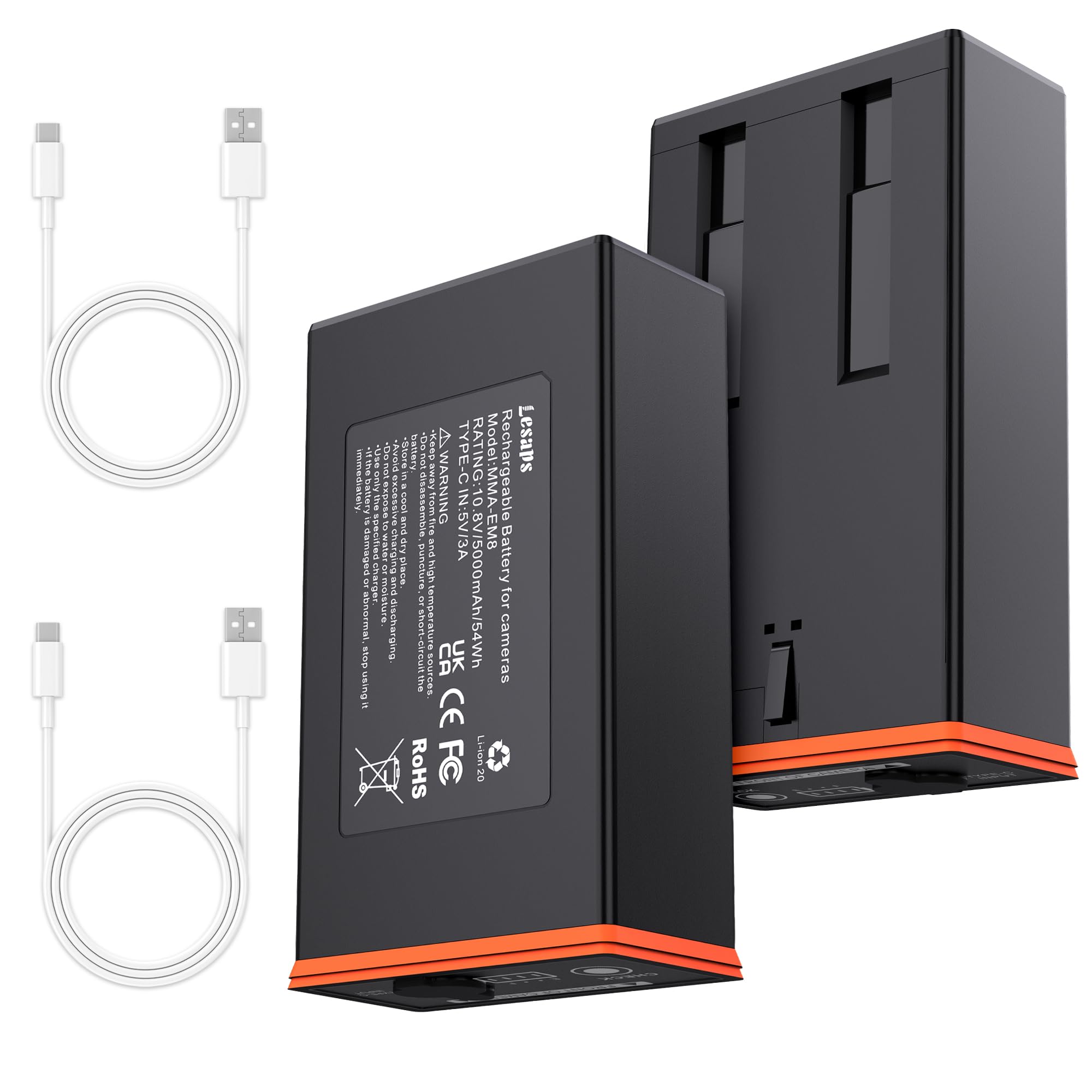
Charging, cycling, and maintenance tips
Good maintenance extends lifespan and ensures readiness.
- Charge rechargeable packs before a trip and top off if stored more than 3 months
- Avoid letting NiMH or Li-ion packs sit fully discharged for long periods
- Cycle rechargeable batteries sparingly — frequent full cycles are not needed for modern NiMH cells
- Use a quality charger with delta-V detection for NiMH and proper CC/CV charging for lithium-ion
A routine of checking and topping up batteries keeps cameras working in the field.

Common mistakes and how to avoid them
Avoid these pitfalls I’ve seen in the field:
- Leaving batteries in cameras between seasons — causes drain and corrosion
- Storing all cells fully charged or fully empty — extremes shorten life
- Mixing old and new cells in a camera — reduces runtime and stresses cells
- Storing batteries loose in a box with metal objects — risk of shorting and damage
Fixes are simple. Remove, label, and store batteries by type and date.

Personal experience: lessons I learned storing batteries
I once left NiMH cells in a camera all winter. They leaked and ruined the battery tray. Since then I always remove cells for long breaks. I also switched to labeling packs with purchase or charge dates. That small habit saved me from dead batteries during a remote survey. Test sets at home before trips. Keep a small test meter and a spare, properly stored set in your kit.
These real-world steps show practical ways to apply how to store trail camera batteries advice.

People also ask (quick answers)
How long can I store trail camera batteries before they go bad?
Alkaline cells last a few years if stored cool and dry. Rechargeable NiMH and Li-ion last well for a year or more if stored properly and checked periodically.
Should I remove batteries from my trail camera between uses?
Yes. Removing batteries prevents slow drain and corrosion. It also avoids surprises when you redeploy the camera.
Is it OK to mix old and new batteries in a camera?
No. Mixing ages or chemistries stresses both the old and new cells and reduces runtime. Use matched sets for best performance.
Frequently Asked Questions of how to store trail camera batteries
What charge level should I store rechargeable trail camera batteries at?
Store rechargeable batteries at about 40–60 percent charge to reduce stress and capacity loss during long storage.
Can I store lithium AA and NiMH batteries together?
Avoid mixing different chemistries in the same container. Store similar types together and separate lithium from NiMH to reduce confusion and safety risk.
How often should I test stored batteries?
Test stored rechargeable batteries every 3–6 months and top up to the recommended storage state if they drop below 40 percent.
Are desiccant packs helpful for battery storage?
Yes. Desiccant packs reduce humidity and help prevent corrosion, especially in damp climates.
What’s the safest way to transport spare batteries in the field?
Use plastic cases that prevent contact between terminals. Label packs and keep them in a cool portion of your pack away from metal tools.
Conclusion
Storing trail camera batteries the right way saves money, prevents damage, and keeps your gear ready. Remove batteries for long storage, keep them cool and dry, label them, and follow chemistry-specific rules. Start small: make a labeled storage system and test your batteries every few months. Try these steps on your next gear check and notice fewer dead batteries and fewer surprises in the field. Leave a comment with your battery storage tips or subscribe for more gear advice.
As an Amazon Associate, I earn from Qualifying Purchases.