Look for small boxes on trees, reflective lenses, straps, wires, or odd hardware around trails.
I’ve spent years patrolling woods and fields to locate hidden devices, so I know what works. This guide shows clear steps, tools, and legal tips for how to find trail cameras on your property. I’ll share hands-on methods I use, common mistakes to avoid, and simple tech tricks. Read on to learn practical, repeatable ways to find trail cameras on your property and protect your privacy or wildlife.

Source: browningtrailcameras.com
Why you might want to find trail cameras on your property
People put trail cameras for many reasons. Some monitor wildlife. Others protect property or monitor livestock. Sometimes cameras are placed without permission. Knowing how to find trail cameras on your property helps you secure your land and respect privacy. I’ll explain signs, tech options, and legal steps you can take.

Source: trailcamrookies.com
Quick visual sweep and physical search steps
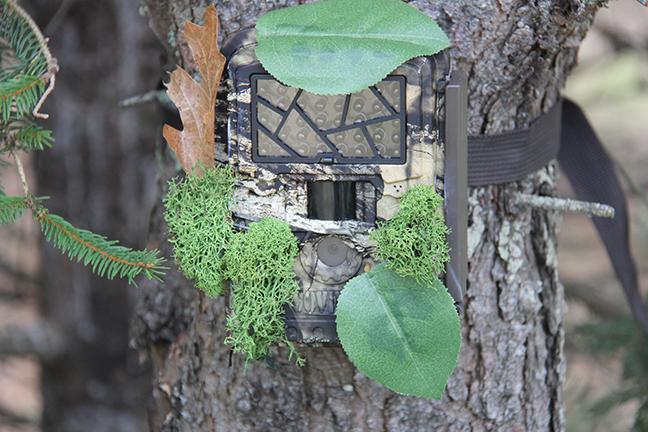
Start with a calm, methodical walk. Scan eye level and below first, then look up. Trail cameras are often mounted on trees, posts, fence lines, and game trails.
- Check common mounting heights of 2 to 5 feet for wildlife angles.
- Inspect tree straps, brackets, and unusual fasteners closely.
- Look for plastic boxes, LED arrays, or small lenses catching light.
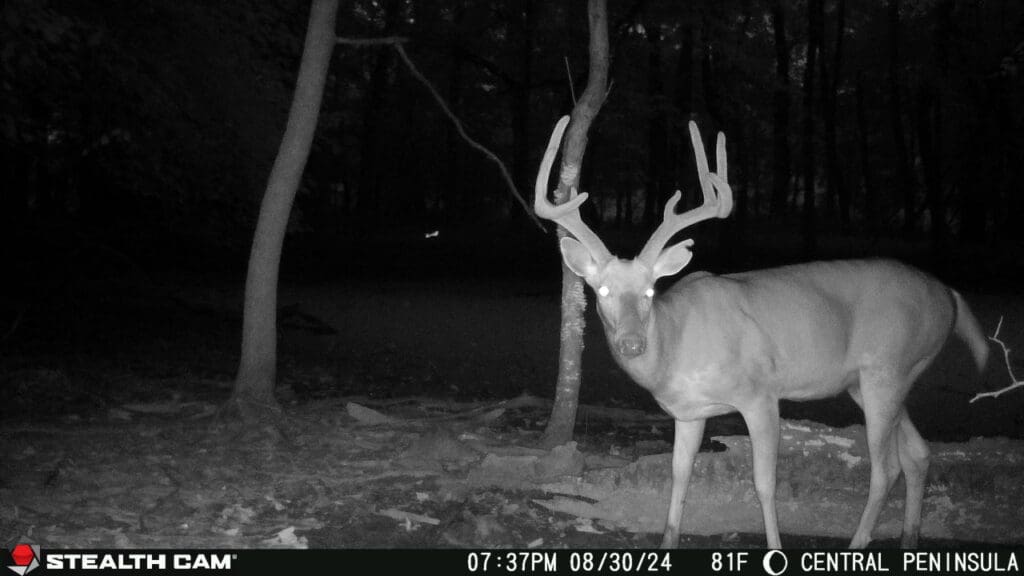
Use a flashlight at dusk or dawn. The light will reflect off camera lenses and IR LEDs. Move slowly and examine areas where paths narrow or where people could hide a camera. I once found a camera behind a clump of ivy because I paused and checked a shadowed root ball. That pause matters.

Source: co.uk
Use tech tools and detection methods
Technology speeds the search. Several affordable tools help you find hidden trail cameras on your property.
- Flashlight and polarized sunglasses — reduce glare and help spot lenses.
- RF detector — scans for radio frequencies from wireless cameras and transmitters.
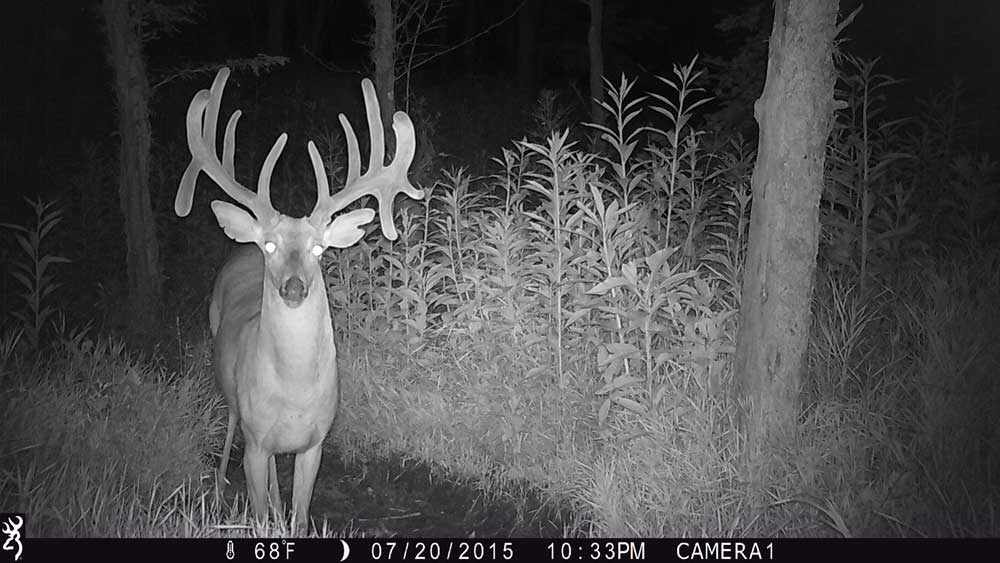
- Infrared (IR) viewer or phone camera — some phone cameras pick up IR LED glow when you slowly pan at night.
- Thermal camera or gun — reveals warm electronics when active.
- Binoculars or a scope — scan higher branches or rooflines from a distance.
When using an RF detector, sweep slowly near trails and likely mounting points. Keep in mind some trail cameras are passive and do not emit RF. I learned that an RF sweep missed a fully enclosed, non-transmitting camera hidden in a bird house. Combine methods to improve detection. Remember, how to find trail cameras on your property often needs both physical and tech checks.
Source: northamericanwhitetail.com
Signs and clues that indicate a camera is present
Not every camera is obvious. Look for subtle clues in the environment.
- Disturbed bark, fresh screws, or new straps around a tree.
- Small holes or hardware on posts and signs.
- Repeated clearings or flattened ground where devices are checked.
- New nails, wire ties, or zip ties on fences and gates.
- Unexpected power sources, like solar panels or battery boxes.
Track changes over weeks. I map camera clues on paper and compare photos to spot anything new. This makes it easier to see patterns and focus searches. Learning how to find trail cameras on your property becomes simpler when you record what is normal and what is not.
Source: stealthcam.com
Legal and safety considerations when you find a camera
Before you touch anything, know your rights. Laws vary by state and country. Generally, you can remove cameras on your property if they invade privacy or are placed without permission. If a camera points into a private space like a home, it may be illegal.
- Document what you find with photos and timestamps.
- Avoid tampering with evidence if you plan to involve law enforcement.
- If you feel unsafe, contact authorities rather than confronting someone.
- For mounted cameras that may belong to neighbors, try polite communication first.
I once photographed an illegally placed camera and sent the photos to local wildlife officers. They advised steps that protected my case. Be respectful and safe as you learn how to find trail cameras on your property.
Source: onxmaps.com
How to prevent and remove unauthorized cameras
Prevention is often the best approach. Secure your boundaries and make hiding spots less attractive.
- Post visible signs that trespassing and hidden surveillance are prohibited.
- Keep fences in good repair and remove brush near boundaries.
- Use motion-activated lights in key areas to deter secret mounting.
- Install your own visible cameras to discourage covert devices.
If you find a camera, decide whether to remove it or report it. If you remove it, handle it carefully. Wear gloves and keep photos and notes. If you plan to return a camera to someone, document the chain of events. Knowing how to find trail cameras on your property also includes knowing how to handle them afterward.
Source: trailcampro.com
Practical checklist: step-by-step search plan
Follow this plan on your next sweep.
- Walk perimeter slowly in daylight. Note unusual hardware and take photos.
- Repeat at dusk with flashlight and phone camera to catch IR glints.
- Use RF detector or thermal tool on suspicious spots.
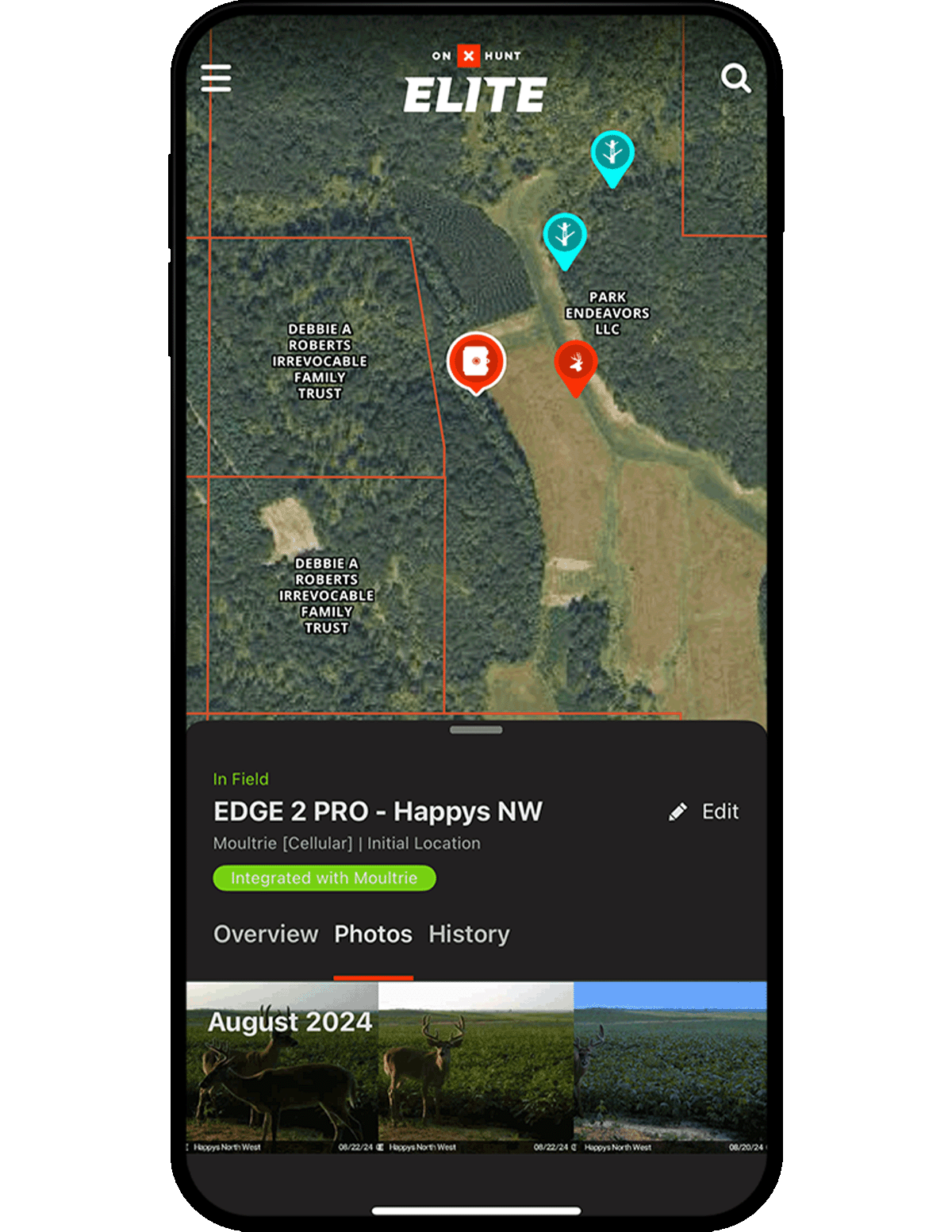
- Record GPS points or mark locations on a map.
- Photograph and document any cameras before touching.
- Decide removal or reporting steps based on legal guidance.
This checklist is what I use on every patrol. It keeps searches consistent and helps me track changes over time. Mastering how to find trail cameras on your property means repeating a small set of steps until they become routine.

Source: youtube.com
Personal lessons, mistakes to avoid, and tips
I’ve made mistakes and learned fast. Here are the key lessons.
- Don’t rush — quick scans miss subtle devices.
- Use multiple detection methods — visual only is not enough.
- Keep records — photos and dates matter if you need to report.
- Communicate before escalating — a neighbor might have forgotten to ask.
- Respect wildlife and legal limits when handling cameras.
One time I removed a camera that turned out to be legal research equipment. It taught me to document and ask before destroying property. Use empathy and careful judgment when learning how to find trail cameras on your property.
Frequently Asked Questions of how to find trail cameras on your property
Can a phone camera detect trail cameras at night?
Yes. Many smartphone cameras can see infrared LEDs as a faint glow. Slowly pan with your phone camera while you walk at night to spot hidden IR lights.
Will an RF detector find all trail cameras?
No. RF detectors only catch transmitting cameras. Battery-only or camera-only models may not emit signals, so combine RF sweeps with visual checks.
Is it legal to remove a camera I find on my land?
Usually yes if it is on your property and invades your privacy, but laws vary. Document the device and consult local rules if unsure.
How far can trail cameras be hidden from a trail or property line?
Cameras can be placed a few feet to several hundred feet away. Check likely angles, choke points, and elevated spots like tree branches or roof eaves.
What should I do if I find a camera pointing at a private area?
Document it with photos and timestamps. Do not tamper with it if you plan to report it. Contact local authorities or legal counsel for guidance.
How often should I check my property for hidden cameras?
Check seasonally at minimum, and after reports of trespass or theft. Regular checks during sensitve seasons help you remain secure.
Conclusion
Finding trail cameras on your property is a mix of observation, simple tools, and clear process. Start with a calm sweep, use tech backups, and keep records of what you find. Apply the checklist and prevention tips to protect your privacy and land. Take action today: walk your property, try the flashlight and phone trick, and make a plan to secure any vulnerable spots. Share your experience or questions below to learn more from others.
As an Amazon Associate, I earn from Qualifying Purchases.