
Trail camera batteries usually last from a few weeks to over a year, depending on type and use.
I’ve spent years testing and using trail cameras in cold winters and hot summers. I’ll walk you through exactly how long a trail camera battery lasts, what shortens life, and practical steps to get the most from your setup. You’ll learn real numbers, simple checks, and proven tricks to stretch battery life in the field.

Typical battery life by battery type and usage
Different battery chemistries and camera settings create big differences in how long a trail camera battery lasts. Expect wide ranges. A general guide:
- Standard alkaline AA batteries
- Light use: 1 to 3 months.
- Heavy use: a few weeks.
- Lithium AA batteries
- Light use: 6 months to 1 year.
- Heavy use: 3 to 6 months.
- Rechargeable NiMH AA batteries
- Light use: 1 to 6 months depending on capacity.
- Heavy use: a few weeks to 2 months.
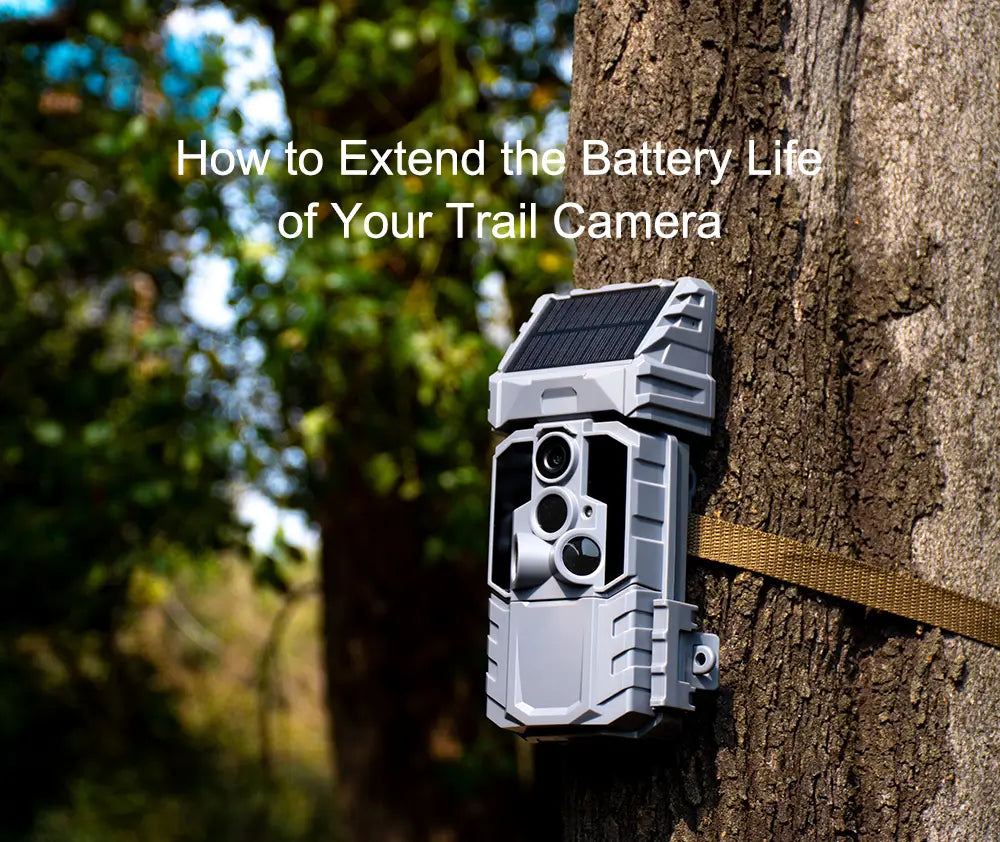
- External 12V or deep-cycle battery with solar
- Can run months to years with the right solar panel and regulator.
How long a trail camera battery lasts depends mostly on trigger rate, photo vs video mode, temperature, and whether infrared flash is used. These factors often matter more than the battery brand.
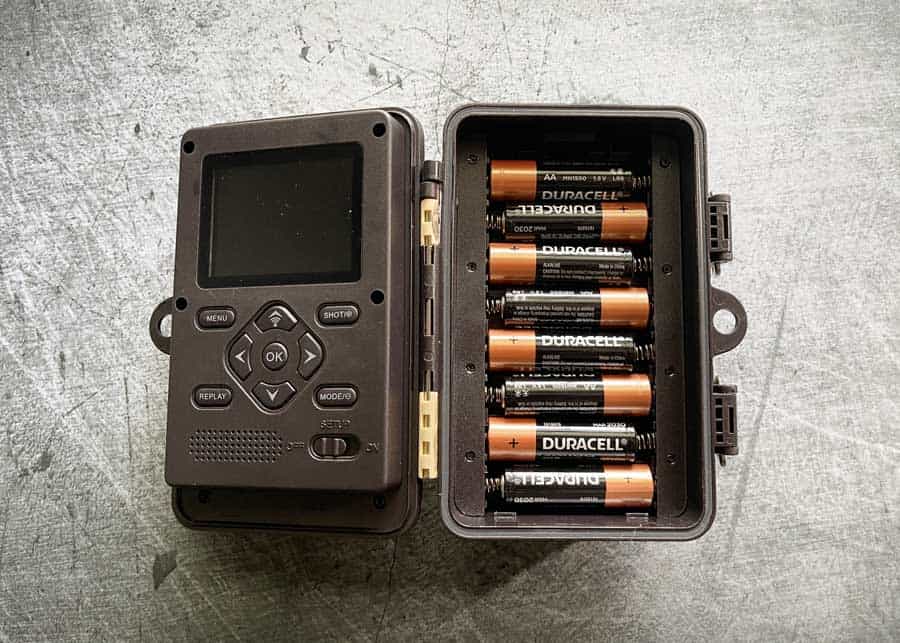
What affects how long a trail camera battery lasts
Understanding the causes helps you plan and avoid surprises.
- Trigger frequency
- Cameras that fire every time animals pass will drain batteries fast.
- Photo vs video and length of clips
- Video uses far more power than photos. Longer clips mean shorter battery life.
- Flash type
- No-glow infrared and white flash use different power. Flash strength and frequency matter.
- Temperature
- Cold reduces usable battery capacity. Batteries can lose 20–50 percent capacity in freezing weather.
- Standby and polling
- Some cameras wake often to check sensors or network, adding drain.
- Screen use and settings
- Frequent menu checks or live view consumes power.
- Battery quality and age
- Old or low-capacity cells die faster and can leak.
If you ask “how long does a trail camera battery last” remember it’s a moving target. My experience shows a camera set to high sensitivity and video will cut battery life dramatically.

How to maximize battery life in real use
Small changes give big wins. Try these practical steps.
- Choose the right battery
- Use lithium AAs for long life. Use high-quality NiMH for rechargeables.
- Adjust settings
- Reduce photo burst count. Lower resolution when possible. Use still photos instead of video.
- Set sensible trigger windows
- Use active hours to record only when you expect activity.
- Lower sensor sensitivity slightly
- Reducing false triggers saves many batteries.
- Turn off unneeded features
- Disable wireless, GPS, or text alerts if not needed.
- Use external power when practical
- Add a solar panel or external 12V battery pack for long-term monitoring.
- Maintain firmware and placement
– Firmware updates can fix power bugs. Place cameras where sun or wind won’t cause false triggers.
In my testing, switching from alkaline to lithium extended runtime by 2–4x on many units. Simple setting changes often doubled battery life.
Real-world examples and testing notes
Concrete examples help you plan deployments.
- Trail cam A, set to photo, low burst, lithium AAs
- Result: 9 months in mild climate with ~10 triggers/day.
- Trail cam B, set to video, high sensitivity, alkaline AAs
- Result: 3 weeks with 20 clips/day.
- Cold-weather test
- Cameras with alkaline cells dropped to 40 percent capacity at 10°F. Lithium performed much better.
I’ve left a camera on a game trail for four months using lithium batteries and conservative settings. That setup captured hundreds of photos and still had reserve power when I checked. The lesson: match battery choice to your recording strategy.
Choosing the right battery and power options
Pick based on deployment length, environment, and budget.
- For short hunts or frequent checks
- Alkaline is cheap but replace often.
- For long-term, low-maintenance use
- Lithium AA batteries are best for shelf life and cold performance.
- For heavy use and eco-friendliness
- High-capacity NiMH rechargeables with a field charger work well.
- For permanent or multi-month stations
- External 12V deep-cycle battery with solar panel and MPPT regulator is ideal.
Also consider battery holders and wiring. A solid, weatherproof enclosure prevents corrosion and power loss.

Maintenance, monitoring, and simple checks
Routine checks prevent surprises.
- Check voltage with a meter before deployment.
- Inspect battery contacts for corrosion.
- Remove batteries during long storage to avoid leaks.
- Log battery changes and capture counts to estimate future life.
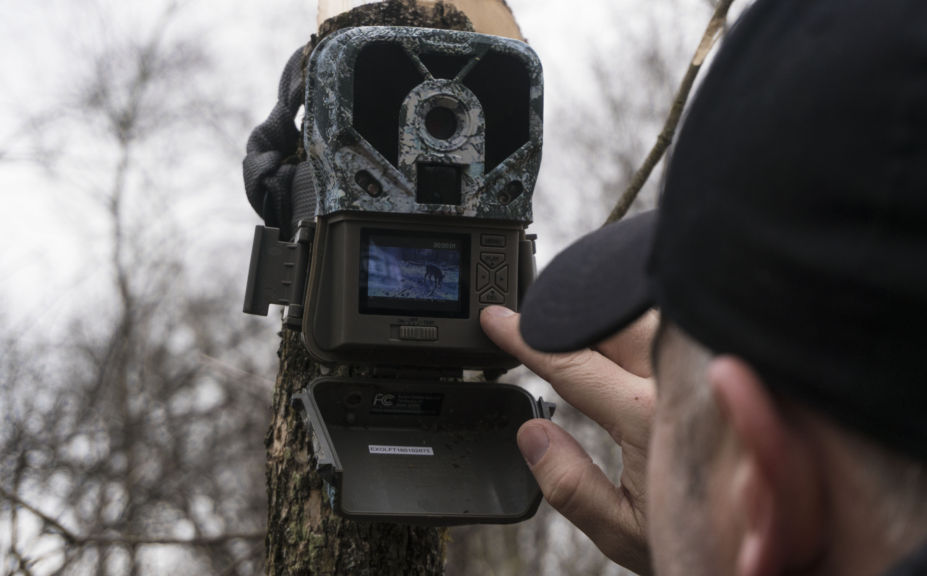
- Use a camera with battery status reporting if possible.
I recommend a quick monthly log. It helped me spot a sensor issue that caused constant waking and drained batteries early. Fixing that extended run time significantly.

Common mistakes that shorten battery life
Avoid these pitfalls.
- Leaving wireless or GPS on by default.
- Using video for every trigger.
- Relying on cheap alkalines in cold weather.
- Ignoring firmware updates that fix power bugs.
- Mounting cameras where moving foliage causes false triggers.
Overlooking these simple items costs time and money in the field. Fixing them is straightforward and pays back quickly.

PAA-style questions
What is the average runtime for trail camera batteries?
- Average runtime ranges widely. With lithium batteries and conservative settings you can expect several months. With alkaline and heavy video use expect weeks.
Do cold temperatures affect how long a trail camera battery lasts?
- Yes. Cold can reduce battery capacity by 20–50 percent for many chemistries. Lithium performs best in cold of common options.
Can rechargeable batteries be better than lithium for trail cameras?
- High-quality NiMH rechargeables can be cost-effective and eco-friendly. Lithium typically lasts longer per cell and fares better in cold.
How much power does video use compared to still photos?
- Video consumes far more power. A few minutes of video can equal dozens of still photos in energy use.
Is solar power reliable for long-term trail cameras?
- Solar works well when panels are sized correctly and sunlight is adequate. Use a regulator and battery suited to your climate.

Source: gardepro.com

Frequently Asked Questions of How long does a trail camera battery last
How many images can I expect from a set of AA batteries?
A lot depends on settings and wildlife activity. With conservative settings and lithium AAs you might get several thousand images over months. Heavy use will cut that number quickly.
Will leaving Wi-Fi or cellular on drain batteries fast?
Yes. Wireless features increase standby and transmission power draw. Turn them off when not needed or use external power.
How does burst mode affect battery life?
Burst mode shoots multiple images per trigger. That uses more power per trigger and significantly shortens battery life when animals trigger often.
Should I remove batteries between seasons?
Yes. Removing batteries prevents leaks and self-discharge. It preserves battery life and protects the camera.
Is it worth using a solar panel for a remote camera?
For multi-month or permanent setups, yes. A properly matched solar panel and battery can keep a camera running indefinitely in many locations.
Conclusion
Knowing how long a trail camera battery lasts comes down to three things: battery type, camera settings, and environment. Small changes — better batteries, smarter trigger settings, and routine checks — will dramatically increase runtime. Start by choosing the right battery for your climate and use case, then log performance and tweak settings. Try one change at a time and track results to build a reliable plan. If you found these tips useful, subscribe for more field-tested advice, or leave a comment about your setup and battery experiences.
As an Amazon Associate, I earn from Qualifying Purchases.