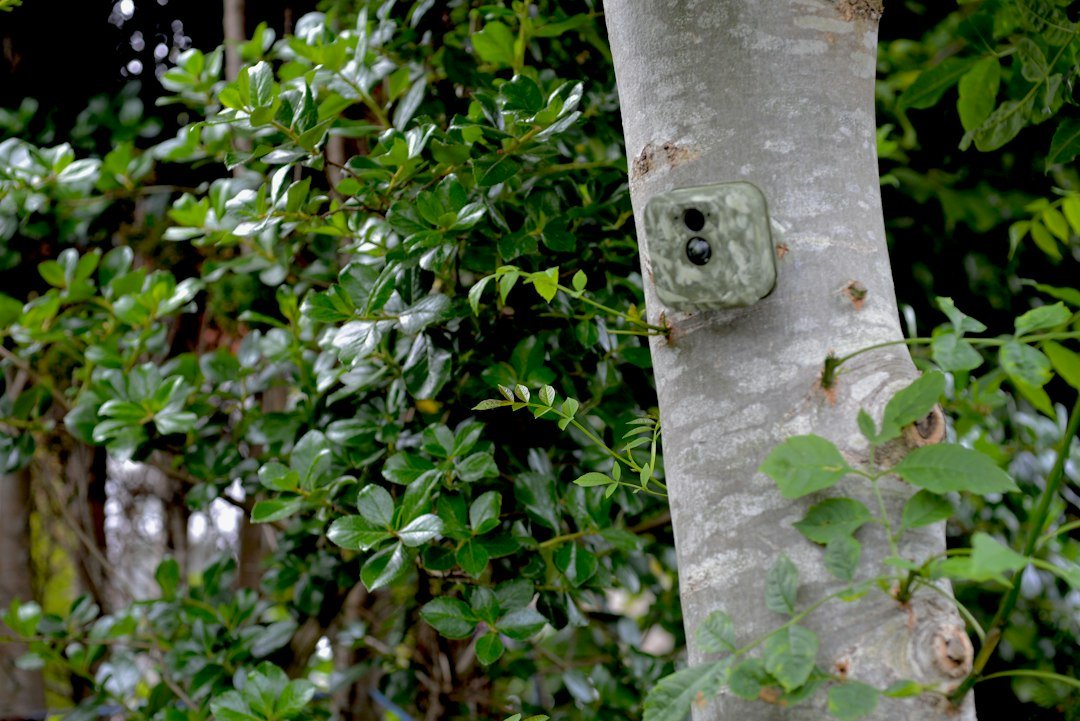
How does a trail camera work at night? Most trail cameras use a passive infrared (PIR) motion sensor to detect an animal, then infrared LEDs illuminate the scene while the camera captures a black-and-white photo or video. This allows monitoring in darkness without a bright visible flash.
Quick Answer: How Does a Trail Camera Work at Night?
At night, most trail cameras detect moving animals with a passive infrared (PIR) sensor and then illuminate the scene with infrared LEDs while taking a photo or recording a video. The camera’s image sensor is sensitive to the reflected infrared light, allowing it to produce a useful image even when the scene looks dark to human eyes. Most infrared night photographs are black and white rather than full color. The process is automatic on cameras with a day/night switching system, but detection range, infrared flash range, image quality, and battery performance depend on the specific model. A trail camera is not necessarily recording continuously: most wait for a motion trigger.
What Happens When an Animal Walks Past at Night?
Imagine a deer crossing a forest trail after sunset. The camera remains in its low-power monitoring state until its PIR sensor detects a change in infrared energy within its coverage area. The electronics wake the image sensor and initiate the configured capture. If the scene is too dark for ordinary photography, the camera uses its night imaging mode and infrared illumination. The resulting photograph is written to an SD card and, on a compatible cellular model with active service, may also be transmitted to an app. After the event, the camera returns to monitoring or waits through a configured delay. The exact timing and number of photographs vary by model.
How the PIR Motion Sensor Works
PIR stands for passive infrared. Unlike an active infrared beam, a PIR sensor does not need to shine a light at the animal to detect it. Instead, it responds to changes in infrared radiation from objects moving across its detection zones. An animal with a temperature different from the background may trigger the sensor, but detection depends on movement, distance, ambient conditions, and sensor design. A camera may miss an animal walking directly toward it or at the edge of the zone. PIR sensitivity can also change with hot weather and moving vegetation. Read our trail camera trigger guide for a deeper explanation.
Why Trail Cameras Use Infrared LEDs
An ordinary camera needs enough light reaching its sensor to form an image. At night, a trail camera can create its own illumination using infrared LEDs near the lens. These LEDs emit light beyond most of the visible spectrum, which the camera sensor can detect. When a trigger occurs, the LEDs briefly illuminate the scene while the camera records. The system is sometimes described as infrared flash or night vision. It does not require a bright white photographic flash, though some older or specialized trail cameras do use visible flash. Infrared illumination has a limited useful range, so animals far from the camera may appear dark even if motion detection works.
Low-Glow vs No-Glow Infrared Flash
Low-glow trail cameras commonly use infrared LEDs around 850 nanometers, which can produce a faint visible red glow when activated. No-glow models often use LEDs around 940 nanometers, making the flash less noticeable to human observers. These are common design categories rather than universal specifications for every product. No-glow illumination can have trade-offs in range or exposure depending on the sensor and LED power. Neither option guarantees that wildlife will never notice the camera, and a faint glow is not the only source of disturbance. Compare actual nighttime photographs and the manufacturer’s specifications rather than relying on the marketing label alone.
Why Nighttime Trail Camera Photos Are Black and White
Many trail cameras use a day/night imaging system that removes or changes the infrared-cut filter when light levels drop. During the day, the filter helps the sensor capture more natural-looking color images by blocking infrared light. At night, the camera allows more infrared light to reach the sensor. Because infrared illumination does not carry ordinary visible color information, the resulting image is generally rendered in grayscale. A black-and-white night photo is therefore normal and not necessarily a fault. Some cameras use visible white flash to capture color at night, but that is a different technology and may be more noticeable to animals and people.
How a Trail Camera Switches From Day to Night
Automatic day/night switching usually relies on a light sensor, exposure measurement, or related electronics that assess available illumination. As the scene becomes dark, the camera changes its imaging configuration and enables infrared illumination when needed. Some designs use a movable infrared-cut filter, while others use different optical arrangements. A stuck filter or incorrect night mode can contribute to dark or unusual images. The switching threshold differs between models, so a camera may use black-and-white mode in a heavily shaded forest before sunset. Check test images at dusk and after full darkness to understand how your particular device behaves.
How Far Can a Trail Camera See in the Dark?
There is no single nighttime range that applies to every trail camera. Manufacturers may advertise detection range and infrared flash range separately, and neither number guarantees recognizable detail at the maximum distance. A deer might trigger the PIR sensor at a distance where the LEDs cannot illuminate it clearly. Trees, fog, rain, and reflective vegetation can further reduce useful image quality. Place the camera close enough to the expected trail that the subject fills a meaningful portion of the frame. Perform a nighttime walk test at several distances to verify actual performance. See our trail camera distance guide.
Does a Trail Camera Need Moonlight?
An infrared trail camera with working infrared LEDs does not require moonlight to illuminate a nearby subject. Its LEDs supply the light used for the nighttime photograph. Moonlight or other ambient light may improve the scene in some circumstances, but the camera’s infrared system is designed for dark conditions. The effective range still depends on the illumination power, sensor sensitivity, and subject distance. A camera with no infrared flash or a failed flash system may struggle in complete darkness. Test in the conditions you expect rather than assuming that every camera works equally well on a moonless night.
Can Animals See Trail Camera Infrared Light?
Infrared illumination is less conspicuous than a white flash, but how animals respond depends on species, wavelength, the camera’s visible indicators, and environmental context. Low-glow units may show a faint red LED glow, and the sound or movement of a camera can also attract attention. It is not accurate to promise that every animal is unable to notice every infrared trail camera. If disturbance is a concern, consider a no-glow model, disable unnecessary status lights when supported, and mount the camera carefully. Review your own images for changes in animal behavior. Our deer and camera flash guide discusses the question.
How Nighttime Video Recording Works
On models that support night video, the camera typically keeps its infrared LEDs active during the recorded clip. This uses more power than taking a single photograph and can produce larger files. Clip length, frame rate, sound recording, and infrared performance vary widely. Longer videos may be valuable for observing behavior, but they can reduce battery life and fill the SD card more quickly. Some cellular cameras transmit a preview rather than the full original clip, depending on the plan. Test a short night video before selecting the longest setting. Check the manufacturer’s documentation to confirm whether your camera supports audio or video transmission.
What Is the Difference Between Detection Range and Flash Range?
Detection range refers to the area in which the motion sensor can trigger the camera. Flash range describes how far the illumination can light a subject sufficiently for a photograph. The camera lens and sensor introduce another limitation: a distant animal may be illuminated but too small to identify. These ranges are related but not interchangeable. A product advertised with a long detection range does not necessarily capture detailed nighttime images at that distance. Choose a camera based on independent night samples and practical placement. A controlled test with a person walking at measured distances is a useful way to evaluate the entire system.
Best Placement for Clear Night Photos
Mount the camera on a stable tree or post and aim it at the expected animal path. Avoid branches, grass, or metal surfaces very close to the lens because infrared light can reflect strongly from them and leave the background dark. Keep the camera at a suitable height for the species and terrain. For deer, three to four feet above the trail is a common starting point, but slopes and distances may require adjustment. Positioning across the trail can improve the chance that moving animals trigger the sensor. Test the framing after dark. Read our mounting height guide.
Why Some Night Pictures Are Completely Black
A black nighttime photograph can result from weak batteries, a failed or disabled infrared flash, an obstructed flash window, a subject beyond the effective illumination range, or an imaging fault. First compare daytime and nighttime results. If daylight photos are normal, try fresh approved batteries and a controlled nighttime test a few feet in front of the camera. Check for dirt, condensation, or an enclosure blocking the infrared LEDs. Confirm the settings and model-specific flash mode. If the problem persists with a close subject and known-good power, contact the manufacturer. See our black nighttime image troubleshooting guide.
Why Night Photos Look White or Washed Out
Bright white or washed-out areas often occur when infrared illumination reflects off something close to the camera. Spider webs, leaves, grass, rain droplets, snow, and reflective mounting hardware can scatter light back toward the lens. A subject standing extremely close can also be overexposed. Inspect the flash window and lens, clear nearby vegetation where permitted, and move the camera away from reflective surfaces. Make sure a security box does not create a reflective edge inside the field of view. After adjusting, take another nighttime photograph. A white image does not automatically mean that the sensor or flash has failed.
Why Night Photos Are Blurry
Blurry night images can occur when an animal moves quickly during exposure, the camera shifts on its mount, or the infrared illumination is insufficient for the distance. The camera may use a longer exposure in dim conditions, increasing motion blur. Keep the camera firmly attached, aim where subjects are likely to move more slowly, and avoid setting it too far from the trail. Compare multiple images to determine whether the blur affects only moving animals or the entire scene. If everything is blurry, inspect the lens for moisture or dirt. A high megapixel rating cannot compensate for poor exposure or movement.
How Weather Changes Night Vision
Fog, heavy rain, snow, and condensation can reduce nighttime image quality. Water droplets and airborne particles may reflect infrared light back toward the lens, creating bright spots or haze. Cold weather can reduce battery performance, while rapid temperature changes can contribute to condensation. Keep the camera’s seals in good condition, follow the manufacturer’s battery recommendations, and avoid mounting it where water collects. Inspect the lens and flash window after severe weather. A camera that works on a clear night may produce weaker images during fog or snow, even when the electronics are functioning correctly.
Do Cellular Trail Cameras Work at Night?
Yes. Cellular trail cameras generally use the same motion detection and night imaging principles as non-cellular models. The difference is what happens after capture: a compatible cellular camera can transmit photos or video previews over a supported mobile network. Nighttime recording itself does not require home Wi-Fi or cellular coverage, though remote delivery does. An active plan and sufficient signal are usually required for transmissions. Uploading files can consume additional battery power, so consider transmission frequency during long deployments. Learn more in our trail camera connectivity guide.
How to Test Your Trail Camera at Night
Install fresh recommended batteries and a compatible SD card, then set the camera to the desired night recording mode. Mount it in the intended location and wait until after sunset. Walk across the detection area at several distances, including the distance where animals are most likely to appear. Inspect the recorded photos for subject detail, flash coverage, glare, blur, and timestamps. If using a cellular model, verify that images reach the app. Change only one variable at a time, such as angle or distance, so you can identify what improves results. A nighttime test is far more reliable than assuming advertised specifications match your site.
Frequently Asked Questions
Do trail cameras work in complete darkness? Most infrared models can photograph nearby subjects using their own infrared LEDs. Why are night pictures black and white? Infrared imaging generally produces grayscale images. Can deer see the flash? Responses vary, and low-glow LEDs may show a faint red glow. Do trail cameras record all night? Most record when triggered, not continuously. Does night vision drain batteries? Infrared illumination and night video use power. Why are night photos black? Check batteries, flash, obstructions, and distance. Is cellular service needed for night photos? Not for local capture; it is used for remote transmission.
Final Takeaway
A trail camera works at night by combining motion detection, an image sensor that can record infrared light, and LEDs that illuminate the subject after dark. The PIR sensor triggers capture, and the infrared system helps produce a black-and-white photograph or video. Good results depend on the camera model, battery strength, illumination distance, mounting angle, and weather. If you want clearer nighttime wildlife photos, start by placing the camera closer to the trail and testing after sunset. Consult the manufacturer’s manual for exact infrared flash modes, sensor specifications, and supported power options.
As an Amazon Associate, I earn from Qualifying Purchases.