No-glow shows no visible flash; low-glow emits a faint red flash seen up close.
I have set up, tested, and compared dozens of trail camera models over many seasons. This guide on trail camera no glow vs low glow explains the tech, real-world trade-offs, and which choice fits your goals. I break down how each type affects detection, image quality, animal behavior, battery life, and stealth so you can decide with confidence.
Understanding trail camera no glow vs low glow
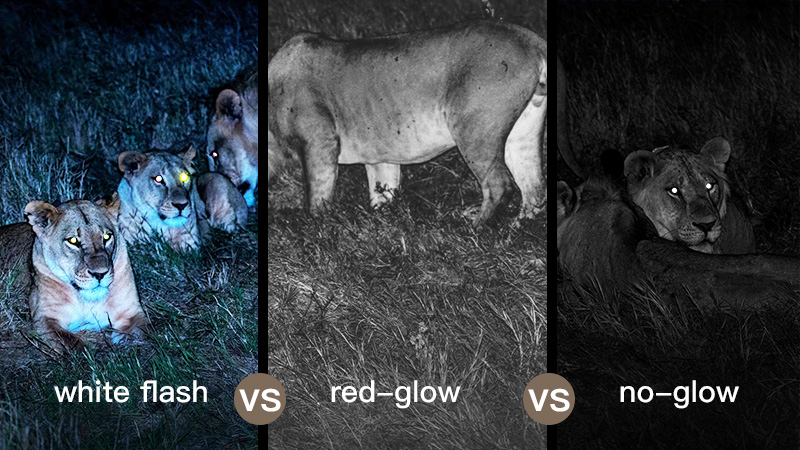
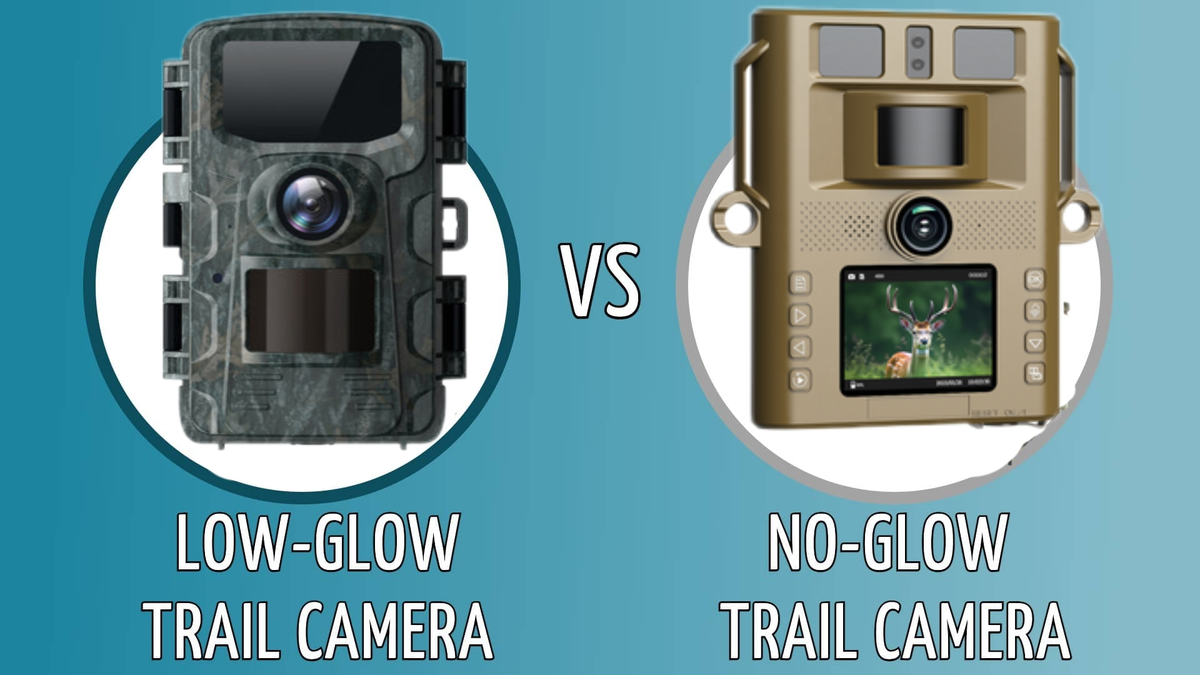
No-glow cameras use 940 nm infrared LEDs. The light is nearly invisible to humans and most animals. Low-glow cameras use 850 nm LEDs. That glow shows as a faint red flash at night.
Both systems capture night photos and video. The main difference is visible illumination. That affects stealth, range, and image detail. Knowing the trade-offs helps you pick the camera that matches your needs.
How infrared LEDs work and why glow matters
Infrared LEDs send out light your eye can't see well. Wavelength matters. 850 nm LEDs give more visible red glow. 940 nm LEDs are darker to the eye.
Sensors convert IR light to images. More IR power usually means better range and sharper night shots. But stronger IR can cause bright eyeshine and spook animals when the flash is visible. Glow matters when you need stealth or better night detail.

Key differences: stealth, range, and image quality
Stealth
No-glow wins for stealth. The 940 nm flash is not seen by most animals. This helps when surveying wary game.Range
Low-glow often gives longer usable range. The 850 nm LEDs are more efficient, so they illuminate farther.Image quality
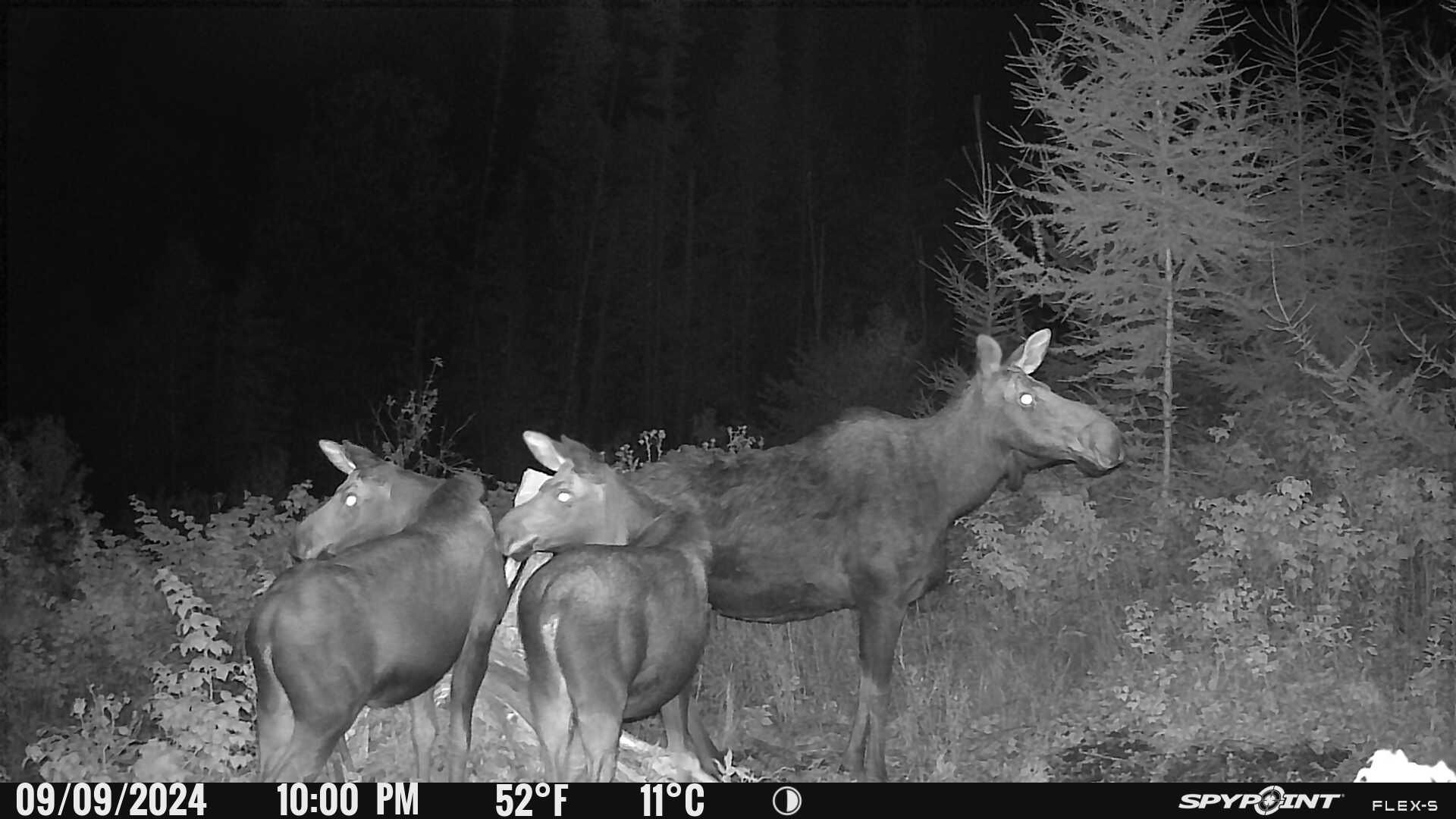
Low-glow can yield clearer night images at distance. No-glow photos may be softer or darker at the same distance.Animal reaction
Low-glow can startle curious animals at close range. No-glow usually avoids that issue.Battery life
Low-glow LEDs can be more efficient, slightly extending battery life in some models. This depends on LED power and camera settings.
Source: tactacam.com

Pros and cons of trail camera no glow vs low glow
No-glow pros
Easy stealth for hunting and shy species. Less chance of spooking subjects. Better for long-term study sites where you want minimal disturbance.No-glow cons
Shorter range in many models. Night images may lack detail beyond close range.Low-glow pros
Clearer night photos at farther distances. Better for property surveillance and when you need identification from far off.Low-glow cons
Flash can be seen up close. May change animal behavior in some situations.Practical balance
Some users choose low-glow for trail and perimeter work. They pick no-glow for bait sites or blind setups where stealth is vital.
Source: voopeak.com

Performance factors to weigh when choosing
Trigger speed and recovery
Faster trigger speeds capture quick animals better. The flash type does not change trigger speed, but camera make and model do.Detection zone and lens angle
Wider lenses capture more area. Combine this with the right LED type for best results.Sensor and resolution
Higher-resolution sensors reveal more detail at night. Low-glow plus better sensors gives the best identification images.Battery life and power draw
Check amp draw of LEDs and camera sleep modes. In my tests, low-glow cameras with optimized power settings ran longer on the same batteries.Environment and foliage
In dense cover, neither LED type gets long range. In open fields, low-glow often reaches farther.Source: spypoint.com
Choosing the right camera for your use case
Hunting and game scouting
Choose no-glow if animals are wary. You want natural behavior near stands and blinds.Property security and perimeter monitoring
Choose low-glow when you need longer night range and clearer identification.Wildlife research and behavioral studies
No-glow reduces disturbance and may give more natural behavior data. If night detail matters, test placement and distance.Trail and general use
If you want a do-it-all camera, consider the hybrid approach: low-glow for range, no-glow for stealth locations. Many users own one of each type for different settings.Source: voopeak.com
Installation and placement tips that matter
Distance matters more than LED type
Place cameras within the effective IR range. Even low-glow will fail beyond its limits.Angle and height
Aim slightly downward at the animal’s chest. This helps the sensor trigger and reduces wasted flashes.Use test mode
Walk in front of your camera at night to check flash visibility and image clarity. That lets you tweak distance and angle.Camouflage and scent control
No amount of no-glow will hide a poorly placed, odorous camera. Use cover and wear gloves when handling.
Source: youtube.com

Personal experience and lessons learned
I ran paired tests with no-glow and low-glow cameras on the same trail for three months. I learned:
- No-glow captured animals without alerting them. Deer walked within a few feet of no-glow cameras and kept natural behavior.
- Low-glow gave sharper images beyond 30 yards. I could ID antler points and faces better.
- I made a common mistake: mounting both cameras too high. Lowering them improved triggers and image framing.
- A practical tip: rotate camera types seasonally. Use no-glow during hunting season and low-glow for broader surveillance in winter.
These hands-on trials taught me that neither option is universally better. Your site, species, and goals decide the winner.
Common quick questions about trail camera no glow vs low glow
Q: Which is better for hunting blinds?
A: No-glow is usually better for hunting blinds because it avoids visible flashes that can spook game.
Q: Which gives better night images?
A: Low-glow often produces clearer night images at longer ranges due to stronger IR output.
Q: Can animals see no-glow flashes?
A: Most cannot see 940 nm flashes, but some animals with sensitive vision might detect faint changes.
Frequently Asked Questions of trail camera no glow vs low glow
What is the main difference between no-glow and low-glow cameras?
No-glow uses 940 nm LEDs that are nearly invisible. Low-glow uses 850 nm LEDs that create a faint red flash visible at night.
Will low-glow cameras scare away deer at bait sites?
They can, especially at close range. Many hunters report deer reacting to low-glow flashes, so test placement and distance first.
Do no-glow cameras have worse image quality?
No-glow can yield darker images at longer distances. With a good sensor and close placement, no-glow images can still be sharp.
How far can each type illuminate at night?
Range depends on LED power and sensor. Generally, low-glow models reach farther than no-glow models under the same specs.
Can I switch LED types on a camera?
Most cameras do not let you change LED wavelength. You must choose a model that matches your preferred LED type.
Is battery life different between them?
Battery life varies by camera design. Low-glow LEDs can be more efficient, but overall life depends on flash power, trigger rate, and camera sleep modes.
Which option is better for research projects?
No-glow is often preferred to minimize behavioral changes. If species ID at long range is critical, low-glow may be needed with careful placement.
Conclusion
Choosing between trail camera no glow vs low glow comes down to your goals. Pick no-glow for maximum stealth and minimal animal disturbance. Choose low-glow for longer night range and clearer identification from distance. Test cameras in your exact locations, adjust placement, and rotate types when needed to match seasons or projects. Try one setup, learn from the images, and refine your approach. Share your experiences or questions below and subscribe for setup tips and model recommendations.
As an Amazon Associate, I earn from Qualifying Purchases.