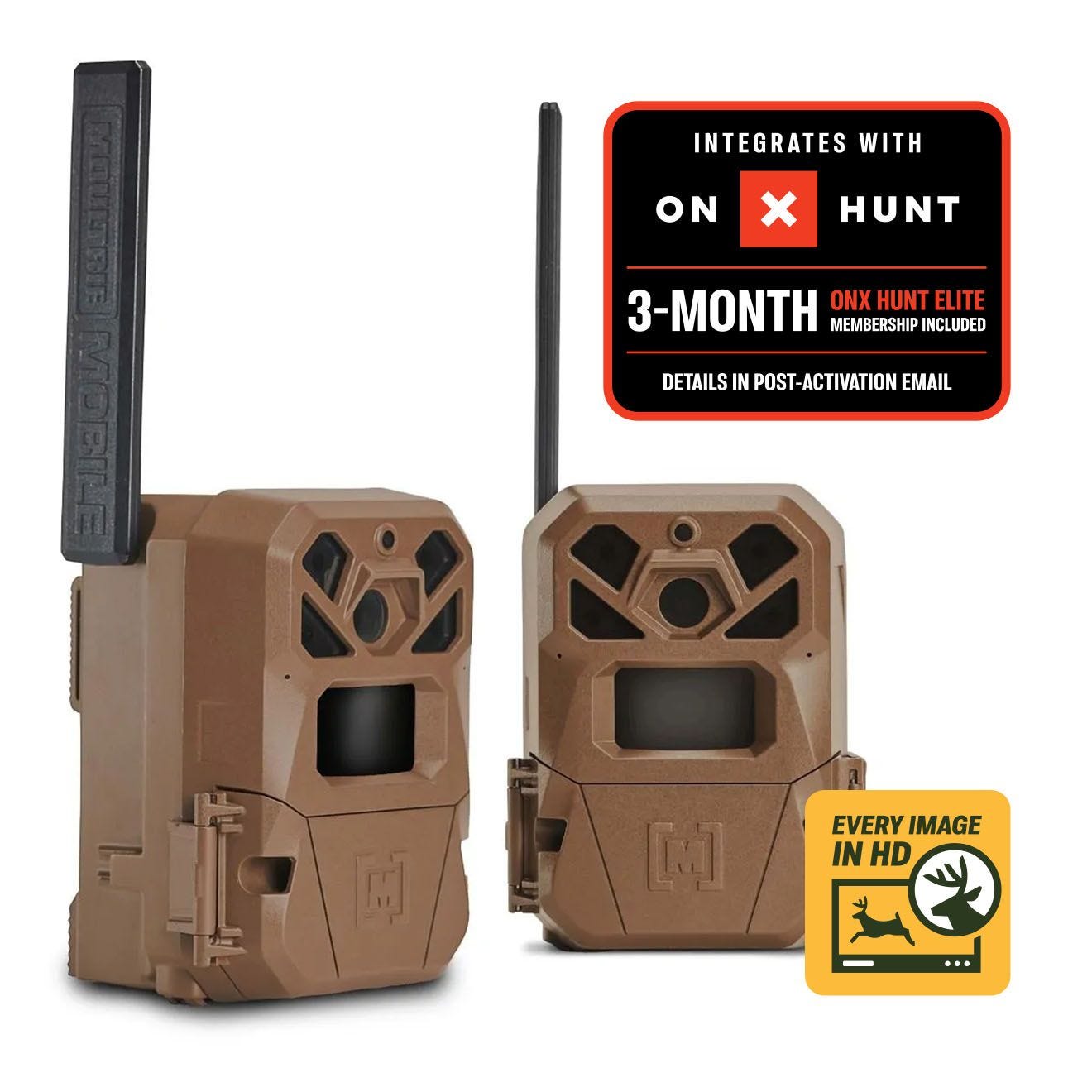
Yes — some cellular trail cameras can work without a manufacturer subscription, using BYO SIM or MMS.
I have tested and installed trail cameras for years, and I will walk you through whether are there any cellular trail cameras that dont require a subscription, how they work, real trade-offs, and practical tips to pick and run one without surprise fees. This guide blends field-tested insight, clear buying rules, and simple setup steps so you can choose a camera that fits your needs and budget.
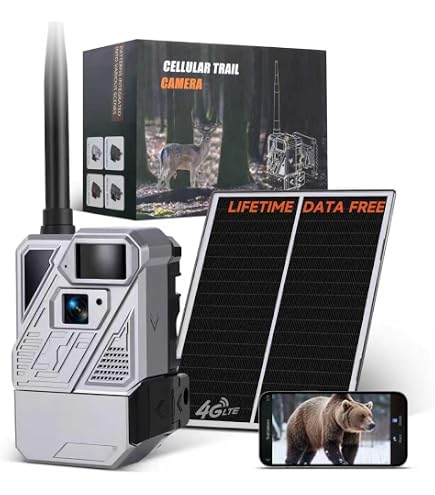
Source: amazon.com
How cellular trail cameras work
Cellular trail cameras use a mobile network to send photos or video to your phone or cloud. Some models push images to a cloud service that needs a subscription. Other models send images directly to your phone via MMS or use your own SIM card and data plan.
Knowing the delivery method matters more than brand. If your goal is to avoid extra fees, focus on how images leave the camera, not the camera name.
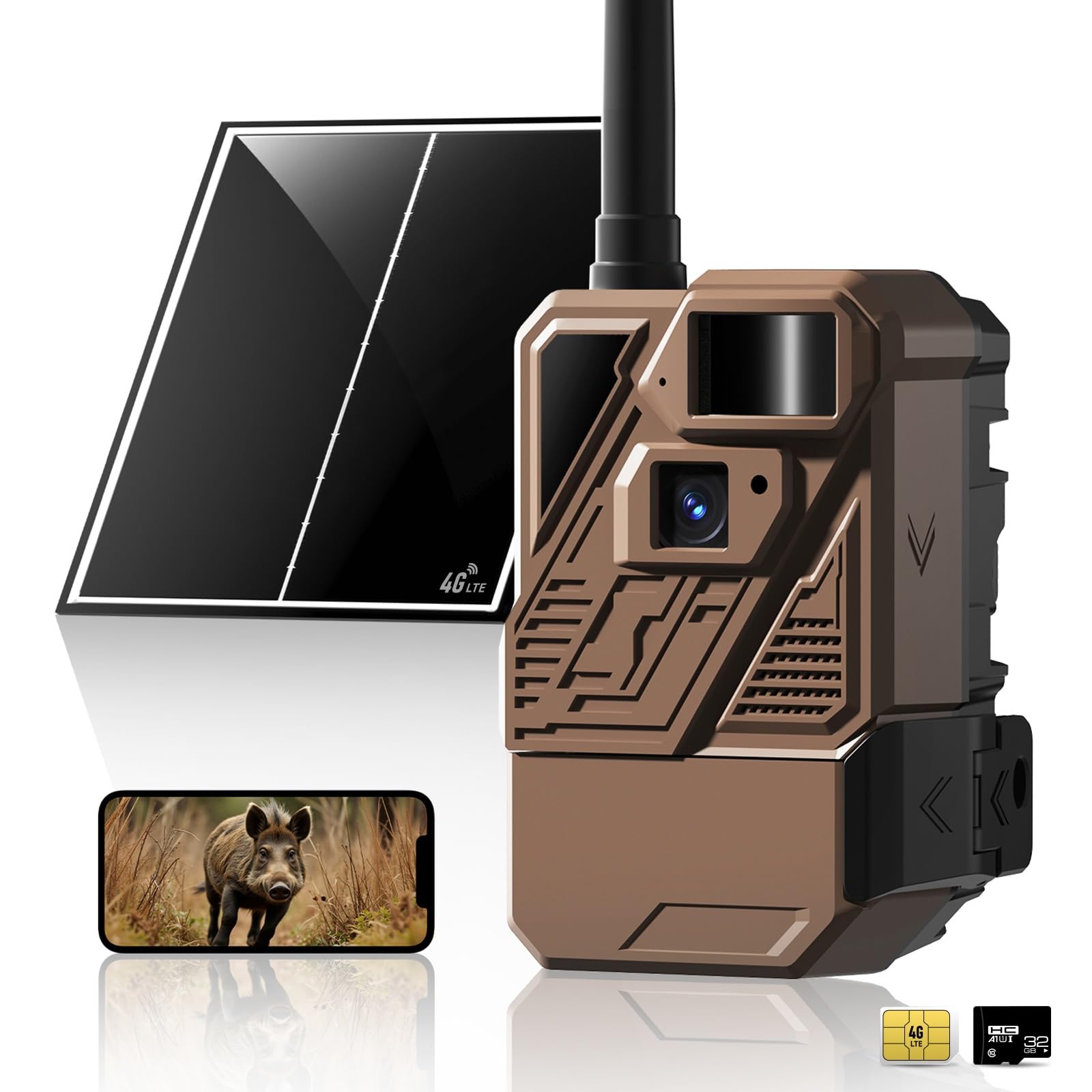
Source: amazon.com
Are there any cellular trail cameras that dont require a subscription?
Short answer: yes—but with important caveats. Many cameras advertise cellular features but split delivery into two paths: manufacturer cloud (subscription) and carrier-based messaging or BYO SIM (no subscription). If you want to avoid a subscription, look for cameras that support MMS, SMTP email, or accept a third-party SIM card that you can load with pay-as-you-go data.
From my field checks, cameras that accept a user-supplied SIM or that send images via MMS will not force a monthly vendor plan. You still pay the carrier for data or per-image MMS fees, but you will not be locked into a manufacturer cloud subscription.
src=”https://www.moultrie.com/media/catalog/product/cache/28d4be753e5f8b78cd81da609804510f/e/d/edge_2_-_mmc-14123_1.jpg”
alt=”Types of cellular trail cameras that dont require a subscription”
style=”max-width: 100%; height: auto; border: 2px solid black; border-radius: 10px; display: block; margin: 0 auto;”
loading=”lazy”
/>
Source: moultrie.com
Types of cellular trail cameras that dont require a subscription
– MMS / SMS-capable cameras
Most send photos as MMS or text. They can relay single images to a phone without cloud storage.
- BYO SIM (bring your own SIM) cameras
These accept a standard SIM and work with a carrier plan you choose. - Email (SMTP) enabled cameras
Cameras that email photos directly to an address. They use carrier data but skip vendor cloud. - Local-only trail cameras with optional cellular
You can run them as regular SD-card cameras and enable cellular later if needed.
Each type has different data use, delay, and reliability. Choose based on how often you want images and how much you want to spend.

Source: amazon.com
Pros and cons of choosing cameras without subscription
Pros
- Lower long-term cost when using low-data plans or MMS-only deliveries.
- No vendor lock-in; you control the carrier and data plan.
- Simpler privacy control since images may not be stored on a vendor cloud.
Cons
- Fewer features like advanced cloud analytics, timelapse storage, or remote firmware updates.
- MMS and email can compress images and be slower than cloud pushes.
- You must manage your own data plan, SIM activation, and sometimes APN settings.
I learned this the hard way: I skipped a subscription once and later missed fast multi-photo delivery during a short wildlife event. Plan delivery frequency to match how you use the camera.

Source: moultrie.com
How to choose the right camera if you want no subscription
- Confirm MMS or SMTP support in the specs
Verify the manual lists MMS or email delivery and APN settings. - Check BYO SIM compatibility
Look for standard SIM slots and multi-band LTE support for your area. - Test carrier signal on site
Take any phone to the exact location and test data and MMS before buying. - Battery life and power options
Cellular sends use more power; prefer cameras with large battery capacity or solar support. - Local storage options
Ensure a reliable SD card slot for backup when cellular fails. - Firmware and manual control
Pick models that allow APN edits and manual reset without vendor portals.
My tip: buy a camera with both cellular and robust SD-only operation. That gives you a fallback.

Source: amazon.com
Setup and real-world tips to avoid hidden costs
- Use a cheap pay-as-you-go data SIM for testing first. That helps estimate monthly use.
- Set lower image burst counts and longer trigger intervals to save data.
- Use smaller image sizes or lower resolution if the camera allows it.
- Enable night send limits and quiet hours to avoid unnecessary uploads.
- Place the camera where phone signal is stable. A tiny move can change reception completely.
- Log data use for two weeks to estimate the right SIM plan, then upgrade or switch.
In my tests, lowering burst shots from 3 to 1 cut data use by more than half. Small settings changes matter.

Source: moultrie.com
Recommended configurations (what to look for)
- Look for cameras that list APN, MMS, and SMTP settings in the manual. That usually means no forced subscription.
- Choose quad-band LTE support (bands that match your carrier) for wider coverage.
- Prefer models with good low-light images and conservative power draw.
- Get a weatherproof external antenna option if your site has weak signal.
- Keep a spare SD card and spare batteries or a small solar panel kit.
I have used BYO SIM setups with a compact LTE plan for seasonal monitoring. It was cheaper and gave me full control.

Source: amazon.com
Frequently Asked Questions of are there any cellular trail cameras that dont require a subscription
What does it mean if a camera is “cellular” but has no subscription?
It means the camera can use a mobile network for data transfer. Some models let you use your own carrier plan or send MMS without a vendor cloud subscription.
Can I use a normal prepaid SIM in a cellular trail camera?
Yes. Many cameras accept standard prepaid SIMs. You must check carrier compatibility and APN settings for the camera.
Will I lose image quality if I avoid the subscription?
Sometimes. MMS and email can compress photos, so cloud delivery often gives higher quality. You can always keep full-quality images on the SD card.
Are there extra costs if I use MMS or my own SIM?
You will pay the carrier for data or MMS messages. Costs may be lower than vendor subscriptions but vary by carrier and frequency of triggers.
How reliable are non-subscription setups for remote monitoring?
They can be reliable if you test signal strength and optimize settings. Expect trade-offs in speed, image quantity, and advanced cloud features.
Conclusion
You can find cellular trail cameras that dont require a subscription, but success depends on choosing the right delivery type, carrier plan, and settings. Test signal strength, use a BYO SIM or MMS-enabled model, and optimize image settings to cut data use. Try a short trial period with a prepaid SIM to measure cost and reliability, then scale up.
Take action: test your cell signal on site, pick a camera that supports BYO SIM or MMS, and start with conservative settings to avoid surprise costs. Share your experience or questions below so we can troubleshoot real setups together.
As an Amazon Associate, I earn from Qualifying Purchases.