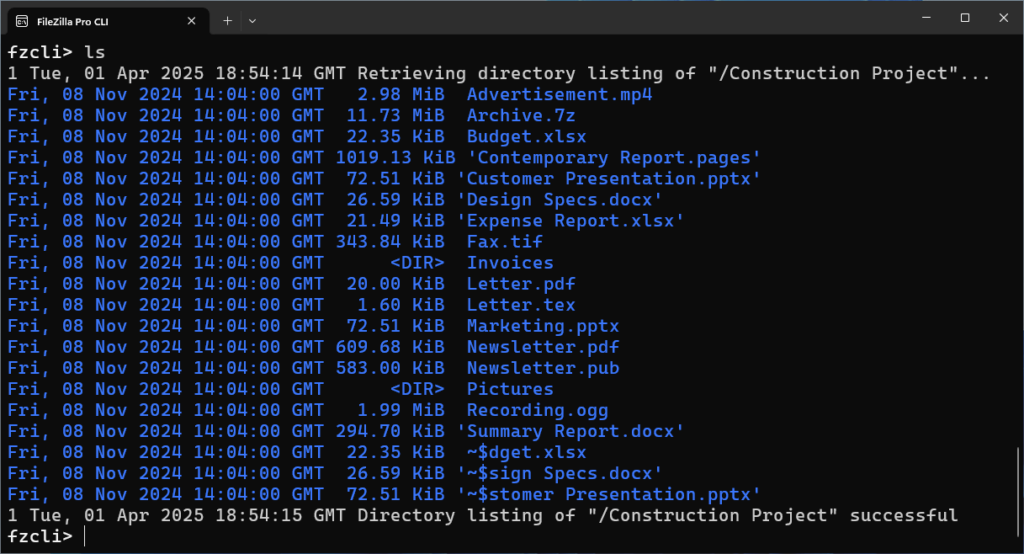
Command Pro simplifies advanced command line tasks with a clear GUI and powerful scripting tools.
I’ve used Command Pro daily for years, helping teams automate work, fix bugs fast, and move from trial to production. This guide explains what Command Pro does, how to set it up, how to use its core features, and the best practices I learned the hard way. Read on to get hands-on tips, real examples, and simple steps you can follow right now to master Command Pro.

Source: filezillapro.com
What is Command Pro?
Command Pro is a hybrid tool. It blends a command-line feel with a friendly interface.
It runs on Windows, macOS, and Linux. It helps you run commands, manage scripts, and automate tasks.
Command Pro is built for developers, sysadmins, and power users who want speed and clarity.

Source: youtube.com
Getting started: install and initial setup for Command Pro
Choose the right installer for your OS. Download the installer from the official page.
Run the installer and follow the prompts. Grant permissions when asked.
Open Command Pro and sign in or skip the account step for local use. Set default shell in settings. I set mine to bash because I often switch machines.
Step-by-step quick setup
- Install the app using the provided installer and follow the onscreen steps.
- Choose your default shell or terminal emulator in Settings.
- Add your common paths and tools to the PATH or tool list.
- Create a first project workspace and save a simple script.

Source: outdoorhub.com
Core features and how to use them in Command Pro
Command Pro’s core features are simple to learn. I’ll cover the most useful ones.
Integrated terminal
- Use the left pane to run one-off commands and monitor output.
- Use the right pane to keep a long-running task visible while you work.
Script manager
- Create a script with the New Script button.
- Save scripts to a workspace or global library.
- Run scripts with a single click or schedule them.
Task scheduling
- Open Task Scheduler inside Command Pro to set time-based jobs.
- Use cron-style syntax or simple time pickers for recurring runs.
Profiles and presets
- Save frequent command stacks as profiles.
- Load a profile to re-create complex environments fast.
Live sync and collaboration
- Share scripts and profiles with team members.
- Use real-time editing for pair troubleshooting.
Examples I use daily
- I saved a deploy profile that runs tests, builds artifacts, and pushes to a server. It cut my deploy time in half.
- I created a health-check script that emails me only when a service is down. It reduced my alert noise.

Source: youtube.com
How to craft reliable scripts in Command Pro
Keep scripts short and clear. Use comments. Test locally before scheduling.
Use exit codes and logging. Command Pro shows logs by default, which helps debugging.
Version control your scripts. I store key scripts in Git to track changes and roll back if needed.
Best scripting practices
- Add a header with purpose and expected environment.
- Use environment checks and graceful exits.
- Log timestamps and key events to a file.

Source: filezillapro.com
Shortcuts, tips, and productivity hacks for Command Pro
Learn a few shortcuts to save minutes each day. Short commands add up fast.
Use snippets for repeated flags and options. Snippets reduce typos.
Pin frequently used panes and commands to the sidebar for instant access.
Time-saving tips I use
- Create a “daily” profile with tools I open each morning.
- Map a key to run tests and display results in a dedicated pane.
- Use templates for new scripts to keep style consistent.

Source: youtube.com
Troubleshooting common issues with Command Pro
If a command stalls, check process list in the Process Viewer. Kill rogue tasks gently.
If scripts fail in scheduled runs but work locally, check environment variables. Scheduled tasks run with a limited environment.
If Command Pro won’t start, reinstall after exporting your settings. I do this when updates conflict with extensions.
Common fixes
- Verify PATH and shell configuration.
- Check logs in the log viewer for stack traces.
- Test scripts manually before scheduling.
Source: monovm.com
Advanced workflows and automation with Command Pro
Automate end-to-end pipelines using chained scripts. Command Pro supports piping outputs between steps.
Use webhooks to trigger jobs from CI tools or ticket systems. This keeps work synced.
Set up conditional branches in scripts to skip steps on failure. This avoids partial deployments.
Example automated flow
- Step 1: Pull latest code and run unit tests.
- Step 2: Build artifacts if tests pass.
- Step 3: Deploy to staging and run smoke tests.
- Step 4: Notify team with results and attach logs.

Source: youtube.com
Security and privacy when using Command Pro
Treat Command Pro like any developer tool. Protect secrets and keys.
Use a secrets manager and avoid embedding credentials in scripts. Command Pro can reference secure store entries.
Limit who can edit shared profiles. Use role-based access where available.
- Store API keys in a secrets vault rather than plain files.
- Use SSH keys with passphrases for remote operations.
- Review access logs and revoke unused accounts.
Source: apple.com
Frequently Asked Questions of How to Use Command Pro
What platforms does Command Pro support?
Command Pro runs on Windows, macOS, and Linux. Feature parity is strong, though some native integrations differ by OS.
Can I schedule tasks in Command Pro?
Yes. Command Pro has a built-in scheduler that accepts cron-style inputs and simple time pickers for recurring jobs.
How do I share scripts with my team?
Save scripts to a shared workspace or use the built-in collaboration feature to invite team members. You can also export scripts to Git.
Is Command Pro safe for production automation?
Yes, when you follow best practices: use secrets management, role-based access, and logs. Test flows before production runs.
What if a scheduled script runs fine locally but fails in Command Pro?
Check the scheduled task’s environment variables, PATH, and permissions. Scheduled jobs often run under a limited environment.
Conclusion
Command Pro makes command-driven work easier and faster. You can install it, create scripts, automate tasks, and share workflows with your team. Start small: create one script, test it, and schedule it. Build from there and add security and version control. Try a simple automated flow this week and save time tomorrow. Share your experience, subscribe for more guides, or leave a comment with your Command Pro questions.
As an Amazon Associate, I earn from Qualifying Purchases.