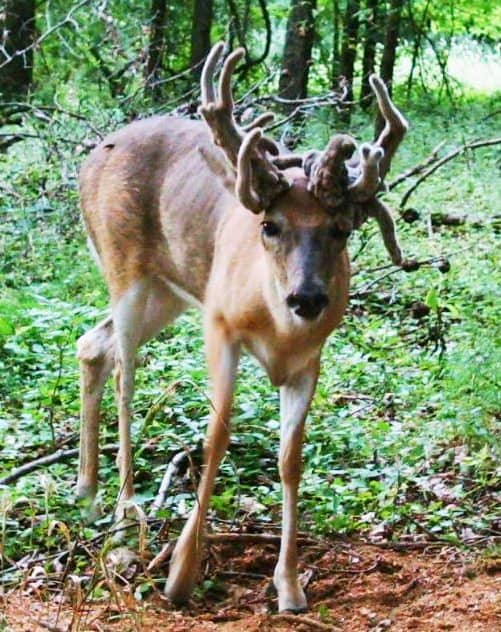
Most female deer do not grow antlers, but female reindeer (caribou) often do.
I have studied deer biology and spent years watching deer in the field. I will explain clearly why the answer to “Do Female Deer Have Antlers” is mostly no, but with key exceptions. You will learn which species show female antlers, how antlers form, why some females grow them, and what that means for observers and managers. This guide combines science, field notes, and practical tips so you can tell males from females with confidence.

Source: jakes-bones.com
Understanding antlers: what they are and how they differ from horns
Antlers are bone structures that grow from the skull. They grow quickly each year and are shed when the season ends. Antlers differ from horns because horns are permanent and have a keratin sheath.
Antler growth is tied to hormones and seasons. For most deer species, only males grow full antlers. That makes the question “Do Female Deer Have Antlers” simple for many species but not universal. This section sets the stage to explain exceptions and causes.

Source: bigdeerblog.com
Do Female Deer Have Antlers? Species differences
The short answer depends on species. In most deer species, females do not grow antlers. The notable exception is reindeer, also called caribou, where many females do grow antlers each year.
Other species rarely show antlers on females. These rare cases are usually due to hormonal imbalances or genetic oddities. When you ask “Do Female Deer Have Antlers” remember to name the species. In the case of Rangifer (reindeer/caribou), female antlers are normal, not rare.
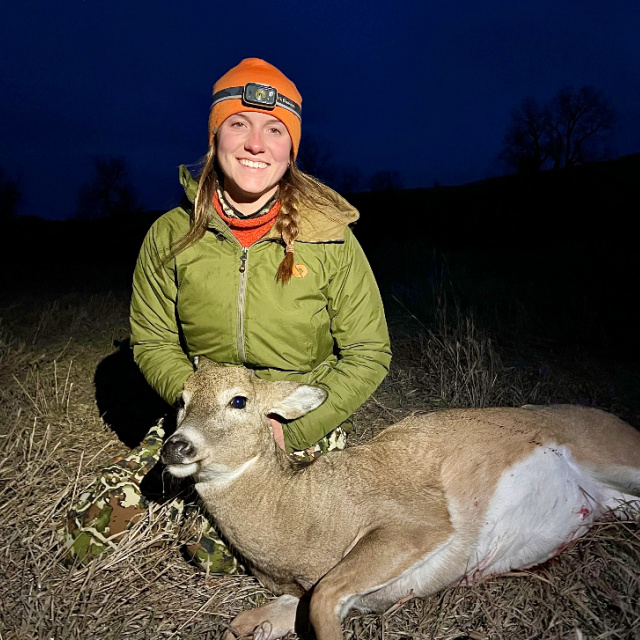
Source: themeateater.com
Why female deer have antlers in reindeer
Female reindeer grow antlers as an adaptation to cold, seasonal life. Antlers help females compete for food under snow. They also help defend food and create space for calves.
Females often keep antlers longer into winter than males. Pregnant females may keep antlers to access scarce food just before calving. For reindeer, antlers are both tools and social signals. This explains why the simple “Do Female Deer Have Antlers” question has an important ecological answer.
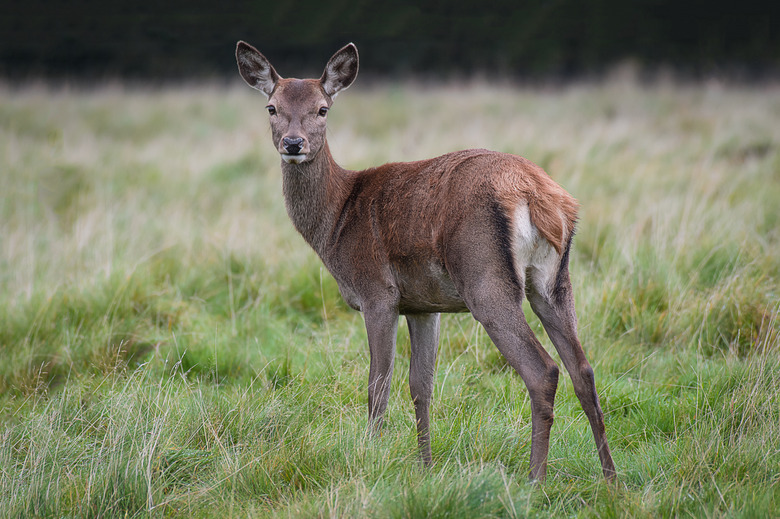
Source: sigra.com
How antlers grow and fall
Antlers begin as soft tissue called velvet. Blood supplies nutrients and the bone grows rapidly under velvet. When growth finishes, the velvet falls off and the hard antler remains.
Shedding happens after the breeding or winter cycle. Hormones, especially testosterone, control timing. In species where females grow antlers, their hormone cycles differ from males, which shifts growth and shed times. Understanding this helps when you study “Do Female Deer Have Antlers” in the wild.

Source: sigra.com
Observing antlers in the field: tips for wildlife enthusiasts
Antlers are a quick cue, but they are not a perfect sex signal. In reindeer, females can have antlers, so antlers do not always mean male. Use these tips to tell sex in the field:
- Look at body size and shape. Males are often bulkier and stockier.
- Watch behavior. Males often spar and display during rut, while females tend to form nursery groups.
- Note timing. In some populations, females retain antlers into winter while males shed earlier.
- Check head shape and facial markings. These can give extra clues when antlers are confusing.
When asking “Do Female Deer Have Antlers” in the field, combine signs rather than relying on one feature. This gives more reliable ID.

Source: themeateater.com
Conservation and management implications
Knowing whether females have antlers affects surveys and rules. Hunters, biologists, and managers must avoid misidentifying sex. In regions with reindeer or caribou, counting antlered animals as males will skew data.
Regulations sometimes protect females in antlered states or set seasons to reduce female take. Clear knowledge of “Do Female Deer Have Antlers” helps set fair seasons and maintain healthy populations. Managers use antler timing to schedule surveys and set bag limits.

Source: discoverwildlife.com
Frequently Asked Questions of Do Female Deer Have Antlers
Do female deer in North America have antlers?
Most North American deer species, like white-tailed deer and mule deer, have antlers only on males. The big exception is caribou (reindeer), where females often grow antlers.
Why do only some female deer grow antlers?
When female antlers appear, it is usually because of species traits like those of reindeer or due to hormone differences and genetics. Seasonal needs and social behavior also play roles.
Can a female deer grow antlers if she has a hormonal issue?
Yes. Hormonal disorders can cause antler-like growth on females in rare cases. Those cases are uncommon and usually not part of normal population patterns.
Do female antlers look different from male antlers?
Female antlers tend to be smaller and simpler than male antlers in species where both sexes grow them. Size and branching often differ, but overlap can occur.
How can I tell male from female if antlers are not reliable?
Combine clues: body size, grouping, behavior, timing of antler presence, and local knowledge. Use binoculars and watch behavior for the best ID.
Conclusion
Most female deer do not grow antlers, but the clear exception is reindeer/caribou, where female antlers are common and serve real ecological roles. I encourage you to use multiple signs when identifying deer in the field and to learn local species patterns. Apply these tips on your next wildlife walk, share what you learn, and leave a comment with any sightings or questions.
As an Amazon Associate, I earn from Qualifying Purchases.