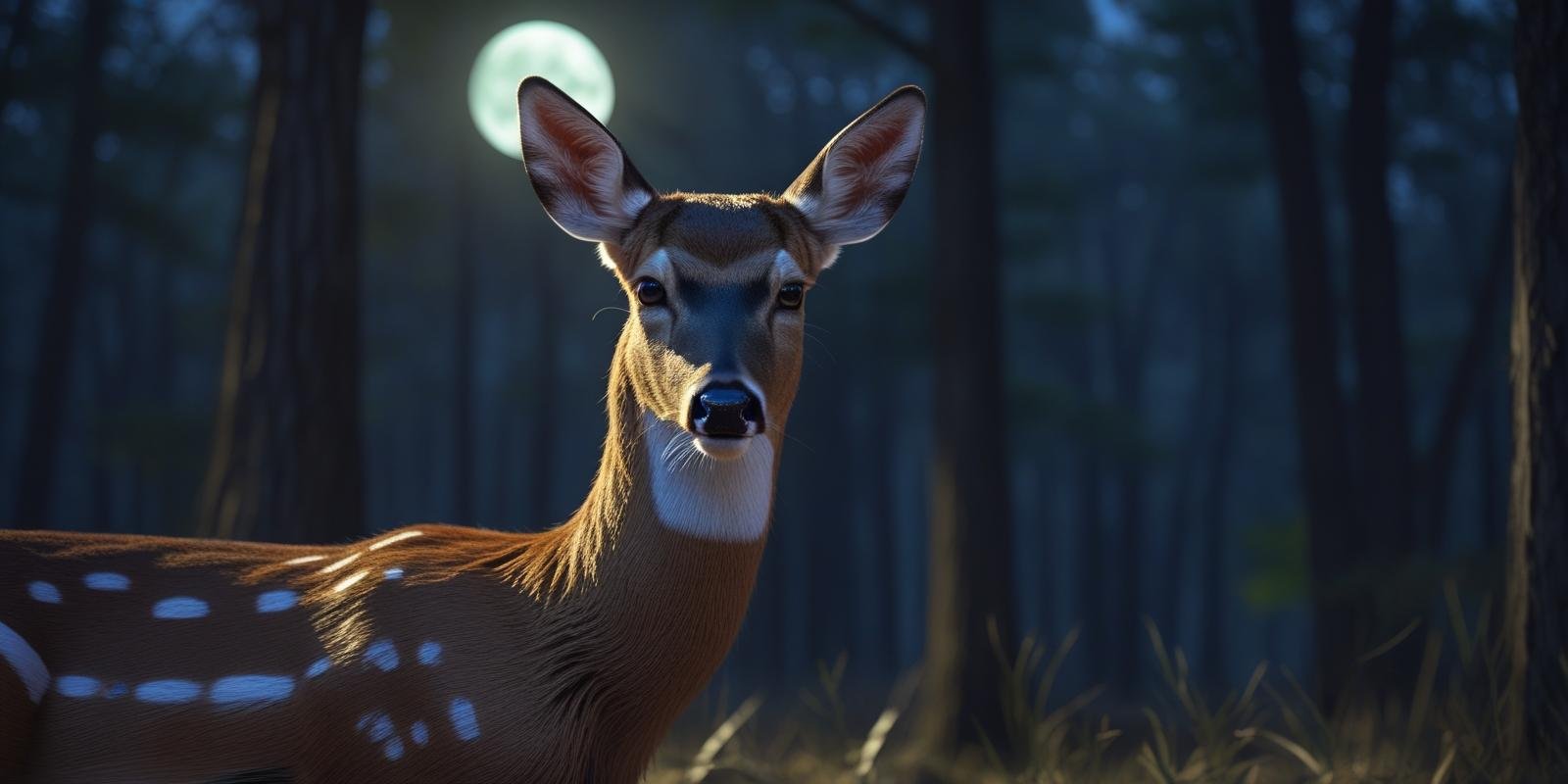
Are deer nocturnal? The answer is no.
Deer are not strictly nocturnal animals. They are primarily crepuscular, meaning they are most active during dawn and dusk. While they may venture out at night, particularly in warmer weather or during hunting seasons, their peak activity occurs in the early morning and late evening.
Understanding deer behavior is important for wildlife enthusiasts and hunters alike. Knowing when deer are most active can help in planning the best times for observation or hunting. This blog explores the fascinating world of deer activity patterns, their adaptation to different environments, and how light affects their behavior. By the end, you’ll have a clearer picture of when to expect these graceful creatures in the wild.
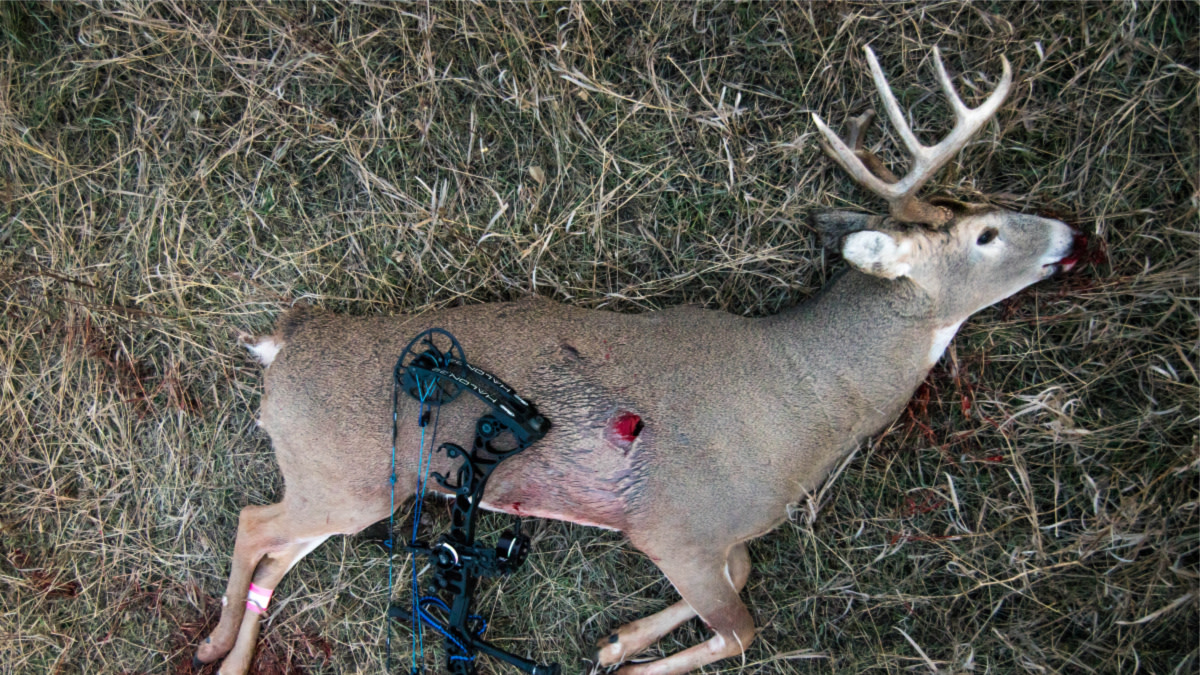
Credit: www.themeateater.com
Deer Activity Patterns
Deer are not strictly nocturnal; they are mainly crepuscular. This means they are most active during dawn and dusk. Factors like hunting pressure and hot weather can increase their nighttime activity, but they generally prefer the early morning and late evening hours.
Understanding deer activity patterns can enhance your outdoor experiences, whether you’re a wildlife enthusiast, a hunter, or simply curious about these fascinating animals. Knowing when deer are most active can help you plan your activities and increase your chances of encountering them.
Crepuscular Vs. Nocturnal Behavior
Deer are primarily crepuscular, which means they are most active during dawn and dusk. These twilight hours provide them with better visibility to avoid predators while also allowing them to feed. While some may think of deer as nocturnal creatures, they tend to limit their nighttime activity. However, under certain conditions, such as high hunting pressure or hot weather, deer can shift their activity to later hours. Have you ever been out at twilight and noticed a flurry of deer activity? That’s when they feel safest to roam.
Myths And Facts
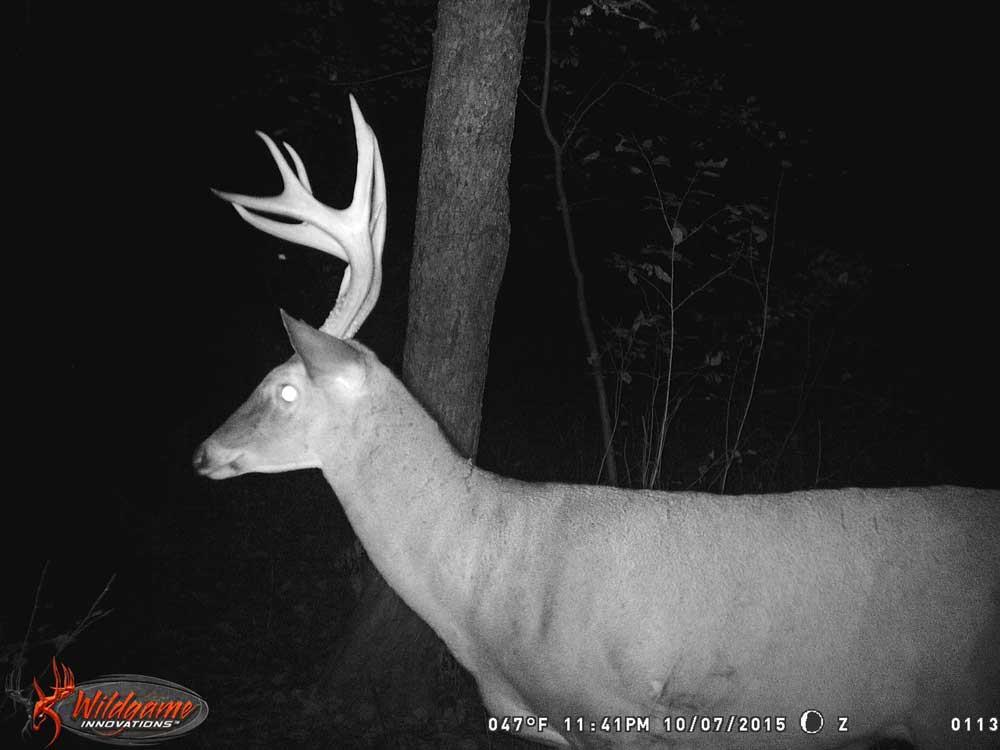
There are many myths surrounding deer behavior. One common misconception is that all deer are strictly nocturnal. In reality, they adapt their activity patterns based on environmental factors and human presence. Another myth is that mature bucks are only active at night. While they may prefer nighttime during hunting season, they still venture out during the day, especially in areas with less hunting pressure. Understanding these patterns can help you plan your outings more effectively. Have you adjusted your hunting times based on these insights? You might find your success rate improving as you align your schedule with their natural behaviors. In summary, knowing the truth behind deer activity can enrich your experiences in nature. It allows you to observe them more closely and appreciate their behavior, making each outing more rewarding.
Credit: www.mossyoak.com
Circadian Rhythms In Deer
Circadian rhythms in deer are fascinating and complex. These rhythms dictate when deer are active, feeding, and resting. Understanding these patterns helps you appreciate their behavior and enhances your hunting or wildlife observation experiences.
Influence Of Light On Deer
Light plays a crucial role in the daily activities of deer. Their activity levels are closely linked to the natural light cycle. During dawn and dusk, known as the crepuscular hours, deer are most active.
This is when you’re likely to spot them grazing or moving about. As the sun rises or sets, their instincts trigger a shift in behavior. Bright daylight typically prompts them to seek shelter, while darkness gives them more confidence to roam.
Have you ever noticed how deer seem to emerge just as the sun dips below the horizon? This is no coincidence. The interplay of light and their circadian rhythms significantly influences their feeding patterns.
Seasonal Variations
Seasons also affect deer activity. In spring and summer, longer daylight hours mean that deer can extend their feeding times. They often venture out earlier in the morning and stay out later into the evening.
However, as autumn approaches and daylight decreases, their activity shifts slightly. During the rut, which peaks in late fall, bucks become more active at all hours, driven by the need to mate. This behavior change can surprise even seasoned hunters.
When winter arrives, you may notice deer adapting to colder conditions. They often reduce their movement during the day, conserving energy. Understanding these seasonal shifts can help you better predict deer behavior in your area.
Reflect on your own experiences with deer. Have you noticed changes in their activity based on the season or time of day? Observing these patterns can deepen your appreciation for these remarkable creatures.
Deer Behavior During Different Seasons
Understanding deer behavior throughout the seasons can help you appreciate these fascinating creatures. Their activity levels and habits shift as the weather changes. This section looks at how deer behave during summer nights and winter days.
Summer Nights
During the summer, deer often become more active at night. As temperatures rise during the day, they seek cooler environments after sunset. You might notice them grazing in fields or visiting water sources under the cover of darkness.
In my experience, summer evenings provide the perfect backdrop for spotting deer. I once sat quietly in my backyard and watched a doe and her fawn emerge from the woods. They nibbled on clover while I marveled at how their instincts guided them to safety during the heat of the day.
Have you noticed similar patterns in your area? If so, it’s a sign that deer adapt their behavior for comfort and survival.
Winter Days
In winter, deer switch their activity to daylight hours. With shorter days and colder temperatures, they need to conserve energy and find food. You may spot them foraging in open fields or near dense cover during the warmer hours of the day.
On a snowy afternoon last year, I saw a group of deer moving through a thicket. They seemed more visible, taking advantage of the sunlight to warm themselves. This kind of behavior emphasizes their need to adapt to the harsh winter conditions.
How does the change in season affect your outdoor experiences? Observing deer can offer you valuable insights into their survival strategies and the ecosystem around you.
Human Impact On Deer Habits
Human activities significantly affect deer behavior. Changes in hunting practices and urban growth alter their natural habits. Understanding these impacts can help in conservation efforts and wildlife management.
Effects Of Hunting
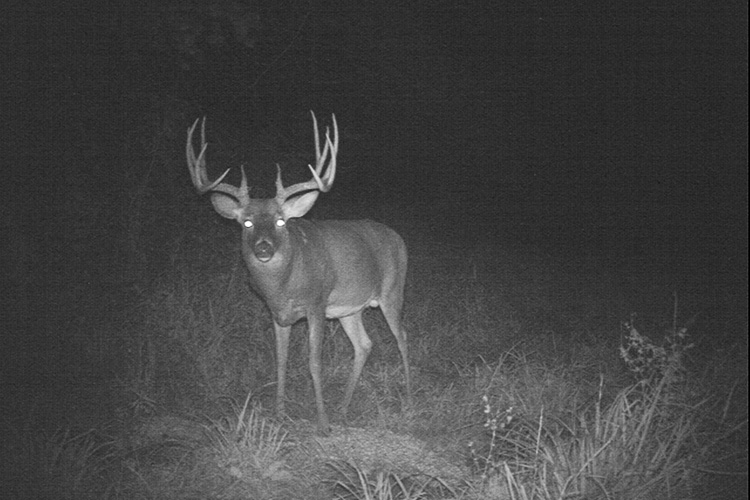
Hunting pressure influences deer activity patterns. Many deer become more active at night to avoid hunters. This shift helps them stay safe in their environment.
In areas with heavy hunting, deer may limit their daytime movements. They often seek refuge in dense cover during the day. This change makes them harder to spot and hunt.
As hunters become more skilled, deer adapt quickly. They learn to associate noise and movement with danger. This awareness drives them to be more elusive.
Urbanization And Deer Behavior
Urban areas change deer habits dramatically. As cities expand, deer find new food sources in gardens and parks. This leads to increased deer sightings in suburban neighborhoods.
Deer adapt to human presence, becoming bolder. They may wander into backyards and roadways, increasing risks of accidents. This behavior highlights the need for management strategies in urban settings.
Urbanization also leads to habitat fragmentation. Deer must navigate through smaller, isolated areas. This change can stress populations and affect their health.
Adaptations For Survival
Understanding how deer survive in their environment reveals fascinating adaptations that enhance their chances of thriving in the wild. These adaptations are crucial for avoiding predators and securing food. Let’s dive deeper into two key aspects: predator avoidance and foraging strategies.
Predator Avoidance
Deer have developed several clever tactics to evade predators. Their keen sense of smell is one of their greatest assets. They can detect danger from a distance, allowing them to flee before the threat becomes imminent.
Additionally, their large eyes are designed for low-light conditions, giving them an advantage during dawn and dusk when they are most active. This helps them spot potential threats quickly. Have you ever noticed how quietly they can move through the underbrush? This stealthy behavior helps them avoid being detected.
Foraging Strategies
Foraging is a critical aspect of deer survival. They are selective eaters, often choosing nutrient-rich plants that support their health. This selective feeding helps them maximize their energy intake while minimizing time spent in vulnerable positions.
Deer also adapt their foraging habits based on the time of year. During the summer, they may graze on lush vegetation, while in winter, they rely on twigs and bark. Have you ever seen a deer in a field, carefully picking through the grass? This behavior showcases their ability to find food even when options are limited.
Understanding these adaptations not only enhances our appreciation of these graceful animals but also informs hunting strategies for those interested in deer management. How do you think these survival strategies shape the deer populations in your area?
Observing Deer In Their Natural Habitat
Watching deer in their natural habitat can be a rewarding experience. These graceful creatures exhibit fascinating behaviors. Understanding their activity patterns helps in observing them effectively. Knowing the best times to watch them can enhance your experience.
Deer are primarily crepuscular, active around dawn and dusk. However, they can also move during the night. This behavior often depends on environmental factors. Temperature and hunting pressure influence their activity. Learning these patterns is key to successful wildlife watching.
Best Times For Wildlife Watching
The early morning and late evening are prime times to observe deer. During these hours, they are more likely to be feeding. Look for them in open fields or near water sources. On cloudy or rainy days, deer may be active throughout the day.
Seasonal changes also play a role. In fall, deer are often more visible during the day. This is due to mating season. In spring and summer, they may hide during hot parts of the day.
Signs Of Deer Presence
Identifying signs of deer can help you find them. Look for tracks, droppings, and chewed vegetation. Scrapes on trees indicate that bucks are marking territory. The presence of fresh tracks can lead you to active feeding areas.
Sound is also a good indicator. Listen for rustling leaves or soft calls. These sounds can signal nearby deer. Observing the environment can reveal hidden deer. Patience and quiet observation improve your chances of a sighting.
Conservation And Management Of Deer Populations
Managing deer populations is crucial for ecological balance. Healthy deer populations support biodiversity. Conservation efforts help maintain natural habitats. Proper management ensures that deer coexist with other species. It also supports local communities that rely on deer for recreation and economy.
Habitat Preservation
Preserving deer habitats is essential for their survival. Forests, grasslands, and wetlands are vital for deer. These areas provide food, shelter, and breeding grounds. Protecting these habitats helps maintain healthy deer populations.
Restoration projects can revive degraded areas. Planting native vegetation supports the food chain. Reducing urban sprawl also aids in habitat preservation. Communities can engage in local conservation initiatives. Education about native ecosystems is key to success.
Controlled Hunting
Controlled hunting plays a significant role in deer management. It helps regulate populations and reduce overpopulation. Overpopulation can lead to habitat destruction and increased vehicle collisions.
Implementing hunting seasons ensures sustainable practices. Wildlife agencies set quotas based on population studies. This data-driven approach keeps deer numbers in check. Responsible hunters contribute to conservation efforts. They help fund wildlife management programs through licenses and fees.
Community involvement in controlled hunting fosters awareness. It encourages respect for wildlife and their habitats. Programs that educate hunters about ethical practices are vital. This way, everyone benefits from balanced ecosystems.
Credit: billwinke.com
Engaging With Deer: Do’s And Don’ts
Engaging with deer can be a rewarding experience. Understanding their behavior is essential. Knowing what to do and what to avoid helps ensure safety for both you and the deer. Here are some key points to remember.
Approaching Deer Safely
Always keep a safe distance. Deer can feel threatened if you get too close. Move slowly and quietly. Sudden movements can startle them. Never try to feed or touch a deer. This can lead to dangerous situations.
Observe from a distance. Use binoculars for a better view. This way, you can appreciate their beauty without causing stress. Avoid approaching deer with pets. Dogs can provoke deer and cause them to panic.
Understanding Deer Body Language
Deer communicate through their body language. Pay attention to their ears. Ears pointed forward mean they are curious. Ears held back can indicate fear or aggression.
A deer’s tail can also tell you a lot. A wagging tail usually shows excitement. A raised tail often means they are alert to danger. Watching their movements helps you understand their mood. This knowledge enhances your experience.
Frequently Asked Questions
Are Deer Active During The Night?
Deer are not strictly nocturnal. They are mainly crepuscular, being most active during dawn and dusk. However, they may also exhibit increased nighttime activity, especially in summer or under hunting pressure. Overall, deer prefer low-light conditions for foraging and safety.
What Does It Mean When A Deer Stares At You And Wags Its Tail?
A deer staring at you and wagging its tail often shows excitement or alertness. It may feel safe or is engaging with other deer. Tail wagging can also indicate agitation or nervousness, especially if the deer senses potential danger.
Why Are The Deer On My Property Nocturnal?
Deer on your property may appear nocturnal due to hunting pressure. They alter their activity patterns to avoid danger, becoming more active at night. Environmental factors, such as heat during the day, can also contribute to this behavior. Providing a safe habitat can encourage daytime activity.
Where Do Deer Go During The Day?
During the day, deer typically retreat to bedding areas for safety. They prefer secluded spots like thickets or wetlands. While resting, they digest food and limit movement. Occasionally, they may venture out briefly to forage or explore, but they remain mostly inactive until dawn or dusk.
Conclusion
Deer are fascinating creatures with unique behavior patterns. They are mostly active during dawn and dusk, not strictly nocturnal. Understanding their activity helps hunters and nature lovers alike. Recognizing when deer move can improve your chances of spotting them. Keep in mind that their behavior changes based on various factors.
This knowledge can enhance your outdoor experiences. Observing deer in their natural habitat is always rewarding. By learning about them, you deepen your appreciation for wildlife. Stay curious and enjoy the beauty of nature.
As an Amazon Associate, I earn from Qualifying Purchases.