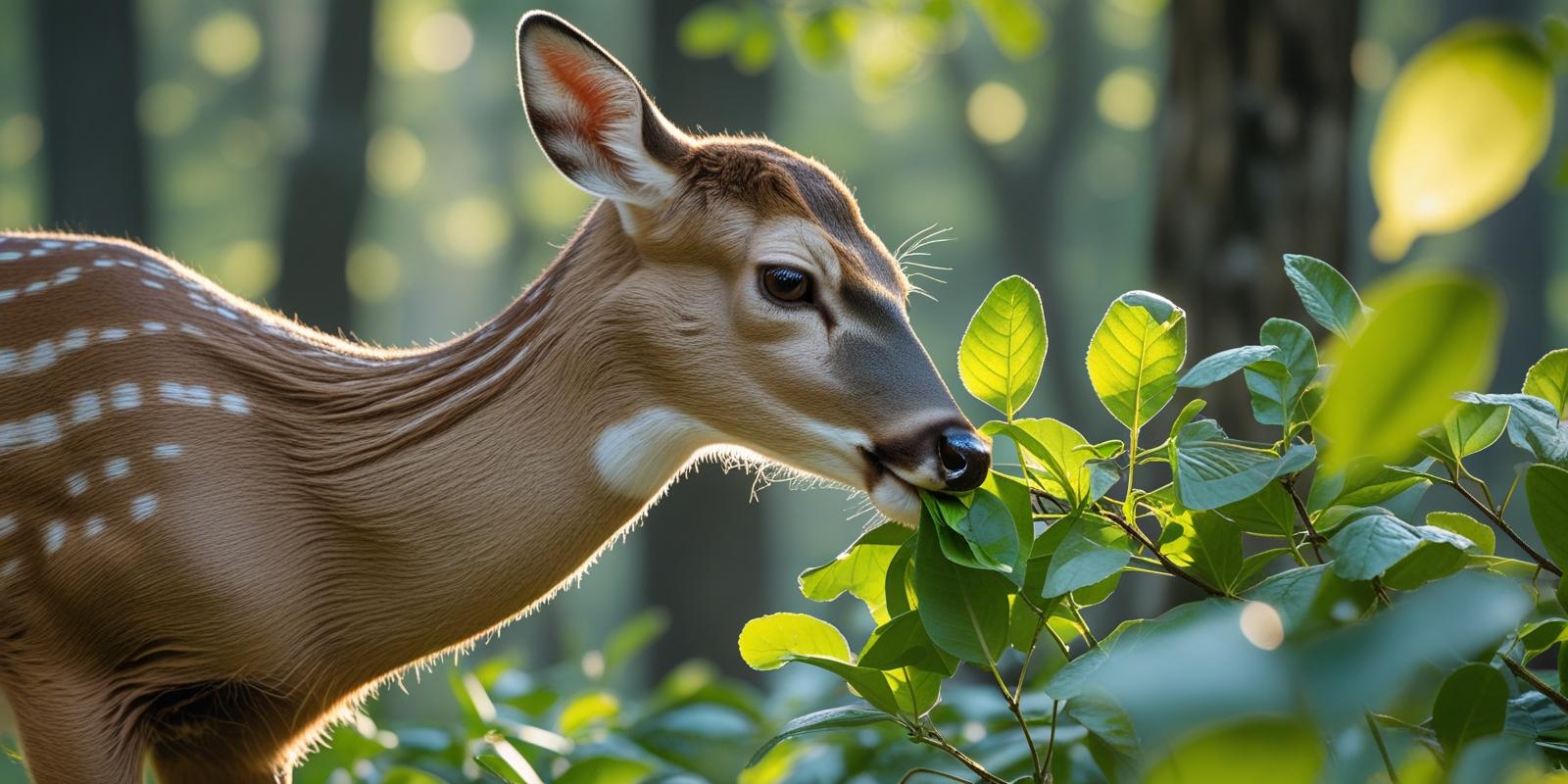
Deer are fascinating creatures with unique eating habits. Understanding what they like to eat can help you appreciate their role in nature.
Deer are herbivores, and their diet varies based on the season and their habitat. They munch on a wide range of plants, including leaves, fruits, and nuts. In spring and summer, they favor tender greens and blooming flowers. As autumn arrives, acorns and other nuts become a favorite.
Winter brings a shift as they turn to woody plants and bark. Knowing what deer eat not only helps wildlife enthusiasts but also aids gardeners and hunters in managing their land. This guide will explore the different foods that deer enjoy throughout the year. Discover the tasty treats that keep these animals thriving in the wild.
Introduction To Deer Dietary Habits

Understanding deer dietary habits is essential for anyone interested in wildlife or looking to attract deer to their property. Deer are herbivores, which means their diet consists mainly of plant matter. However, what they prefer to eat can vary significantly based on their habitat and the season. Let’s dive into the fascinating world of deer dining preferences!
Deer In Different Habitats
Deer adapt their diets based on where they live. In forested areas, they munch on young trees, shrubs, and a variety of herbs. If you’ve ever spotted deer in a meadow, you might have noticed them grazing on grasses and wildflowers.
In urban settings, deer often seek out ornamental plants and garden vegetables. Have you ever had a garden that seemed to vanish overnight? It might just be those hungry deer making a late-night snack run!
In wetlands, you’ll find deer feasting on aquatic plants and tender shoots. The diverse habitats shape their eating habits, making it crucial to know where deer are living to understand what they might be munching on.
Seasonal Dietary Changes
Deer diets are not static; they change with the seasons. In the spring, they thrive on fresh greens, tender leaves, and new growth. Summer brings a bounty of fruits and berries, which they eagerly consume.
As fall approaches, acorns and nuts become their favorites, providing essential energy for winter. Have you ever noticed how deer seem to be more active in the autumn? It’s because they are busy gathering food to prepare for the colder months.
During winter, when fresh food is scarce, deer rely heavily on woody browse like twigs and bark. This adaptability is vital for their survival. Knowing what deer eat throughout the year can enhance your wildlife watching experience or help you plan a successful feeding strategy.
Natural Foods In A Deer’s Diet
Understanding what deer eat is essential for anyone interested in wildlife. Their diet consists mainly of natural foods found in their habitat. These foods provide the nutrients they need to thrive. Let’s explore the key components of a deer’s natural diet.
The Role Of Tree Browse
Tree browse is a significant part of a deer’s diet. It includes the leaves, twigs, and buds of trees and shrubs. Deer often prefer young, tender growth. This type of food is available year-round, especially in winter. During colder months, tree browse becomes a crucial food source. It helps deer maintain their energy levels. Oak, maple, and birch trees are favorites among deer. They seek these trees for their nutrient-rich foliage.
Grasses And Forbs
Grasses and forbs are also important in a deer’s diet. These herbaceous plants provide essential nutrients. Deer consume them in spring and summer when they are lush and green. They enjoy a variety of grasses, clovers, and wildflowers. These foods are high in protein and fiber. Healthy grasses and forbs support deer growth and reproduction. They play a vital role in their overall health.
Fruits And Nuts
Fruits and nuts are a special treat for deer. Acorns, apples, berries, and other fruits attract deer. They tend to eat these foods in the fall. Nuts like hickory and beechnuts are also popular. These foods offer high energy content. Deer seek them out to prepare for winter. The availability of fruits and nuts can affect deer movement and behavior. They often travel to find these tasty sources.
Human Influences On Deer Feeding
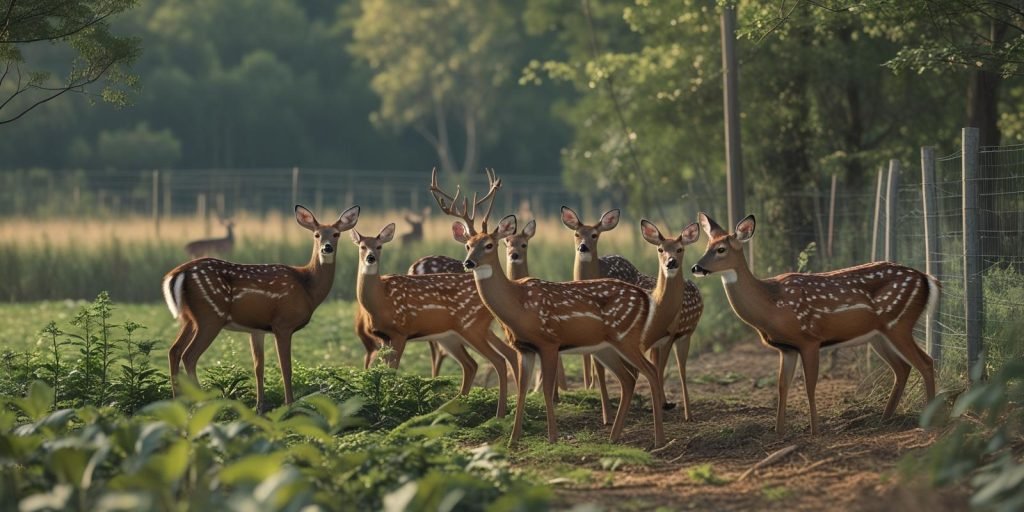
Humans greatly impact what deer eat. Activities like farming and landscaping shape their diets. Supplementary feeding practices can change their natural foraging habits. Understanding these influences helps us appreciate deer behavior better.
Supplemental Feeding Practices
Many people feed deer to attract them. This is common in hunting areas. Providing corn, pellets, or minerals can draw deer closer. However, this may disrupt their natural eating patterns.
Some regions have laws about feeding deer. These rules aim to keep deer healthy. Feeding can create dependency on human sources. Deer may neglect natural foods as a result.
It is essential to use safe feeding practices. Use only approved foods. Avoid grains or foods that can harm deer. This ensures they remain healthy and adaptable.
Impact Of Human Foods
Deer sometimes eat food scraps left by humans. This can include bread or garden waste. While it may seem harmless, it can lead to health issues. Human food lacks the nutrients deer need.
When deer consume unhealthy foods, they can become sick. This affects their survival and reproduction. It is vital to respect their natural diet and habitat.
Human activities can lead to habitat loss. Urban areas reduce the food available for deer. This pushes them into neighborhoods looking for food. It is important to create environments where deer can thrive naturally.
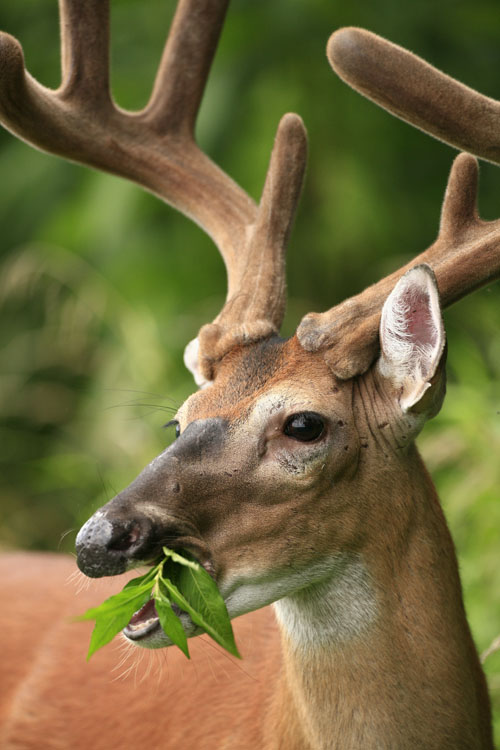
Credit: www.msudeer.msstate.edu
Deer’s Favorite Natural Snacks
Understanding what deer like to eat can help you appreciate these graceful creatures even more. Their natural snacks are a delightful mix of fruits, nuts, and greens. This section focuses on some of their favorite treats that you might find in your backyard or nearby woods.
Acorns: A Fall Favorite
Acorns are a top choice for deer, especially in the fall. They are packed with fat and carbohydrates, making them an excellent energy source. You may notice deer eagerly foraging under oak trees when acorns start to drop.
White oak acorns are particularly favored. They have a sweet taste that attracts deer more than other types. Observing these animals munching on acorns can be a captivating sight.
Have you ever tried gathering acorns yourself? You might be surprised at how many deer frequent areas with plentiful acorns. This natural snack can be a game-changer for your local deer population.
Berries And Wild Fruits
Berries and wild fruits are another delightful treat for deer. They enjoy a variety of berries, including blackberries and blueberries. During late summer and early fall, these fruits become a crucial part of their diet.
When my family and I went hiking last year, we stumbled upon a patch of wild blackberries. To our surprise, we saw deer munching on the bushes nearby. It was a vivid reminder of how connected nature is, and how essential these snacks are for wildlife.
Next time you’re in a forest or near a field, keep an eye out for deer feasting on berries. You may find it fascinating how these natural snacks play a significant role in their diet.
The Risks Of Feeding Deer
Feeding deer might seem harmless, but it poses risks. Human food can disrupt their natural behaviors. It can also lead to health problems. Understanding these risks is vital for both deer and their habitats.
Disruption Of Natural Foraging
Deer have evolved to find their own food. They rely on natural foraging for survival. When humans feed them, it changes their behavior. They may become dependent on artificial food sources.
This dependence can reduce their foraging skills. It can also lead to overcrowding in feeding areas. Such changes can harm local ecosystems. Natural plants may not survive under pressure from deer.
Health Risks From Improper Diets
Feeding deer the wrong foods can cause health issues. Many common foods are unhealthy for them. For example, bread and processed snacks can harm their digestive systems.
These foods can lead to serious health problems like malnutrition. It can also make deer more susceptible to diseases. When deer gather around human food, they risk spreading illness.
Maintaining a natural diet is crucial for their health. Healthy deer contribute to balanced ecosystems.
Winter Feeding: Pros And Cons
Feeding deer in winter has both benefits and drawbacks. They enjoy natural browse like twigs and leaves, which are important for their diet. Supplemental feeding can support their health but may also disrupt natural behaviors. Understanding what deer like to eat helps in making informed feeding choices.
Winter feeding for deer can spark a lively debate among wildlife enthusiasts and landowners. While it can provide much-needed support during harsh conditions, it also carries potential drawbacks. Understanding the pros and cons of winter feeding is essential for anyone looking to help deer thrive through the cold months.
Survival During Harsh Seasons
Providing supplemental food can be a lifesaver for deer during severe winters. Snow cover often makes natural food sources scarce. When I observed deer in my backyard struggling to find food, I decided to put out some corn and hay.
The following day, a group of deer returned, clearly grateful for the extra help. This experience highlighted how supplemental feeding can boost deer populations by improving their chances of survival. However, it’s crucial to choose the right types of food to ensure their health.
Avoiding Dependency On Supplements
While winter feeding has its benefits, it can create a reliance on human-provided food. If deer come to depend on your feeding stations, they may neglect their natural foraging instincts.
This dependency can be harmful in the long run, especially if you can’t maintain a consistent feeding schedule. What happens when you can’t provide food during a critical time?
To encourage natural foraging, consider limiting feeding to extreme conditions. Focus on strategic placement of food and avoid over-supplying. This way, you support their survival without undermining their instincts.
In the end, balancing winter feeding with natural behaviors is key. What will you do to ensure deer in your area stay healthy without becoming reliant on your help?
Cultivating Deer-friendly Habitats
Cultivating a deer-friendly habitat can transform your yard into a wildlife haven. By understanding what deer like to eat, you can create an inviting space that encourages these gentle creatures to visit. You’ll not only enjoy watching them but also support their natural behaviors and health.
Planting Deer-attractive Flora
Choosing the right plants is essential for attracting deer. They love a variety of flora, including:
- Fruits and Nuts: Deer are particularly fond of apples, acorns, and berries. Planting fruit trees or berry bushes can be a great way to draw them in.
- Forbs: These herbaceous plants provide vital nutrition. Consider adding clover, alfalfa, or wildflowers to your landscape.
- Woody Plants: Young saplings and shrubs are favorites. Species like oak, maple, and honeysuckle can create a lush environment.
Mixing these plants can ensure a continuous food source throughout different seasons. Have you ever noticed how certain areas of your garden attract more deer? It’s likely due to the variety of plants you have there.
Providing Natural Shelter
Deer need safe spaces to feel secure. Creating natural shelter can encourage them to frequent your yard more often.
- Dense Vegetation: Thickets and dense shrubbery offer protection from predators. Consider planting areas with thicker growth.
- Water Sources: Adding a small pond or birdbath can be beneficial. Deer are drawn to water, especially during hot months.
- Open Spaces: While they appreciate cover, deer also need open areas for grazing. Balancing your landscape with both can attract them effectively.
Think about how your yard currently looks. Are there spots where deer might feel exposed or unsafe? By adjusting your landscape with these tips, you can create a welcoming environment for these beautiful creatures.
Ethical Considerations And Wildlife Laws
Understanding deer diets involves more than just knowing what they eat. Ethical considerations and wildlife laws play a crucial role in how we interact with these animals. Feeding deer can seem harmless, but it carries responsibilities. Wildlife laws vary by region and aim to protect both deer and their habitats.
Many laws are in place to ensure deer remain wild. These regulations help maintain natural behaviors. Feeding deer can disrupt their foraging instincts. It can also lead to overpopulation in certain areas. This can harm the ecosystem and cause health issues for the deer.
Feeding Regulations
Feeding regulations differ from state to state. Some states prohibit feeding deer altogether. Others allow it but with strict guidelines. These rules are designed to prevent the spread of diseases. Chronic Wasting Disease (CWD) is a serious threat to deer populations. It spreads more easily when deer gather around food sources.
Before feeding deer, check local wildlife laws. Knowing the rules helps protect deer and their environment. It also keeps you within legal boundaries. Unintentional violations can lead to fines or other penalties.
Creating A Balance With Nature
Creating a balance with nature is essential. Deer are part of a larger ecosystem. Their natural diet supports biodiversity. Overfeeding can disrupt this balance. Wild plants provide necessary nutrients. They also help maintain healthy deer populations.
Encouraging natural foraging is key. Plant native species that deer enjoy. This supports their diet without direct feeding. It fosters a healthy environment for other wildlife too. Respecting their natural behaviors ensures a thriving ecosystem.
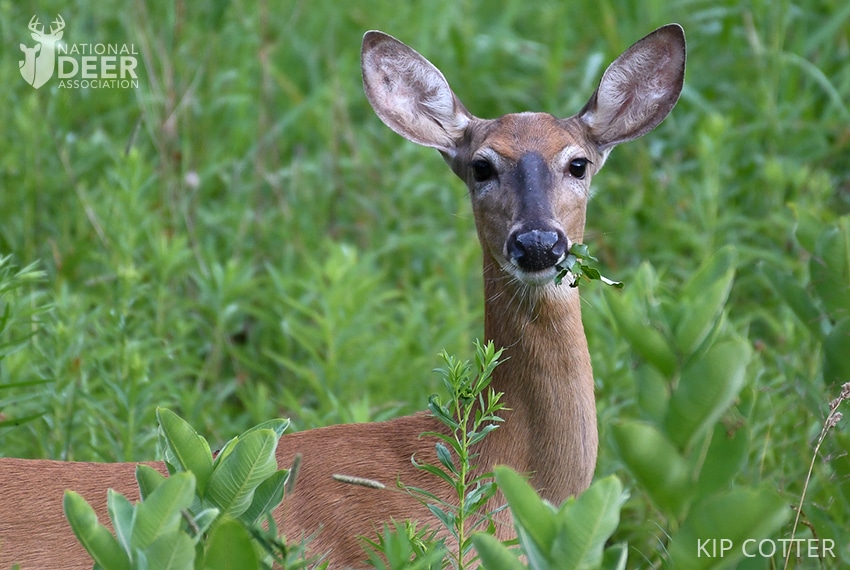
Credit: deerassociation.com
Frequently Asked Questions
What Is A Deer’s Favorite Food?
Deer’s favorite foods include acorns, nuts, fruits, and young woody plants. Acorns, especially from white oaks, are highly preferred. They also enjoy apples, berries, and various browse throughout the year. Seasonal changes influence their diet, with a focus on nuts and fruits in fall.
What Is The Best Thing To Feed Deer?
The best thing to feed deer includes natural browse like twigs and leaves. Supplemental options are corn, oats, and protein pellets. Fruits and vegetables can be offered occasionally. Always introduce new foods gradually and stop feeding as spring approaches to encourage natural foraging.
Should You Feed Deer In Your Yard?
Feeding deer in your yard is generally not recommended. It can lead to dependency on human food, disrupt their natural foraging behavior, and increase the risk of disease transmission. Instead, maintain natural habitats to support deer health and encourage their natural food sources.
Do Deer Eat Carrots?
Yes, deer eat carrots. These root vegetables are a tasty treat for them. Carrots provide essential nutrients and can be a part of their diet. However, they should not be the main food source. Always offer carrots in moderation to maintain a balanced diet for deer.
Conclusion
Understanding what deer like to eat helps us appreciate these animals. Their diet varies by season and location. Deer thrive on acorns, nuts, fruits, and young plants. By knowing their preferences, we can create better habitats and manage wildlife effectively.
This knowledge is essential for hunters and nature enthusiasts alike. Offering supplemental food can support deer during tough seasons. Observing their eating habits reveals much about their behavior and environment. Enjoying nature means respecting and caring for these beautiful creatures.
With this insight, you can enhance your outdoor experiences and contribute to deer health.
As an Amazon Associate, I earn from Qualifying Purchases.