Knowing where to shoot a deer is crucial for any hunter. Proper shot placement can ensure a quick, humane kill and make the hunting experience more rewarding.
Understanding deer anatomy and the best spots to aim is essential for success in the field. Hunters must consider various factors, including the angle of the deer and the type of weapon used. A well-placed shot can mean the difference between a successful hunt and a lost opportunity.
This guide will help you learn where to aim for a clean shot. Whether you’re a seasoned hunter or a beginner, knowing these key points can greatly enhance your hunting skills. Prepare to gain confidence in your shot placement and improve your overall hunting experience.
Ethical Hunting: Prioritizing Humane Shots
Ethical hunting focuses on respect for wildlife. It aims for quick and humane kills. Understanding where to shoot a deer is key. A well-placed shot reduces suffering. This practice is vital for responsible hunters.
Quick And Humane Kills
Quick kills are essential in ethical hunting. Aim for vital areas like the heart-lung zone. A shot here ensures the deer dies fast. It also minimizes stress for the animal. Use proper equipment for accuracy. Familiarize yourself with your weapon. Practice shooting to improve skills.
Minimizing Suffering
Minimizing suffering is a hunter’s duty. Choose your shot wisely to avoid injury. A wounded deer can suffer for hours. This is not what ethical hunters want. Always assess your target before shooting. Wait for the right moment for a clean kill. Remember, a responsible hunter respects the animal.
Credit: www.mossyoak.com
Deer Anatomy For Hunters
Understanding deer anatomy is crucial for hunters aiming for ethical and effective shots. Knowing where to aim can make the difference between a quick, humane kill and a long, painful ordeal for the deer. Let’s dive into the vital organs and the impact of different shots to enhance your hunting skills.
Vital Organs For Ethical Shots
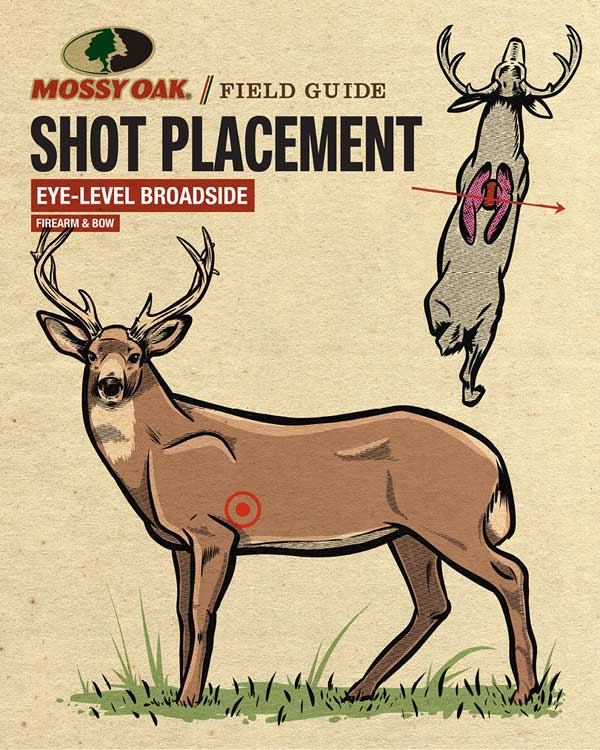
The most critical areas to aim for are the heart and lungs. These organs are located just behind the deer’s front shoulder. A well-placed shot here ensures a quick and humane kill, minimizing the animal’s suffering.
When aiming for the heart, you target a small, high-vitality zone. The lungs offer a larger target area, increasing your chances of hitting a vital organ even if your shot isn’t perfect. Both areas are ideal for ensuring the deer goes down quickly.
Consider the angle of your shot. A broadside shot, where the deer is perpendicular to you, offers the best opportunity to hit these vital organs. Quartering shots, where the deer is at an angle, require more precision but can be just as effective if you know where to aim.
Deer Physiology And Shot Impact
Understanding how a deer’s body reacts to a shot is essential. When hit in the vital organs, the deer usually drops within 50 to 100 yards. This reduces the chances of losing the animal and ensures a swift end.
Shots that miss the vital organs can result in a long, painful death for the deer. For example, a shot to the abdomen can cause the deer to suffer for hours or even days. It’s important to avoid such placements to maintain ethical hunting practices.
Remember, your goal is a quick, humane kill. Practicing your aim and understanding deer anatomy will improve your chances of making an ethical shot. Have you ever experienced the frustration of losing a deer because of a poorly placed shot? Knowing where to aim can prevent such outcomes.
By focusing on these critical areas and understanding the deer’s physiology, you ensure a more successful and ethical hunting experience. Always aim for the heart and lungs, and consider the angle of your shot to maximize your chances of a humane kill.
Preferred Shot Placement
Preferred shot placement is vital for ethical and successful deer hunting. Knowing where to aim ensures a quick, humane kill. This helps in minimizing the suffering of the animal and preserves more meat. Two main shot placements are highly effective: the heart-lung zone and the high shoulder shot.
Heart-lung Zone Targeting
The heart-lung zone is a popular target area. This zone is located just behind the front shoulder. It contains vital organs like the heart and lungs. A shot to this area ensures a quick kill. The deer will usually drop within a short distance. This placement reduces the chances of wounding the deer. Aiming here is ideal for both rifle and bow hunters. It provides a large target area, increasing the likelihood of a successful hit.
High Shoulder Shots
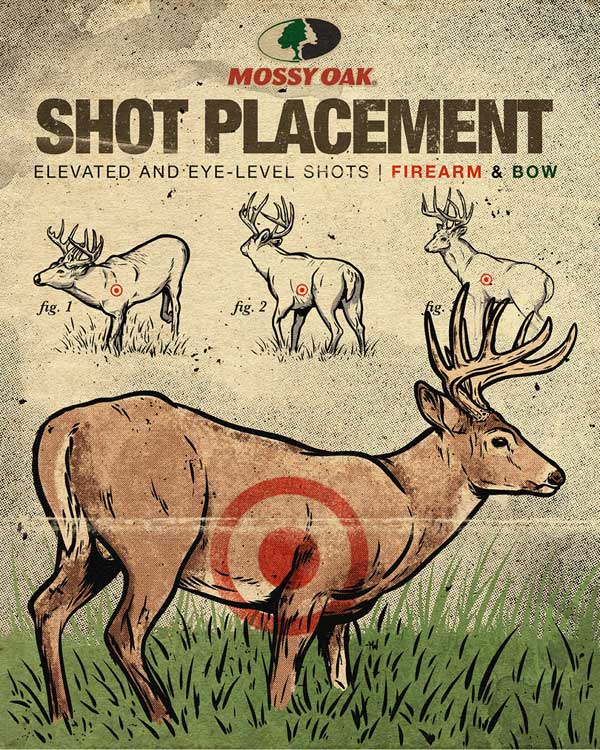
High shoulder shots are another effective option. This shot placement targets the spine and high shoulder area. It can drop the deer instantly. This shot disrupts the central nervous system. It also immobilizes the deer immediately. The high shoulder shot is more challenging. It requires precise aim and control. But it is highly effective for a clean, ethical kill.
Credit: www.mossyoak.com
Equipment Considerations
Choosing the right equipment is vital for a successful hunt. The type of gear impacts your shot placement and overall effectiveness. Understanding your options can enhance your experience in the field.
Bow Versus Gun
Deciding between a bow and a gun is a key choice. Both have unique benefits and challenges. Bows offer a quieter approach, which can be helpful in dense woods. They require skill and practice for accuracy.
Guns provide power and range. They are effective for longer distances. Some hunters prefer guns for their simplicity and speed. Understand your comfort level with each option before making a decision.
Ammunition And Broadhead Selection
Choosing the right ammunition is essential. For guns, select rounds that suit your target. Caliber and bullet type affect performance. Make sure your ammunition matches the game size.
Broadheads are critical for bow hunters. Fixed or mechanical broadheads each have advantages. Fixed broadheads are reliable and easy to tune. Mechanical broadheads offer larger cutting surfaces. Test different types to find what works best for you.
Always practice with your chosen equipment. Regular practice builds confidence and improves accuracy. The right gear combined with skill leads to a successful hunt.
Shooting Angles And Strategies
Understanding shooting angles is key for successful deer hunting. Different angles can affect your shot placement. Knowing where to aim increases your chances of a clean, humane kill. Here are some common shooting angles and strategies to consider.
Broadside Shots
The broadside shot is one of the best options. It offers a clear view of the deer’s vital organs. Aim for the heart-lung area, located just behind the front shoulder. This area provides a higher chance of a quick kill. Make sure you have a steady stance. Wait for the deer to present this angle before taking your shot.
Quartering Shots
Quartering shots occur when the deer is angled towards or away from you. These shots require careful aim. If the deer is quartering towards you, aim for the opposite shoulder. This ensures your arrow or bullet penetrates vital organs. For quartering away, aim behind the last rib. This shot can still reach the heart and lungs.
Uphill And Downhill Angles
Shooting uphill or downhill changes your point of aim. Uphill shots may require you to aim lower. This is because the angle affects the bullet’s path. Downhill shots often need you to aim higher. Always consider the distance and the terrain. These factors influence how your shot will travel.
After The Shot
Knowing where to shoot a deer is crucial for a successful hunt. Aim for the heart-lung area, located just behind the front shoulder. This placement ensures a quick, humane kill while preserving the meat. Understanding deer anatomy helps improve shot accuracy and effectiveness in the field.
After making the shot, the excitement can be overwhelming. However, the moments that follow are crucial for a successful hunt. Knowing how to handle the aftermath can make all the difference in your experience and the quality of the game meat.Tracking The Deer
Tracking a deer after the shot is an essential skill every hunter should master. First, take a moment to observe the deer’s behavior immediately after the shot. Did it run off quickly, or did it seem to stumble?Look for blood on the ground. The color and consistency of the blood can offer clues about where you hit the deer. Bright red blood with bubbles indicates a lung shot, while darker blood suggests a liver hit.Use your instincts here. If you’re unsure about the hit, consider waiting for a while before tracking. This allows the deer to settle down, making it easier to follow its trail later.Timing For Field Dressing
Timing is everything when it comes to field dressing your deer. Ideally, you should dress the deer as soon as possible after the shot to preserve the meat quality.If the weather is warm, aim to do this within an hour. A delay can lead to bacteria growth, affecting both taste and safety.While you’re dressing the deer, keep your workspace clean. Avoid contaminating the meat with dirt or hair. A clean field dressing process not only ensures better meat quality but also makes the task easier and more efficient.How do you approach the aftercare of your hunt? Understanding these steps can greatly enhance your hunting experience and the quality of your harvest.Practicing Shot Placement
Practicing shot placement is crucial for successful deer hunting. Aim for the heart-lung area, just behind the front shoulder. This spot ensures a quick, humane kill while reducing meat damage. Understanding deer anatomy helps improve your accuracy and effectiveness in the field.
Practicing shot placement is crucial for every hunter aiming to improve their skills. Understanding where to shoot a deer can make the difference between a clean, humane kill and a long, difficult tracking job. By honing your shot placement, you not only increase your chances of a successful hunt but also ensure ethical hunting practices.Target Practice Tips
Effective target practice is essential for mastering shot placement. Start by using a quality target that mimics the anatomy of a deer.– Set realistic distances: Practice at various ranges. Start close, then gradually increase the distance to simulate real hunting scenarios.– Focus on specific zones: Aim for the heart-lung area, located just behind the front shoulder. This is your primary target for a quick, ethical kill.– Adjust your stance: Practice from different positions—standing, kneeling, or prone. This will help you adapt to various shooting situations you might encounter in the field.Reflect on your experiences. I remember the first time I missed a deer because I was too anxious. After focusing on my breathing and stance, my accuracy improved drastically.Using Shot Placement Simulators
Shot placement simulators can be a game-changer in your practice routine. These tools offer a realistic experience without the need for live targets.– Choose the right simulator: Look for simulators that provide detailed anatomical feedback. Some even simulate different angles and distances to challenge your skills.– Analyze your shots: Use the feedback to understand where you hit and how to adjust your aim. This will help you identify any bad habits that need correcting.– Incorporate technology: Many apps and online tools can assist you in visualizing shot placement and practicing virtually.Have you ever used a simulator? They can provide insights you might overlook during traditional practice. The key is to combine both methods for the best results.Practicing shot placement not only enhances your shooting skills but also deepens your understanding of deer anatomy. This knowledge is vital for making ethical and effective shots in the field.Legal And Ethical Considerations
Understanding legal and ethical considerations is crucial when deciding where to shoot a deer. Hunters must follow local laws and regulations to ensure responsible hunting practices. Respect for wildlife and ethical shot placement also contribute to a humane hunting experience, minimizing suffering and promoting conservation efforts.
When hunting deer, legal and ethical considerations should be at the forefront of your mind. Understanding the laws that govern hunting in your area is crucial. It’s not just about following regulations; it’s about being a responsible hunter who respects wildlife and their habitats. Your actions can have lasting impacts on the environment and the hunting community.Hunting Regulations
Each state has its own set of hunting regulations that you must familiarize yourself with. These rules include season dates, permissible hunting methods, and licensing requirements.– Check Local Laws: Always review your local hunting laws before heading out. Websites or local wildlife agencies can provide the most accurate information.– Understand Tags and Licenses: Ensure you have the appropriate tags for the deer species you plan to hunt. Hunting without a proper license is not only illegal but also undermines conservation efforts.– Respect Boundaries: Always know where you can and cannot hunt. Trespassing on private property can lead to legal issues and damage relationships with landowners.Following these regulations helps maintain a healthy deer population and supports the integrity of hunting as a sport.Responsible Hunting Practices
Responsible hunting goes beyond legal compliance; it involves ethical decision-making in the field. Think about the impact of your shot placement on the animal and the environment.– Aim for a Quick, Humane Kill: Always strive for the most humane shot to minimize suffering. The heart-lung area is typically the best target for a quick kill.– Leave No Trace: After your hunt, clean up all equipment and debris. This ensures that the environment remains unspoiled for future hunters and wildlife.– Educate Yourself: Continually learn about deer behavior, habitats, and ethical hunting practices. The more you know, the better choices you can make in the field.Have you ever been in a situation where you had to make a quick decision while hunting? Reflecting on those moments can help you understand the importance of preparation and ethics in hunting.Being a responsible hunter means considering the broader implications of your actions. It’s about preserving the sport for future generations while ensuring the well-being of wildlife. The choices you make today affect not just your experience, but the future of hunting as a whole.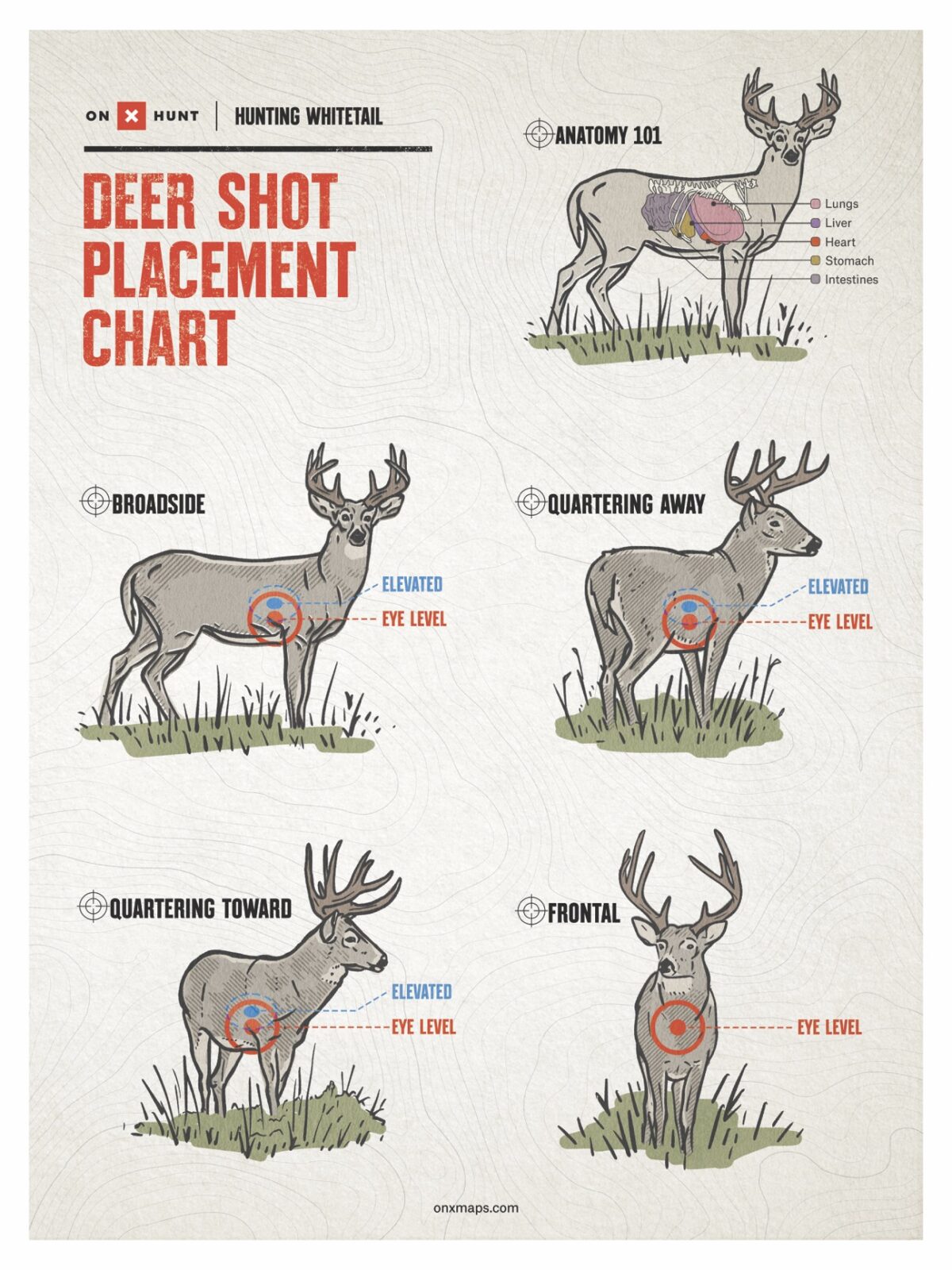
Credit: www.onxmaps.com
Frequently Asked Questions
Where Is The Best Place To Shoot A Deer?
The best place to shoot a deer is in the heart-lung area. Aim just behind the front shoulder for a quick and humane kill. This shot minimizes meat damage and ensures a high chance of a successful harvest. Always practice ethical hunting techniques.
What Is The 7 Day Rule For Deer?
The 7-day rule for deer hunting suggests that after a deer is shot, hunters should wait at least seven days before returning to the same area. This allows deer to return to their normal patterns and reduces the chance of spooking them away.
Patience enhances future hunting success.
Why Do You Wait 30 Minutes After Shooting A Deer?
Waiting 30 minutes ensures the deer has time to expire, reducing the risk of it fleeing and making tracking difficult.
How Far Will A Deer Run With A Lung Shot?
A deer shot in the lungs typically runs 100 to 300 yards before succumbing. The distance varies based on factors like shot placement, deer health, and terrain. Tracking the deer promptly helps ensure a successful recovery.
Conclusion
Choosing the right spot to shoot a deer is crucial. Aim for the heart-lung area for a quick, humane kill. This method also helps preserve the meat. Understand different angles and shot placements to increase your chances. Practice makes perfect.
Always prioritize safety and ethics while hunting. With the right knowledge, you can become a more effective hunter. Happy hunting, and enjoy your time in nature.
As an Amazon Associate, I earn from Qualifying Purchases.