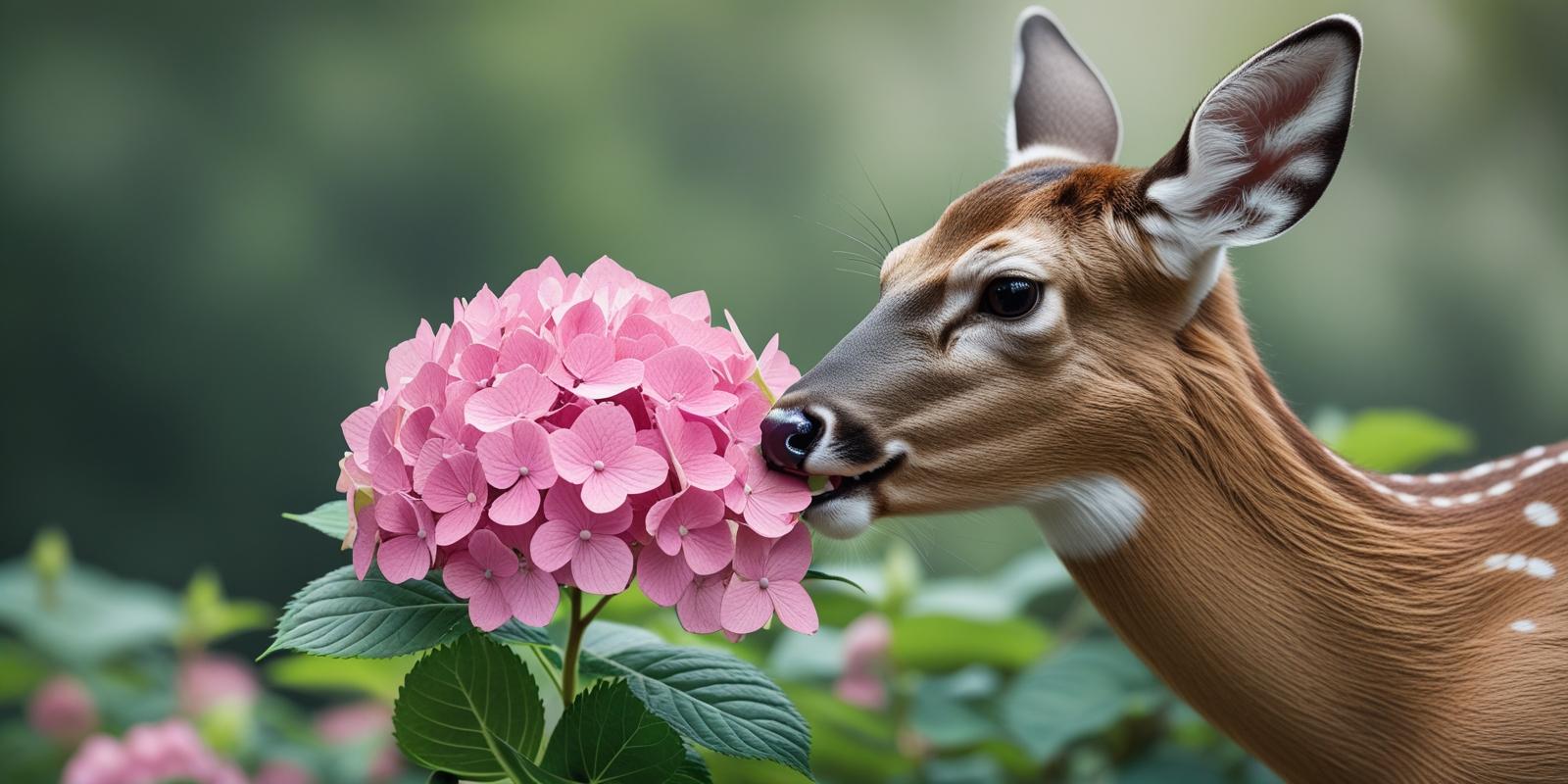
Yes, deer do eat hydrangeas. They are particularly drawn to the soft leaves and tender shoots.
Hydrangeas are often a favorite snack for deer, especially in spring when the plants are lush and full of new growth. If you’re a gardener, you may worry about deer munching on your beautiful hydrangeas. These vibrant flowers can brighten any landscape, but they can also attract hungry deer.
Understanding deer feeding habits can help you protect your plants. Many gardeners face challenges with deer in their yards. Learning what plants deer prefer can guide your choices for a more resilient garden. In this post, we will explore the relationship between deer and hydrangeas. You will discover how to safeguard your hydrangeas from these foraging visitors.
:strip_icc()/BHG-blooming-hydrangeas-101986161-52ebe6735f3940cfb5d0a8cdf46341e5.jpg)
Credit: www.bhg.com
Deer And Hydrangeas: The Feasting Facts
Understanding the relationship between deer and hydrangeas can help you protect your garden. If you’re a hydrangea enthusiast, you may wonder if these beautiful blooms are on a deer’s menu. Let’s dive into some fascinating facts about this topic.
Deer’s Attraction To Hydrangeas
Deer are drawn to hydrangeas for several reasons. They find the tender new growth irresistible, especially in spring when plants begin to flourish.
Hydrangeas contain high moisture levels and easily digestible leaves, stems, and flowers. This combination makes them a delectable snack for deer.
Have you noticed deer munching on your hydrangeas? You’re not alone. Many gardeners face this frustrating challenge.
Oakleaf Hydrangeas: A Deer Delicacy?
Oakleaf hydrangeas, in particular, seem to be a favorite among deer. These plants are especially vulnerable during their blooming period in mid-spring.
The unique shape and texture of oakleaf hydrangeas appeal to deer, making them an easy target. If you have these in your garden, extra precautions may be necessary to keep them safe.
Have you tried any specific strategies to protect your hydrangeas? Sharing your experiences could help others facing the same issue.
Garden Defense Strategies
Protecting your hydrangeas from deer is essential. These beautiful plants attract deer easily. Implementing effective defense strategies can help keep them safe. Here are two popular methods to deter deer.
Netting: The First Line Of Defense
Netting serves as a great barrier against deer. Drape deer netting over your hydrangeas. Make sure it is securely fastened. This prevents deer from getting underneath. Ensure the netting is high enough to cover the plants. Regularly check for any damage or gaps.
Using netting allows sunlight and rain to reach the plants. It does not harm the hydrangeas. This method is simple and effective for many gardeners. Choose a durable netting material for the best results.
Chicken Wire Tactics
Chicken wire is another effective strategy. Lay down chicken wire flat on the ground. Deer have difficulty walking over the mesh. This can keep them away from your precious hydrangeas.
Secure the edges of the chicken wire to the ground. This will prevent deer from lifting it. Chicken wire is a cost-effective option. It can protect your garden without much effort.
Repellents: Chemical And Natural Options
Deer can be a nuisance for gardeners. They often find hydrangeas tasty. Protecting these beautiful plants is important. Repellents can help keep deer away. There are chemical options available. Natural remedies can also be effective. Understanding both can guide your choices.
Commercial Repellents: Pros And Cons
Commercial deer repellents are easy to use. They come in sprays or granules. Many contain ingredients that smell bad to deer. These products can be quite effective. However, they can have downsides.
Some commercial repellents may contain chemicals. These can harm beneficial insects. They might also wash away with rain. Frequent reapplication may be necessary. This can add to the cost. Always read labels to ensure safety.
Diy Repellents: Homemade Solutions
Creating your own deer repellent can be simple. Many common kitchen items work well. Hot sauce, garlic, and vinegar are popular choices. Mix these with water in a spray bottle.
Another option is to use coffee grounds. Spread them around your hydrangeas. The strong smell can deter deer. You can also try a mixture of milk and dish soap. This blend can be sprayed on plants.
These homemade solutions are often safe for gardens. They also save money. Regular application may be needed for best results.
Credit: www.finegardening.com
Technology Meets Nature: Motion-activated Deterrence
When it comes to protecting your hydrangeas from hungry deer, technology offers innovative solutions. Motion-activated deterrents have emerged as an effective and efficient way to keep these beautiful blooms safe. With their ability to blend technology and nature, these tools provide a proactive approach to warding off unwanted wildlife.
How Motion-activated Sprinklers Work
Motion-activated sprinklers serve as a clever defense against deer. These devices detect movement in your garden and release a burst of water to startle any approaching animals. The sudden spray not only surprises the deer but also creates an unwelcoming environment.
Setting them up is straightforward. You simply connect the sprinkler to a water source and position it where deer tend to roam. Once activated, the motion sensor triggers the water flow, ensuring your hydrangeas remain untouched.
Many users find that deer quickly learn to associate the area with discomfort. In my own garden, I noticed a significant drop in deer visits after just a week of using a motion-activated sprinkler. The combination of water and noise effectively discourages them from returning.
These devices are not just limited to deer. They can also help deter other animals that may be drawn to your garden. Have you experienced issues with different wildlife? Motion-activated sprinklers might just be the solution you need!
Besides being effective, they are also environmentally friendly. By avoiding chemical repellents, you protect both your plants and the surrounding ecosystem. Consider adding motion-activated sprinklers to your garden protection strategy; it could make all the difference for your hydrangeas.
Companion Planting For Deer Resistance
Deer are known to eat hydrangeas, especially the tender new growth and flowers. To protect these beautiful plants, companion planting can help. Surround hydrangeas with deer-resistant plants like lavender or rosemary to create a natural barrier against deer.
Companion planting can be a strategic method to protect your hydrangeas from deer. By selecting the right combination of plants, you can create a natural deterrent that keeps these hungry visitors at bay. This approach not only helps to safeguard your beloved hydrangeas but also enhances the overall beauty of your garden.Choosing Deer-resistant Plants
Start by adding plants that deer tend to avoid. Consider options like lavender, rosemary, or marigolds. These plants not only repel deer but also add delightful aromas and colors to your garden.Planting these alongside your hydrangeas can confuse deer. They often choose easier meals over the more aromatic plants. Think of it as creating a protective layer around your hydrangeas.Have you ever noticed how deer seem to have a preference for certain plants? By using this knowledge, you can design your garden layout effectively.Unfavorable Flavors: Plants Deer Dislike
Certain plants are known for their strong scents and flavors that deer typically avoid. Here are some options you can consider:- Thyme: This herb’s robust aroma makes it unappealing to deer.
- Foxglove: Deer generally steer clear of this beautiful yet toxic plant.
- Mint: The strong scent is a natural deterrent.
- Salvia: This plant has a flavor and aroma that deer dislike.
Strategic Garden Layout
Creating a garden layout that deters deer while showcasing your hydrangeas is essential. Strategic placement of plants can keep these beautiful blooms safe from hungry wildlife. Thoughtful planning not only protects your plants but also enhances your garden’s aesthetic appeal.
Plant Location Tips
Choosing the right location for your hydrangeas can make a significant difference. Position them near your home or other structures where deer are less likely to venture. Consider planting them close to busy areas, like patios or walkways, to make deer feel uncomfortable.
Group your hydrangeas with deer-resistant plants. Strong-scented herbs like rosemary or lavender can deter deer from approaching. This natural combination not only protects your hydrangeas but also adds variety and fragrance to your garden.
Using Mulch As A Deterrent
Mulch serves multiple purposes in your garden, including moisture retention and weed suppression. However, it can also help keep deer at bay. A thick layer of mulch around your hydrangeas can create an uninviting environment for deer.
Choose mulch with strong scents, such as cedar or pine. These natural fragrances can deter deer while providing a beautiful backdrop for your hydrangeas. Plus, mulch can improve soil health, giving your plants the nutrients they need to thrive.
Have you noticed that deer tend to avoid certain areas of your garden? Experiment with different layouts and mulch types to find the perfect combination that protects your hydrangeas while still looking great. Your garden can be both a sanctuary for plants and a deterrent for deer.
Seasonal Protection Measures
Protecting hydrangeas from deer is crucial. Seasonal changes can affect deer behavior. Implementing the right measures can keep your plants safe. Let’s explore effective strategies for winter protection.
Winter Strategies: Burlap And Frost Covers
Winter brings unique challenges for hydrangeas. Deer often seek food in colder months. Using burlap and frost covers can help protect your plants.
Burlap acts as a barrier. It hides the plants from hungry deer. Wrap your hydrangeas in burlap securely. This method reduces visibility and deters browsing.
Frost covers also provide protection. They shield your plants from harsh winter elements. These covers help maintain warmth and moisture. They keep the plants healthy through cold spells.
Both burlap and frost covers are easy to use. They are affordable and effective. Regular checks ensure your plants stay safe. Remove the covers in spring to let new growth thrive.

Credit: www.finegardening.com
Choosing Deer-resistant Hydrangeas
Choosing hydrangeas that deer avoid can save your garden. Some hydrangea varieties are less appealing to deer. Selecting the right types helps keep your plants safe. Understanding the differences between hydrangea types is essential. Some are naturally more resistant to deer than others.
Bracted Vs. Climbing Hydrangeas
Bracted hydrangeas, like the Smooth Hydrangea, are lovely but can attract deer. They have large, showy blooms that deer may find enticing. Climbing hydrangeas, on the other hand, have a different appeal. Their foliage is tougher and less palatable. Deer often skip climbing hydrangeas due to their texture.
Plant climbing hydrangeas on fences or walls. This keeps them out of reach. The height and climbing nature discourage deer from nibbling. These hydrangeas can create beautiful vertical gardens while staying safe.
Panicle Hydrangeas And Their Advantages
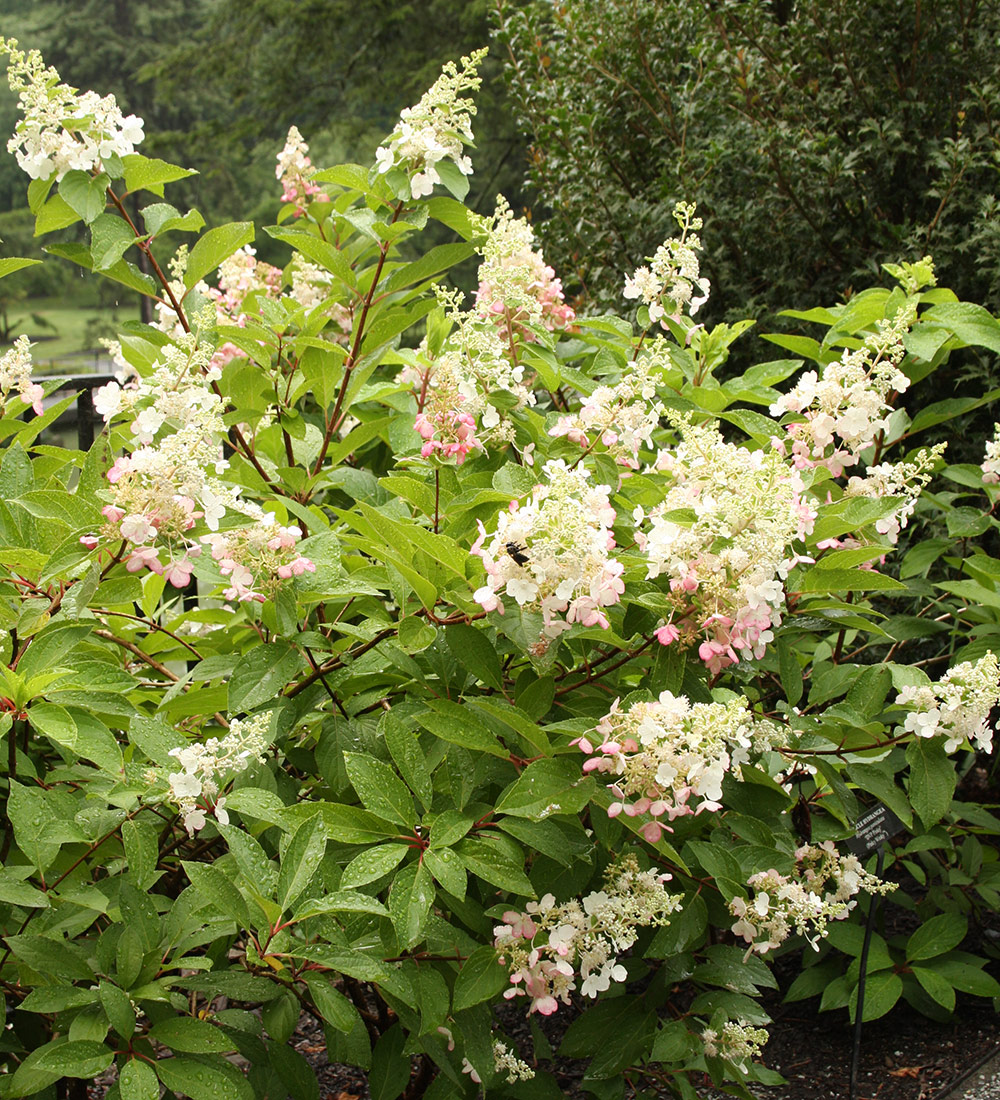
Panicle hydrangeas, such as Limelight and Little Lime, are excellent choices. They have sturdy flowers and are less attractive to deer. Their blooms are large and vibrant, adding beauty to any garden. Panicle hydrangeas thrive in sunny spots and tolerate various soil types.
This type can grow tall, providing shade and privacy. Their resistance to deer makes them a smart choice. Enjoy their lovely flowers without worrying about deer damage. Plant panicle hydrangeas for a stunning and resilient landscape.
Creating A Deer-proof Garden Blueprint
Designing a garden that deer avoid can be a challenge. Hydrangeas are beautiful but tasty for deer. Understanding how to protect these plants is key. A solid plan will help keep deer at bay.
Use a mix of smart design and physical barriers. This will create an environment that is less appealing to deer. Let’s explore how to design with deer in mind.
Designing With Deer In Mind
Choose plants that deer dislike. Some options include lavender, rosemary, and marigolds. Group these plants around your hydrangeas. This can confuse and deter deer.
Place hydrangeas closer to your home. This can discourage deer from coming near. Adding more height can help too. Raised beds or planters can make it harder for deer to reach.
Incorporating Physical Barriers
Physical barriers are effective in keeping deer away. Fencing is a popular choice. A fence should be at least eight feet high. This height prevents deer from jumping over.
Consider using deer netting. Drape it over your hydrangeas securely. Ensure it is fastened to the ground. This will stop deer from pushing through.
Another option is chicken wire. Lay it on the ground around plants. Deer often avoid walking over mesh surfaces. Motion-activated sprinklers can also surprise deer. The sudden water spray will scare them off.
Beyond The Garden: Reducing Deer Attraction
Deer are known to eat hydrangeas, particularly drawn to their tender leaves and flowers. This can be a concern for gardeners. Strategies to reduce deer attraction include using barriers, planting deer-resistant varieties, and applying repellents. Keeping hydrangeas close to homes may also help deter them.
Reducing deer attraction is crucial for maintaining the beauty of your garden, especially if you have hydrangeas. These elegant flowers are a favorite snack for deer, and you might find them nibbled down to the ground if you’re not careful. By taking proactive steps, you can enjoy your garden while keeping these grazers at bay.Alternative Feeding Options For Deer
You may not realize it, but deer have preferences just like us. Instead of hydrangeas, consider providing alternative feeding options that can satisfy their cravings without affecting your garden.– Native Plants: Planting native species can keep deer occupied. They are often more attracted to these plants than to your hydrangeas. – Supplemental Feed: If you’re in an area where deer are abundant, providing supplemental feed can draw their attention away from your prized flowers. Consider placing feed in a designated area far from your hydrangeas.– Deer-Friendly Gardens: Create a designated deer-friendly zone with plants that they love, such as clover or alfalfa. This way, you’re steering them away from the plants you want to protect.Have you ever noticed how quickly deer can clear out a garden? Keeping them engaged elsewhere can save your hydrangeas and keep your landscape thriving.Landscaping To Divert Deer Traffic
Landscaping plays a significant role in managing deer visits. By designing your outdoor space wisely, you can make it less inviting for these creatures.– Plant Barriers: Utilize deer-resistant plants like lavender or marigolds around your hydrangeas. Their strong scents can deter deer from venturing closer.– Strategic Plant Placement: Position hydrangeas near your home or other structures. Deer typically avoid areas with more human activity.– Fencing Options: Installing a fence can be an effective way to keep deer out. A tall fence, ideally at least 8 feet high, can be a strong deterrent.Have you ever considered how the layout of your garden might influence deer behavior? Small changes in plant placement and barriers can lead to significant results in keeping deer away from your favorite blooms.Taking these steps can help you enjoy a beautiful garden without the fear of deer munching on your hydrangeas. What strategies will you try first to reduce deer attraction in your landscape?Frequently Asked Questions
How Do I Keep Deer From Eating My Hydrangeas?
To keep deer from eating your hydrangeas, use deer netting or chicken wire. Apply commercial or DIY repellents made from strong-smelling ingredients. Consider planting deer-resistant plants nearby and use motion-activated sprinklers. Plant hydrangeas close to your home for added protection.
What Is The Most Deer-resistant Flower?
The most deer-resistant flowers include lavender, marigolds, and daffodils. Their strong scents and unappealing tastes deter deer, making them ideal for gardens in deer-prone areas. Consider incorporating these flowers to enhance your landscape while minimizing deer damage.
What Hydrangea Is Most Deer Resistant?
The most deer-resistant hydrangea is the ‘PeeGee’ or Panicle Hydrangea (Hydrangea paniculata). Its tough leaves and less appealing taste deter deer, making it a popular choice for gardens.
Where Should You Not Plant Hydrangeas?
Avoid planting hydrangeas in areas with full sun exposure or extreme heat. Steer clear of locations with poor drainage or heavy clay soil. Do not plant near competing roots from trees or shrubs. Avoid windy spots that can damage blooms.
Lastly, steer clear of areas prone to frost or extreme cold.
Conclusion
Deer do eat hydrangeas, especially the tender new growth. Protecting your hydrangeas is essential if deer frequent your area. Various methods, like netting and using repellents, can help. Consider planting deer-resistant varieties or surrounding them with less appealing plants. Keeping your hydrangeas near your home can also deter deer.
With the right strategies, you can enjoy beautiful blooms without the worry of deer damage. Stay proactive and keep your garden thriving despite these hungry visitors.
As an Amazon Associate, I earn from Qualifying Purchases.