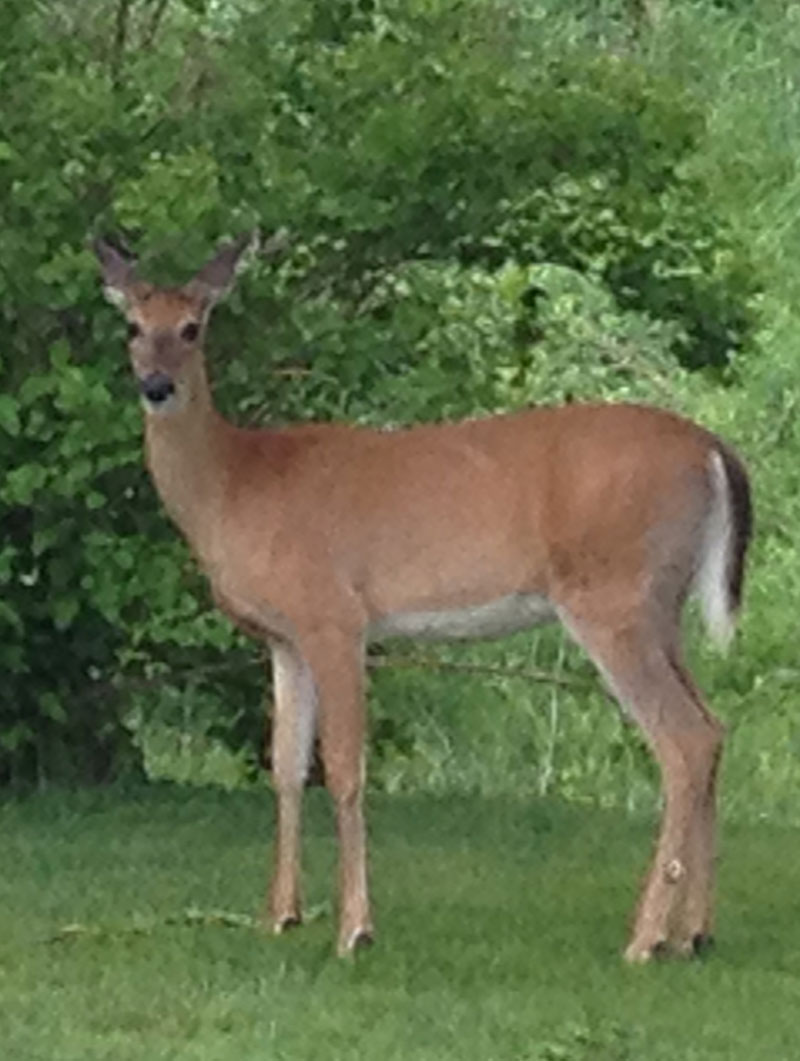
A typical adult deer weighs between 90 and 1,200 pounds, depending on species and sex.
I’ve studied and handled deer for years, and I’ll walk you through how much a deer weighs for different species, ages, and conditions. This guide on How Much Does a Deer Weigh explains common weight ranges, how to estimate live and dressed weight, and simple field rules hunters and wildlife stewards can use. You’ll get clear examples, real-world tips from my time in the field, and practical steps to estimate weight accurately for meat yield, transport, and management. Read on to learn precise, usable answers about How Much Does a Deer Weigh and why those numbers matter.

Source: archerytalk.com
Average weight by species
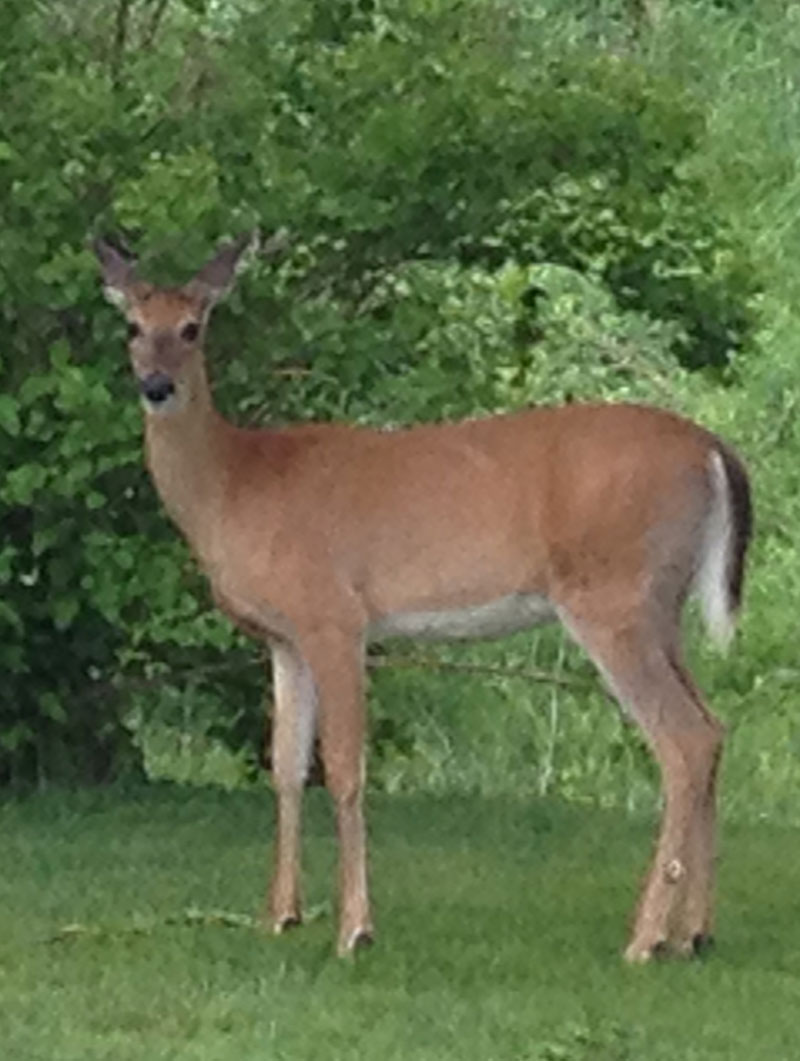
Deer species vary a lot in size, so knowing the species is key when asking How Much Does a Deer Weigh. White-tailed deer are common in North America. Adult bucks generally weigh between 150 and 300 pounds. Adult does usually fall between 90 and 200 pounds.
- Mule deer bucks often weigh 130 to 300 pounds. Mule deer does commonly weigh 100 to 200 pounds.
- Elk are much larger than typical deer. Bulls often weigh 700 to 1,100 pounds and cows 500 to 700 pounds.
- Red deer (Eurasian) stags typically weigh 330 to 530 pounds. Hind weights often range 220 to 350 pounds.
- Fallow deer weigh about 60 to 200 pounds depending on sex and region.
- Roe deer are small, usually 33 to 77 pounds for adults.
- Moose are the largest members of the deer family. Bulls often weigh 800 to 1,600 pounds, and cows weigh 500 to 900 pounds.
Regional variation, habitat, and genetics change these numbers, so use these ranges as a starting point when you ask How Much Does a Deer Weigh.
Source: cosleyzoo.org
Factors that affect deer weight
Several clear factors answer why How Much Does a Deer Weigh can vary so widely. Age matters: fawns are light, yearlings grow quickly, and mature adults reach peak weight. Sex matters: males often weigh more than females. Season matters: deer typically lose weight in late winter and gain in late summer and fall.
- Nutrition and habitat quality influence average weight in an area. Better food equals heavier deer.
- Genetics set the potential size for a population. Some herds are naturally larger.
- Health, parasites, and disease reduce weight. A sick deer can weigh far less than a healthy peer.
Knowing these factors helps you judge whether a deer in your area is underweight or above average and helps explain How Much Does a Deer Weigh for specific cases.

Source: reddit.com
How to weigh a deer: methods and tips
Weighing accurately is the best way to answer How Much Does a Deer Weigh for a single animal. Use a hanging scale for field-dressed deer. Use a truck scale for whole, live animals when legal and available.
Recommended steps:
- Use a reliable hanging scale rated above expected weight. Secure the animal on the scale with straps or gambrel.
- For live deer, use a livestock scale or working chute when allowed. Get help for safety and less stress on the animal.
- Record the type of weight: live, field-dressed, or boned-out. Each gives different numbers for How Much Does a Deer Weigh.
Always follow local rules on handling wildlife. Wear gloves and keep meat cool to protect your results and health.

Source: bigdeerblog.com
Estimating weight in the field: quick rules
When you can’t weigh a deer, simple estimates help answer How Much Does a Deer Weigh. Field-dressed weight is often 55% to 70% of live weight. A good rule: live weight ≈ dressed weight ÷ 0.65 (uses 65% as a middle value).
Examples:
- If a deer dresses at 130 pounds, estimated live weight is about 200 pounds (130 ÷ 0.65 = 200).
- If carcass (boned-out meat) yields about 40% of live weight, a 200-pound live deer might give 80 pounds of meat after skinning, deboning, and trimming.
These are estimates. Season, gut fill, and how thoroughly you field-dress change percentages. When accuracy matters, weigh before and after dressing and track your local conversion rates.

Source: michigan-sportsman.com
Why knowing deer weight matters
Understanding How Much Does a Deer Weigh has real uses for hunters, managers, and processors. It helps predict meat yield and plan transport. Accurate weights inform tagging, reporting, and compliance with game laws.
Wildlife managers use weight trends to assess population health. Consistent low weights can signal poor habitat or disease. Hunters benefit by choosing appropriate gear and planning meat processing based on expected yields.

Source: deerlab.com
Personal experience and practical tips
I’ve measured dozens of deer during seasons of study and hunting. One lesson is clear: preparation makes weighing simple. Bring a rated scale, strong straps, and a notepad. We once mis-read a scale because we used the wrong strap angle. That mistake taught me to always check mounting points and use a helper.
Other tips I use:
- Weigh deer at a consistent stage, such as right after gutting, to compare year to year.
- Record location, age estimate, and antler points alongside weight.
- Photograph the setup for later verification if needed.
These small steps make your answers to How Much Does a Deer Weigh more reliable and useful for future planning.
Frequently Asked Questions of How Much Does a Deer Weigh
How much does a white-tailed deer weigh?
A mature white-tailed buck commonly weighs between 150 and 300 pounds. Does typically weigh between 90 and 200 pounds. Regional and seasonal factors change these ranges.
How much does a mule deer weigh?
Mule deer bucks usually weigh 130 to 300 pounds, while does often weigh 100 to 200 pounds. Mountain populations tend to be lighter than valley populations.
How can I estimate live weight from dressed weight?
Field-dressed weight is often about 55% to 70% of live weight. A practical estimate is live weight = dressed weight ÷ 0.65. This gives a quick ballpark for How Much Does a Deer Weigh.
How much meat will I get from a deer?
Boned-out meat yield is commonly 35% to 45% of live weight. A 200-pound live deer might yield roughly 70 to 90 pounds of trimmed meat. Fat cover, age, and processing choices affect the final amount.
Do bucks weigh more than does?
Yes, bucks generally weigh more than does, especially after antler growth and pre-rut fat gain. The difference grows with age and nutrition. Local conditions can narrow or widen that gap.
What is the heaviest deer species?
Moose are the largest members of the deer family. Mature bulls often weigh 800 to 1,600 pounds. That is far above typical deer sizes and skews general averages.
Conclusion
We covered How Much Does a Deer Weigh across species, seasons, and common field situations. Use species-specific ranges and the dressed-to-live conversion to estimate weights. Track your local data by weighing consistently for the most accurate results.
Takeaway: plan with data — bring a scale, record weights, and compare year to year to improve decisions about meat processing and wildlife management. If this guide helped, leave a comment with your local averages or subscribe to get more practical wildlife and hunting tips.
As an Amazon Associate, I earn from Qualifying Purchases.