
Are you eager to capture the beauty of wildlife through your lens? Choosing the right camera is the first step towards becoming a successful wildlife photographer.
Whether you’re watching birds in your backyard or exploring the great outdoors, the right equipment can make all the difference. This guide will help you navigate the world of wildlife photography cameras, specifically tailored for beginners like you. You’ll learn about different types of cameras, essential features to look for, and tips to enhance your photography skills.
Get ready to transform your passion for nature into stunning images that tell a story. Dive in and discover the best wildlife photography cameras that suit your needs!
Credit: africantravelcanvas.com
Essential Features For Beginners
Choosing the right wildlife photography camera is vital for beginners. Look for features like good autofocus, a sturdy build, and a zoom lens for capturing distant subjects. Lightweight options also help during long hours outdoors, making it easier to explore and learn.
When embarking on your journey into wildlife photography, choosing the right camera is crucial. As a beginner, it’s essential to focus on features that make capturing stunning images easier and more enjoyable. Here are some essential features you should consider when selecting your wildlife photography camera.
Ease Of Use
A user-friendly interface is vital for beginners. Look for cameras with intuitive menus and controls that allow for quick adjustments.
You don’t want to miss a fleeting moment trying to figure out your camera. Cameras with touchscreen displays often simplify this process, enabling you to tap and focus effortlessly.
If you’re new to photography, consider models with a good automatic mode. This can help you capture great shots while you learn about manual settings.
Durability In The Field
Wildlife photography often takes you into unpredictable environments. A durable camera can withstand various weather conditions, dirt, and occasional bumps.
Look for cameras with weather-sealing features. This will give you peace of mind while shooting in rain or dust.
I remember a day when I was photographing birds at a local park. My weather-sealed camera stayed safe while light rain began to fall, allowing me to continue capturing those beautiful moments.
Autofocus And Speed
Fast autofocus is essential when photographing wildlife. Animals can move quickly, and you need a camera that can keep up.
Choose a camera with a high number of autofocus points. This will help you track your subject more effectively, ensuring your shots are sharp.
Some cameras offer burst shooting modes, allowing you to take multiple shots in quick succession. This feature can be a game-changer when trying to capture that perfect action shot.
Zoom Capabilities
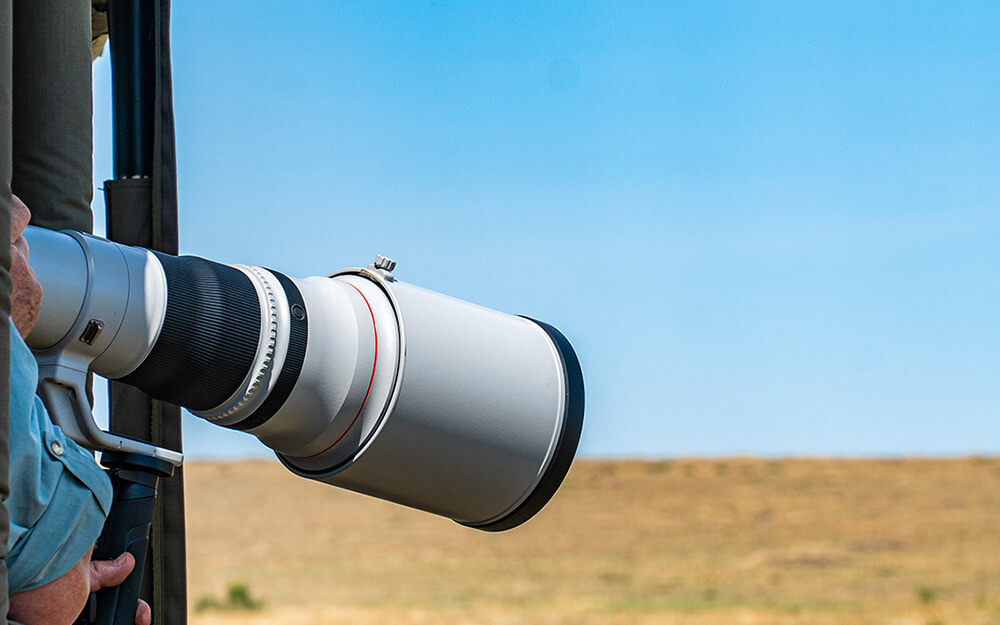
Wildlife photography often requires getting close to your subject without disturbing it. This is where zoom capabilities come in handy.
Look for cameras with a good zoom lens or those that allow you to swap lenses. A lens with a focal length of at least 200mm can help you capture stunning details from a distance.
In my experience, having a versatile zoom lens opened up opportunities to photograph wildlife without getting too close. It allowed me to capture intimate moments without disturbing the animals.
By focusing on these essential features, you’ll be well on your way to capturing breathtaking wildlife photographs. What features do you think will be most important for your photography journey?
Credit: photographylife.com
Budget-friendly Cameras
Wildlife photography doesn’t have to break the bank. Many budget-friendly cameras offer great features. These options help beginners capture stunning nature shots without spending too much. From compact cameras to DSLRs, there’s something for everyone.
Compact Cameras For Starters
Compact cameras are easy to carry and use. They fit in your pocket, making them great for hikes. Many compact models have decent zoom capabilities. This helps to capture wildlife from a distance. Look for cameras with good low-light performance. This feature is important for early mornings or late evenings.
Affordable Bridge Cameras
Bridge cameras sit between compact and DSLR models. They offer more control than compact cameras. These cameras often feature larger sensors and better zoom. This makes them ideal for wildlife photography. Many bridge cameras come with manual settings. This allows you to adjust exposure and focus easily.
Entry-level Dslrs
Entry-level DSLRs provide great image quality. They offer interchangeable lenses for more versatility. These cameras are perfect for beginners wanting to learn. Look for models with a user-friendly interface. This makes it easy to navigate settings. DSLRs also perform well in low light, essential for wildlife shoots.
Best Mirrorless Options
Choosing the best mirrorless camera for wildlife photography can be a game changer for beginners. These cameras offer a perfect blend of portability, performance, and advanced features. Let’s dive into the standout options that will help you capture stunning wildlife moments.
Lightweight Designs
One of the primary advantages of mirrorless cameras is their lightweight design. Unlike traditional DSLRs, mirrorless models lack a bulky mirror system, making them easier to carry during long hikes or while waiting for that perfect shot.
Lightweight cameras allow you to stay mobile, an essential factor in wildlife photography. You can easily maneuver through different terrains without the added weight pulling you down.
Consider models like the Sony Alpha a6000 or the Fujifilm X-T200, both of which are compact and user-friendly. Their design ensures you can focus on your subject rather than your equipment.
Top Picks Under $1,000
Finding a great mirrorless camera that fits your budget is entirely possible. Several excellent models are available for under $1,000.
- Canon EOS M50 Mark II: This camera offers versatility and great image quality, making it perfect for beginners.
- Nikon Z50: With a solid build and impressive performance, this camera is ideal for wildlife photography.
- Sony Alpha a6100: Known for its fast autofocus and vibrant image quality, it’s a great choice for capturing moving subjects.
Each of these options provides features that help you capture sharp, vibrant images without breaking the bank. Remember, investing in a quality lens is just as important as the camera body itself.
Advanced Autofocus Systems
In wildlife photography, having a reliable autofocus system can make all the difference. Advanced autofocus systems help you track moving animals and ensure your images are crisp and clear.
Look for cameras with features like real-time eye autofocus. This technology locks onto the eyes of your subject, making it easier to capture those fleeting moments.
The Sony Alpha a7 III is a fantastic example, boasting a fast and accurate autofocus system. This feature allows you to focus on composition, knowing your camera will handle the technical details.
What will you capture next? The right mirrorless camera can open up a world of possibilities in wildlife photography. Get ready to embark on your journey with the perfect gear!
Lens Recommendations
Choosing the right lens is crucial for wildlife photography. Beginners should consider lenses with a long focal length for capturing distant subjects. A good zoom lens will provide versatility and help you get stunning shots in various settings.
Lens Recommendations play a crucial role in wildlife photography. The right lens can transform your shots, capturing the beauty and details of wildlife in their natural habitats. Whether you’re aiming for a close-up of a bird in flight or a sweeping landscape, understanding your options will enhance your photography experience.
Telephoto Lenses For Wildlife
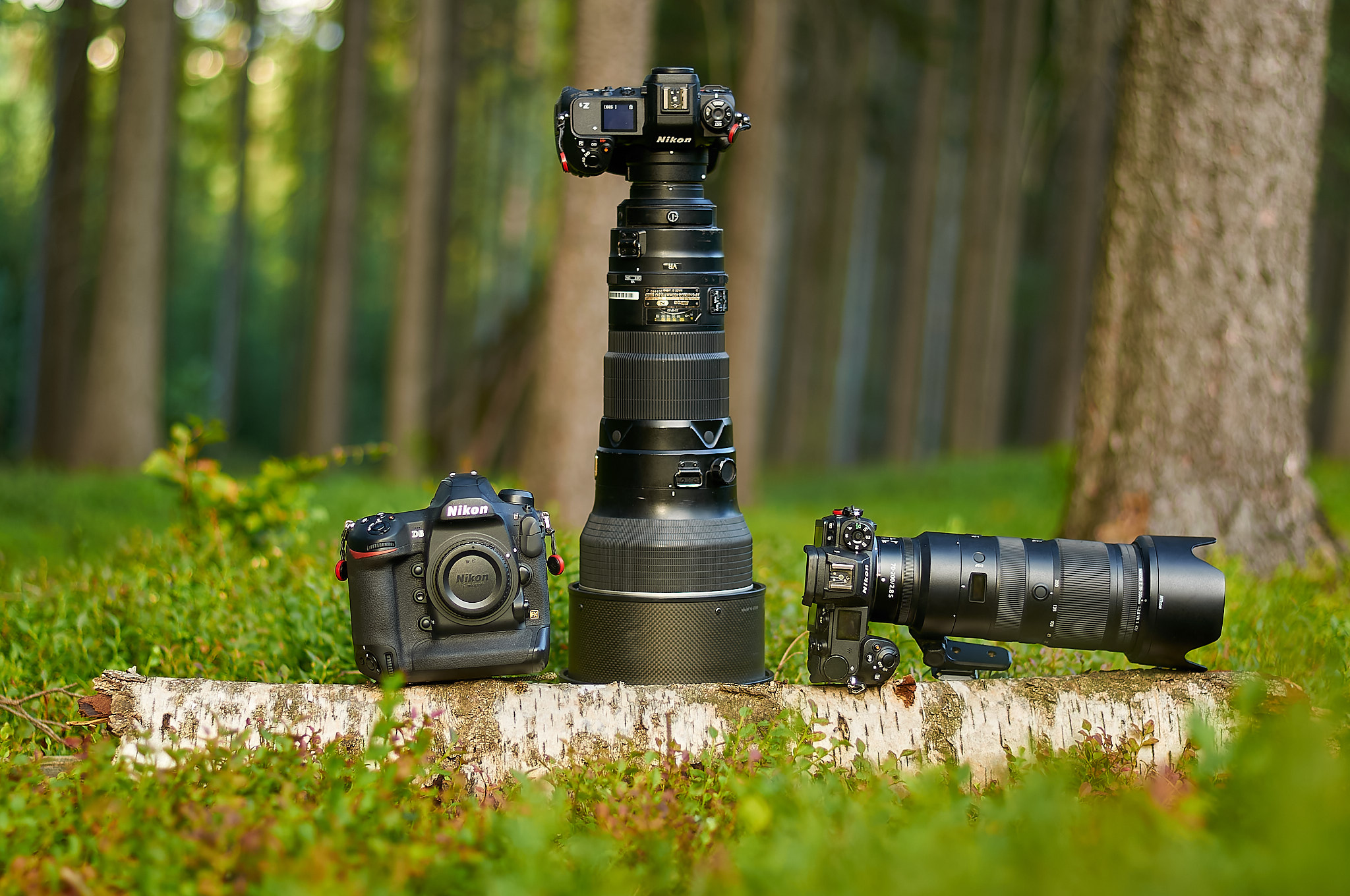
Telephoto lenses are a must-have for wildlife photography. They allow you to capture distant subjects without disturbing them. A good starting point is a 300mm lens, which offers a great balance between reach and portability.
Consider the Canon EF 70-300mm f/4-5.6 IS II USM or the Nikon AF-P DX NIKKOR 70-300mm f/4.5-6.3G ED. These lenses provide excellent image quality and are versatile for various wildlife scenes.
When I first ventured into wildlife photography, my 300mm lens helped me capture stunning shots of a hawk perched on a tree branch from a safe distance. Your choice of telephoto lens can make or break your chances of getting that perfect shot.
Wide-angle Lenses For Landscapes
Wide-angle lenses are essential for capturing the breathtaking landscapes that often accompany wildlife. These lenses allow you to include more of the scene in your frame, creating a sense of depth and context.
Look into options like the Canon EF-S 10-18mm f/4.5-5.6 IS STM or the Nikon AF-P DX NIKKOR 10-20mm f/4.5-5.6G VR. They are lightweight and offer excellent sharpness, making them perfect for both landscapes and environmental shots.
Remember the last time you were awed by a sunset? A wide-angle lens can help you capture that moment, showcasing the vibrant colors and the wildlife that inhabit those stunning settings.
Budget Lens Options
You don’t have to break the bank to get quality lenses for wildlife photography. Many budget-friendly options provide impressive results.
Consider the Sigma 150-600mm f/5-6.3 DG OS HSM for wildlife or the Tamron 18-200mm f/3.5-6.3 Di III VC for landscapes. Both lenses offer great performance without a hefty price tag.
Have you ever hesitated to invest in expensive gear? Starting with budget options can give you a taste of wildlife photography without overwhelming your finances. You might just find that these lenses meet your needs perfectly, allowing you to focus on honing your skills.
Camera Accessories For Wildlife Photography
Choosing the right camera accessories can elevate your wildlife photography experience significantly. While your camera is the star of the show, the right gear enhances your ability to capture stunning images. From stabilizing your shots to protecting your equipment, these accessories are essential for any beginner stepping into the wild world of photography.
Tripods For Stability
A sturdy tripod is a must-have for wildlife photography. It provides stability, especially when you’re using a long lens or shooting in low light. Personally, I found that a tripod allowed me to take sharper images of birds perched in trees, where even the slightest shake could ruin the shot.
Look for a tripod that is lightweight and portable. You’ll often find yourself trekking through various terrains, so a compact model is ideal. Consider one with adjustable legs and a quick-release plate for easy setup.
- Lightweight Material: Carbon fiber tripods are great for reducing weight.
- Height Adjustability: Make sure it can reach your desired height for different angles.
- Head Type: A ball head offers flexibility in movement.
Protective Gear For The Outdoors
Your camera gear deserves protection from the elements. Rain, dust, and accidental bumps can easily ruin your equipment. I learned this the hard way when I caught a downpour during a shoot without proper gear.
Invest in a weather-resistant camera bag or a rain cover for your camera. A good bag will also keep your accessories organized and easily accessible. Additionally, lens filters can shield your glass from scratches and dirt.
- Rain Covers: Lightweight and easy to pack.
- Lens Caps: Always use them when your camera is not in use.
- Camera Straps: A comfortable strap can prevent accidental drops.
Memory Cards And Storage
Wildlife photography often requires shooting in bursts to capture the perfect moment. This means you need ample storage. After a day of shooting, I once ran out of space right when a majestic eagle took flight, leaving me frustrated.
Invest in high-capacity, high-speed memory cards. Look for cards rated UHS-I or UHS-II for faster write speeds. Having multiple cards can also save you from losing precious shots due to a full card.
- Capacity: Choose cards with at least 64GB.
- Speed: Look for a write speed of 90MB/s or higher.
- Backup: Always carry extra cards to avoid losing images.
What accessories do you think would make the biggest difference in your wildlife photography adventures? Investing in the right tools can turn your experiences into stunning visual stories.
Credit: iso.500px.com
Tips For Choosing Your First Camera
Choosing your first wildlife photography camera can be exciting. Many options exist, but finding the right one matters. Consider your needs, budget, and future plans. Here are some tips to help you make a smart choice.
Setting A Realistic Budget
Start by deciding how much you can spend. Cameras vary greatly in price. You might find good options within a $500 to $1,500 range. Remember, investing in a quality camera is wise. It will last longer and perform better.
Consider additional costs too. Lenses, tripods, and accessories add up quickly. Ensure your budget covers everything you need for wildlife photography.
Considering Future Upgrades
Your first camera should grow with you. Choose a model that allows upgrades. Interchangeable lenses are a plus. This flexibility helps as your skills improve.
Research brands known for compatibility. Some systems offer a wide range of lenses and accessories. This investment pays off as you advance in your photography journey.
Testing Cameras Before Buying
Always test cameras before making a purchase. Visit local stores to handle different models. Pay attention to weight, grip, and ease of use.
Check the camera’s menu system. Is it user-friendly? You want a camera that feels comfortable in your hands. Take your time to explore various options. This step is crucial for finding the right fit.
Top Picks For 2025
Choosing the right camera for wildlife photography is essential for beginners. 2025 brings exciting options across various price ranges. Here are some top picks that suit different budgets.
Best Cameras Under $500
For those on a tight budget, several cameras offer great features. The Nikon Coolpix B500 is a solid choice. It has a 40x optical zoom, perfect for wildlife shots. Another good option is the Canon PowerShot SX540 HS. It combines a powerful zoom with easy controls.
These cameras provide good image quality. They are lightweight and portable. Perfect for beginners venturing into wildlife photography.
Mid-range Options For Enthusiasts
Mid-range cameras offer more features for serious beginners. The Canon EOS Rebel T8i is a fantastic choice. It provides excellent autofocus and image quality. Another great option is the Nikon D5600. Its touchscreen and wireless connectivity make it user-friendly.
These cameras support interchangeable lenses. This allows for greater creativity in photography. They strike a balance between quality and affordability.
Premium Choices For Serious Beginners
Serious beginners may consider premium options. The Sony Alpha a6400 is one of the best mirrorless cameras. It has fast autofocus and great low-light performance. The Fujifilm X-T30 is another top choice. It offers stunning color reproduction and classic styling.
These cameras excel in performance and versatility. They are ideal for those wanting to invest in their photography journey.
Where To Buy
Explore local retailers like Best Buy and Walmart for wildlife photography cameras suitable for beginners. Online options include Amazon and eBay, often featuring competitive prices and free delivery. Check out various models to find the perfect fit for your photography journey.
When you’re ready to dive into wildlife photography, knowing where to buy your gear is crucial. The right camera can make a significant difference in capturing those stunning moments in nature. Whether you prefer the convenience of online shopping, want to support local businesses, or are on the hunt for a great secondhand deal, there are plenty of options available.
Online Retailers With Deals
Shopping online is a fantastic way to find the best deals on wildlife photography cameras. Websites like Amazon, B&H Photo Video, and Adorama often have sales that can save you a significant amount.
– Amazon frequently offers discounts, especially during special events like Prime Day.
– B&H Photo Video provides an extensive selection and sometimes bundles cameras with lenses at a lower price.
– Adorama has a price matching policy, so if you find a better deal elsewhere, they may match it.
Don’t forget to sign up for newsletters from these retailers. You can receive alerts on flash sales and exclusive discounts tailored to your interests.
Local Stores Near You
Visiting local stores can be an enriching experience. You get to touch and feel the camera before making a decision. Stores like Best Buy and specialty camera shops often have knowledgeable staff ready to assist you.
– Check out your local camera shop. They might host workshops that can help you get started with your new gear.
– Stores may also have used or open-box items at reduced prices.
Take the time to ask questions and even test out different models. You might find a camera that feels just right in your hands.
Secondhand Options
Buying secondhand can be a smart way to save money while still getting quality gear. Websites like eBay, Craigslist, and Facebook Marketplace feature listings from individuals selling their used cameras.
– Look for sellers with good ratings and reviews to ensure you’re making a safe purchase.
– You can often negotiate prices, giving you the chance to snag an even better deal.
However, always check the condition of the camera and ask for sample photos if possible. A little bit of research can help you find a great bargain that fits your budget.
Where will you start your search? The right camera is out there waiting for you to capture the beauty of wildlife.
Frequently Asked Questions
What Is A Good Beginner Camera For Wildlife Photography?
A good beginner camera for wildlife photography is the Nikon D5600 or Canon EOS Rebel T7. Both offer excellent image quality, user-friendly controls, and interchangeable lenses. Consider a superzoom bridge camera like the Panasonic Lumix FZ80 for versatility and ease of use.
What Is The Best Budget Camera For Wildlife Photography?
The best budget camera for wildlife photography is the Nikon D3500. It offers excellent image quality, user-friendly controls, and a durable design. Alternatively, consider the Canon EOS Rebel T7 for its versatility and good autofocus system. Both options are affordable and suitable for beginners.
Which Type Of Camera Is Best For Wildlife Photography?
The best camera for wildlife photography is a DSLR or mirrorless camera with fast autofocus and good zoom capabilities. Look for models with high ISO performance for low-light conditions. Brands like Canon, Nikon, and Sony offer excellent options tailored for wildlife enthusiasts.
Is A Dslr Or Mirrorless Camera Better For Wildlife Photography?
For wildlife photography, mirrorless cameras often outperform DSLRs due to their lighter weight and faster autofocus. They offer silent shooting, which is crucial for capturing shy animals. DSLRs still excel in battery life and lens variety, making them suitable too.
Choose based on personal preference and specific needs.
Conclusion
Choosing the right camera is key for beginner wildlife photographers. Start with a camera that fits your needs and budget. Focus on features like zoom and autofocus for better shots. Practice often to improve your skills. Wildlife photography is rewarding and brings you closer to nature.
Enjoy the journey and capture beautiful moments. With the right tools, you can create stunning images. Embrace your passion and keep exploring the great outdoors. Happy shooting!
As an Amazon Associate, I earn from Qualifying Purchases.