If you love bright, eye-catching flowers but struggle with deer nibbling away your garden, you’re probably wondering if celosia is a good choice for your outdoor space. You want plants that bring vibrant color without becoming a snack for hungry deer.
So, is celosia deer resistant? Understanding how deer interact with celosia can save you time and frustration while helping you create a beautiful, worry-free garden. Keep reading to discover the truth about celosia and deer, and learn how to protect your blooms for a stunning garden all season long.
Credit: www.martinnursery.com
Deer Resistance Of Celosia
Celosia is a popular garden flower known for its bright colors and unique shapes. Gardeners often wonder if deer avoid this plant. Knowing its deer resistance helps protect your garden from damage. The following sections explain how deer interact with Celosia and what you can expect.
Are Celosia Plants Deer Resistant?
Celosia is generally considered deer resistant. Deer tend to avoid its unusual texture and strong scent. This makes Celosia a good choice for gardens in areas with high deer activity. Still, no plant is completely deer-proof. Hungry deer might nibble on Celosia during food shortages.
Why Deer Avoid Celosia
Celosia has soft, feathery flowers and slightly bitter leaves. Deer dislike the taste and smell. The plant’s texture feels strange to their mouths. These factors help keep deer away from Celosia plants most of the time.
Tips To Protect Celosia From Deer
Plant Celosia in areas with natural barriers like fences or shrubs. Use deer repellents for extra protection. Regularly inspect your garden for signs of deer damage. Combining Celosia with other deer-resistant plants can improve your garden’s safety.
Celosia’s Appeal To Wildlife
Celosia is a colorful and eye-catching plant. Its bright flowers attract various types of wildlife. Understanding how wildlife interacts with celosia helps gardeners protect their plants. This section explores celosia’s appeal to different animals and insects.
Deer And Celosia
Deer usually avoid celosia. The plant’s texture and taste do not attract them. This makes celosia a good choice for gardens in deer-prone areas. Deer resistant plants reduce garden damage and keep flowers looking fresh.
Attraction To Pollinators
Celosia flowers attract bees and butterflies. These insects help with pollination, which supports plant growth. Pollinators are drawn to celosia’s bright colors and nectar. This creates a lively garden environment full of activity.
Impact On Other Wildlife
Small birds and insects may use celosia for shelter. The dense flower clusters provide hiding spots. However, celosia is not a food source for most animals. This balance helps keep the plant safe while supporting garden biodiversity.
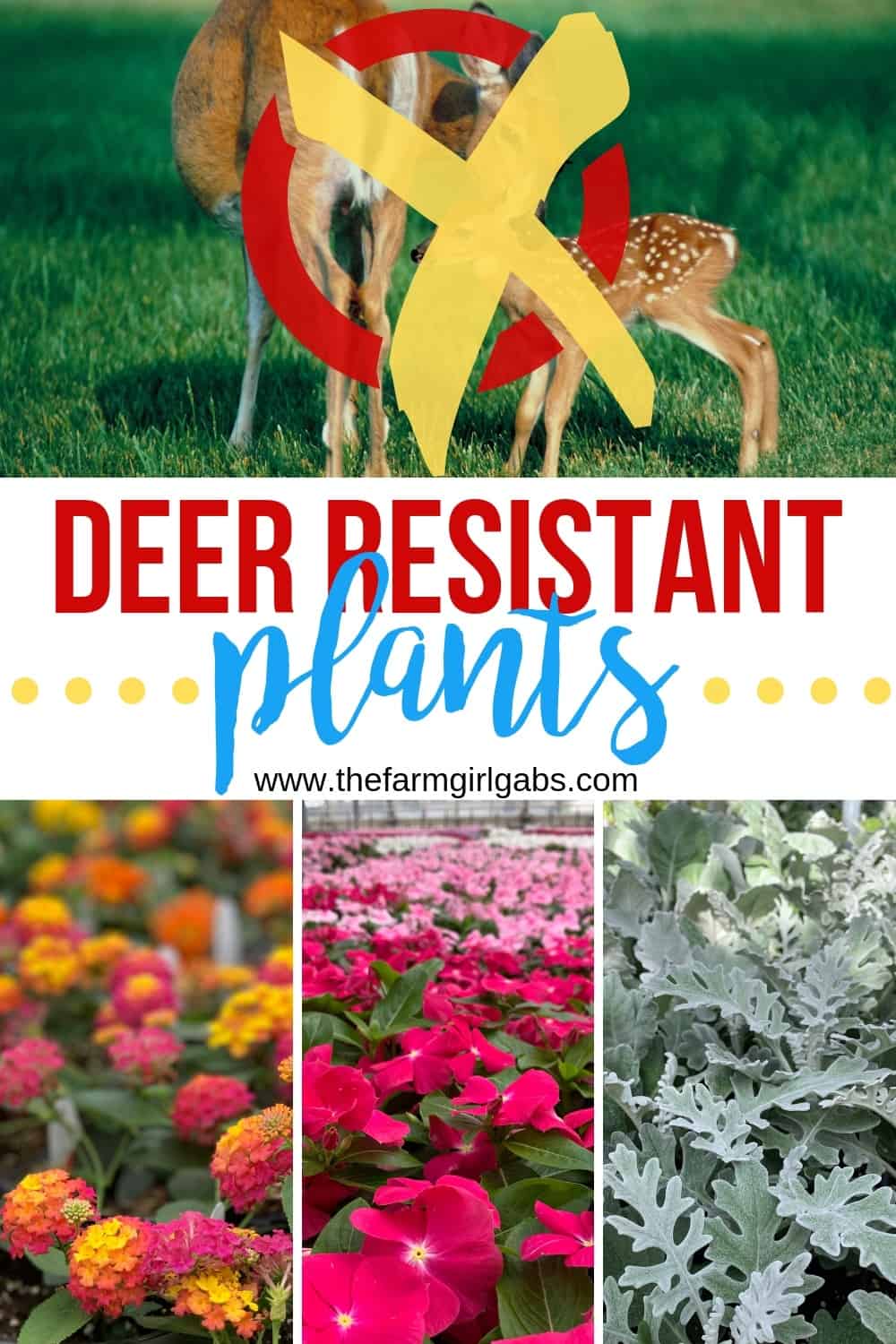
Common Deer-resistant Plants
Deer can cause serious damage to gardens by eating many types of plants. Choosing deer-resistant plants helps protect your garden from these hungry visitors. These plants have natural traits that deer dislike, such as strong scents, tough leaves, or bitter tastes. Growing deer-resistant plants reduces the need for chemical repellents and frequent repairs.
Below are some common deer-resistant plants that thrive in many gardens. These plants stay safe from deer and add beauty to your outdoor spaces.
Lavender
Lavender has a strong fragrance that deer avoid. Its silvery leaves and purple flowers make it popular. It grows well in sunny areas and needs little water once established. Lavender attracts bees and butterflies, adding life to your garden.
Marigold
Marigolds have a pungent smell that repels deer and many insects. Their bright orange and yellow flowers bloom all summer. Marigolds grow quickly and are easy to care for. They do well in most soils and full sun.
Salvia
Salvia plants have tough, aromatic leaves that deer dislike. Their spikes of blue, purple, or red flowers attract hummingbirds. Salvia is drought-tolerant and thrives in sunny spots. It is a low-maintenance choice for deer-prone gardens.
Yarrow
Yarrow produces flat clusters of small flowers in many colors. Its fern-like leaves have a bitter taste that deters deer. Yarrow tolerates poor soil and drought well. It also attracts beneficial insects and adds texture to garden beds.
Celosia
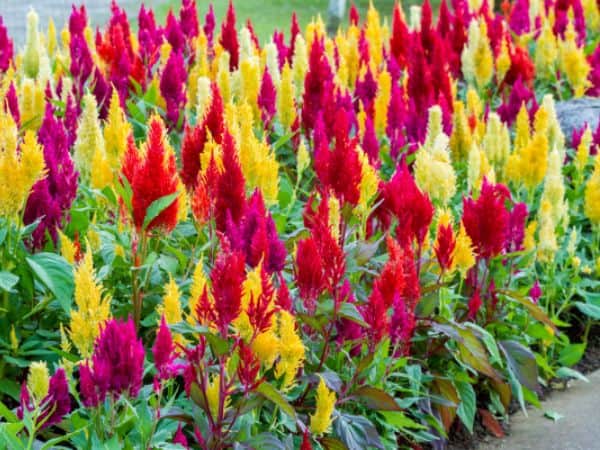
Celosia is a bright and colorful plant with soft, feathery blooms. Despite its beauty, deer usually avoid eating Celosia. The plant’s texture and mild bitterness make it less appealing to deer. Celosia grows best in warm climates with regular watering.
Credit: thefarmgirlgabs.com
Celosia Growth And Care
Celosia is a vibrant and eye-catching flower that brightens gardens with its unique, feathery blooms. Growing and caring for Celosia requires attention to sunlight, soil, and watering. These factors help the plant thrive and produce colorful flowers. Understanding Celosia’s needs ensures it stays healthy and strong throughout the growing season.
Celosia grows best in warm, sunny locations with well-draining soil. The plant prefers moderate watering to keep the soil moist but not soggy. Proper care prevents common problems like root rot or wilting. Regular feeding with a balanced fertilizer supports steady growth and bright blooms.
Sunlight Requirements
Celosia needs full sunlight to grow well. It should receive at least six hours of direct sun daily. Insufficient sunlight can cause weak stems and fewer flowers. Plant Celosia in a spot where it gets plenty of light.
Soil And Watering
Use well-drained soil rich in organic matter for Celosia. Keep the soil evenly moist but avoid overwatering. Water the plant at the base to prevent leaf diseases. Good drainage is key to stopping root rot.
Fertilizing And Maintenance
Feed Celosia every few weeks during the growing season. Use a balanced, water-soluble fertilizer. Deadhead spent flowers to encourage new blooms. Removing old flowers helps the plant focus on growth.
Celosia’s Annual Life Cycle
Celosia is a vibrant and colorful plant often grown for its unique flowers. Understanding its annual life cycle helps gardeners know what to expect each year. Celosia typically lives only one growing season in most climates. It does not survive cold winters outside and must be replanted each spring.
The plant starts from seed, grows quickly, blooms in summer, and dies back in fall. Gardeners enjoy its bright colors during warm months. The cycle then repeats through new seeds or replanting.
Seed Germination And Early Growth
Celosia seeds are tiny and easy to start indoors or outdoors. They need warmth and moisture to sprout. Seedlings grow fast and develop bright green leaves before blooming. Starting seeds inside gives plants a head start before frost ends.
Blooming Stage And Flower Development
Celosia blooms in late spring to summer. Its flowers come in red, yellow, pink, and orange. The blooms are soft and feathery or shaped like flames. Flowers attract pollinators but are not favored by deer.
End Of Season And Seed Production
As fall arrives, celosia stops blooming and begins to die back. The flower heads dry and release many tiny seeds. These seeds can fall to the ground and overwinter in soil. They may sprout next spring if conditions are right.
Winter Dormancy And Plant Death
Celosia plants cannot survive frost. Cold weather kills the above-ground parts. The roots do not survive freezing temperatures either. Gardeners usually remove dead plants and prepare soil for new seeds or transplants.
Preventing Deer Damage
Deer can cause serious damage to gardens by eating plants and flowers. Protecting your garden from deer helps keep your plants healthy and beautiful. Celosia is a colorful plant, but deer often find it tasty. Preventing deer damage is important to enjoy vibrant blooms without loss.
Choose Deer-resistant Plants
Select plants that deer dislike. Celosia is not highly deer-resistant. Deer often eat Celosia leaves and flowers. Mixing Celosia with more deer-resistant plants can reduce damage. Plants with strong scents or tough textures usually repel deer.
Use Physical Barriers
Fencing is an effective way to stop deer. A fence at least 8 feet tall works best. Netting or wire cages around Celosia plants also help. Barriers keep deer away from delicate blooms. Check fences regularly for gaps or damage.
Apply Deer Repellents
Spraying repellents on Celosia can discourage deer. Repellents with strong smells or tastes are best. Reapply repellents after rain or watering. Natural options like garlic or soap sprays may work well. Always follow product instructions for safety.
Maintain A Clean Garden Area
Remove fallen fruits and plants that attract deer. Clear weeds and brush that provide cover. A tidy garden makes deer feel less safe. Deer avoid open, exposed areas. Keep pathways clear to reduce hiding spots near Celosia.
Use Motion-activated Devices
Motion lights or sprinklers startle deer and keep them away. These devices activate when deer come close. They create an unpleasant surprise for deer. Place devices near Celosia for best protection. Check batteries and settings often for reliability.
Encouraging Celosia Reseeding
Encouraging Celosia reseeding helps maintain vibrant blooms year after year. Since Celosia plants often do not survive frost, letting them reseed naturally is key. This process allows new plants to grow from the seeds dropped by the previous generation.
By promoting reseeding, gardeners can enjoy colorful flowers without replanting every season. It also supports a self-sustaining garden with less effort.
Allowing Flower Heads To Mature
Let the flower heads stay on the plant until they turn brown and dry. This stage means the seeds inside are ready to drop. Avoid cutting the flowers too early. Mature seeds have a better chance of growing into new plants.
Shaking Seeds Over The Soil
After the flower heads dry, gently shake them over the soil near the plant. This spreads seeds where they can germinate in the spring. Use your hands to break apart the seed heads for better seed release. This simple step increases the number of seedlings in your garden.
Providing Ideal Soil Conditions
Ensure the soil stays loose and well-drained. Celosia seeds need good contact with soil to sprout. Avoid compacted or overly wet ground. Lightly raking the soil after seed release helps improve conditions for germination.
Watering With Care
Keep the soil moist but not soaked during germination. Water gently to avoid washing away seeds. Regular watering supports seedling growth in the early stages. Once seedlings establish, reduce watering to encourage strong roots.
Winter Care For Celosia
Winter care for Celosia requires special attention. This plant does not tolerate frost well. Protecting Celosia during cold months ensures its health and longevity.
Celosia is often grown as an annual in cooler climates. It dies back after the first frost. Gardeners can save seeds for the next planting season.
Protecting Celosia From Frost
Celosia is sensitive to freezing temperatures. Cover plants with frost cloth or bring pots indoors. Avoid exposing them to temperatures below 32°F (0°C).
Indoor Care For Potted Celosia
Place potted Celosia in a bright, cool room. Keep soil moist but not soggy. Avoid overwatering to prevent root rot during winter.
Preparing Garden Beds
Remove dead Celosia plants after frost kills them. Clear garden beds of debris to reduce pests. Add mulch to protect soil and roots from freezing.
Saving Seeds For Next Season
Allow Celosia flowers to dry on the plant. Collect seeds carefully and store them in a cool, dry place. Use seeds to grow new plants in spring.
Combining Celosia With Native Plants
Combining Celosia with native plants creates a vibrant and balanced garden. Celosia’s bright colors stand out next to the subtle greens of native plants. This mix attracts pollinators and supports local wildlife. Pairing these plants can also help manage deer damage in your garden.
Native plants often have natural defenses against deer. Celosia, while colorful, is somewhat deer resistant but not completely safe. Mixing both types makes it harder for deer to focus on one plant. This approach keeps your garden lively and less damaged.
Choosing Native Plants That Complement Celosia
Select native plants with similar water and sunlight needs as Celosia. Wildflowers like Black-eyed Susan or Coneflower work well. Their shapes and colors balance Celosia’s bright plumes beautifully. These natives also thrive in local soil and climate.
Enhancing Deer Resistance With Plant Combinations
Use native plants known to repel deer near Celosia beds. Plants like lavender and sage create natural barriers. They have strong scents deer avoid. This reduces the chance of Celosia being eaten. Grouping plants this way protects your garden naturally.
Creating A Pollinator-friendly Garden
Celosia and native plants together attract bees, butterflies, and hummingbirds. Native plants provide food and shelter for pollinators. Celosia’s bright flowers add extra nectar sources. This combination supports garden health and biodiversity.

Credit: thefarmatgreenvillage.com
Alternative Deer Deterrents
Deer can be a big problem for gardeners. They often eat plants like celosia, which are not very deer resistant. Protecting your garden means trying other ways to keep deer away. Alternative deer deterrents help reduce damage and keep your plants safe. These options work well in many gardens and climates.
Physical Barriers
Fences are a strong way to stop deer. A tall fence, at least 8 feet high, can keep deer out. You can use wire mesh or wooden fences. Barriers do not harm deer but block their access.
Netting around plants also helps. It is lightweight and easy to move. Netting protects individual plants from being eaten.
Deer Repellent Sprays
Sprays with strong smells or tastes bother deer. Deer dislike scents like garlic, soap, or rotten eggs. Sprays can be homemade or bought from stores. Reapply often, especially after rain or watering.
These sprays do not kill deer. They only make plants less tasty and less attractive.
Planting Deer-resistant Plants
Plant species that deer avoid near celosia. Examples include lavender, sage, and daffodils. These plants have strong smells or tastes. They confuse or repel deer from nearby flowers.
Mixing deer-resistant plants with celosia can lower damage risk. This method works best in larger garden areas.
Noise And Motion Devices
Deer dislike sudden sounds and movements. Motion-activated sprinklers scare deer away with water. Noise makers or alarms also create a disturbance. These devices keep deer from settling in your garden.
Use these tools carefully to avoid disturbing neighbors.
Frequently Asked Questions
Do Rabbits And Deer Eat Celosia?
Rabbits and deer usually avoid eating celosia as it is considered deer resistant. Celosia’s texture and taste deter these animals from feeding on it.
Do Celosia Plants Come Back Every Year?
Most celosia plants do not come back every year. They act as annuals and die after frost. Self-seeding may cause new plants to grow next season.
What Animals Eat Celosia?
Deer and rabbits commonly eat celosia, as they find its foliage appealing. Birds may also consume its seeds.
What Do You Do With Celosia In The Winter?
Treat celosia as an annual; it usually dies in winter. Collect seeds to reseed next spring or pot and bring indoors with minimal water and sunlight.
Is Celosia Resistant To Deer Browsing?
Celosia is not resistant; deer often eat its leaves and flowers.
Why Do Deer Prefer Celosia Plants?
Deer find Celosia’s tender leaves and bright flowers tasty and easy to eat.
Can Celosia Survive Deer Damage?
Celosia usually suffers damage and may not recover well after deer feeding.
Are There Ways To Protect Celosia From Deer?
Using physical barriers or deer repellents can help protect Celosia plants.
Does Celosia’s Smell Deter Deer?
No, Celosia has little to no scent that repels deer.
Is Celosia More Deer Resistant Than Other Flowers?
No, many flowers are more deer resistant; Celosia is quite vulnerable.
Conclusion
Celosia plants are not fully deer resistant. Deer may nibble on them if other food is scarce. These vibrant flowers add color but need protection in deer-prone areas. Using barriers or repellents can help keep deer away. Planting celosia with other deer-resistant plants boosts garden survival.
Enjoy celosia’s beauty while managing deer carefully. This balance keeps your garden bright and lively.
As an Amazon Associate, I earn from Qualifying Purchases.