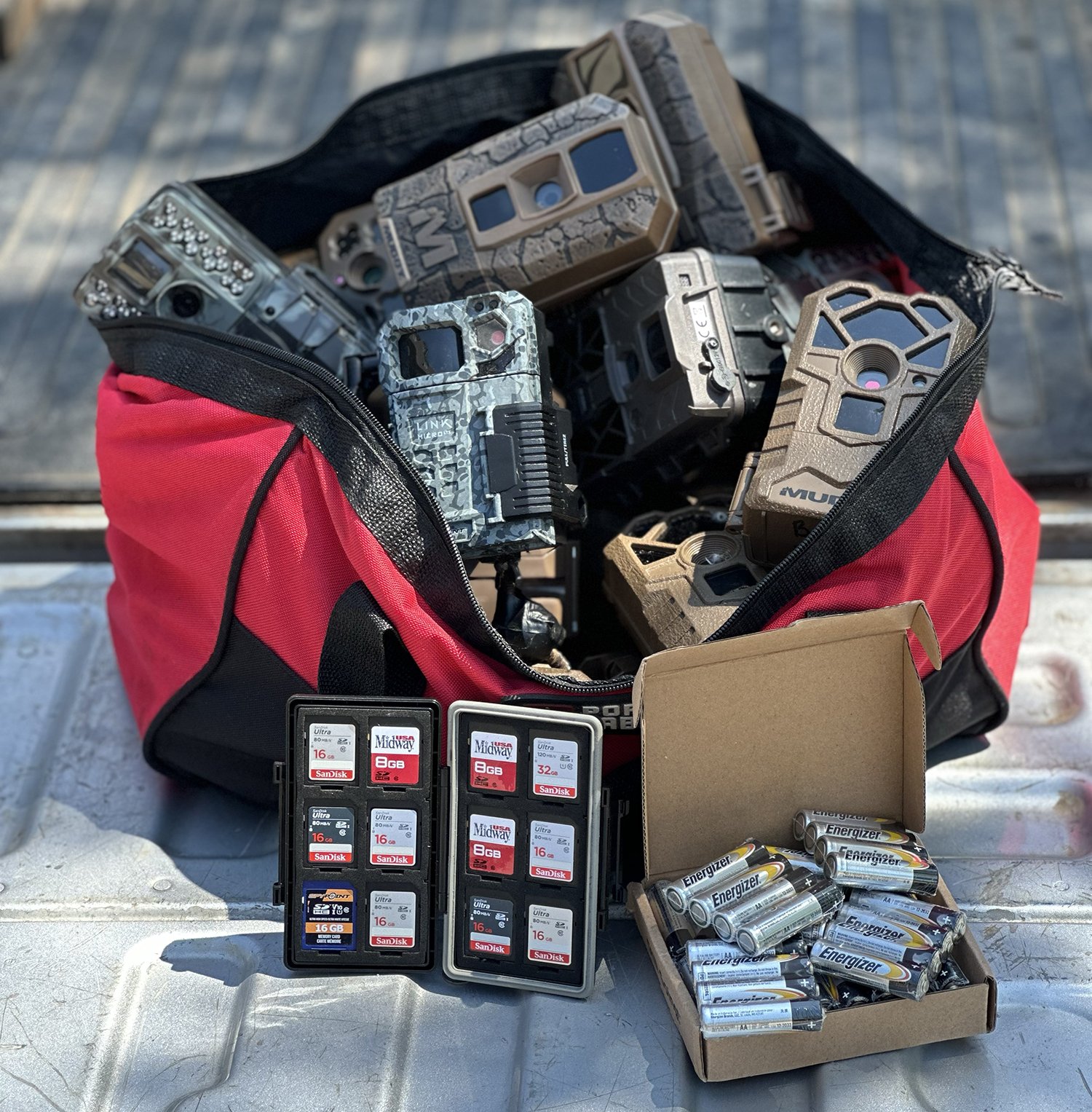
Buy gently used or last-year models, compare specs, and watch sales closely.
I’ve spent years testing trail cameras for wildlife monitoring and property security. I’ll show practical steps on how to find cheap trail camera options that still work well. This guide explains where to look, what to keep, and how to avoid wasting money. Read on to learn clear, usable advice from real experience.

Why trail camera prices vary and what "cheap" really means
Trail camera cost comes from features, brand, and build quality. Entry models cut price by lowering resolution or using basic night flash. High-end units add fast trigger speeds, long battery life, and cellular uploads, which raise price a lot.
Cheap does not always mean bad. A cheap trail camera can capture useful images if you know which features matter. When learning how to find cheap trail camera, focus on performance you need, not on the lowest sticker price.
Decide what “cheap” means for your use. For casual backyard monitoring, cheap models under $80 may suffice. For long-term remote posts, expect to pay more or accept trade-offs like fewer photos and more frequent battery changes.

Key features to prioritize on budget trail cameras
Pick a few must-have features so you don’t pay for extras you won’t use. Prioritizing lets you find cheap trail camera models that still meet your goals.
- Trigger speed: Faster triggers catch quick animals. Aim for under 0.5 seconds for moving wildlife.
- Detection range: Choose 40–60 feet for general use. Shorter ranges are okay for close-in spots.
- Battery life: Long battery life lowers visits. Look for models that last months on AA or have external battery options.
- Flash type: No-glow IR is stealthy. Red-glow is cheaper but can spook animals or reveal the camera.
- Photo and video balance: 8–12 MP photos are fine. Focus on image clarity, not megapixel number alone.
- Weatherproofing: IP54 or better keeps your camera running through rain and snow.
- Storage and alerts: SD card slots up to 32–128 GB are common. Cellular or Wi-Fi adds cost but saves trips.
- Mounting and size: Compact cameras are easier to hide and less tempting to thieves.
I recommend making a short checklist of three priorities before shopping. This helps when comparing cheap trail camera listings and avoids impulse buys.

Best places to search and buy cheap trail cameras
Knowing where to look saves you money. Use multiple channels to compare price and condition.
- Online marketplaces: Amazon, eBay, and large retailers often run flash sales and have user reviews.
- Refurbished and open-box: Manufacturer refurbished units often include warranty and major discounts.
- Local classifieds: Craigslist, Facebook Marketplace, and Nextdoor can yield low-priced used cameras. Always meet in person and test if possible.
- Seasonal sales: Black Friday, end-of-season, and hunting season sales often lower prices significantly.
- Hunting forums and groups: Members sell gear at fair prices and can attest to condition.
- Outdoor stores clearance racks: Last-year models appear in clearance bins with steep markdowns.
- Bulk deals: Buying multiple cameras or camera + accessories bundles often reduces per-unit cost.
Set price alerts and track the same model for 1–2 weeks. I often saved 15–30% by waiting for a sale or snagging a refurbished unit.

How to compare models smartly (step-by-step)
A short checklist helps you compare like-for-like. This method shows you how to find cheap trail camera while keeping quality.
- List your needs
- Short trips or long deployments
- Photo only or video too
- Cellular alerts or no
- Score each model against needs
- Give higher points to trigger speed and battery life
- Read recent user reviews
- Look for complaints about false triggers, battery drain, or broken housings
- Check sample images
- Real photos show low-light performance better than specs
- Compare warranties and return policies
- A cheap trail camera with a 1-year warranty is safer than a cheap one with no return
PAA-style question: How long should a cheap trail camera battery last?
A budget trail camera on standard AA batteries typically lasts 2–4 months depending on use and temperature.
PAA-style question: Is a refurbished trail camera safe to buy?
Refurbished units that include a warranty and seller testing can offer reliable performance at a lower price.
From my tests, I once bought a last-year model with slightly lower resolution but excellent battery life. It cut maintenance trips and proved more useful than a newer model that needed fresh batteries every month.

Ways to save money without losing core performance
Saving money is often about smart trade-offs and small investments that extend utility.
- Buy last-year models: New releases inflate price. Last-year units often have the same core features.
- Choose refurbished: Warranty-backed refurb units are cheap and reliable.
- Bundle accessories: Buying batteries, SD cards, and mounts together saves compared to separate purchases.
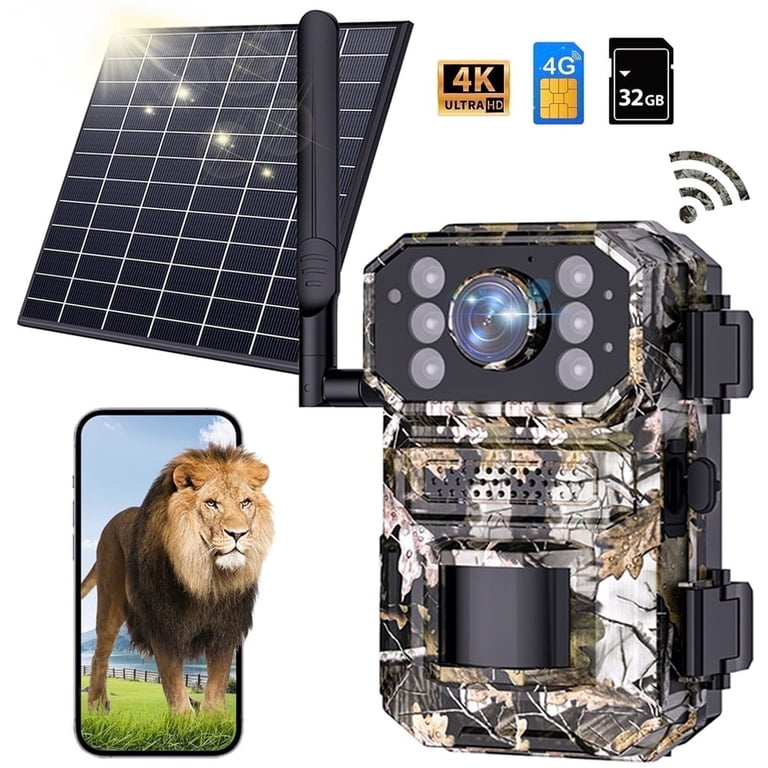
- Use external power: A cheap deep-cycle battery or solar panel reduces visits and the need for higher-priced internal battery tech.
- DIY mounts and theft deterrents: Simple locks and camo boxes protect cameras without expensive security add-ons.
- Group buys: Pool orders with friends to unlock bulk discounts.
- Wait for hunting season discounts: Retailers clear inventory after peak demand.
I saved 40% on a multi-camera setup by mixing refurbished units and buying batteries in bulk. It required planning, but the result worked well for a remote trail cam grid.
Common mistakes to avoid when buying cheap trail cameras
Don’t let low price blind you. Avoid these frequent errors.
- Chasing megapixels rather than image quality
- Ignoring trigger speed and recovery time
- Buying from unknown sellers with no returns
- Skipping real-world reviews and sample photos
- Overlooking battery cost and compatibility
- Not securing the camera from theft or weather
A cheap trail camera that fails in the field is more expensive in time and frustration than a reliable midrange camera.
Frequently Asked Questions of how to find cheap trail camera
What is the cheapest reliable trail camera feature set?
A reliable budget set includes a sub-0.5s trigger speed, 8–12 MP photos, 40–60 ft detection, and good battery life. These features balance cost and real-world performance.
Should I buy a cellular or non-cellular cheap trail camera?
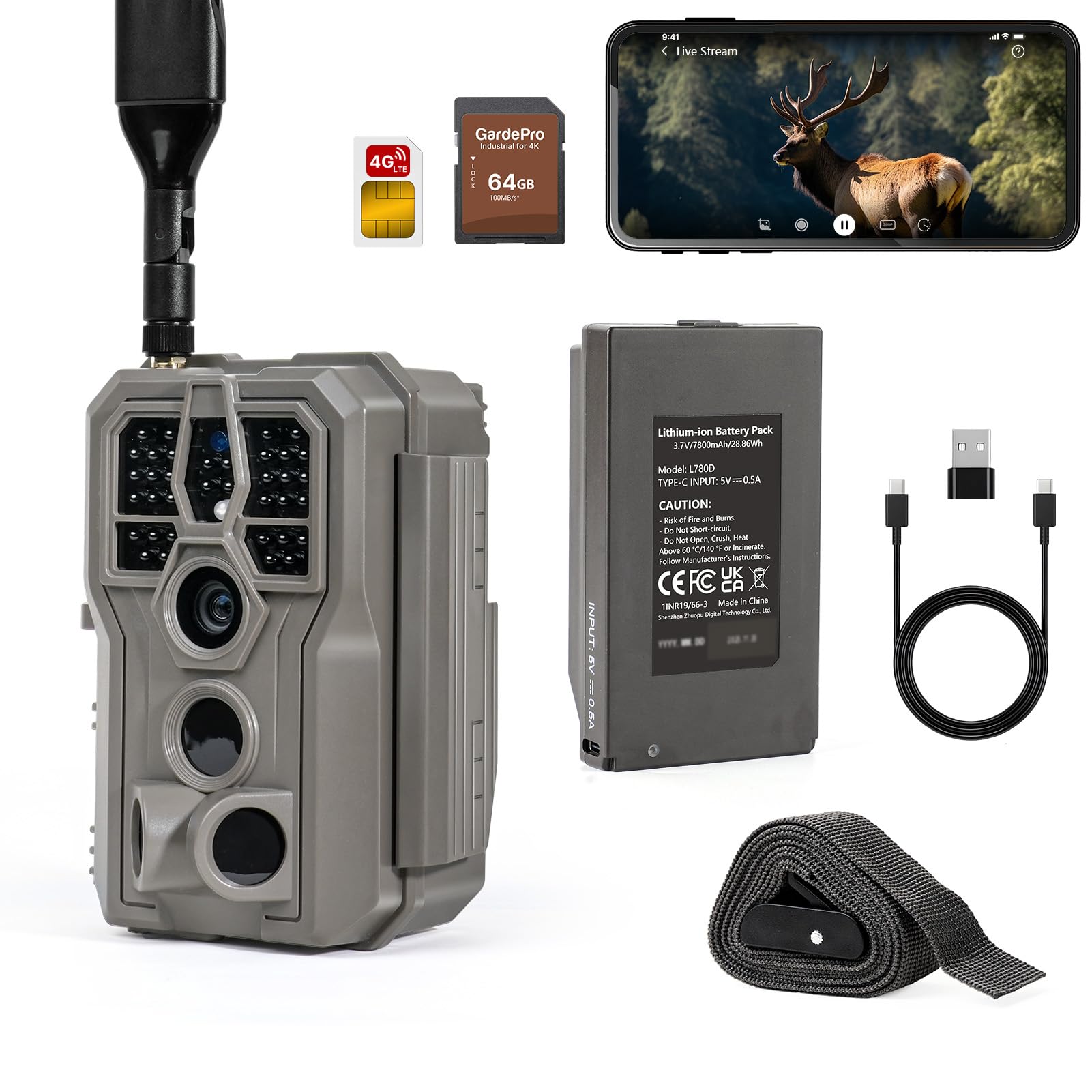
Choose non-cellular if you want the cheapest option. Cellular models add cost and monthly fees but save trips if you need real-time alerts.
Is buying used trail camera safe?
Used cameras can be a great value if tested and meeting in person. Ask for sample photos, check batteries, and confirm the housing and lens are intact.
How much should I expect to spend for a decent cheap trail camera?
Expect $60–$150 for a decent budget model, depending on features and whether it’s new, refurbished, or used. Sales and refurb deals can lower this further.
Can I extend a cheap trail camera’s life with accessories?
Yes. External battery packs, solar panels, better mounts, and camo housings extend life and reduce maintenance. These accessories are often a smart investment.
Conclusion
Finding an affordable trail camera is about smart choices, not luck. Focus on trigger speed, battery life, and detection range when learning how to find cheap trail camera, and use refurbished or last-year models to save money. Track prices, test used units when possible, and invest in a few accessories to extend life.
Take action: Make a short checklist of your needs, set price alerts for a few models, and start watching sales or local listings this week. Leave a comment with your setup or questions — I’ll share tips from my field tests and help you pick the best budget camera.
As an Amazon Associate, I earn from Qualifying Purchases.