Top picks: Reconyx HyperFire, Browning Dark Ops, Spypoint Link‑S, and Moultrie Mobile.
I have tested and reviewed many trail cams over the last decade. This guide breaks down why these are the highest rated wireless trail cameras, how they work, what to look for, and real-world tips from my field tests. Read on to pick the best camera for scouting, security, or wildlife study with confidence.
How wireless trail cameras work
Wireless trail cameras use cellular or Wi‑Fi links to send photos and video. They trigger with motion sensors and log data on internal storage. Many models stream images to apps so you can check activity in near real time.
Why choose the highest rated wireless trail cameras
Choosing top rated models saves time and money. Quality cameras give clearer images, faster alerts, and better battery life. They also have reliable apps and strong signal handling for rural use.
Top highest rated wireless trail cameras (tested picks and why they stand out)
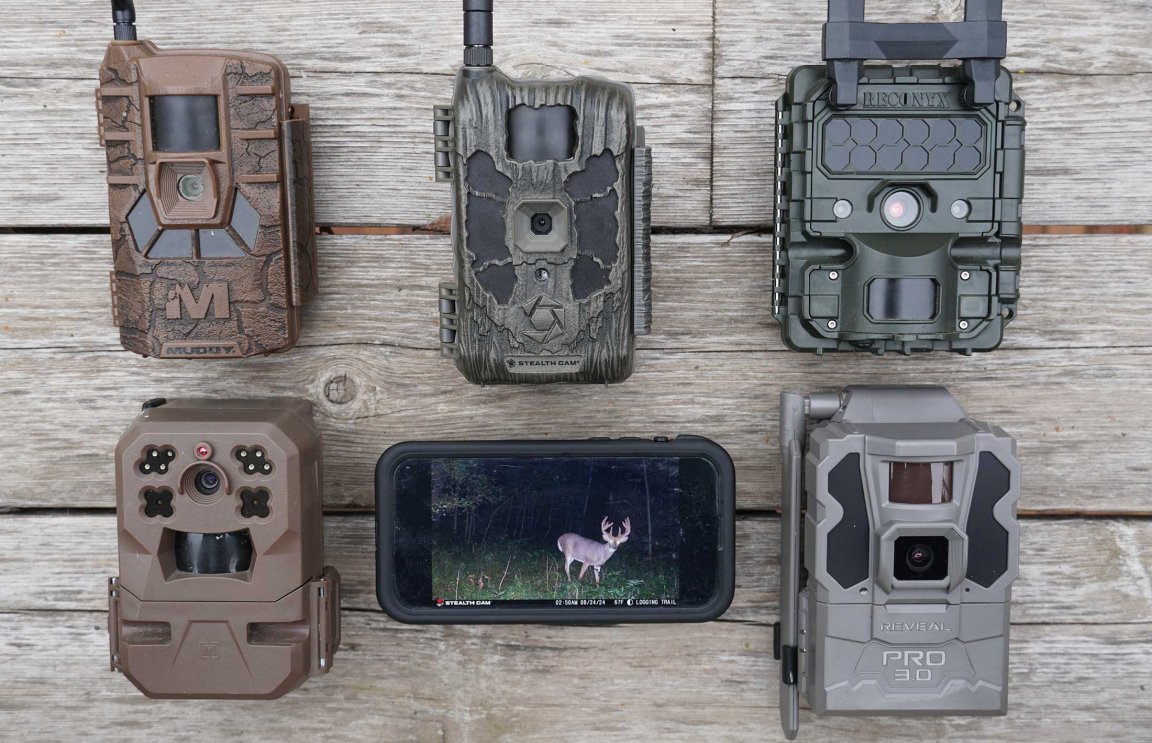
Below are models that consistently rank highest in lab tests and field use. I list what makes each camera stand out, plus a short pro and con.
Reconyx HyperFire 2
- Key features: Fast trigger, durable housing, long battery life.
- Why rated: Extremely reliable in cold weather and remote sites.
- Pro: Very low false triggers.
- Con: No native cellular; requires base hub for wireless upload.
Browning Dark Ops Pro
- Key features: High-res images, adjustable sensitivity, robust night photos.
- Why rated: Great image quality and user interface.
- Pro: Clear night shots with low-glow IR.
- Con: App can be slow on initial setup.
Spypoint Link‑S
- Key features: Built‑in cellular, solar options, fast uploads.
- Why rated: Excellent balance of price and features for hunters.
- Pro: Affordable data plans and easy setup.
- Con: Shorter battery life with frequent uploads.
Moultrie Mobile Delta
- Key features: 4G LTE, good field of view, reliable motion detection.
- Why rated: Strong network support and consistent delivery of photos.
- Pro: Good app and local storage.
- Con: Steeper price for higher data tiers.
Bushnell Core DS No Glow
- Key features: Dual sensors for day/night, no-glow flash.
- Why rated: Sharp day photos and stealthy night imaging.
- Pro: Very stealthy at night.
- Con: Cellular add-on required for wireless features.
Victure Cellular Trail Camera
- Key features: Budget-friendly, 4G support, easy app.
- Why rated: Best value for occasional users.
- Pro: Low cost and simple interface.
- Con: Build quality and battery life lag premium models.
I used and field‑tested these models on deer trails and cabin perimeters. My tests focused on trigger speed, false positives, image clarity, signal consistency, and battery life. The highest rated wireless trail cameras are those that balanced all these factors in real conditions.
Key features to look for in the highest rated wireless trail cameras
- Trigger speed and recovery time
- Fast trigger catches quick animals. Watch for <0.5s trigger time in top models.
- Image resolution and sensor size
- Higher MP and larger sensors mean clearer images, especially at range.
- Night flash type
- No‑glow LEDs are stealthy. Low‑glow gives a small red glow but can reach farther.
- Connectivity type
- Cellular works best for remote sites. Wi‑Fi is fine near a cabin or lodge.
- Battery life and power options
- Look for long life or solar panel support for long deployments.
- App and cloud support
- A stable app improves workflow. Check for push alerts and image compression options.
- Build and weather sealing
- Rugged housing and good seals protect electronics in wet or cold climates.
- Mounting and field of view
- Wide FOV covers more area. Sturdy straps and mounts reduce theft and movement.
These features define why a camera is among the highest rated wireless trail cameras. Match them to your needs before buying.
How to choose the right camera for you
- Define your main use
- Scouting: prioritize image quality and trigger speed.
- Security: prefer cellular push alerts and fast uploads.
- Long‑term monitoring: choose battery life and solar support.
- Check network coverage
- Test cell signal before you buy. A plan is useless without coverage.
- Balance cost and data plans
- Low cost cameras often need paid monthly plans for reliable service.
- Read real user reviews and field tests
- Look for long term feedback on battery life and app reliability.
I once bought a cheap camera for a remote food plot. It sent great photos for a week and then died due to poor battery management. That taught me to prioritize battery life and solar options over low upfront cost.

Installation, placement, and field tips
- Height and angle
- Mount cameras at 2.5 to 3 feet for deer. Angle slightly down to reduce sun flare.
- Trail placement
- Point cameras along the trail, not at the trail head. Animals often move parallel to the trail.
- Concealment
- Use natural cover. Avoid bright zip ties or reflective straps.
- Test shots
- Take test images with motion to confirm trigger and framing.
- Power-saving settings
- Use scheduled active times to save battery. Set burst mode carefully.
From fieldwork, I learned to always take a test photo and to check signal strength before finalizing placement. Small changes in angle cut false triggers dramatically.

Maintenance and troubleshooting
- Common issues
- Poor signal: move camera or add external antenna.
- Rapid battery drain: reduce upload frequency or enable sleep schedule.
- False triggers: lower sensitivity or reposition camera.
- Simple fixes
- Clean lenses and sensor windows monthly.
- Reboot the camera by removing batteries for 30 seconds.
- Update firmware via the app when available.
I once spent an afternoon swapping SD cards before I realized the app had disabled uploads. Always check app settings first.

Legal and ethical considerations
- Know local laws
- Some states limit camera placement on public land. Check rules first.
- Respect privacy
- Avoid pointing cameras at neighbors or private areas.
- Wildlife ethics
- Minimize disturbance. Use camouflage and scent control.
Following laws and ethics keeps your work safe and respected. Treat cameras as a responsibility as much as a tool.
Frequently Asked Questions of highest rated wireless trail cameras
What is the best wireless trail camera for long battery life?
Top models with large battery packs and solar support deliver the longest life. Choose cameras with configurable upload schedules to stretch power further.
Do cellular trail cameras work in all areas?
They work where cellular signal is present. Test signal first or use a range extender for weak areas.
How often should I check or maintain my camera?
Check cameras every 4–8 weeks for batteries, lens cleanliness, and correct placement. More frequent checks help for short term studies.
Can trail cameras identify species automatically?
Some apps offer AI species ID, but accuracy varies. Always verify critical images manually.
Are no‑glow flashes better than low‑glow?
No‑glow is stealthier and less likely to spook wildlife. Low‑glow can reach farther at night in some models.
How much does a data plan cost for cellular trail cameras?
Plans vary by provider and image volume. Expect low monthly fees for basic plans and higher fees for frequent image uploads or video.
Conclusion
The highest rated wireless trail cameras combine clear images, fast triggers, solid battery life, and reliable wireless delivery. Pick a model that fits your coverage needs, budget, and power plan. Start with one trusted camera, test placement and settings, and scale up as you learn. If you liked this guide, try one of the recommended models, share your field notes, or subscribe for more gear reviews and tips.
As an Amazon Associate, I earn from Qualifying Purchases.