Trail cameras are built for remote wildlife monitoring; Ring cameras focus on live home security and cloud alerts.
I have spent years testing outdoor electronics and securing properties. In this article I break down trail camera vs ring camera with clear comparisons, real test notes, and practical buying tips. You will learn how each camera works, where each performs best, and how to choose the right device for your needs.

Overview: What each camera is and who it serves
A trail camera is a rugged, battery-powered device made for outdoor wildlife and remote monitoring. It sits on a tree or post and triggers on motion to capture stills or video. Trail cameras are designed to run for long periods with no Wi‑Fi and minimal maintenance.
A Ring camera is a smart home security camera meant for live monitoring, two-way talk, and instant alerts. Ring units connect to Wi‑Fi or cellular backup, stream video to your phone, and often rely on cloud storage. They are tuned for human activity, quick alerts, and easy remote access.
Trail camera vs ring camera is a choice between autonomous outdoor monitoring and connected home security. If you want to watch deer for weeks, pick a trail camera. If you want real-time alerts at your front door, pick a Ring camera.

Key differences at a glance
- Purpose: Trail camera vs ring camera differ in primary use: wildlife and remote observation versus home security and live interaction.
- Connectivity: Trail cameras often work offline with SD cards; Ring cameras require Wi‑Fi and cloud services.
- Power: Trail cameras use replaceable batteries or solar panels; Ring cameras are plug-in, rechargeable, or battery-powered with shorter runtimes.
- Triggering: Trail cameras use passive infrared (PIR) and timed intervals; Ring uses PIR and constant streaming for instant alerts.
- Video length and compression: Trail cameras record short clips or photos to conserve power; Ring streams longer video, often with cloud compression.
- Weatherproofing: Trail cameras are built for full weather exposure; Ring cameras are weather-resistant but typically placed under eaves.
- Theft risk and concealment: Trail cameras are often camouflaged; Ring cameras are visible and act as a deterrent.
Trail camera vs ring camera answers the core trade-offs between autonomy and connectivity. Each excels in its own environment.

Use cases and best applications
- Wildlife study and scouting: Trail camera vs ring camera—trail cameras win for multi-week wildlife monitoring without Wi‑Fi.
- Perimeter and rural property surveillance: Use trail cameras for distant gates and remote fence lines.
- Front porch and doorbell security: Ring cameras are ideal for package detection, visitors, and two-way talk.
- Short-term stakeouts: Trail cameras are great for sunrise and dusk animal activity with low maintenance.
- Neighborhood watch and shared access: Ring cameras give neighbors and family instant access and shared alerts.
- Research and time-lapse: Trail cameras provide high-resolution stills for long-term time-lapse projects.
Think of trail camera vs ring camera like a long-range camera versus a live window. Choose based on where you need coverage and whether you need live access.

Features to consider when choosing
- Trigger speed and recovery: Faster trigger and quick recovery help capture fast animals or humans. Trail camera vs ring camera shows different priorities—trail focuses on capture, Ring on notification.
- Detection zone and sensitivity: Adjustable zones reduce false alerts near busy roads or moving vegetation.
- Image quality and resolution: Higher megapixels help for ID, but file size affects storage and battery use.
- Night vision type: Infrared flash is common for trail cameras to avoid spooking wildlife; Ring uses IR or color night vision and often LED lighting.
- Power and battery life: Consider how often you can swap batteries or recharge. Trail cameras can run months; Ring typically needs more frequent charging unless hardwired.
- Storage and data plans: Trail cameras use local SD cards. Ring often requires a subscription for cloud storage and extended video history.
- Mounting and concealment: Trail cameras come with straps and camo; Ring cameras use brackets and are meant to be visible.
- Weatherproofing and temperature tolerance: Check ratings for rain and cold. Trail camera vs ring camera has different ratings based on expected exposure.
Prioritize the features you need and match them to the camera type. Trail camera vs ring camera feature needs often point quickly to the right category.

Setup, installation, and maintenance
- Plan placement: Position trail cameras near game trails and at the correct height for the species. Place Ring cameras under eaves or high enough to see faces.
- Test angles: Walk in front of the camera to test motion zones and field of view before final mounting.
- Secure power: For long deployments use lithium batteries or solar on trail cameras; hardwire Ring cameras or choose a long-life rechargeable battery.
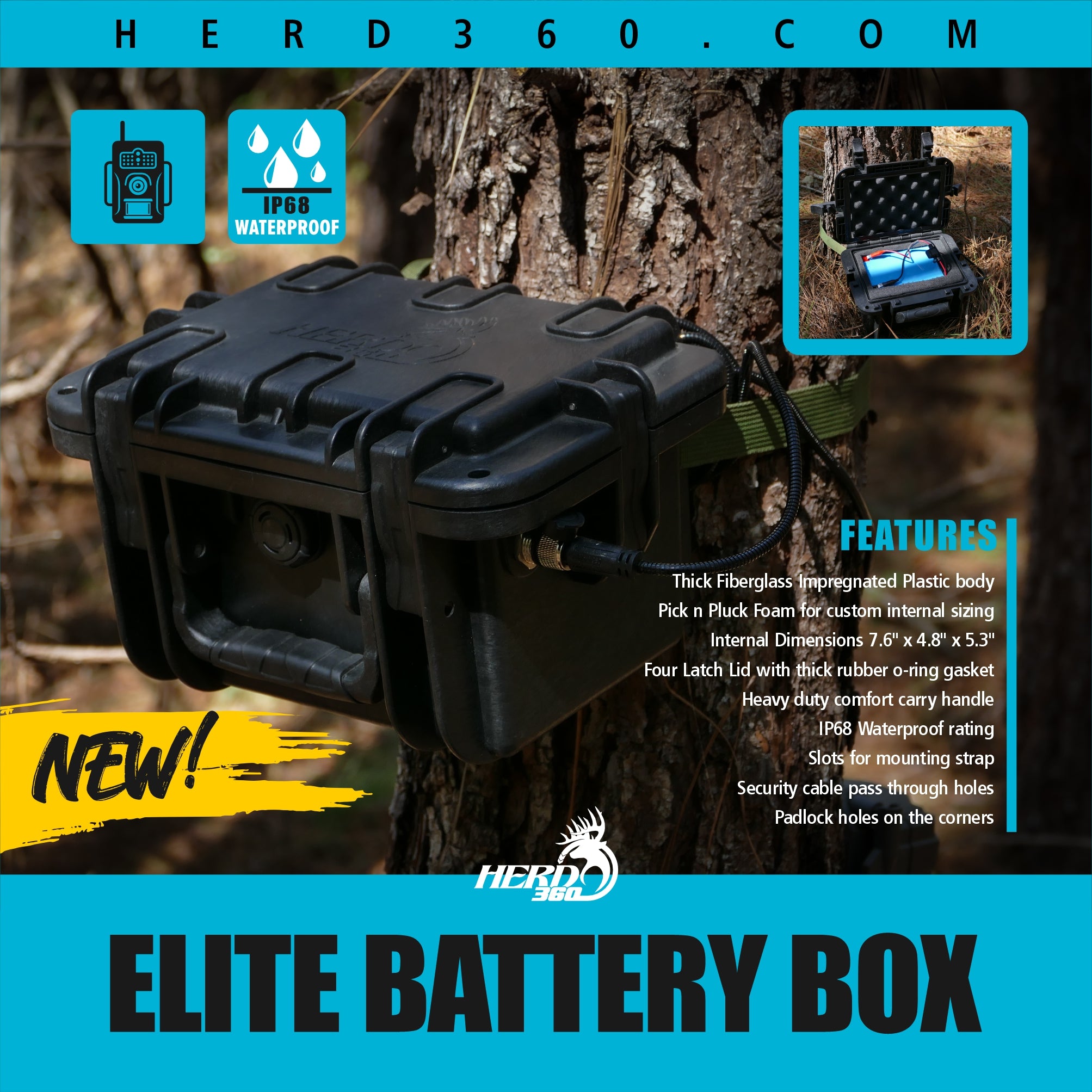
- Protect against theft: Use lock boxes or security straps for trail cameras. Ring cameras are more visible, so theft is less likely but still possible.
- Firmware and updates: Keep Ring firmware current for security and features. Update trail camera firmware when available to fix bugs.
- Regular checks: Inspect trail cameras every few weeks in remote sites. Check Ring camera connectivity monthly and clear obstructions like spider webs.
A good setup reduces false triggers and extends battery life. Trail camera vs ring camera both need thoughtful placement for best results.

Privacy, legal, and ethical considerations
Trail cameras and Ring cameras can capture people, so privacy law matters. Laws vary by state and country. Avoid aiming cameras at areas where people expect privacy, like neighbors' windows or private property without consent.
For Ring cameras, post clear signs and follow local CCTV regulations. For trail cameras on shared land, get permission and be transparent with neighbors. In many places, recording audio without consent is illegal, so disable audio where required.
Ethically, use trail camera vs ring camera responsibly. Be transparent, avoid capturing minors in private spaces, and follow local rules about surveillance.

Cost and value comparison
- Upfront cost: Trail cameras commonly range from budget models under $100 to advanced units around $300. Ring cameras range from $50 to $250 depending on features.
- Ongoing costs: Trail cameras have minimal ongoing costs (batteries, SD cards). Ring cameras often have subscription fees for cloud storage and advanced features.
- Maintenance costs: Trail cameras can incur travel costs to check remote units; Ring cameras may need periodic battery replacement or a power upgrade.
- Value: Trail camera vs ring camera value depends on use—trail gives long-term unattended monitoring value; Ring gives instant response and community value.
Total cost of ownership depends on deployment scale and whether you need cloud features. Budget for batteries and theft prevention for trail cameras and for subscription plans for Ring.
Personal experience and practical tips
I have deployed trail camera vs ring camera setups over the past decade. I once left a trail camera on a remote ridge for three months. It captured a rare animal but the batteries died two weeks before a peak season. Lesson learned: use high-capacity lithium batteries and schedule checks.
I also replaced a poorly placed Ring camera at a front porch. Strong sun glare created false alerts. Moving it slightly and adjusting motion zones cut false alerts by 70%. Lesson learned: test placement during different times of day.
Practical tips I use
- Use fresh lithium batteries for trail cameras in cold weather for reliable runtime.
- Use a small camo cloth or case to conceal trail cameras and reduce vandalism.
- For Ring, set activity zones and sensitivity to reduce false notifications.
- Back up important clips from Ring cloud to local storage if you need long-term archives.
These small habits make trail camera vs ring camera deployments more reliable and less stressful.
Quick Questions people ask (PAA-style)
Q: Which is better for remote wildlife monitoring?
A: Trail cameras are built for long unattended deployments and are the better choice for wildlife monitoring.
Q: Can a Ring camera replace a trail camera?
A: Not fully. Ring cameras need Wi‑Fi and power and are not ideal for remote, battery-sparse locations.
Q: Which setup costs less over time?
A: Trail cameras often have lower ongoing costs, while Ring may require subscriptions for full functionality.
Frequently Asked Questions of trail camera vs ring camera
What is the main advantage of a trail camera?
A trail camera runs for long periods in remote locations and records motion-triggered images or clips with minimal power. It is designed to withstand weather and operate offline.
Can Ring cameras detect animals like trail cameras do?
Ring cameras can detect animals but are optimized for people and package events, which may lead to missed wildlife or excessive false alerts outdoors. Trail cameras are tuned for animals.
Do I need a subscription for Ring cameras?
You can use basic live view and alerts without a subscription, but cloud storage and video history typically require a paid plan. Check the current service tiers for features offered.
How long do trail camera batteries last?
Battery life depends on model, temperature, and trigger frequency. High-capacity lithium batteries can last weeks to months under moderate use.
Is it legal to use trail cameras on my property?
Laws vary, but using trail cameras on your private property is generally allowed if they do not record private areas of others. Always check local regulations and avoid recording audio without consent.
Conclusion
Trail camera vs ring camera comes down to purpose. Choose a trail camera for long-term, off-grid wildlife or perimeter monitoring. Choose a Ring camera for live alerts, two-way communication, and cloud features in a home setting. Apply the tips above: plan placement, test settings, and budget for power and storage. If you are unsure, try a simple setup for each type to see which fits your daily needs.
Take action now: decide your primary use, pick the features that matter most, and start with one well-placed camera. Leave a comment or share your experience to help others choose.
As an Amazon Associate, I earn from Qualifying Purchases.