Trail cameras capture wildlife; security cameras monitor people and property for safety and loss prevention.
I’ve spent years testing both systems on rural land and in homes. I’ll walk you through clear, practical differences between trail cameras vs security cameras, show real use cases, and share tips that come from hands-on experience. Read on to decide which system fits your needs and budget.
How trail cameras and security cameras differ
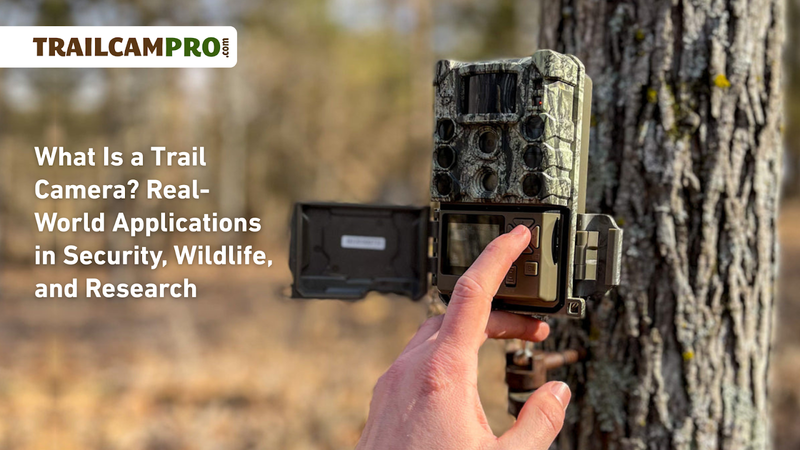
Trail cameras and security cameras look similar at first glance, but they serve different jobs. Trail cameras are made to record wildlife. They work off batteries and stay hidden for weeks. Security cameras are built for human safety. They usually have continuous power and real-time alerts.
Trail cameras vs security cameras differ in power, connectivity, and purpose. Trail cameras focus on motion triggers and long battery life. Security cameras focus on image quality, constant monitoring, and integration with alarms or apps. Knowing these differences helps you pick the right camera for your situation.
Key features compared
Here are core features to compare when looking at trail cameras vs security cameras:
- Power source: Trail cameras run on batteries. Security cameras often use wired power or PoE.
- Connectivity: Trail cameras use SD cards or cellular uplink. Security cameras use Wi-Fi, Ethernet, or cloud services.
- Trigger type: Trail cameras use passive infrared (PIR) for animal heat and motion. Security cameras use PIR plus continuous recording or advanced motion analytics.
- Image and video quality: Security cameras commonly offer higher resolution and frame rates for clear faces. Trail cameras prioritize quick snapshots or short videos to save power.
- Night capability: Trail cameras use infrared flash for stealth. Security cameras may use IR, low-light sensors, or white light for color night vision.
- Durability: Trail cameras are rugged and weatherproof for long outdoor use. Security cameras vary from indoor, basic outdoor, to vandal-resistant models.
- Mounting and concealment: Trail cameras are camouflaged and easy to hide. Security cameras are visible to deter crime and may be mounted for field of view.
Trail cameras vs security cameras require different specs based on where and how you plan to use them.

Common use cases
Both cameras overlap in some scenarios. Here are typical uses:
- Wildlife monitoring: Trail cameras are the go-to tool for tracking deer, birds, and nocturnal animals. They are quiet and low-power.
- Property surveillance: Security cameras are best for doorways, driveways, and stores. They provide live monitoring and alerts.
- Remote land checks: Use trail cameras to check remote trails or feeders without power access. Cellular trail cameras can send images when animals arrive.
- Short-term event monitoring: Security cameras help watch construction sites, events, or vehicles with live feeds.
- Evidence collection: Security cameras are better at capturing faces and license plates due to higher resolution and continuous recording.
People often ask whether a trail camera can double as a security camera. The short answer is yes for basic motion capture, but expect limits in quality and response time.
Pros and cons
Here’s a quick breakdown of benefits and limitations for trail cameras vs security cameras.
Trail cameras
- Pros: Long battery life, low cost, camo housing, easy to place remotely.
- Cons: Lower video quality, delayed access to footage unless cellular, limited field of view.
Security cameras
- Pros: Higher video quality, live view, smart alerts, cloud storage, integration with security systems.
- Cons: Need power or network, higher cost, visible which may be a privacy concern.
Trail cameras vs security cameras both have clear strengths. Choose based on whether you need stealth and battery life or live monitoring and clarity.
Buying guide: choosing between trail cameras vs security cameras
Follow these steps to choose the right camera:
- Define your goal: Monitor wildlife, prevent theft, or both.
- Consider power: Pick battery-powered trail cameras for off-grid sites. Choose wired or PoE security cameras for continuous surveillance.
- Check connectivity: Get cellular trail cameras if you need remote alerts. Buy Wi-Fi or Ethernet security cameras for fast live streaming.
- Look at resolution: For human ID, pick 1080p or higher security cameras. For wildlife snapshots, 12MP stills or 720p video in trail cameras may suffice.
- Think about storage: SD cards work for trail cameras. Security systems often use cloud storage or NVRs for continuous footage.
- Budget realistically: Trail cameras are cheaper per unit. Security camera systems with installation and cloud services cost more upfront but offer better coverage.
Trail cameras vs security cameras make different demands on your time and wallet. Match the camera to the task for the best value.
Installation and maintenance tips
A few practical tips from my field tests:
- Mount height: Place trail cameras 3–4 feet high for deer. Mount security cameras 8–10 feet high to avoid tampering.
- Angle and field of view: Aim cameras slightly downward to catch faces or animal profiles. Avoid pointing into open sky.
- Weatherproofing: Use weather covers and seal cable entry points for security cameras outdoors.
- Power checks: For trail cameras, check batteries monthly in winter. For security cameras, have a UPS for network gear.
- Test alerts: Set and test motion sensitivity and notification settings before leaving the site for long periods.
- Hide and secure: Secure trail cameras with locks or cable ties. Use tamper-resistant mounts for security cameras.
Small installation choices make a big difference in performance for both trail cameras vs security cameras.

Legal and privacy considerations
Respect for privacy and local laws matters for any camera use. Common rules include:
- Don't point cameras at neighbors' private spaces like bedrooms or fenced yards.
- Know your state laws about audio recording; many require two-party consent for audio.
- For public spaces, check municipal rules or require permits for fixed surveillance.
- If using cellular trail cameras on private land, post signs if required by local regulations.
Trail cameras vs security cameras both carry legal responsibilities. When in doubt, review local ordinances or consult a lawyer.
Cost and return on investment
Costs vary widely. Basic trail cameras start low, while professional security systems cost more.
- Trail camera cost: Low to moderate. Add costs for cellular service if you want remote images.
- Security camera cost: Moderate to high. Factor in cameras, storage, power, and possible installation fees.
- ROI: Trail cameras pay off by reducing trips to remote land and improving wildlife data. Security cameras can lower theft and insurance premiums, and provide evidence for claims.
Trail cameras vs security cameras offer different ROI timelines. Think in terms of use-case and ongoing costs.
People also ask
Can I use a trail camera as a security camera?
Yes, for basic motion capture it can work. Expect lower image quality and slower access to footage compared to dedicated security cameras.
Do trail cameras have live streaming?
Most trail cameras do not. Some cellular trail cameras can send photos or short clips, but true live streaming is usually a feature of security cameras.
Which camera type saves more battery life?
Trail cameras are optimized for battery life. Security cameras need continuous power or large solar setups to match that runtime.
My experience and lessons learned
I tested trail cameras and security cameras over several seasons on my property. Here’s what I learned.
- Use both when you can. I run trail cameras deep in the woods and security cameras near my barn and driveway. Each excels in its zone.
- Avoid assuming stealth equals security. A hidden trail camera captured wildlife but offered no real-time deterrent to trespassers.
- Cellular service matters. I bought a trail camera with a good cellular plan. It saved long trips and gave quick alerts when animals or people passed.
- Calibration is key. I adjusted motion sensitivity after one week and reduced false alerts from wind and branches.
These hands-on lessons helped me shape a practical setup tailored to my land. I recommend starting small and testing placement before buying many units.
Frequently Asked Questions of trail cameras vs security cameras
What is the main difference between trail cameras and security cameras?
The main difference is purpose: trail cameras monitor wildlife and run on batteries. Security cameras monitor people and property with continuous power and live access.
Can trail cameras capture faces or license plates?
Trail cameras can sometimes capture faces at close range, but they generally lack the resolution and frame rate to reliably capture license plates.
Are trail cameras weatherproof?
Most trail cameras are built to withstand rain, cold, and humidity. Always check the IP rating and user reviews for harsh climates.
Do security cameras need internet to work?
Security cameras can work without internet if they record to a local NVR. Internet is needed for cloud storage, remote viewing, and push alerts.
Which one is cheaper to run long term?
Trail cameras are cheaper per unit and have low running costs aside from batteries or solar. Security systems can be costlier due to power, network, and storage fees.
How do I reduce false alerts on motion detection?
Place cameras to avoid moving foliage and use adjustable sensitivity. For security cameras, enable person detection if available.
Conclusion
Trail cameras vs security cameras serve different needs. Trail cameras are perfect for wildlife monitoring and remote sites where power is scarce. Security cameras are better for real-time monitoring, higher image quality, and integration with safety systems. Choose based on where you need coverage, how fast you need alerts, and how much you want to spend.
Try one of each if you can. Test placement, tune settings, and learn from small experiments before scaling up. If this helped, leave a comment, subscribe for more gear guides, or share your own camera stories.
As an Amazon Associate, I earn from Qualifying Purchases.