Place your camera carefully, hide scent, use no-glow IR, and limit visits.
I have spent years placing trail cameras and studying deer behavior. This guide explains how to use trail camera without spooking deer. You will get clear steps on gear, settings, scent control, placement, and simple routines that keep deer calm. Read on for tested tips, mistakes to avoid, and short answers you can use on your next setup.

Why deer spook when you use trail camera without spooking deer
Deer are alert. They use sight, smell, and hearing to detect change. A camera can add flash, noise, or human scent that triggers flight. Understanding these cues helps you place and set cameras so deer ignore them. I’ll explain each cue and how to counter it with simple changes.
Core principles for how to use trail camera without spooking deer
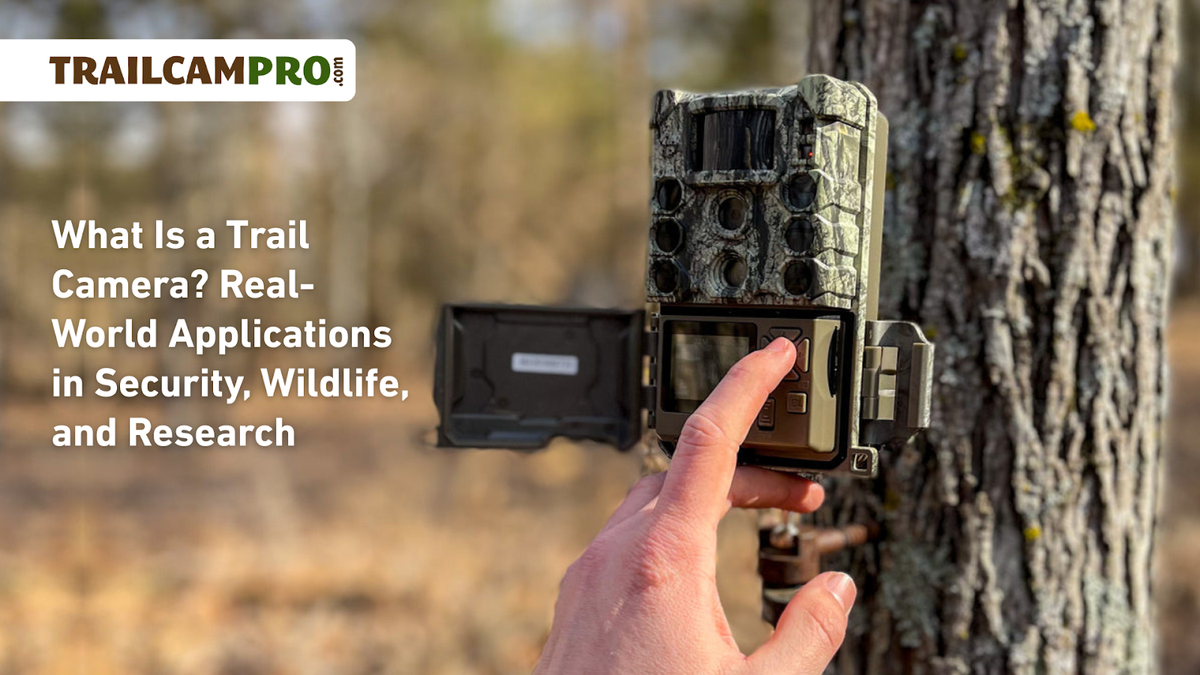
Follow these five simple rules. They form the base of every calm setup.
- Keep human scent low. Wear gloves and scent-free clothes when handling cameras.
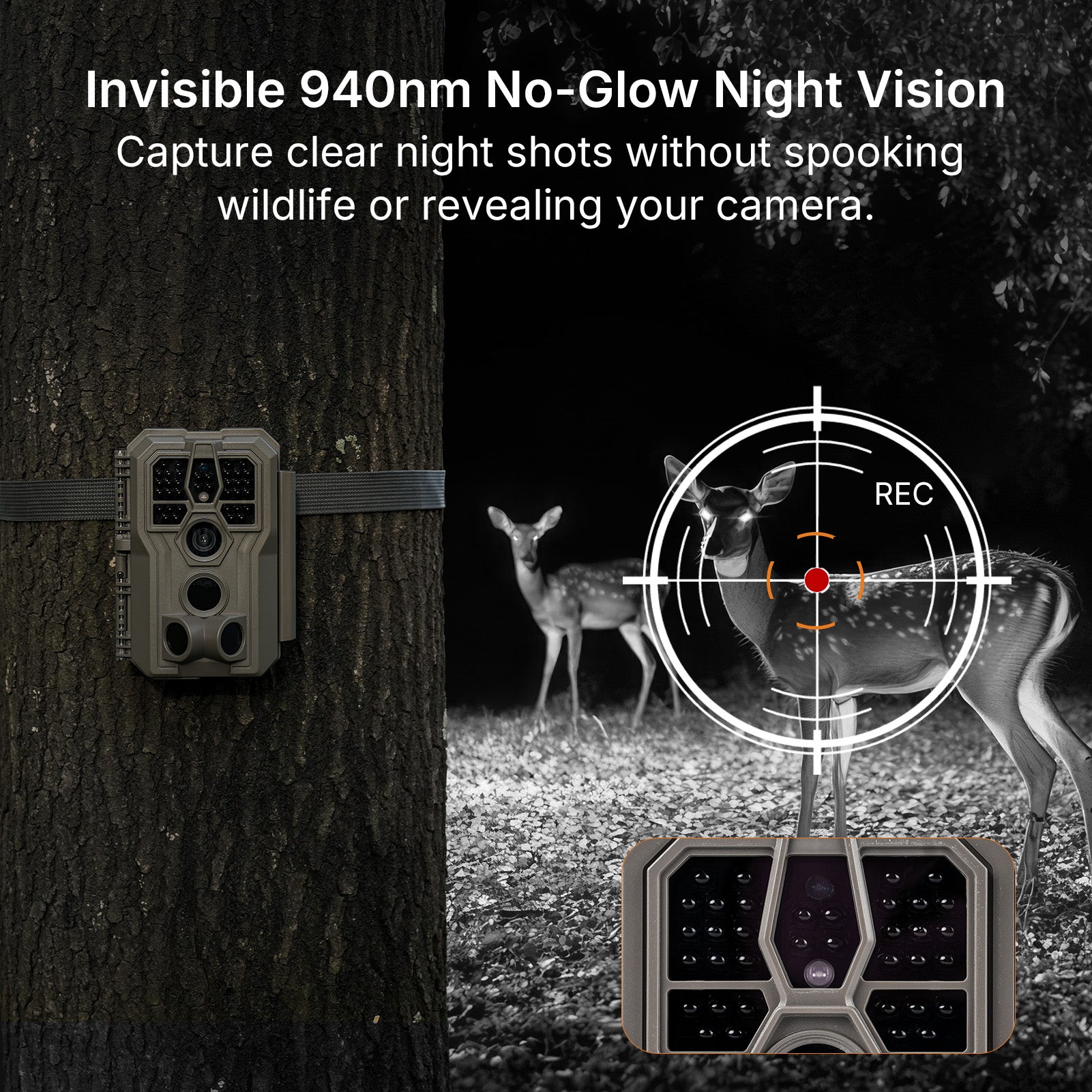
- Use no-glow or low-glow IR. Avoid visible flash that deer can see.
- Minimize visits. Check less often and use remote options when possible.
- Mount with quiet hardware. Avoid metal straps that creak in wind.
- Blend into the site. Use camo, natural cover, and angle cameras off the trail.
These rules work together. If you miss one, deer may still react. I learned this the hard way after early setups with visible flash and frequent checks scared animals for weeks.
Best camera types and settings to use trail camera without spooking deer
Pick gear designed for stealth. The right camera and settings make a big difference.
- Camera type: Use no-glow infrared or low-glow black LED cameras. They do not produce visible light.
- Trigger speed: Choose a fast trigger (0.2–0.5 seconds). Faster triggers reduce chance of missed images.
- Recovery time: Set short recovery (5–10 seconds) so the cam captures groups without many triggers.
- Sensitivity: Lower sensitivity in windy areas to avoid false triggers and repeated visits.
- Image size: Use medium image size to save battery and reduce need to check the camera.
I switched to no-glow cameras years ago. Deer stopped pausing and staring at setups. A faster trigger also raised my capture rate on trails.

Placement strategies to use trail camera without spooking deer
Where you put a camera matters as much as what camera you use. Follow simple placement ideas.
- Height: Mount at deer chest height (about 28–36 inches). This gives natural angles.
- Angle: Point slightly along the trail, not straight across. Side shots look natural.
- Distance: Sit 10–20 feet from the expected path for close images without startling animals.
- Backdrop: Place with a clean background to reduce motion false triggers from branches.
- Concealment: Hide the camera behind bark or foliage. Use natural cover, not fresh cut branches.
Avoid placing cameras where deer will see a sudden shiny object. I once put a camera on a birch sapling; the white trunk drew attention. Moving it to a darker tree solved the problem.

Scent and human sign control when you use trail camera without spooking deer
Deer rely heavily on smell. Work to leave no trace.
- Clean gear: Use unscented soap and rinse hands. Store cameras in sealed bags.
- Gloves: Wear clean gloves while handling and mounting.
- Minimize human paths: Take a new approach route and vary it. Avoid leaving a worn path.
- Time your visits: Check cameras at dusk or dawn when human scent disperses less quickly.
- Leave no marks: Avoid breaking saplings, leaving tape, or obvious human marks.
I learned to keep a “field kit” of rubber gloves and sealed bags. That small habit cut down odd deer reactions near my cameras.

Monitoring and remote options to use trail camera without spooking deer
Remote monitoring reduces visits and disturbance.
- Cellular cameras: Send images to your phone, cutting trips to the site.
- Bluetooth: Use short-range checks from vehicle or stand to limit close approaches.
- Solar power: Longer battery life means fewer returns.
- Data planning: Schedule checks every 2–6 weeks depending on battery and memory.
Switching to a cellular cam reduced my in-field trips. The deer recovered faster and started showing natural behaviors in photos.
How to test and adapt setups when you use trail camera without spooking deer
Test small and adapt quickly. Use control setups and note deer behavior.
- A/B test: Put two cameras side-by-side with different settings to compare results.
- Note behavior: Look for staring, sudden stops, or detours around the camera.
- Try alternatives: If deer react, change angle, height, or camo and retest.
I ran small tests at new spots for a month. Simple tweaks like angling the cam slightly off-path stopped wary deer from changing routes.

Common mistakes to avoid when you use trail camera without spooking deer
Avoid these frequent traps.
- Using visible flash: It can alert deer and change their habits.
- Checking too often: Human visits leave scent and visual traces.
- Mounting on new cuts: Freshly cut branches smell and look odd.
- Poor concealment: Leaving shiny straps or tape exposes the cam.
- Loud setup tools: Metal buckles or noisy straps in wind spook deer.
I once used a metal strap in a windy area. The creak at night triggered deer avoidance for weeks. Swapping to soft tie straps solved it.
People also ask about how to use trail camera without spooking deer
What do readers commonly wonder? Here are short answers.
Will deer see camera flash at night?
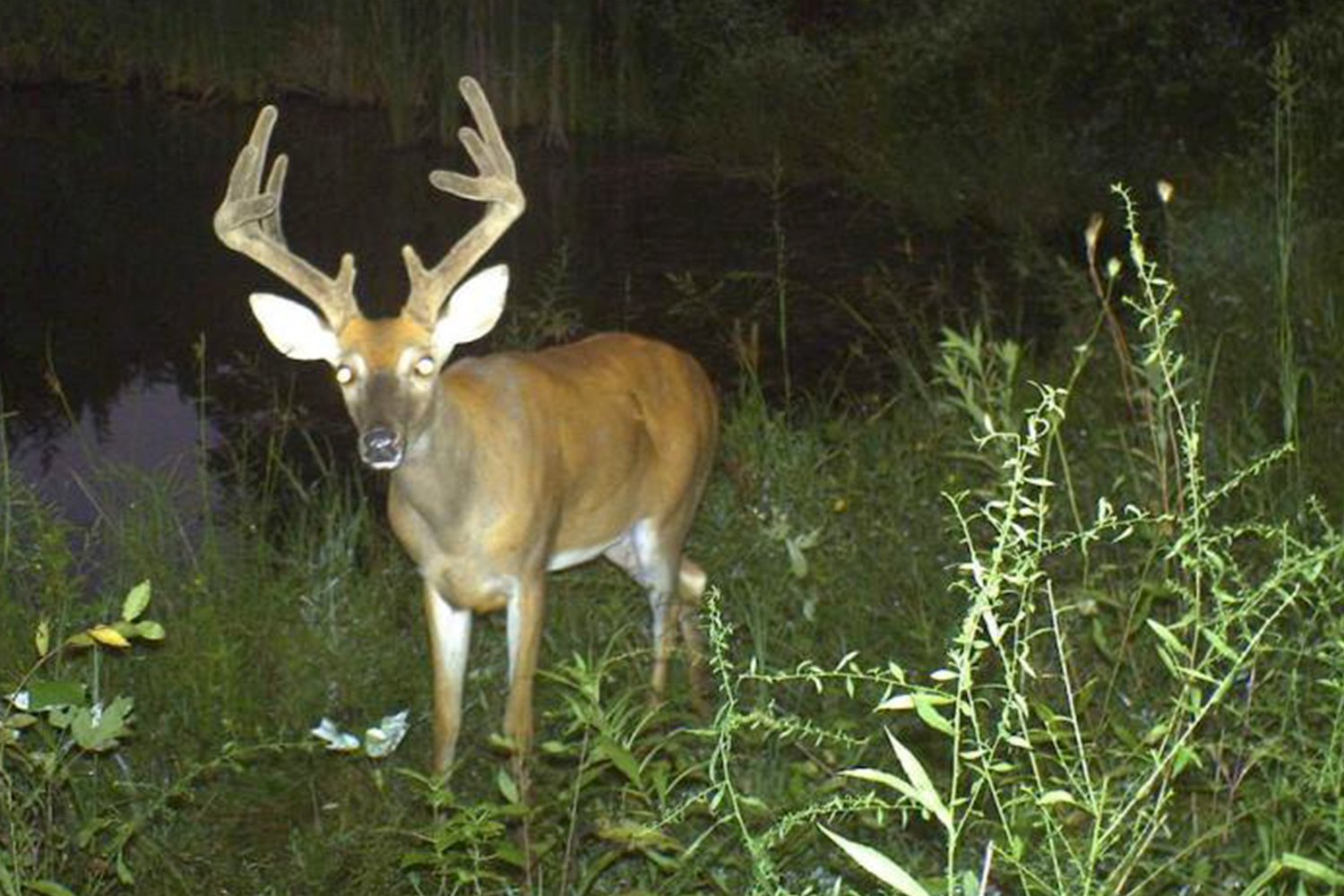
Yes. Visible flash can be noticed by deer. Use no-glow IR to avoid detection and behavioral changes.How often should I check a camera?
Check every 2–6 weeks when possible. Fewer visits reduce scent and human impact on deer.Can I use human scent deterrents?
Avoid strong scents. Masking scents can confuse deer. Best is to minimize scent, not add new smells.
Frequently Asked Questions of how to use trail camera without spooking deer
How close should I mount the camera to a deer trail?
Mount the camera 10–20 feet from the trail and 28–36 inches high for natural images. Angling slightly along the trail keeps shots natural and reduces noticeability.
Does no-glow really stop deer from seeing cameras?
No-glow IR emits no visible light and greatly lowers camera detection by deer. Many hunters report more natural behavior when using no-glow models.
How do I reduce human scent at a site?
Wear gloves, store gear in sealed bags, and limit visits. Approach from different angles and avoid leaving fresh cuts or tracks.
Is remote (cellular) better for stealth?
Yes. Cellular or Bluetooth cameras cut in-person visits and lower disturbance. Battery life and service coverage are the trade-offs.
What is the best time to set up a camera to avoid spooking deer?
Set up at dusk or dawn when deer are active and human scent dispersal is different. Avoid heavy human traffic times and set up quietly.
Conclusion
You can learn how to use trail camera without spooking deer by focusing on scent, gear, placement, and fewer visits. Start small, test gear, and adopt low-profile habits like no-glow IR, gloves, and remote monitoring. Try one change at a time and watch how deer return to normal behavior. If you found these tips helpful, try them on your next outing and share your results or questions in the comments.
As an Amazon Associate, I earn from Qualifying Purchases.