Most trail cameras use 4 to 12 batteries; 8 AA lithium cells are a common, long-lasting choice.
I’ve set dozens of trail cameras for seasons of wildlife study and hunting. In this guide I show you exactly how many batteries for trail camera setups, why counts vary, and how to get the longest run time. You’ll learn battery types, real-life runtime estimates, settings that matter, and clear tips I use in the field to avoid dead cameras.

How many batteries for trail camera: the simple answer and quick rules
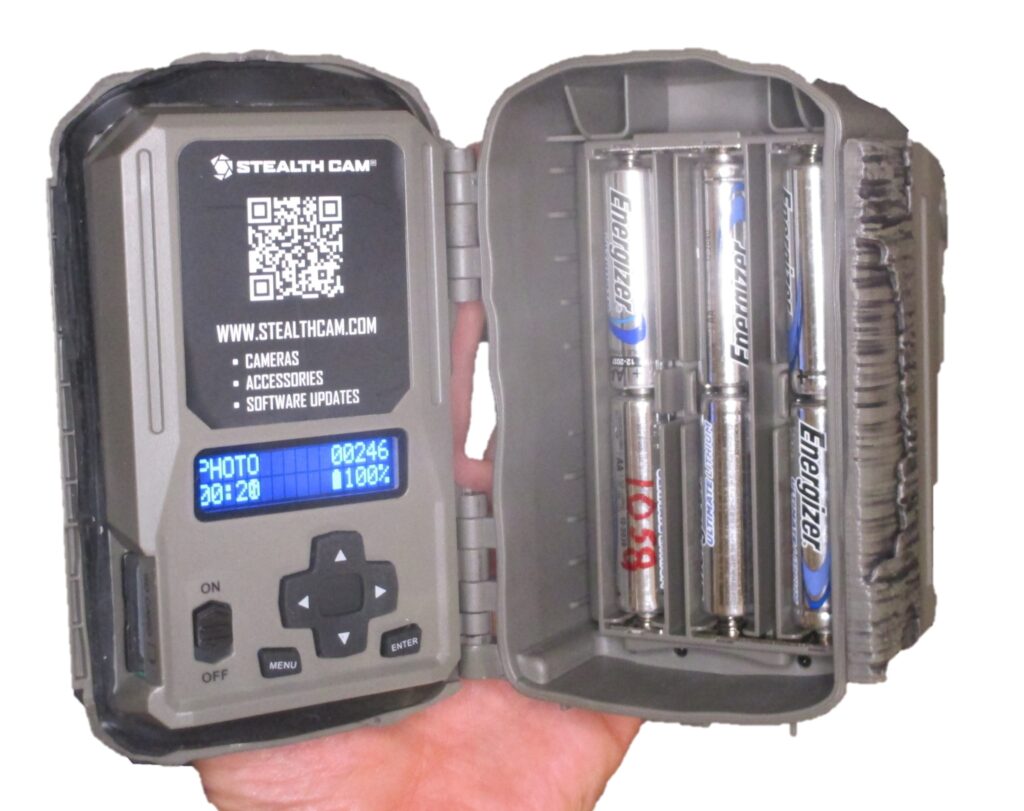
Most trail cameras accept 4, 6, 8, or 12 battery slots. The exact number depends on the camera model and its internal battery compartment. Common configurations are:
- 4 AA cells for basic, low-power models.
- 8 AA cells for mid-range models and longer life.
- 12 AA cells for power-hungry cameras with frequent video or IR flash.
- 4 or more CR123A or Li-ion cells in some compact models or battery packs.
How many batteries for trail camera matters less than battery type and use patterns. A camera with 8 AA alkaline used heavily can die faster than a camera with 4 quality lithium cells used lightly. I learned this the hard way during a winter monitoring trip when alkaline packs failed at low temperature. That taught me to match battery chemistry and count to conditions and settings.

Battery types and how many you’ll need
Battery chemistry changes runtime a lot. Below are the main types and what they mean for how many batteries for trail camera use.
AA alkaline
- Usually cheap and widely available.
- Common counts: 4, 6, 8, or 12 depending on camera.
- Not ideal in cold weather; capacity drops fast.
AA lithium (non-rechargeable)
- Higher capacity and better cold performance.
- Same counts as AA alkaline but lasts much longer.
- Best mid-range choice in most field setups.
NiMH rechargeable AA
- Reusable and cost-effective long-term.
- Slightly lower voltage per cell but stable under load.
- Use high-capacity 2000–2600 mAh cells for best life.
CR123A lithium
- Found in some cameras; higher voltage per cell.
- Often used in compact or high-drain models.
- Count varies—check camera specs for required number.
External Li-ion packs or proprietary battery packs
- Some cameras allow a 6V, 7.2V, or higher external pack.
- These can replace many AAs and give long life.
- Useful when you want to use fewer items but higher capacity.
I usually opt for 8 AA lithium cells for most cameras. That balance of count and chemistry keeps units running for months, even with moderate trigger rates.

Battery life estimates and key factors that affect runtime
Exact runtimes vary a lot. Here are simple estimates and the factors that change them.
Estimated runtimes (typical conditions)
- 4 AA alkaline: 1–3 months with light triggers and photos only.
- 8 AA alkaline: 2–6 months with light use.
- 8 AA lithium: 6–12+ months with light to moderate use.
- 12 AA alkaline: 3–9 months with mixed use.
- External Li-ion pack: weeks to a year depending on capacity.
Factors that shorten battery life
- Flash type: No-glow or infrared LEDs use more power than low-power flashes.
- Video mode: Recording video drains batteries far faster than still photos.
- Trigger rate: More triggers = more power used.
- Temp: Cold cuts capacity dramatically for alkalines.
- Signal features: Cellular uploads, GPS, and Wi-Fi drain extra power.
- PIR sensitivity and camera placement: High sensitivity can cause false triggers.
From my field tests: switching video off and using high-quality lithium cells added months of life to a camera that had been dying in three weeks on alkaline cells.

Practical tips to maximize battery life in the field
Use these proven actions to stretch runtime and reduce visits to remote cameras.
Choose the right chemistry
- Use AA lithium or high-capacity NiMH cells whenever possible.
- Prefer lithium for cold climates and long deployments.
Optimize camera settings
- Shoot photos instead of video when possible.
- Increase trigger delay and lower trigger sensitivity to avoid false triggers.
- Reduce image resolution if you don’t need high detail.
Use external power
- Attach an external battery pack or deep-cycle bank for long monitoring.
- Add a small solar panel in open areas to maintain charge.
Reduce network use
- Turn off cellular or Wi-Fi when not needed.
- Batch uploads or use scheduled upload windows.
Field habits that help
- Test batteries with a meter before deployment.
- Mark installation dates and log battery type and mAh.
- Warm cameras in cold weather before replacement.
One tip I rely on: keep a small notebook at the trail camera site with battery type and install date. That simple habit cut unnecessary hikes by half in one season.
Choosing batteries and accessories: what I recommend
Selecting the right products saves time and money. Here’s what I prefer and why.
Battery choice
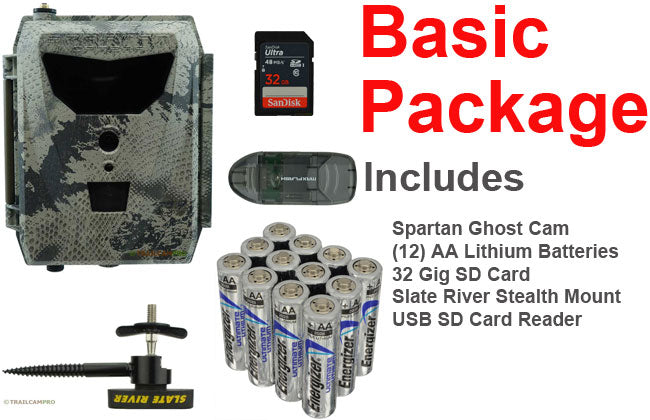
- Use AA lithium for best single-use performance and cold weather.
- Use NiMH rechargeables for eco-friendly repeated use; bring a good charger.
- Avoid cheap no-name alkalines for long deployments.
Accessories
- External battery pack with a weatherproof box extends life greatly.
- Small solar panel kit if placement gets sunlight.
- A quality battery tester or multimeter for quick checks.
Storage and handling
- Store batteries in a cool, dry place.
- Keep spare cells in airtight containers to avoid discharge.
- Label rechargeable packs with charge cycles and replace after ~500 cycles.
I once carried an extra external pack in my pack and swapped it out on a windy day. The camera ran uninterrupted for the rest of the month. Having the right accessories avoids lost data and wasted time.

Troubleshooting and common battery mistakes
If your camera dies early, check these likely issues before changing more batteries.
- Wrong chemistry or mixed types
- Mixing old and new, or different chemistries, lowers performance.
- Cold exposure
- Batteries can appear dead at low temps but recover when warm.
- High upload or video settings
- Cellular and video modes drain major power quickly.
- Poor contacts or corrosion
- Check terminals and clean them if needed.
- Firmware bugs
- Some firmware versions have battery drain issues—update when possible.
A common mistake I made was mixing NiMH and alkaline cells during a field swap. The camera would act erratic. Now I always carry a single battery type for each camera.
People also ask — short helpful answers
Q: How long will 8 AA batteries last in a trail camera?
A: Eight AA lithium cells can last from several months to a year with light use. Heavy video use or cellular uploads will cut that time dramatically.
Q: Can I use rechargeable batteries in a trail camera?
A: Yes, NiMH rechargeables work well and save money over time. Use high-capacity cells and a quality charger for best results.
Q: Do trail cameras use AA or CR123 batteries?
A: Many models use AA cells, but some compact or high-drain cameras use CR123A or proprietary packs. Check your camera manual for the required type.
Q: Will battery life drop in cold weather?
A: Yes, especially for alkaline cells. Lithium and Li-ion packs handle cold better and maintain more capacity.
Q: Is it better to get more batteries or a solar pack?
A: For long remote deployments, an external battery pack plus a small solar panel usually beats carrying many spare batteries. Solar reduces maintenance trips.
Frequently Asked Questions of how many batteries for trail camera
How many AA batteries are best for a trail camera?
Most trail cameras perform best with 8 AA batteries for a balance of runtime and size. Some models use 4 or 12, so check your camera’s spec.
Do lithium batteries last longer in trail cameras?
Yes. Lithium AA cells typically offer far longer life and better cold-weather performance than alkaline cells. They are often worth the extra cost.
Can I use rechargeable batteries in trail cameras?
You can. High-capacity NiMH rechargeables work well and save money over time. Make sure the camera supports the slightly lower voltage.
Will using video mode reduce battery life?
Yes. Video consumes a lot more power than taking still photos. Switching to photos or reducing video length will extend battery life significantly.
How do external battery packs compare to many AA cells?
External Li-ion packs usually provide greater total capacity and fewer swaps than many AA cells. They are a solid choice for long-term monitoring.
How often should I change batteries in a trail camera?
Change frequency depends on battery type, camera settings, and trigger rate. With lithium cells and light use, check every 3–6 months; with heavy use, check monthly.
Final thoughts and next steps
Choosing how many batteries for trail camera is about matching the camera, battery chemistry, and your goals. Use AA lithium or quality NiMH cells, reduce power-hungry settings, and consider external packs for long deployments. Small habits—logging install dates, testing batteries, and optimizing settings—save time and keep your data safe.
Take action today: check your camera manual, pick the right battery type, and try one deployment with new settings and batteries. Share your results or questions below and subscribe for more field-tested tips.
As an Amazon Associate, I earn from Qualifying Purchases.