Trail cameras do need batteries, though some models accept external or solar power.
As a long-time user and tester of trail cameras, I’ll walk you through everything about Do trail cameras need batteries, from common battery types and real-world runtimes to ways to stretch power and battery-free alternatives. I’ve set up dozens of units in cold winters and hot summers, learned which batteries fail first, and can help you choose what works best for your setup. Read on to get clear, practical answers and tips you can use the next time you mount a camera.
How trail cameras are powered and why batteries matter
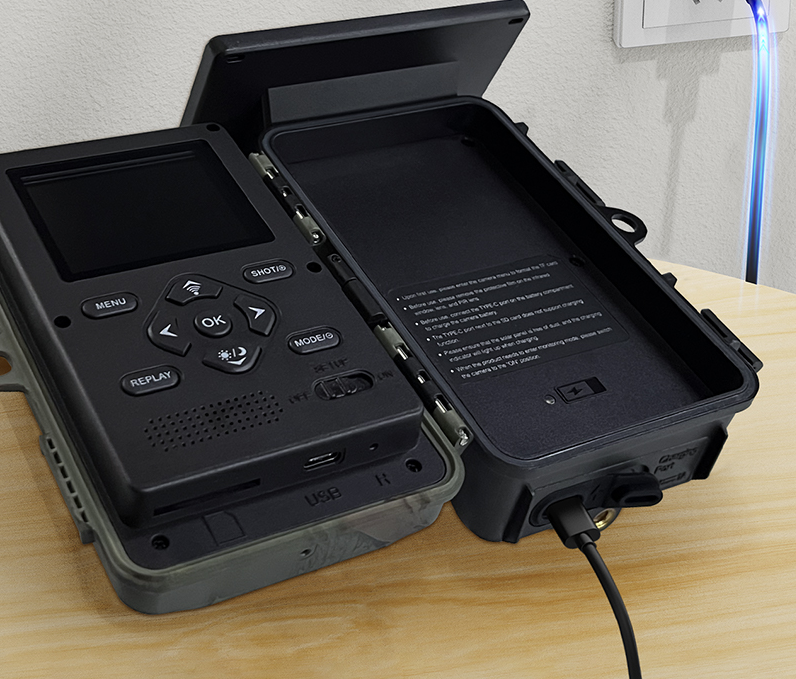
Do trail cameras need batteries? Yes, most rely on batteries as their primary power source. Batteries supply the camera’s standby electronics, motion sensors, flash or infrared LEDs, and sometimes cellular transmitters. The choice of battery affects reliability, runtime, and performance in different weather conditions.
Common power pathways include internal battery compartments, removable battery packs, and external power inputs for solar panels or DC adapters. Cellular trail cameras draw more power because they upload images, so their battery needs differ from basic passive cameras. Knowing how your camera draws power helps you plan maintenance and reduce downtime.

Common battery types for trail cameras and pros/cons
Do trail cameras need batteries of a specific type? Many manufacturers recommend certain chemistries. Here are the typical options and what to expect.
- AA alkaline cells
- Easy to buy and cheap.
- Shorter life in cold weather and under heavy use.
- AA lithium (non-rechargeable)
- Longer lasting and better in cold.
- Higher upfront cost but extended runtime.
- NiMH rechargeable AA
- Reusable and eco-friendly.
- Self-discharge can be an issue unless low-self-discharge batteries are used.
- CR123A and CR2 lithium
- Common in compact cameras and older models.
- High energy density and good cold-weather performance.
- Proprietary Li-ion packs and 6V/12V battery packs
- High capacity and often used with cellular cameras.
- More expensive; need correct connector and charging method.
Choose batteries that match your camera’s specs. If the manual says lithium, you can still try NiMH, but expect different runtime and possible warranty concerns. I learned the hard way to check chemistry recommendations before field deployment.

Battery life: what affects how long batteries last
Do trail cameras need batteries that last for weeks or months? That depends on many factors. Battery life is affected by camera settings, environment, and how often the camera is triggered.
- Trigger frequency
- More motion events mean more photos or videos, which drains batteries faster.
- Flash type
- No-glow or low-glow infrared LEDs use more power than simple passive detection.
- Image resolution and video length
- Higher resolution and long video clips increase consumption.
- Cellular uploads and signal strength
- Cellular cameras use significant power to send images, especially with weak signal.
- Temperature
- Cold reduces battery capacity, sometimes by 30% or more.
- Standby power draw
- Older or cheaper models may use more energy in idle mode.
Typical runtimes range from a few weeks for heavy-use cellular cameras on alkalines to several months for simple cameras on lithium cells. Always test a setup in conditions similar to where you’ll deploy it.
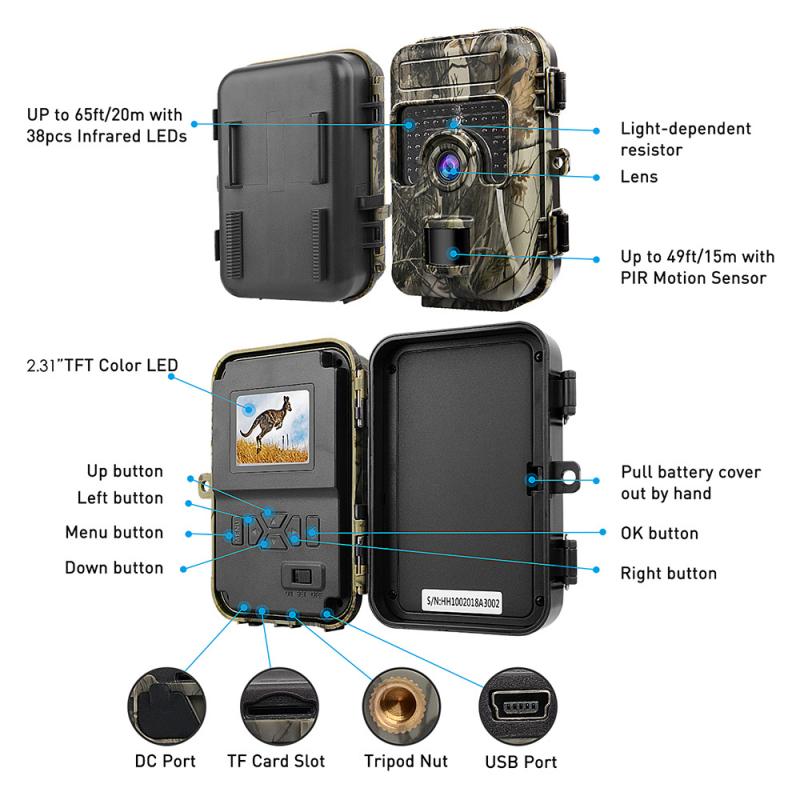
Practical ways to extend battery life in the field
If you ask Do trail cameras need batteries that last forever, the honest answer is no—but you can make them last much longer. Use these practical tips to extend runtime.
- Use recommended battery chemistry
- Switch to lithium AA or high-quality low-self-discharge NiMH if the camera supports them.
- Lower image resolution and shorten video clips
- This reduces storage writes and power use.
- Reduce trigger sensitivity and detection time
- Fewer false triggers conserve energy.
- Turn off extras
- Disable time-lapse, frequent status reports, or Wi‑Fi that you do not need.
- Use external power
- Add an external battery pack or solar panel for long-term deployments.
- Position for signal strength
- For cellular units, mount where signal is strongest to cut upload retries.
From my experience, switching from alkalines to AA lithium often doubled runtime in cold months. Small changes in settings can add weeks to battery life.

Installing and replacing batteries safely
Do trail cameras need careful battery handling? Yes—proper installation avoids corrosion, loss of data, and camera failures. Follow these simple steps when changing batteries.
- Power down the camera before opening the compartment.
- Use the battery orientation markings and avoid mixing old and new cells.
- Clean contacts with a dry cloth and a small brush to remove corrosion.
- Check seals and gaskets to keep moisture out after replacing batteries.
- Log the replace date so you can track runtime and spot failing units.
A simple habit of marking installation dates saved me repeat trips to remote sites. Also carry spare seals and a small cleaning kit in your field pack.

Alternatives to battery-only setups
Do trail cameras need batteries if you want hands-off operation? Not always. Several alternatives reduce or eliminate battery swaps.
- Solar panels
- Great for sunny locations; pair with a charge controller and backup battery.
- External deep-cycle batteries
- Used for long-term monitoring with low maintenance.
- AC power
- Use where permanent power is available.
- Hybrid setups
- Battery plus solar keeps cameras running through variable weather.
Each option has trade-offs: solar adds bulk and theft risk, and external batteries need secure mounts. In my work monitoring a remote trail, a small solar panel with a sealed lead-acid backup cut visits from monthly to quarterly.
Personal experience: mistakes, lessons, and best setups
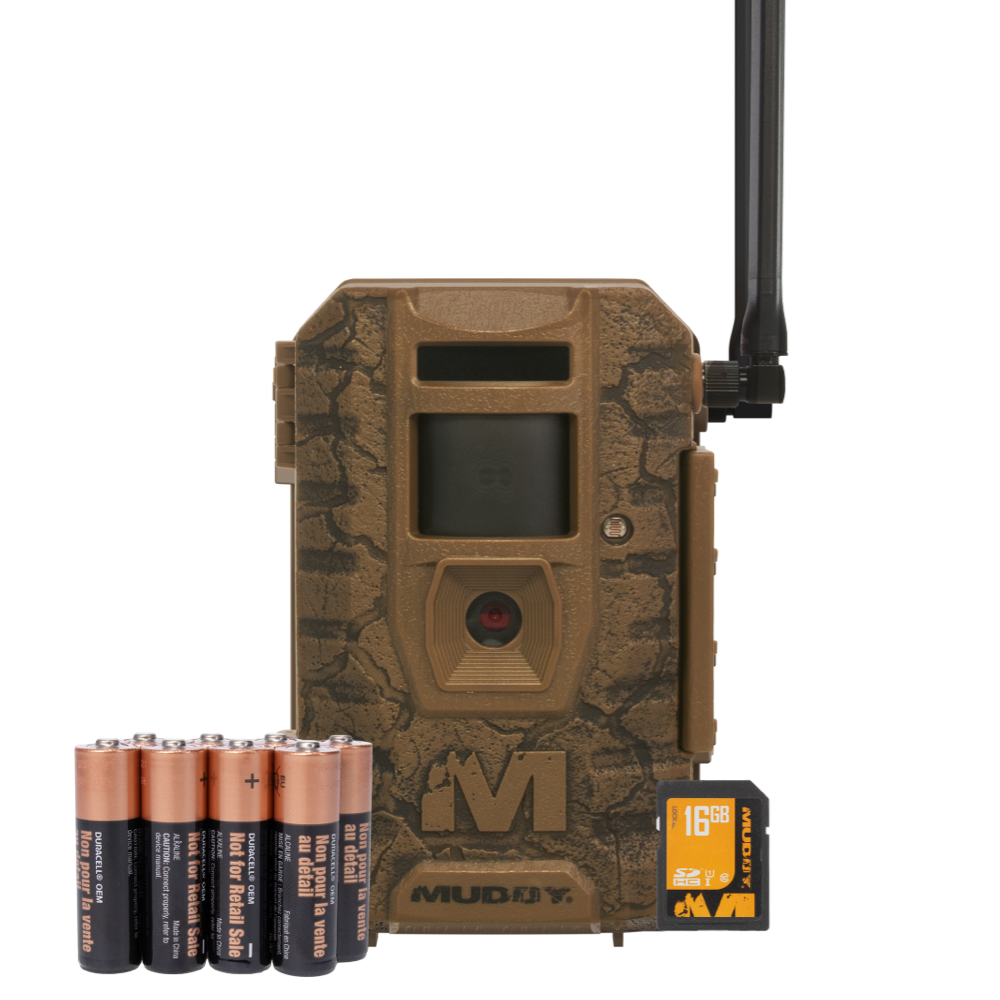
Do trail cameras need batteries chosen by trial and error? My testing journey taught me some clear lessons. Once I used cheap alkaline cells in a cellular camera and got only two weeks of life in winter. After switching to AA lithium and tweaking upload schedules, runtime extended to two months.
Lessons learned
- Always test in real conditions before long-term deployment.
- Log battery installation dates.
- Use fresh batteries for important monitoring windows.
- Secure and hide external power to reduce theft.
My preferred setup for remote year-round monitoring is a lithium AA pack with a small solar trickle charge. That combo offers reliability and reduces maintenance trips.
PAA-style questions (quick answers you may search for)
Do trail cameras need batteries if they have a solar panel?
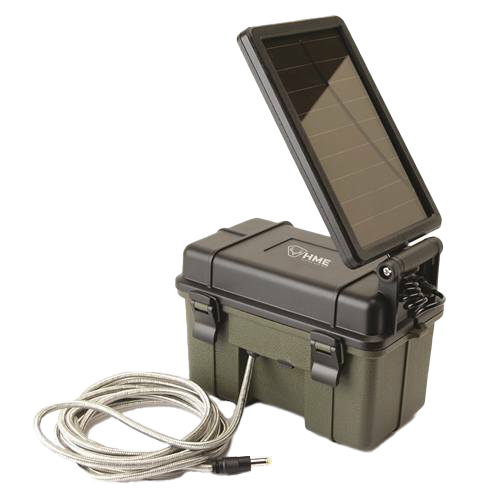
- Solar panels still rely on batteries to store energy. The panel charges a battery that powers the camera when sunlight is low.
Do rechargeable batteries work in all trail cameras?
- Rechargeable NiMH work in many cameras, but check compatibility and note they may show different voltage behavior than alkalines.
Can I use any brand of battery in my trail camera?
- Use reputable brands and the chemistry recommended by the manufacturer. Cheap cells often fail faster, especially in cold.
Will cellular trail cameras drain batteries faster than non-cellular ones?
- Yes, cellular uploads consume more power, particularly with frequent uploads or poor signal strength.
How does cold weather affect battery life?
- Cold reduces capacity substantially. Lithium cells handle cold better than alkalines, but all batteries perform worse in low temps.

Frequently Asked Questions of Do trail cameras need batteries
Do trail cameras need batteries to operate at all times?
Most trail cameras need batteries to operate, even if they accept external power. Batteries provide stable power for sensors, memory writing, and startup cycles.
How many batteries does a typical trail camera use?
Typical trail cameras use 4 to 12 AA batteries or a proprietary pack. The exact count depends on the model and its power needs.
Can I leave batteries in a trail camera over winter?
You can, but battery capacity drops in cold weather and leakage risk rises with cheap cells. Use lithium batteries or remove batteries for storage to protect the camera.
Are rechargeable batteries a good choice for trail cameras?
Rechargeable NiMH are a good eco-friendly option if your camera supports them. Choose low-self-discharge cells and expect somewhat different voltage behavior.
How often should I check batteries in a deployed camera?
Check based on usage and season—typically every 4 to 12 weeks for lithium setups, or every 2 to 6 weeks for alkalines. Heavy-use or cellular units need more frequent checks.
Conclusion
Batteries are the core power source for most trail cameras, and choosing the right type makes the difference between frequent battery swaps and months of reliable service. Use lithium or quality rechargeable cells, optimize camera settings, and consider solar or external packs for long-term monitoring. Test your setup in real conditions, log installation dates, and secure your power gear to avoid surprises. Start by swapping to recommended batteries and adjusting one setting—then monitor improvements and refine your setup; you’ll save time and get more useful images. If this helped, try a small field test with fresh lithium AAs and share your results or questions below.
As an Amazon Associate, I earn from Qualifying Purchases.