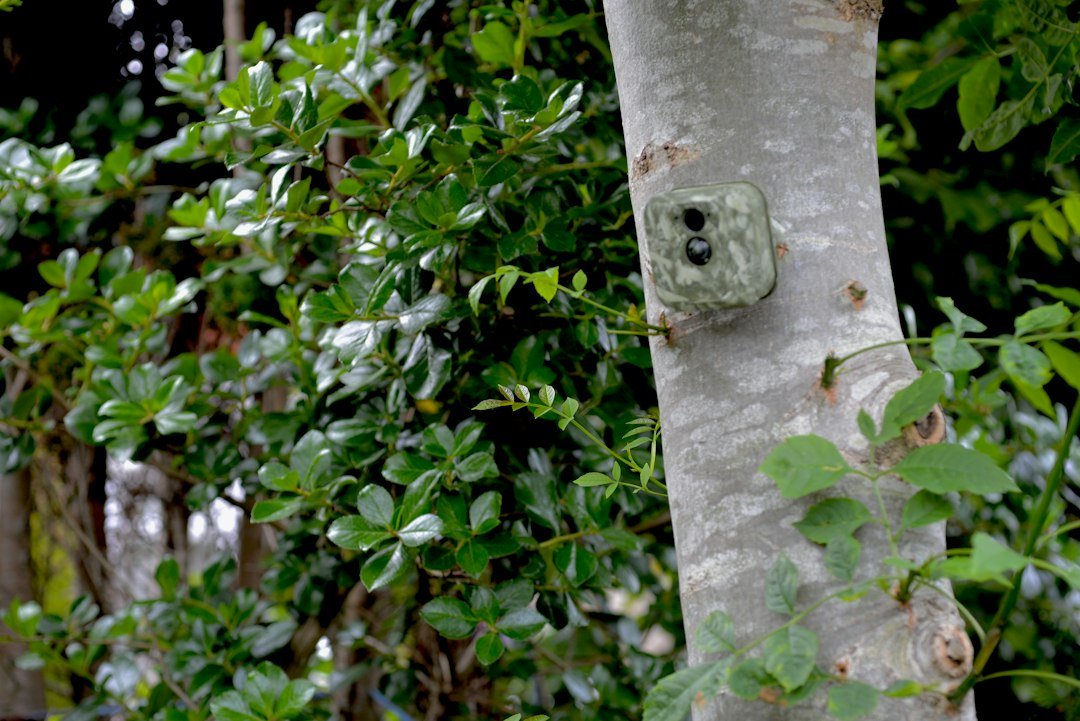
How many batteries does a trail camera take? Depending on the model, a trail camera may use 4, 6, 8, or 12 AA batteries, or a dedicated rechargeable battery pack. Always verify the exact number and battery chemistry in your camera’s manual before installation.
Quick Answer: How Many Batteries Does a Trail Camera Take?
Many trail cameras use four, six, eight, or twelve AA batteries, but the exact number depends on the model. Eight and twelve AA batteries are common configurations in full-size wildlife cameras, while compact models may use fewer. Some modern cameras have rechargeable lithium-ion battery packs instead of replaceable AA cells. Others support an external battery or solar accessory. Never choose a battery count from a general article when preparing a specific camera: read the model label and manual first. The battery compartment and polarity diagram tell you how many cells to insert. A camera may look similar to another model from the same brand yet require a different number of batteries.
Why Battery Counts Vary
Trail cameras are designed around different power requirements and physical sizes. A small camera with a modest infrared flash may use fewer cells, while a camera built for long deployments or frequent nighttime images may hold more. Cellular models also need power for network communication, although the number of batteries alone does not determine runtime. Internal circuitry, voltage requirements, battery chemistry, and energy-saving software all affect how the device works. Some models use multiple batteries in a configuration that supplies the required voltage, while others emphasize capacity. You cannot safely infer the operating voltage simply by multiplying the number of visible cells without checking the circuit design. Follow the manufacturer’s battery instructions.
Common Battery Configurations
Four AA batteries are found in some compact cameras. Six AA cells are used by certain models, although this is not universal. Eight AA batteries are a familiar configuration for many standard and cellular cameras. Twelve AA batteries appear in some larger cameras intended for longer unattended operation. These examples describe possible designs, not a promise that every brand offers every configuration. Other cameras may use dedicated rechargeable packs, built-in batteries, or external power. If you are buying batteries before a trip, confirm the exact model number and bring the recommended quantity. Buying a twelve-pack because another camera uses twelve can leave you with the wrong setup.
Do Cellular Trail Cameras Use More Batteries?
Cellular trail cameras may require more energy because they transmit photos or videos over a mobile network. However, a cellular camera does not automatically use more AA cells than every non-cellular model. Some use eight batteries, others use twelve, and some use rechargeable packs or compatible solar accessories. The camera’s network schedule, signal strength, and upload frequency can affect runtime. A camera in weak cellular coverage may spend additional energy trying to communicate, depending on its design. When comparing models, examine manufacturer battery specifications and real-world usage conditions rather than treating battery count as a direct measure of efficiency. A larger battery compartment is not proof of longer service life.
Alkaline vs Lithium AA Batteries
Many trail cameras support disposable alkaline AA batteries, while some also support primary lithium AA cells. Primary lithium batteries can perform better in cold weather in compatible devices, but not every camera supports every chemistry. Do not confuse disposable lithium AA batteries with rechargeable lithium-ion packs. Their electrical characteristics and charging requirements differ. Some models support rechargeable NiMH AA batteries, while others discourage them because of voltage behavior. Always check the manual before changing chemistry. Do not mix old and new batteries or combine brands and types in the same compartment. Use a complete matched set of the approved type for consistent performance and to reduce leakage risks.
Can You Use Rechargeable Batteries?
Some trail cameras accept rechargeable AA batteries or dedicated rechargeable packs, but compatibility is model-specific. Rechargeable NiMH AA cells have different nominal voltage from alkaline AA cells, which can affect battery indicators or operation in certain devices. Dedicated lithium-ion packs must match the camera’s approved specifications and charging method. Never attempt to recharge disposable alkaline or primary lithium AA batteries. If your model supports a rechargeable pack, use the manufacturer’s recommended charger and inspect cables for damage. A rechargeable setup can reduce disposable battery waste for frequent users, but its value depends on how often you check the camera and how much energy the device consumes.
How to Install Batteries Correctly
Turn the trail camera off and open the battery compartment. Inspect the battery tray for polarity symbols showing positive and negative orientation. Insert the exact number of approved batteries according to the diagram, making sure each cell is seated properly. Avoid forcing a battery into place or bending contacts. Close the compartment carefully so the weather seal remains intact. Power on the camera and check its battery indicator if one is available. Take a test photo before mounting it outdoors. If the camera does not turn on, recheck polarity, contacts, and the switch position. Remove batteries before long-term storage if the manufacturer recommends it, especially to reduce the risk of leakage.
What Happens If You Use Fewer Batteries?
Do not assume that a camera will work safely with some battery slots empty. Certain models require every slot to be filled, while others may have documented optional configurations. The correct rule comes from the specific manual. Running with too few batteries can cause the camera not to start, shut down unexpectedly, or fail during nighttime infrared operation. If your camera has a removable battery tray, do not modify the wiring or bypass missing cells. An apparently working camera may still fail when the infrared flash or cellular modem draws extra power. Follow the approved installation pattern rather than experimenting with an incomplete set.
How Long Will the Batteries Last?
Battery life varies widely. The number of cells is only one factor: motion activity, nighttime flash use, video length, temperature, cellular uploads, and battery chemistry also matter. A camera on a quiet trail may last longer than the same model pointed toward a busy gate or moving vegetation. Frequent false triggers can drain power and fill storage. Test your camera’s actual battery consumption over an initial short deployment, then set a maintenance schedule. If the model supports a compatible solar panel or external pack, that may extend operating time. Our trail camera battery life guide explains the major variables.
How to Check Battery Requirements Before Buying
Find the exact model name and number on the camera body, packaging, receipt, or official product page. Search for the manufacturer’s instruction manual and locate the power specifications. Confirm the number of AA batteries, the approved chemistry, and whether the device has a rechargeable pack or external power input. Check whether batteries are included with the camera. If a listing says batteries sold separately, include their cost in your purchase budget. Avoid relying on marketplace answers about a different model generation. The official manual is especially important when a brand offers several similar-looking cameras with different battery trays.
Battery Requirements for Muddy Cameras
Muddy has sold several camera families with different power arrangements. For example, the official Manifest 3.0 cellular product information specifies eight AA batteries. Other Muddy models may have different battery requirements. Check the precise model number rather than assuming all Muddy cameras use eight. Battery installation, card setup, and activation steps may also vary between a Pro-Cam and a cellular Manifest or Matrix. If you are using one of these devices, our Muddy setup guide explains how to start with the model-specific manual. Do not mix battery types or use an unapproved external power supply.
External Batteries and Solar Power
Some trail cameras provide a port for a manufacturer-approved external battery or solar accessory. This can be useful when the camera is installed far from home or takes frequent nighttime pictures. Compatibility matters more than connector appearance: voltage, polarity, plug size, charging design, and weather sealing must match the camera’s specifications. A generic power bank may not provide the correct output, and an incorrectly connected source can damage the device. Follow the official installation instructions and route cables so they do not create hazards or allow water into the housing. Solar panels also depend on sunlight and the capacity of the attached battery, so they are not a guarantee of uninterrupted operation.
Cold Weather and Battery Performance
Cold temperatures can reduce the available performance of many battery types, particularly during high-current activities such as infrared illumination or cellular transmission. A camera may show a reasonable battery level during the day but shut down when trying to capture nighttime images. Use the chemistry approved by the manufacturer for the expected temperatures. Check that the battery compartment is dry and contacts are clean. Avoid opening the camera unnecessarily during rain or snow. If the device will operate through winter, test it in conditions similar to those at the installation site and inspect it more often initially. Do not assume that a larger number of batteries eliminates cold-weather limitations.
Troubleshooting Low Battery Warnings
If a camera displays a low battery warning shortly after installing new cells, verify the battery type, polarity, and contact condition. Confirm that the batteries are fresh and from a consistent set. Some devices estimate battery level differently depending on chemistry, so the indicator may not perfectly reflect remaining capacity. Check for unusually frequent motion triggers, long video settings, or repeated cellular transmission attempts. If the camera works by day but fails at night, infrared flash power demand may expose a weak battery set. A controlled test with approved fresh batteries can help isolate the problem. For additional diagnosis, see our trail camera troubleshooting guide.
How to Reduce Battery Replacement Costs
Avoid false triggers by clearing moving vegetation from the detection zone and aiming the camera carefully. Choose a sensible recovery delay and recording mode that still captures the activity you need. Reduce unnecessary long video clips if still photos meet your purpose. Use approved rechargeable packs when supported and compare their upfront cost with repeated disposable battery purchases. Check the manufacturer’s advice before using solar accessories. A good maintenance routine can prevent wasted trips and lost recordings. Our camera aiming guide offers practical placement tips that can also help reduce needless captures.
Frequently Asked Questions
Do all trail cameras take eight AA batteries? No. Battery counts vary by model. Can a trail camera use twelve batteries? Some models are designed for twelve AA cells. Can I use four batteries in an eight-battery camera? Only if the official manual explicitly permits that configuration. Are lithium AA batteries better? They may offer advantages in compatible cameras, especially in cold conditions, but follow manufacturer guidance. Can I recharge regular AA batteries? Never recharge disposable alkaline or primary lithium batteries. Do cellular cameras need more power? Cellular transmission can increase energy demand, but runtime varies. Does a solar panel replace batteries? Not necessarily; many systems use a battery for storage and backup.
Final Answer and Sources
A trail camera may take four, six, eight, twelve, or another number of batteries, depending on its design. The only reliable way to determine the exact count for your camera is to check the model’s official manual and battery compartment. For brand-specific information, consult Browning Trail Cameras, Tactacam, or Muddy product support. If you provide the brand and model number, you can determine the correct battery quantity and approved chemistry without guessing.
As an Amazon Associate, I earn from Qualifying Purchases.