
A hidden camera can often be spotted by lens glints, strange reflections, or odd wiring.
I’ve spent years testing privacy tools and inspecting spaces for covert devices. This guide explains how do you detect if a camera is watching you, step by step. Read on for practical checks, easy tools, and real examples you can use today to protect your privacy.
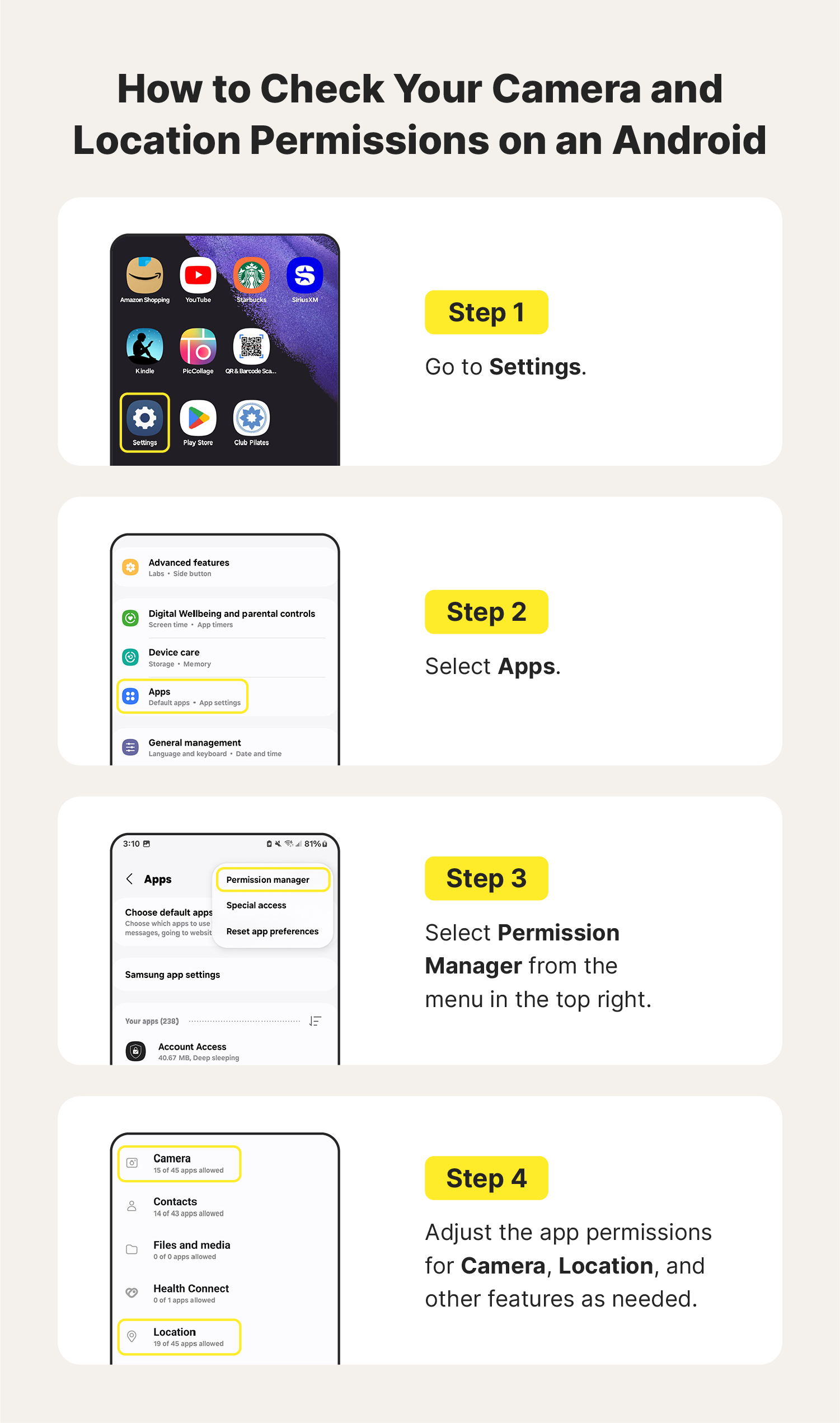
Signs a camera might be watching you
Start by looking for small clues. Cameras need line of sight, power, or a place to hide. Odd behaviors or items out of place can signal a device.
Common signs to watch for:
- Small, unnatural holes or gaps in walls, vents, clocks, or smoke detectors that face living areas.
- Tiny reflective dots or glints when you shine a light across a room.
- Unexplained wires, USB chargers, or battery packs in odd places.
- Devices placed where they can see beds, desks, or changing areas but seem unnecessary.
- Interference on wireless networks or strange Bluetooth devices that appear nearby.
These simple signs often reveal hidden cameras before you need any tool.

How to physically inspect a room
A short, methodical sweep works best. Move slowly and check likely hiding spots.
Step-by-step physical check:
- Scan eye level and above for smoke detectors, speakers, vents, clocks, mirrors, and art.
- Use a flashlight at an angle to sweep walls and objects. Look for lens reflections or small glass surfaces.
- Inspect electronics and new-looking items. Open battery compartments and look for extra wiring.
- Check mirrors with the fingernail test: press a fingernail against the glass. If there is a gap, it’s likely a real mirror; if not, it could be two-way glass used to hide cameras.
- Look behind curtains, inside hollow furniture, and under lamps or cushions.
Doing a quick physical sweep can answer how do you detect if a camera is watching you in minutes.
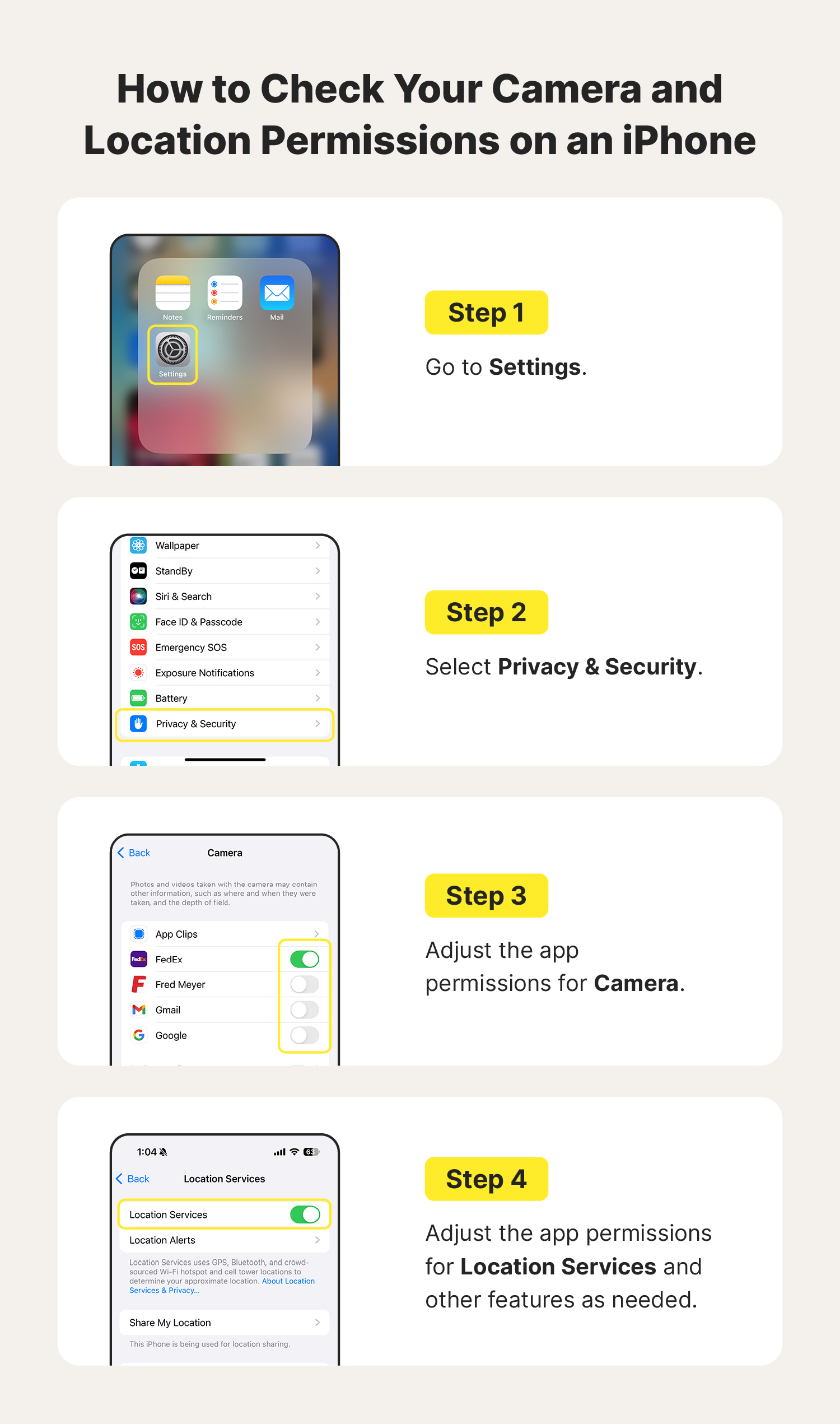
Tech tools to find hidden cameras
You don’t need pro gear to start. Several low-cost tools help you locate lenses and transmitters.
Useful tools and how to use them:
- Flashlight or phone flashlight: A bright light at an angle reveals tiny lens glints.
- Camera lens detector apps: These apps use your phone’s camera to find infrared or lens reflections. Move slowly and cover all angles.
- RF (radio frequency) detector: Scans for wireless camera signals like Wi‑Fi or analog transmitters. Sweep slowly near suspicious items.
- Infrared camera or night-vision viewer: Many hidden cameras emit IR light and will show up clearly on these devices.
- Portable Wi‑Fi scanner apps: Scan for unknown networks or devices broadcasting as cameras.
PAA-style questions:
Can my phone find a hidden camera?
Yes. Your phone can spot camera lens reflections and many IR lights using apps or the phone camera in dark conditions. It is not foolproof but useful for a first check.
Will an RF detector find all hidden cameras?
No. RF detectors catch wireless transmitters but not wired or offline cameras. Use both physical checks and RF scans for best results.
Using these cheap tools gives a clear path to answer how do you detect if a camera is watching you without hiring a pro.
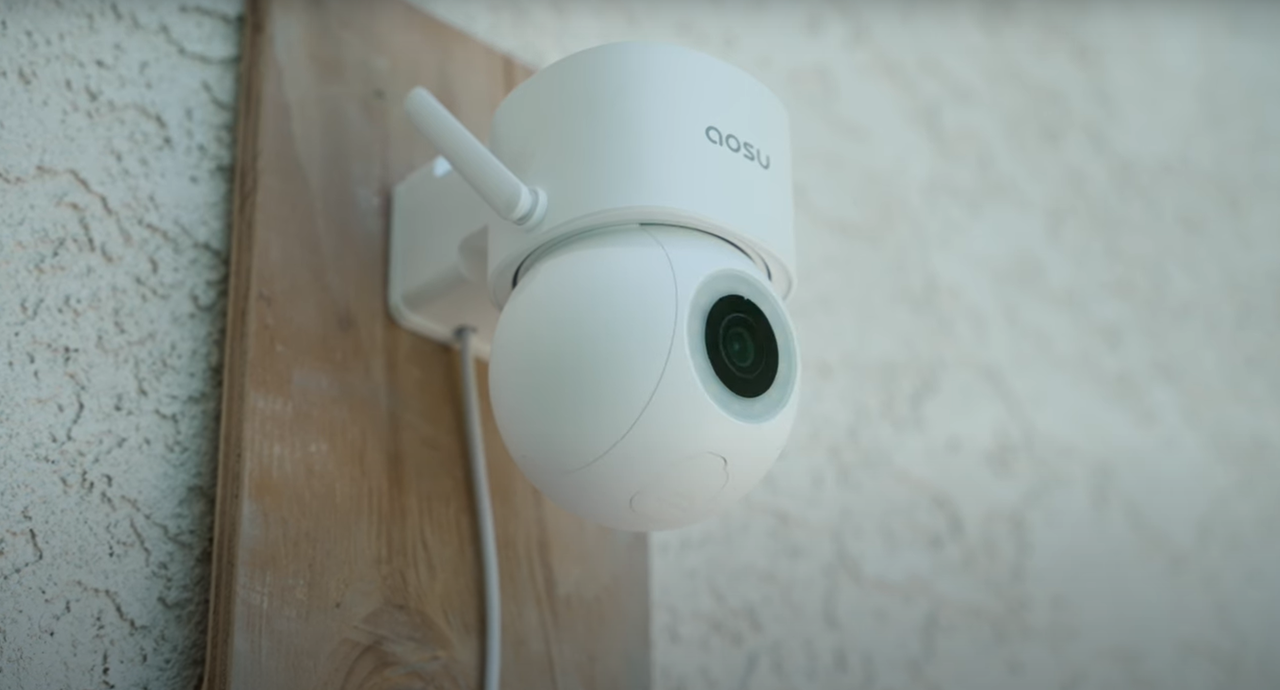
Checking networks and wireless devices
Cameras often connect to networks. A short network scan can expose them.
Network checks to perform:
- Open your router’s device list and look for unknown devices. Cameras often show up as generic device names.
- Use a Wi‑Fi scanner app to list MAC addresses and brands. Unknown devices near your signal source deserve inspection.
- Check Bluetooth device lists for unfamiliar items. Some cameras use Bluetooth for setup or control.
- Look for open or unsecured networks in public spaces that might be camera feeds.
If you find a suspicious device, unplug or restrict it and document what you saw. These steps help answer how do you detect if a camera is watching you in shared spaces.
Legal, privacy, and safety tips
Know the rules before you act. Laws vary and safety matters.
Key legal and safety notes:
- Recording laws differ by location. In many places, recording in private spaces without consent is illegal.
- Avoid confronting suspected operators aggressively. Take photos, document timestamps, and report to property managers or authorities.
- If you find a camera in a rental or hotel, contact management immediately and ask for a room change or refund. Document their response.
- For homes, consider professional sweep services if you find clear evidence of surveillance.
Be clear about limits. I always advise restraint and documentation first.

My experience finding a hidden camera
I once found a small lens inside a decorative clock in a short-term rental. I noticed a faint glint during a flashlight sweep and then confirmed it with a phone camera that picked up infrared dots. I documented the device, moved to another room, and reported it to the host and the platform. It saved a lot of stress.
What I learned:
- Trust small instincts. Odd placement often means intent.
- Use low-tech checks first. A flashlight and patience work wonders.
- Keep calm and collect evidence before accusing anyone.
This real case shows clear steps for how do you detect if a camera is watching you and how to handle it.

Frequently Asked Questions of How do you detect if a camera is watching you
How soon can I detect a hidden camera?
You can detect many hidden cameras in 10–20 minutes with a flashlight sweep and network scan. Some well-hidden or wired devices may need more time or a pro sweep.
Are hotel rooms a common place for hidden cameras?
They can be. Cameras are sometimes hidden in clocks, smoke detectors, or electronics, so always do a quick sweep when you check in.
Will covering suspected devices stop recording?
Covering or unplugging a device can stop recording, but it may alert the operator. Document first and report before removing anything.
Can a camera record without transmitting data?
Yes. Many cameras can record to local storage like SD cards without sending data over a network. Physical inspection is important.
Should I hire a professional to sweep my home?
If you find clear evidence or feel unsafe, yes. Professionals have advanced tools to locate wired and well-hidden devices.
Conclusion
Finding a clandestine camera is about careful inspection, simple tools, and calm action. Follow the physical checks, use basic tech scans, and document anything suspicious. If you ever wonder how do you detect if a camera is watching you, start with a flashlight, a phone camera, and a network scan, then escalate if needed.
Take action now: do a quick sweep of your space this week, save evidence if you find anything, and share your experience or questions below.
As an Amazon Associate, I earn from Qualifying Purchases.