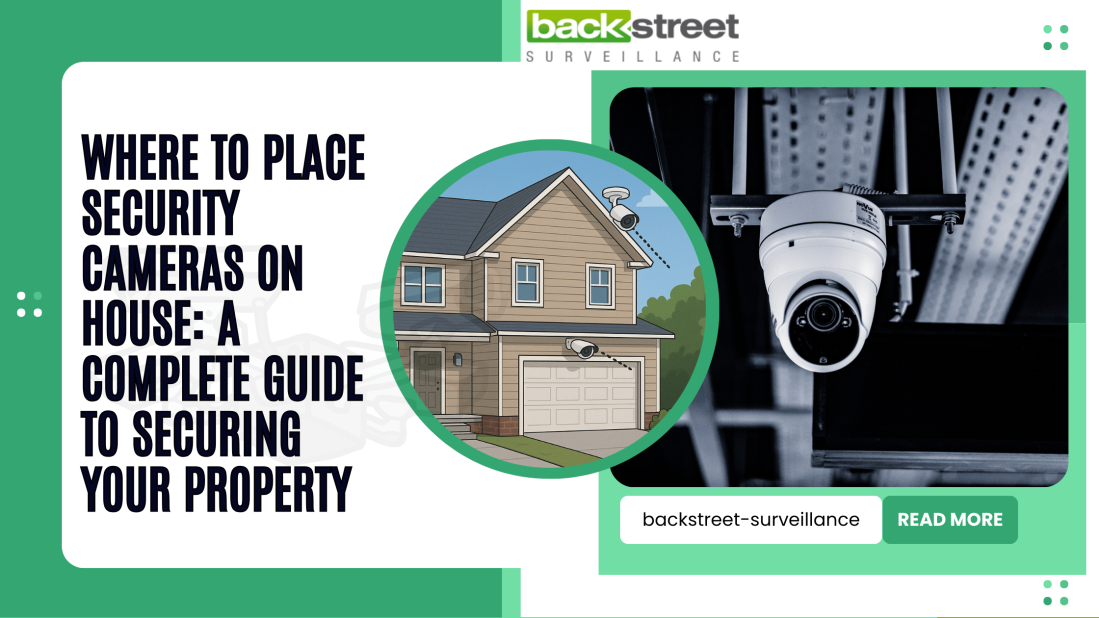
Check small lenses, odd reflections, strange wires, or unfamiliar devices and blinking lights.
I’ve spent years helping people secure homes and investigate privacy worries, so I know the signs that someone might have placed a hidden camera. This article explains clear, practical steps to discover hidden cameras, how to check every room, what tools to use, legal issues, and what to do if you find one. Read on to learn how to tell if someone put a camera in your house and protect your privacy with confidence.
Why worry about hidden cameras?
Hidden cameras can invade privacy, capture sensitive moments, and sometimes be used for harassment or blackmail. Knowing how to tell if someone put a camera in your house helps you act quickly and protect your family. This guide gives step-by-step checks and realistic advice based on experience and common industry practices.
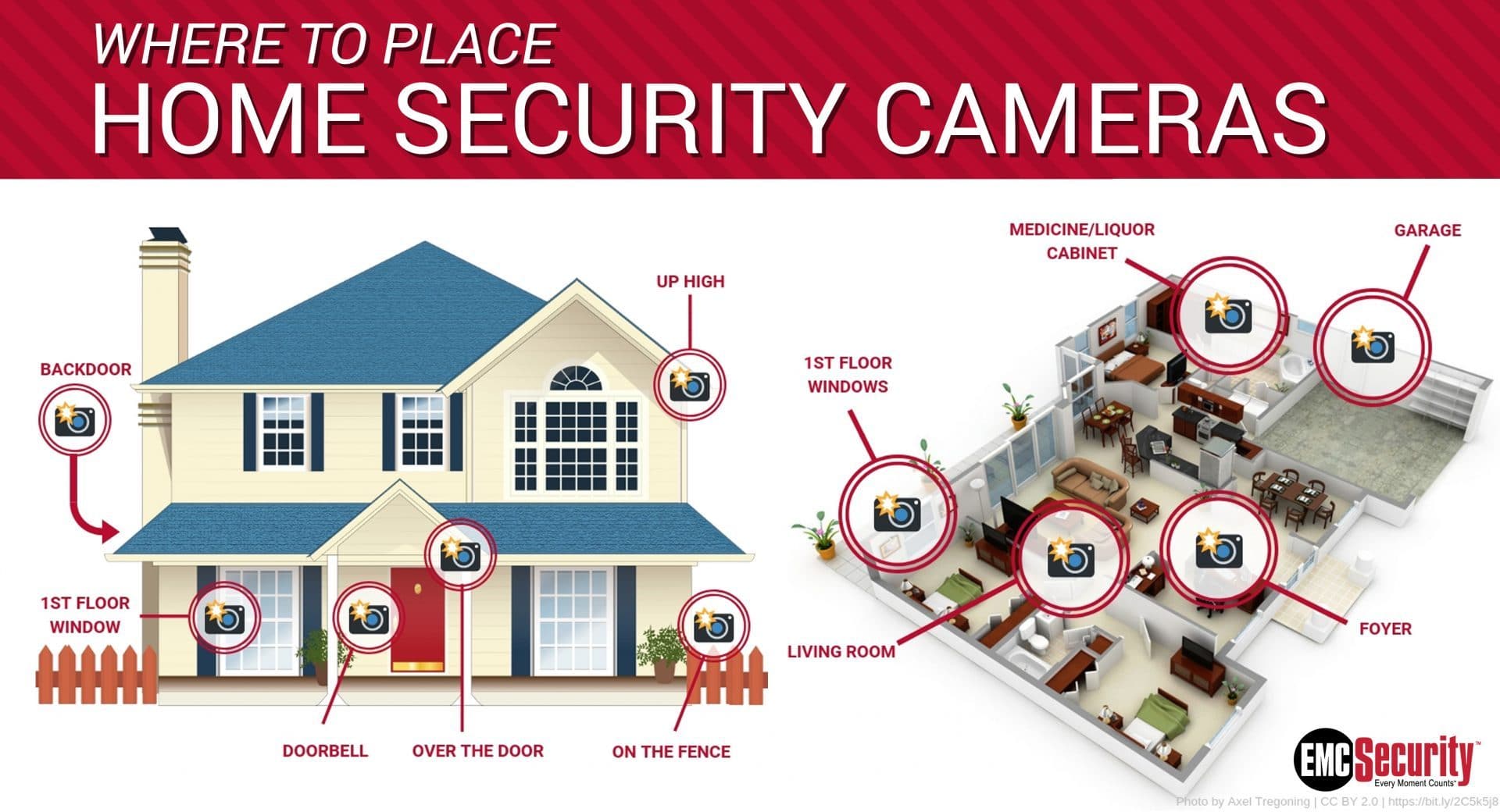
Common signs: How to tell if someone put a camera in your house
Look for items that seem out of place. Objects like smoke detectors, clocks, air fresheners, or picture frames can hide tiny lenses. Check for small lights, tiny pinholes, odd power cables, or new objects placed near beds or bathrooms. Use your senses: sound for buzzing, sight for reflections, and touch for loose or warm gadgets.

How to search your home step-by-step
Start with a quick visual sweep of high-risk areas. Focus on bedrooms, bathrooms, main living areas, and places where someone might want private footage. Move slowly and look at angles that point toward beds, couches, and changing areas.
Inspect objects up close. Remove batteries from smoke detectors and open clocks or air purifiers. Shine a flashlight across surfaces to catch tiny lenses that reflect light. Use your phone camera to scan for infrared glows in low light.
Check wiring and network devices. Look for new or hidden power cables, USB chargers, or devices connected to your Wi‑Fi network that you don’t recognize. Scan your router’s connected devices list for unknown names or MAC addresses.
Document what you find. Take photos and notes. If you suspect a camera, avoid touching it more than necessary to preserve evidence. Knowing how to tell if someone put a camera in your house means following a calm, systematic plan.
People also ask
How quickly can hidden cameras be found?
Most can be spotted with a careful 10–30 minute sweep using a flashlight and phone camera, but well-hidden models may take longer and special tools.
Can a camera record without lights or wires?
Yes. Many modern hidden cameras record silently, use battery power, and transmit via Wi‑Fi, so they leave no visible wires or blinking lights.
Will moving furniture hide a camera?
Moving items can uncover cameras if they were tucked behind or inside objects. A deliberate search is better than relying on accidental discovery.
Types of hidden cameras and where they're hidden
Pinhole cameras
Tiny lenses in a metal casing. Often hidden inside hollow objects, vents, or electronic devices.
Wi‑Fi cameras
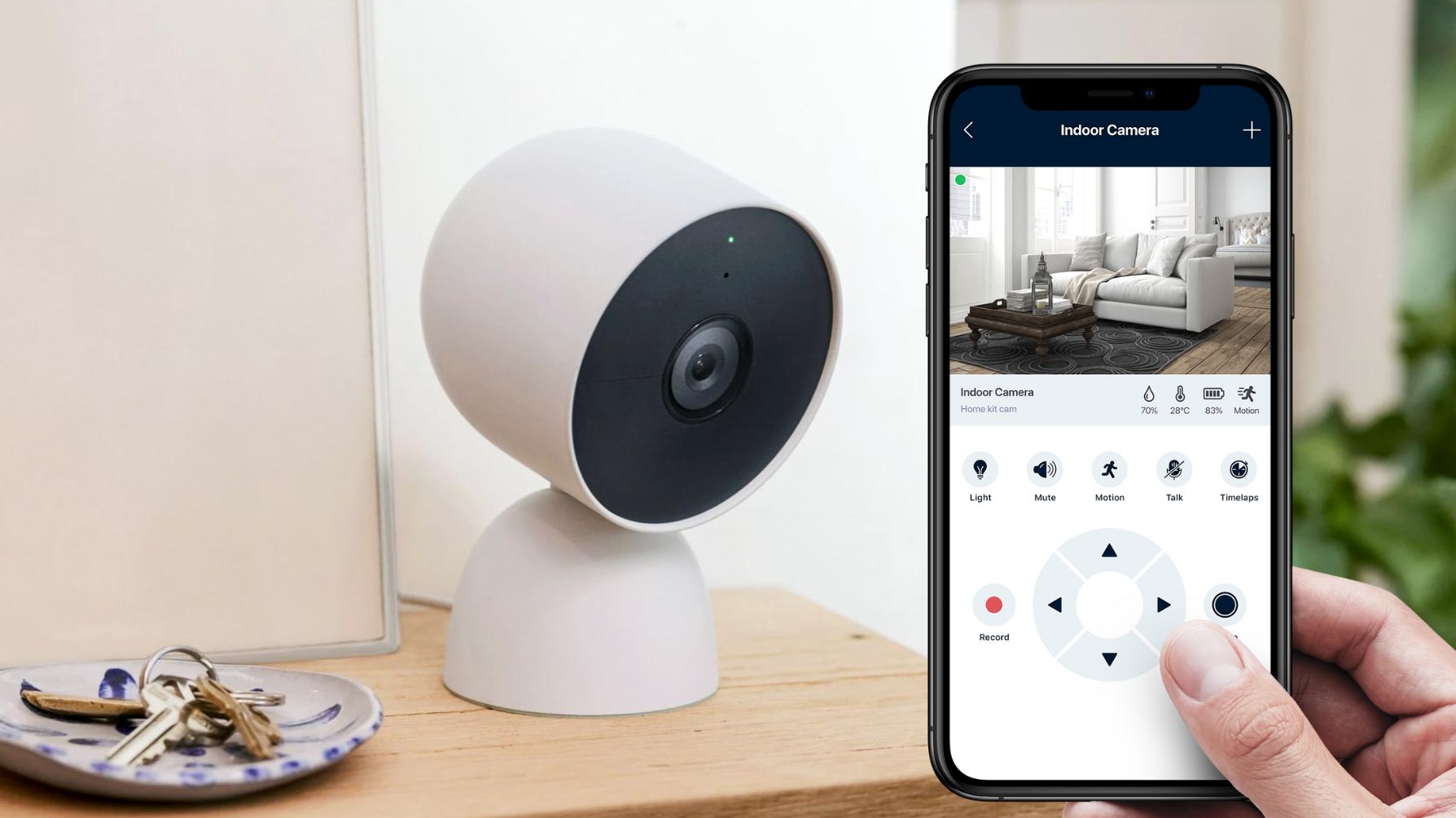
Connect to your home network. They can stream video off-site and sometimes appear as unknown devices on your router.
Battery-powered motion-activated cameras
Small and discrete. Often put in drawers, shelves, or behind decor.
Wearable or spy camera modules
Found in pens, smoke detectors, clocks, chargers, and stuffed toys. They blend in easily with everyday items.
Typical hiding spots to inspect
- Smoke detectors and air vents
- Lamps, clocks, and picture frames
- Houseplants and decorative boxes
- Power strips, chargers, and USB hubs
- TV stands, toys, and stuffed animals

Source: backstreet-surveillance.com

Tools and methods to detect cameras
Smartphone camera check
Turn off lights and use your phone camera to scan suspicious objects. Infrared LEDs on many cameras will show up as small bright dots on your phone screen.
Flashlight reflection method
Shine a focused light across a surface at an angle. Camera lenses catch and reflect light differently than plastic or fabric.
RF detector or RF scanner
Detects radio frequency signals from wireless cameras. Sweep around rooms slowly and note strong signal locations.
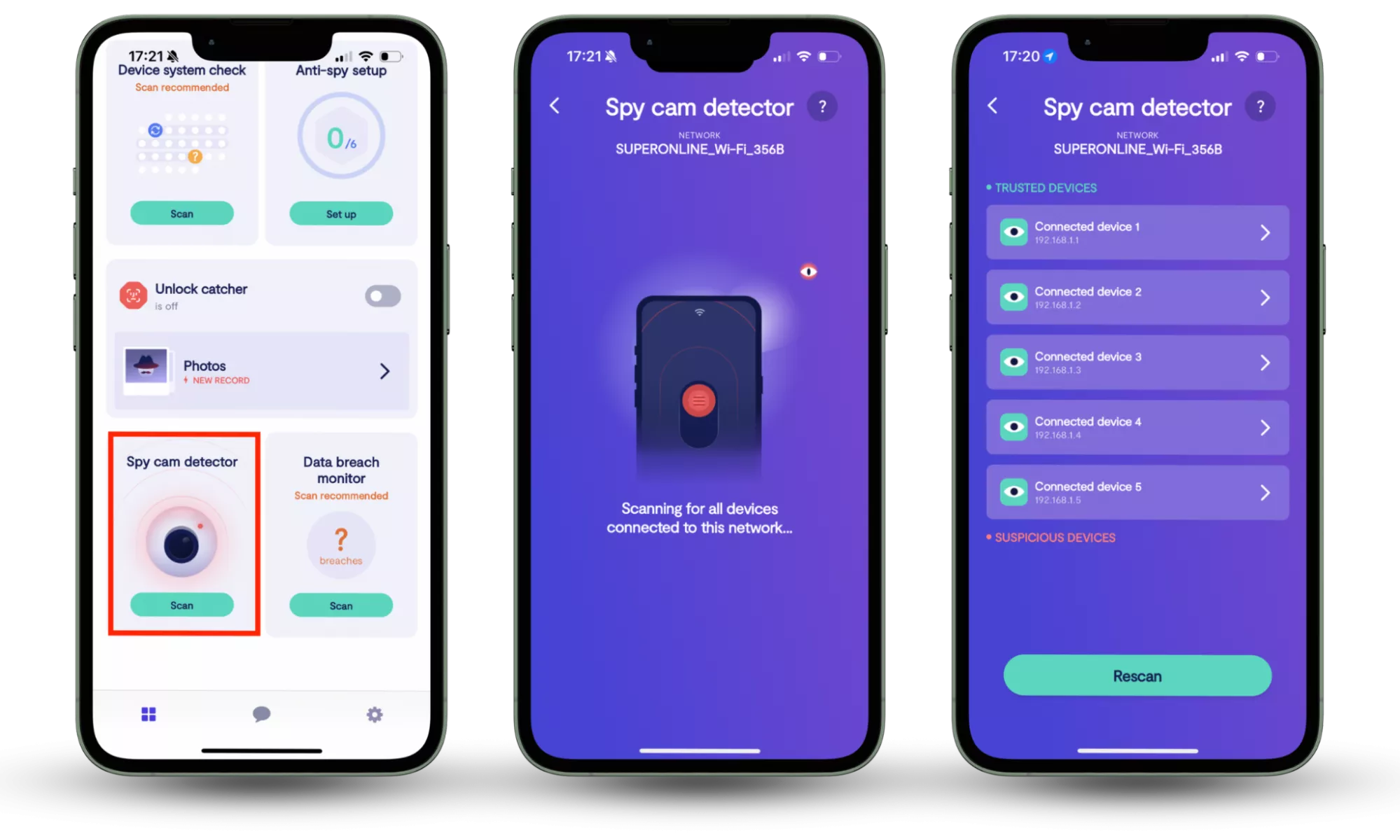
Network scanning apps
Use a network scanner to list devices connected to your Wi‑Fi. Look for unfamiliar devices or unusual traffic. Change your Wi‑Fi password and test again if you find anything odd.
Thermal camera or IR thermometer
Hidden cameras running off batteries or power can generate heat. A thermal check can show warm spots behind walls or around objects.
Professional sweep
If you remain uncertain, hire a licensed private investigator or security professional to perform a technical sweep. Professionals use specialized gear and preserve evidence.
Legal considerations and what to do if you find one
Know your local laws. Recording laws vary. In many places, placing hidden cameras in private areas like bathrooms and bedrooms is illegal. Document everything and avoid destroying evidence.
Steps to take if you find a camera
- Secure the device and power source without destroying it.
- Photograph the device in place and note time and location.
- Preserve the storage medium (memory card) if present.
- Contact local law enforcement and file a report.
- Consult a lawyer for guidance on privacy and civil claims.
Privacy vs. evidence balance
Avoid immediately sharing footage online. Keep evidence secure. Legal authorities can help preserve the chain of custody and advise on next steps. Knowing how to tell if someone put a camera in your house includes understanding what to do legally after you find one.

Preventing hidden cameras and protecting your privacy
Reduce risk with these habits
- Regularly inspect rooms, especially after guests or service visits.
- Use privacy covers on windows and doors in sleeping areas.
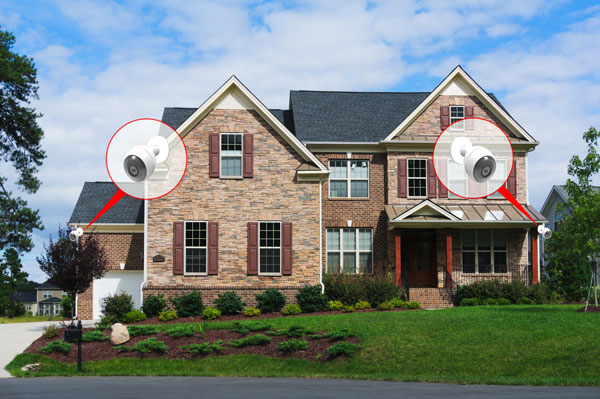
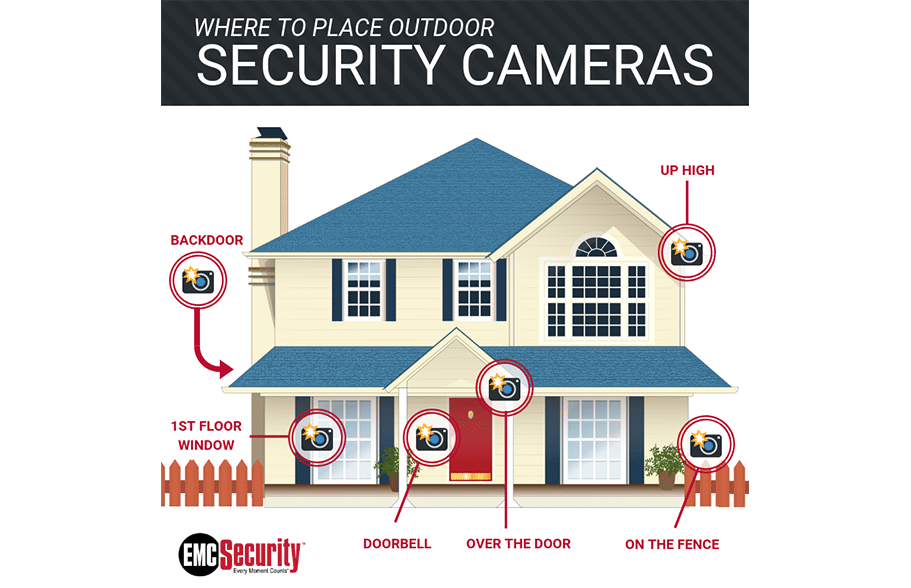
- Install your own visible security cameras to deter covert recording.
- Secure Wi‑Fi with strong passwords and network segmentation for IoT devices.
- Keep sensitive areas locked when not in use.
Set clear boundaries with service workers and guests. Ask professionals to show ID before they enter private areas. If you rent, check for cameras during move-in and report anything suspicious to the landlord and local authorities. Prevention is part of learning how to tell if someone put a camera in your house and avoiding the problem in the first place.
Personal experience and tips
I once helped a client who felt watched after a short-term contractor visited. We did a 30-minute sweep using a flashlight and phone. We found a small camera hidden inside a smoke detector. The client saved the memory card and filed a report. That case taught me to trust instincts and to move calmly.
Practical tips from fieldwork
- Trust your gut. If a room feels “off,” check it.
- Carry a simple detection kit: phone, flashlight, RFID scanner app, and a notepad.
- Don’t confront suspected intruders alone. Prioritize safety and evidence.
- Regularly audit connected devices and passwords.
Mistakes to avoid
- Don’t immediately destroy potential evidence.
- Don’t accuse neighbors publicly without hard proof.
- Don’t ignore small signs like new objects or changes in layout.

Source: clario.co
Frequently Asked Questions of How to tell if someone put a camera in your house
How can I spot a hidden camera quickly?
Do a quick visual sweep of rooms, focusing on objects pointing toward private areas. Use a flashlight to find lens reflections and check for unfamiliar wires or devices.
Can cameras record without showing any lights?
Yes. Many hidden cameras have no visible LEDs and can record silently on batteries or transmit via Wi‑Fi without visible signs.
Will my phone camera detect infrared from hidden cameras?
Often yes. In low light, your phone camera can reveal infrared LEDs as bright dots that are invisible to the naked eye.
Should I call the police if I find a camera?
If the camera is in a private area like a bathroom or bedroom, call the police and file a report. Preserve the device and any storage media as evidence if possible.
How do I protect my Wi‑Fi from hidden cameras?
Use strong unique passwords, enable WPA3 or WPA2 encryption, update router firmware, and check connected devices regularly. Consider creating a guest network for visitors and IoT devices.
Is it legal to install hidden cameras in my own home?
Laws vary by location, but placing cameras in private spaces like bathrooms and bedrooms is generally illegal. Check local laws before installing cameras.
Conclusion
Knowing how to tell if someone put a camera in your house starts with awareness, a calm search routine, and using simple tools like a flashlight and your phone. Inspect likely hiding spots, monitor your network, and document anything suspicious. If you find a device, protect the evidence and contact the proper authorities.
Take action today: perform a quick sweep of your living spaces, secure your Wi‑Fi, and make a plan for regular privacy checks. If this article helped, share your experience or questions in the comments and consider subscribing for more practical safety guides.
As an Amazon Associate, I earn from Qualifying Purchases.