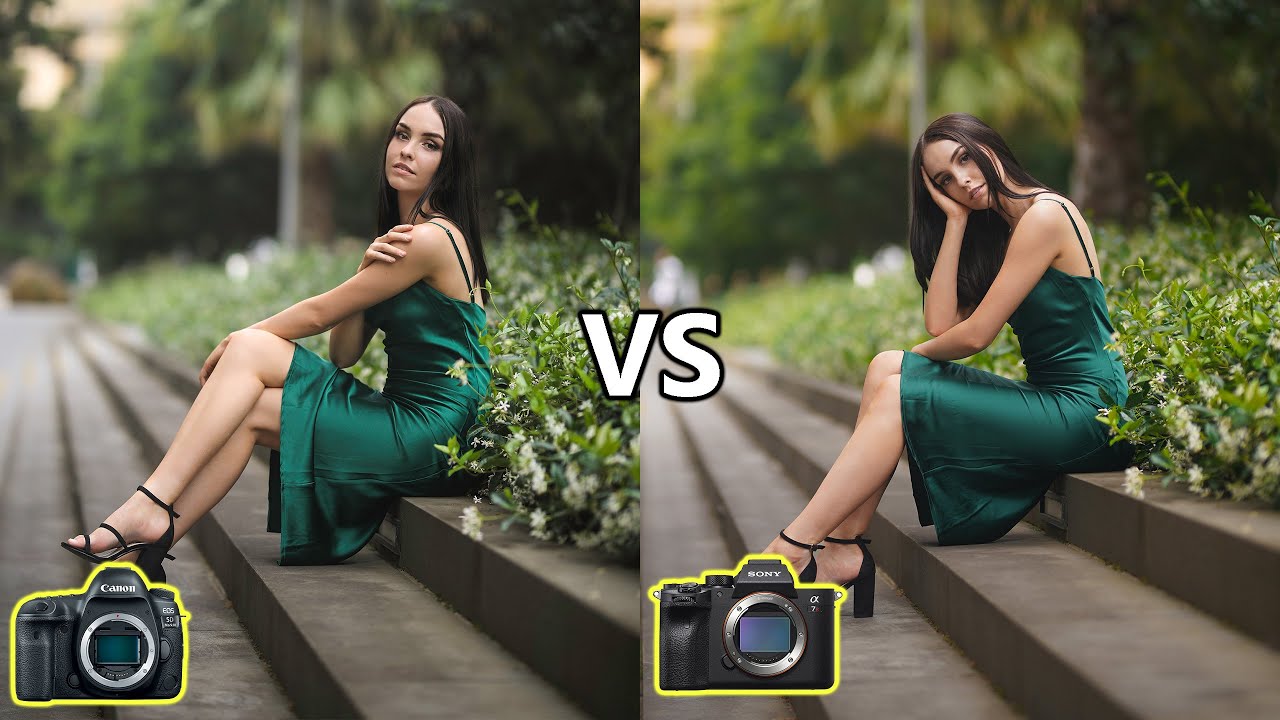
A mirrorless camera captures images without a reflex mirror, using the sensor to display the scene.
I’ve been shooting and testing cameras for over a decade, so I can explain clearly what a mirrorless camera is, how it differs from other systems, and why it matters for photographers and creators today. This guide covers the mechanics, benefits, trade-offs, buying tips, and real-life lessons from hands-on use so you can decide whether a mirrorless camera fits your needs.
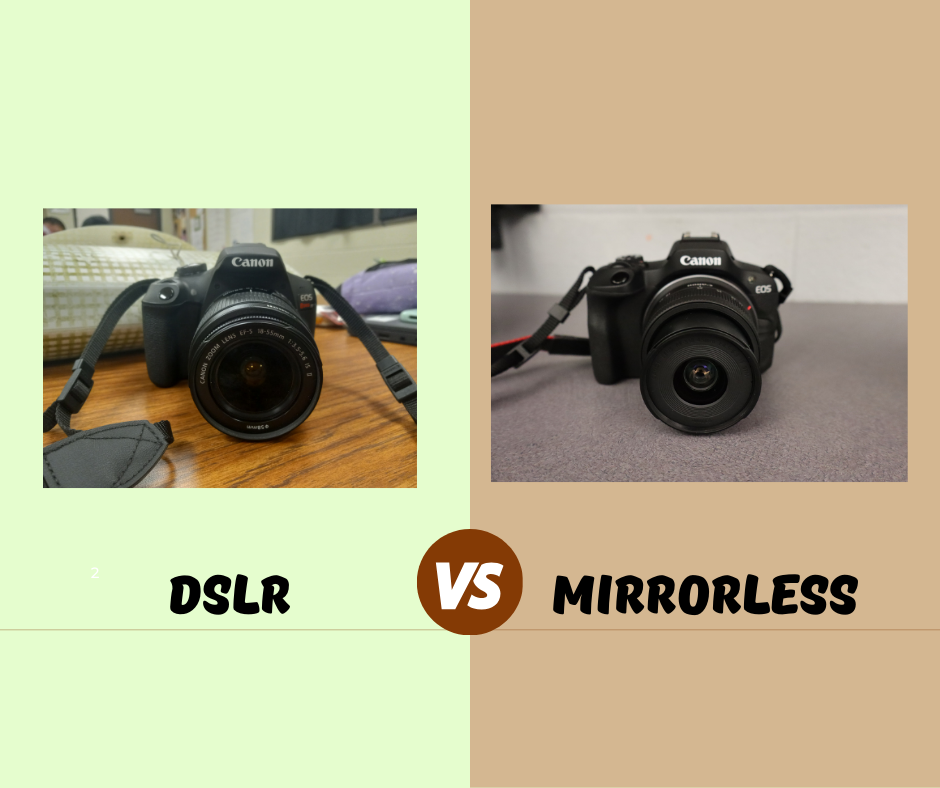
How a mirrorless camera works
What is a mirrorless camera at its core? It is a camera that records light directly onto the image sensor without using a moving mirror and optical viewfinder. The sensor feeds a live image to an electronic viewfinder (EVF) or the rear LCD so you see what the sensor sees.
Key components and functions:
- Image sensor that captures light and forms the photo.
- Electronic viewfinder or rear screen that shows a live preview from the sensor.
- Lens mount and autofocus system that communicate with the body.
- Image processor that handles noise reduction, color, and video encoding.
Why removing the mirror matters:
- Faster live exposure preview and accurate exposure simulation.
- Smaller body designs since no mirror box is needed.
- Advanced focus modes that rely on on-sensor phase or contrast detection.
Technical note: Modern mirrorless cameras use hybrid AF systems with on-sensor phase detection. This gives quick focus and good subject tracking for stills and video. That combination defines why a mirrorless camera is especially strong for hybrid shooters.
Mirrorless vs DSLR: what changes and what stays the same
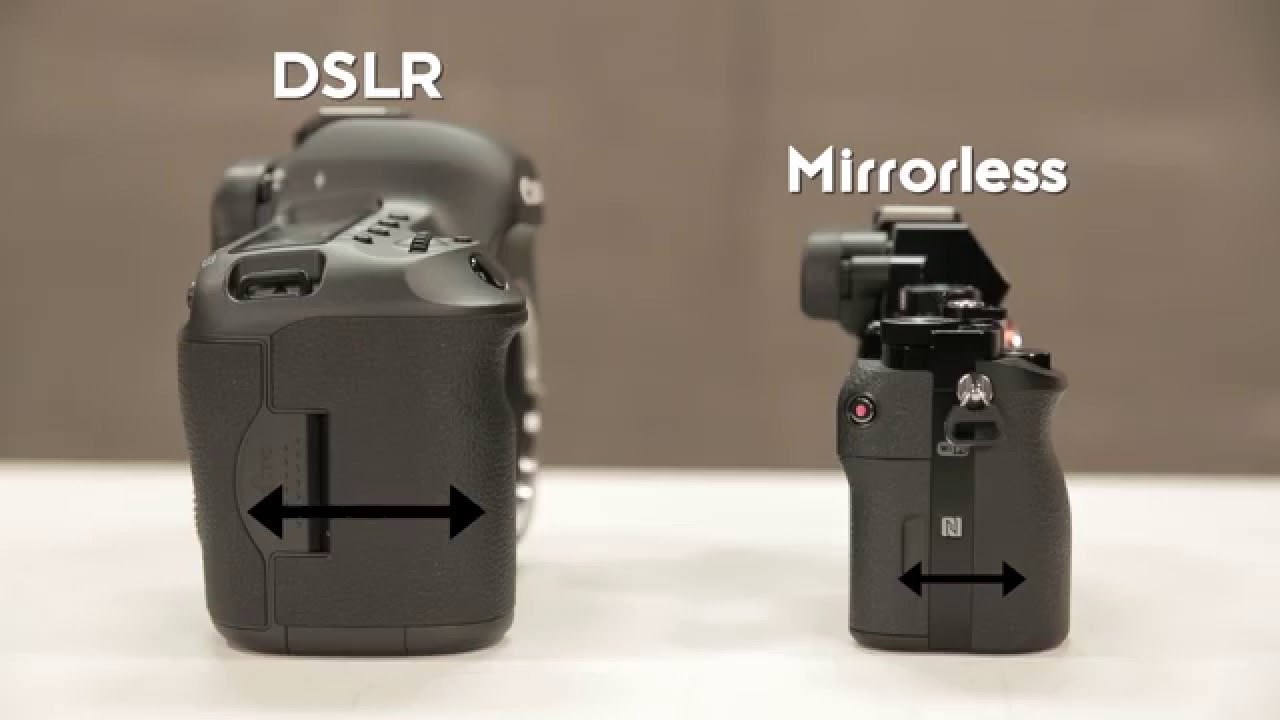
If you wonder what is a mirrorless camera compared to a DSLR, the differences are mostly in mechanism and user experience. DSLRs use a mirror and optical viewfinder while mirrorless systems remove that mirror and rely on electronic displays.
Major differences:
- Viewfinder type: Optical viewfinder (DSLR) versus electronic viewfinder or screen (mirrorless).
- Size and weight: Mirrorless bodies tend to be smaller and lighter.
- Autofocus: Mirrorless often has more advanced continuous AF for video and live view.
- Battery life: DSLRs usually last longer per battery charge because EVFs use more power.
What stays the same:
- Interchangeable lenses and manual controls.
- Sensor sizes like full-frame, APS-C, and Micro Four Thirds appear in both systems.
- The core image quality depends on sensor and lens, not simply the presence of a mirror.
I switched from a DSLR to mirrorless a few years ago. I liked the live exposure preview and silent shooting. But I also learned to bring spare batteries for long shoots.

Key benefits of mirrorless cameras
Understanding what is a mirrorless camera includes knowing its strengths. Here are practical benefits you will notice in daily use.
Performance and usability gains:
- Real-time exposure and color previews in the EVF for accurate framing.
- Faster continuous shooting without mirror slap, useful for action and wildlife.
- Smaller bodies that make travel and handheld shooting easier.
- Better video features and autofocus performance for vloggers and filmmakers.
- Electronic features like focus peaking, zebras, and high-resolution live view.
Creative advantages:
- Silent shooting modes that allow discreet photography in sensitive environments.
- Frame-by-frame exposure control and advanced bracketing.
- Easier focus stacking and in-camera compositing on some models.
My experience: I found the EVF especially helpful in bright sunlight when the rear screen washed out. The live preview reduced wasted frames and sped up my post-processing workflow.
Limitations and trade-offs to consider
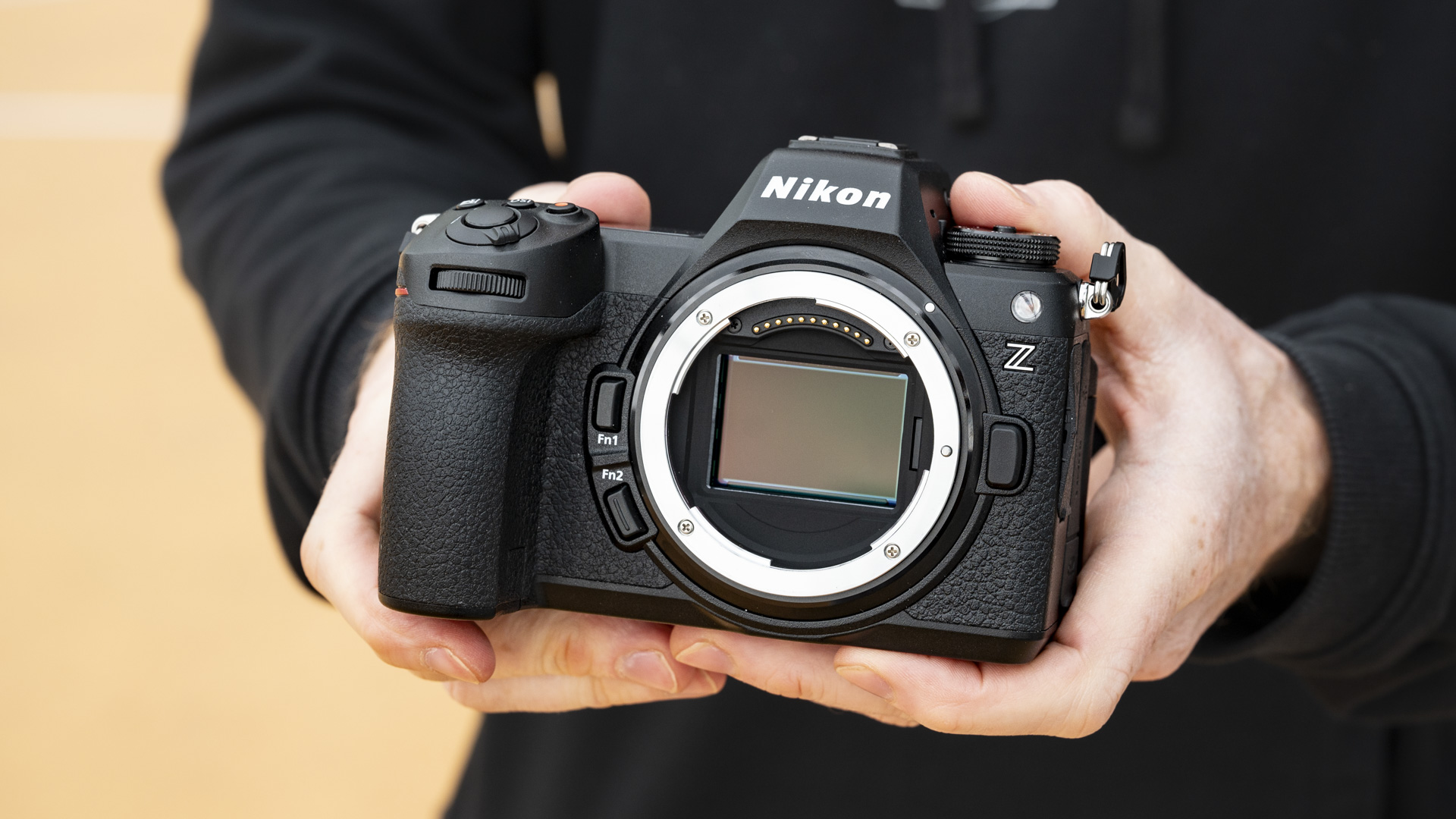
To be honest about what is a mirrorless camera, there are trade-offs you should know. No system is perfect for every use case.
Common limitations:
- Battery life tends to be shorter because the EVF and sensor stay powered.
- Electronic viewfinder lag or blackout at very high frame rates on older models.
- Lens ecosystem maturity can vary by mount, especially for niche lenses.
- Overheating risk during extended high-res video recording on some bodies.
When these matter:
- Long remote shoots or weddings may require extra batteries and chargers.
- Sports photographers should test high-frame-rate behavior before switching.
- Professionals with legacy glass may need adapters to use old lenses.
I made the mistake of running a full-day event on one battery early on. Now I carry two spares and a compact charger. That small habit prevented me from missing key shots.

Choosing the right mirrorless camera: practical buyer’s guide
If you ask what is a mirrorless camera and whether to buy one, these steps help match a model to your needs.
Step 1 — Define your primary use:
- Travel and street: prioritize small size and fast autofocus.
- Portraits and studio: prioritize sensor size and lens quality.
- Video and vlogging: prioritize cooling, mic inputs, and in-body stabilization.
Step 2 — Pick a sensor size:
- Full-frame for shallow depth of field and low-light performance.
- APS-C for a balance of size, reach, and cost.
- Micro Four Thirds for compact systems and deeper depth of field.
Step 3 — Check lens and accessory ecosystem:
- Verify native lenses for your style (wide, telephoto, macro).
- Look for third-party lenses if budget matters.
- Confirm flanges and adapter availability if you have legacy glass.
Step 4 — Test ergonomics and menus:
- Try holding the camera and cycling menus in-store.
- Confirm button layout, grip comfort, and touchscreen responsiveness.
Budget and long-term thinking:
- Factor in lenses and accessories when calculating total cost.
- Think about future-proof features like in-body stabilization and firmware updates.
Personal tip: I rented a mirrorless body for a weekend before buying. Testing in real conditions is the best way to learn whether the system suits you.

Practical tips, common mistakes, and pro-level workflow
Knowing what is a mirrorless camera also means learning practical habits that save time and improve images. These are tips I learned the hard way.
Essential tips:
- Carry extra batteries and a small charger to avoid mid-shoot shutdowns.
- Calibrate autofocus and test continuous AF with moving subjects.
- Use in-body stabilization with non-stabilized lenses for sharper handheld shots.
- Shoot RAW for maximum flexibility in post-processing.
- Update firmware regularly for performance and autofocus improvements.
Mistakes to avoid:
- Relying solely on rear LCD in bright light; use the EVF when possible.
- Forgetting to learn menu shortcuts that speed up settings changes.
- Underestimating memory needs for high-bitrate video or burst shooting.
Workflow boost:
- Use lens profiles in editing for automatic distortion correction.
- Create camera presets for common scenarios (portrait, landscape, sports).
- Back up files immediately to two separate drives or cloud storage.
Anecdote: After missing focus on a fast-moving subject, I practiced back-button focus and never missed a similar shot again. Small changes make a big difference.
People also ask: quick clarifications about mirrorless cameras
What is a mirrorless camera good for?
- Mirrorless cameras are great for hybrid shooters who need both stills and video. They offer accurate live previews, modern autofocus, and compact designs.
Can I use DSLR lenses on a mirrorless camera?
- Yes, with the right adapter you can mount many DSLR lenses on mirrorless bodies. Adapter use may affect autofocus speed and functionality, depending on the lens and adapter quality.
Are mirrorless cameras better for video?
- Generally yes, because mirrorless systems often include advanced autofocus in video, silent operation, and easier framing with EVFs. Check for heat management and recording limits on specific models.
Do mirrorless cameras have image stabilization?
- Many mirrorless cameras offer in-body image stabilization that works with most lenses. This helps handheld shooting and improves low-light performance.
Is a mirrorless camera harder to use for beginners?
- Not necessarily. Mirrorless cameras can be simpler because the EVF shows exposure and effects live. Beginners still need to learn composition and basic settings like aperture, shutter speed, and ISO.
Frequently Asked Questions of What is a mirrorless camera
What is a mirrorless camera compared to a DSLR?
A mirrorless camera lacks the mirror box and optical viewfinder found in a DSLR. It shows a sensor-based live view through an electronic viewfinder or LCD.
Are mirrorless cameras better for beginners?
They can be, because the live preview helps beginners see exposure, depth of field, and white balance in real time. Ease of use varies by model and menu complexity.
Will mirrorless cameras replace DSLRs?
Mirrorless systems have largely replaced DSLRs in the market, but DSLRs still exist for specific needs. The trend favors mirrorless for new features and compact designs.
Do mirrorless cameras have worse battery life?
Typically yes, because EVFs and active sensors consume more power. Carrying spare batteries or a power bank helps during long shoots.
Can I shoot professional work with a mirrorless camera?
Absolutely. Many professionals use mirrorless cameras for weddings, sports, wildlife, portrait, and commercial work. Choose the right model and lenses for your specialty.
Conclusion
Understanding what is a mirrorless camera arms you to choose gear that fits your creative goals. Mirrorless systems offer live previews, modern autofocus, compact bodies, and strong video features, balanced by shorter battery life and occasional workflow differences. If you want better hybrid performance or a lighter kit, trying a mirrorless camera makes sense.
Takeaway: Rent or test a mirrorless camera for a weekend, bring spare batteries, and practice the settings you rely on. If you found this guide useful, subscribe for more gear guides, leave a comment with your camera questions, or share your experience with mirrorless systems.
As an Amazon Associate, I earn from Qualifying Purchases.