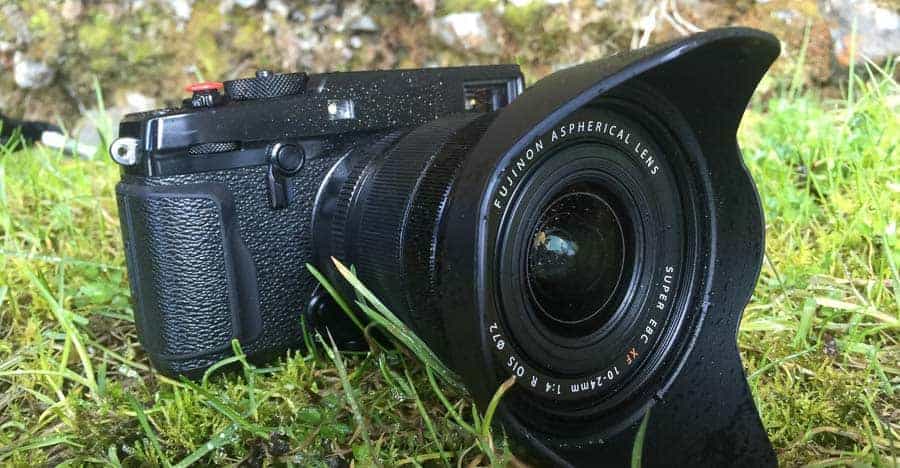
Mirrorless cameras offer compact bodies, faster autofocus, better EVF previews, and superior video tools.
I have used and tested many cameras over a decade as a photographer and reviewer. I know the strengths and limits of mirrorless gear. This article explains the advantages of a mirrorless camera in plain terms. You will get clear benefits, real examples, and tips to choose the right model for your needs. Read on to make a confident choice.
What is a mirrorless camera?
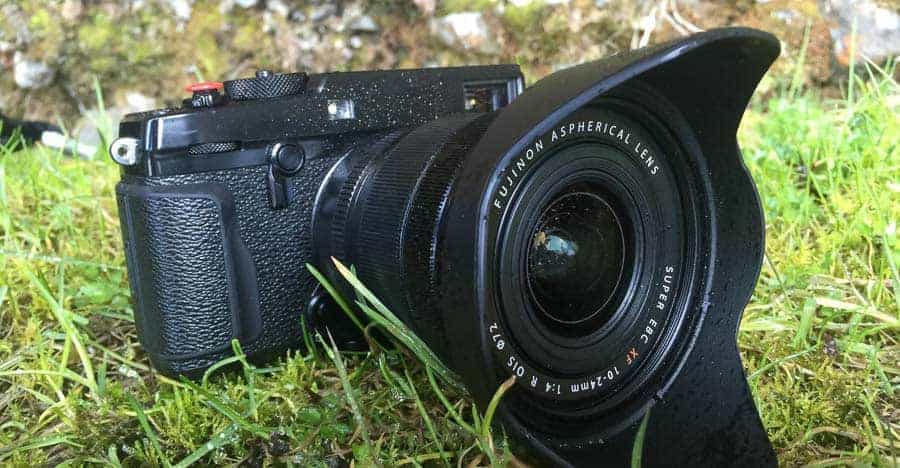
A mirrorless camera uses a digital sensor to make images. It does not use a moving mirror like a DSLR. Light goes straight to the sensor and the image shows in an electronic viewfinder or on the screen. This simple change leads to many advantages of a mirrorless camera. Knowing the core design helps you see why mirrorless models behave differently from DSLRs.

Core technical advantages of mirrorless cameras
Mirrorless design drives several key upgrades. These are the technical advantages of a mirrorless camera that matter most.
- Smaller and lighter bodies. You carry less weight and fit your kit in smaller bags.
- Electronic viewfinder (EVF). You see exposure, white balance, and depth of field in real time.
- Faster and more accurate autofocus. On-sensor phase detection boosts focus speed and tracking.
- Better continuous shooting. No mirror flip reduces vibration and allows higher frame rates.
- Stronger video features. Built-in codecs, autofocus in video, and frame-rate options are often better.
- Silent shooting. Electronic shutters let you shoot quietly for events and wildlife.
- On-sensor stabilization. Many systems use sensor-shift stabilization across lenses for steadier shots.
Each of these advantages of a mirrorless camera changes how you shoot day to day. For example, the EVF preview saves time in mixed lighting. Autofocus tracking helps with moving subjects like kids or pets.

Practical benefits for photographers and videographers
The technical wins translate into practical gains. These are user-centered advantages of a mirrorless camera.
- Travel and street shooting become easier with lighter gear.
- Faster start-up and autofocus mean fewer missed moments.
- Real-time exposure preview reduces trial shots and saves memory cards.
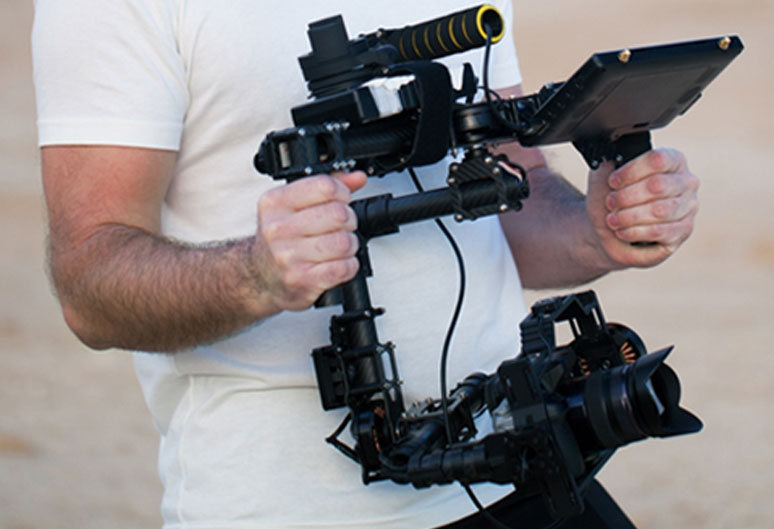
- Superior video tools let hybrid shooters record pro-looking footage without extra rigs.
- Lens adaptability. You can use many legacy and third-party lenses with adapters.
- Quieter operation helps during ceremonies and wildlife shoots.
I use a mirrorless body for travel work. I pack one body and two lenses. The weight and speed let me shoot all day without fatigue. The EVF helped me nail exposure in bright sun without bracketing.
Limitations and trade-offs to consider
No system is perfect. Be honest about the trade-offs when weighing the advantages of a mirrorless camera.
- Battery life tends to be shorter due to the EVF and sensor use.
- Some older lens lines and niche lenses may be limited or costly.
- Electronic shutter can cause rolling shutter with very fast-moving subjects.
- High-end models can be expensive compared to entry DSLRs.
- Learning curve exists for EVF settings and menu systems.
These limitations are manageable. A spare battery and lens research solve most issues. Knowing the trade-offs helps you pick the right mirrorless camera for your work.

How to choose a mirrorless camera for your needs
Follow a simple checklist to pick the best mirrorless model. Consider what matters most to you.
- Define your main use. Travel, portraits, action, or video?
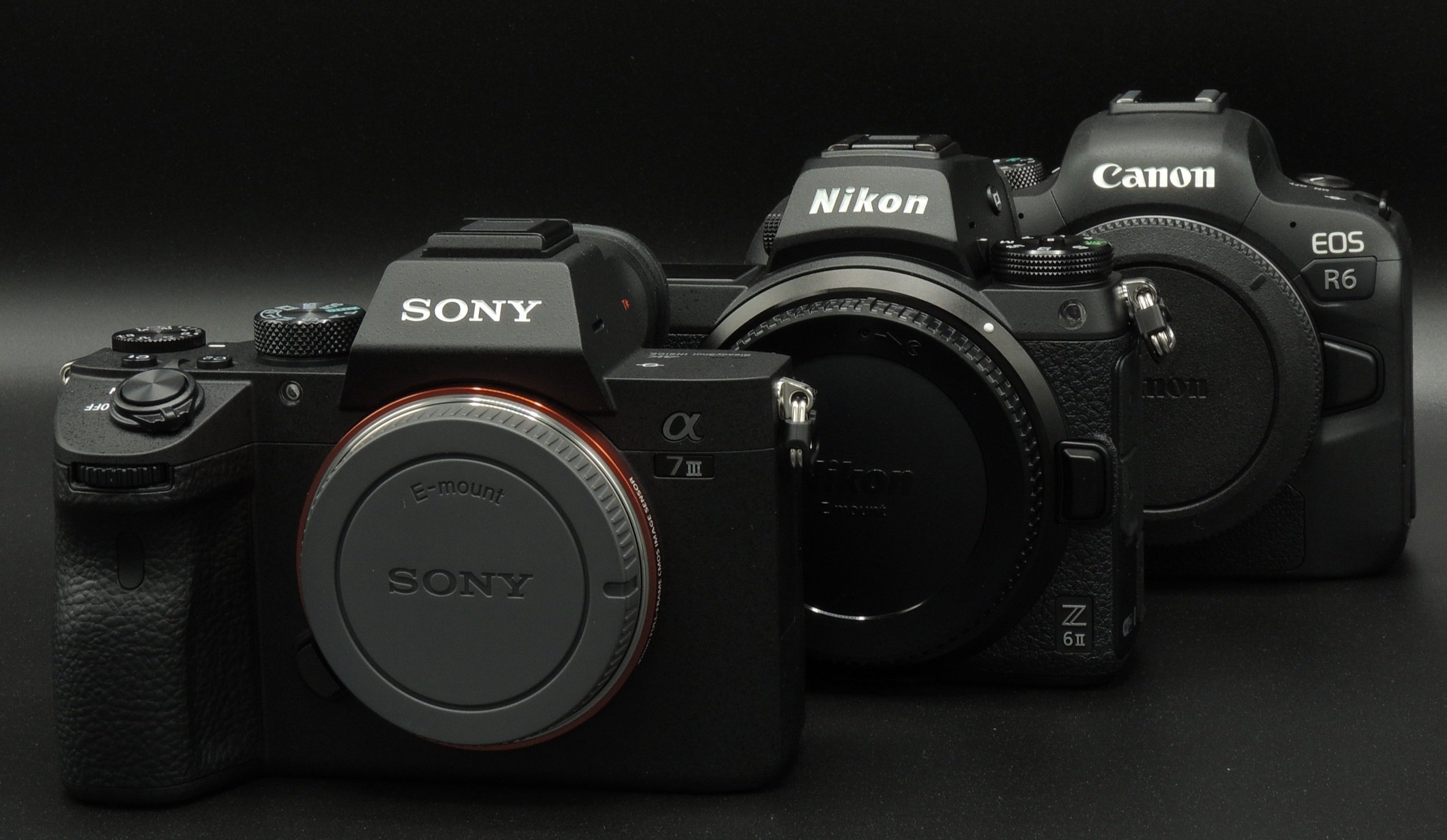
- Prioritize sensor size. Full frame gives low-light headroom. APS-C or micro four thirds save cost and weight.
- Check autofocus performance for your subject type.
- Look at lens ecosystem and third-party support.
- Compare battery life and plan for spares if needed.
- Test ergonomics in hand. Button layout can make or break comfort.
- Review video features if you shoot motion. Look for log profiles and frame-rate options.
I once chose a model for its specs and later found the grip uncomfortable. Test hands-on when possible. That small check avoided months of awkward shooting.

Personal experience and expert tips
I will share honest tips from years of shooting with mirrorless cameras.
- Pack two batteries for long shoots. EVFs drain power faster than optical finders.
- Use in-body stabilization with slower shutter speeds to reduce blur.
- Embrace the EVF for exposure learning. It trains you quickly.
- Update camera firmware. Brands often add key autofocus and video fixes over time.
- Try native lenses first. Adapters work well, but native glass usually gives the best focus speed and stabilizer function.
A lesson I learned early: ignore specs alone. Real-world shooting revealed which autofocus systems handled fast kids or pets. Your best camera is the one you enjoy using.
Frequently Asked Questions of What are the advantages of a mirrorless camera
Are mirrorless cameras better than DSLRs for autofocus?
Mirrorless cameras often have superior autofocus, especially for subject tracking and face/eye detection. On-sensor AF covers more of the frame and works well in live view and video.
Do mirrorless cameras take better video?
Yes. Many mirrorless models offer stronger video tools like high frame rates, better autofocus in video, and log profiles. These features make them a top choice for hybrid shooters.
Is battery life a major issue with mirrorless cameras?
Battery life can be shorter than DSLRs because of the EVF and sensor use. Carrying one or two spare batteries usually fixes the problem for a full day of shooting.
Can I use old lenses on a mirrorless camera?
Yes. Mirrorless cameras adapt many legacy lenses with an adapter. Native lenses give the best performance, but adapted glass is a great option for unique looks.
Are mirrorless cameras good for travel photography?
Absolutely. The compact size and lighter weight make mirrorless cameras excellent for travel. You can carry more gear without tiring out on long days.
Conclusion
Mirrorless systems changed how we shoot. The advantages of a mirrorless camera include compact design, fast autofocus, live EVF previews, top video features, and quiet operation. These benefits help both hobbyists and pros shoot more, learn faster, and carry less. Try a mirrorless body in your hands, test its autofocus with subjects you shoot often, and plan for extra batteries. If you want sharper images, faster workflow, and better video from one body, a mirrorless camera is worth exploring. Share your thoughts below, try a test shoot, or subscribe for more camera tips and hands-on reviews.
As an Amazon Associate, I earn from Qualifying Purchases.