It depends — laws and property lines matter; placement and privacy expectations decide legality.
I’ve studied property, privacy, and outdoor surveillance for years, and I’ve installed and tested many trail cameras myself. This article breaks down whether Is it illegal to have a trail camera facing someone else's property, explains the legal principles, and gives clear steps you can take to stay on the right side of the law. You’ll get plain-language rules, real-world examples, and practical tips you can use today.

Is it illegal to have a trail camera facing someone else's property? Legal overview
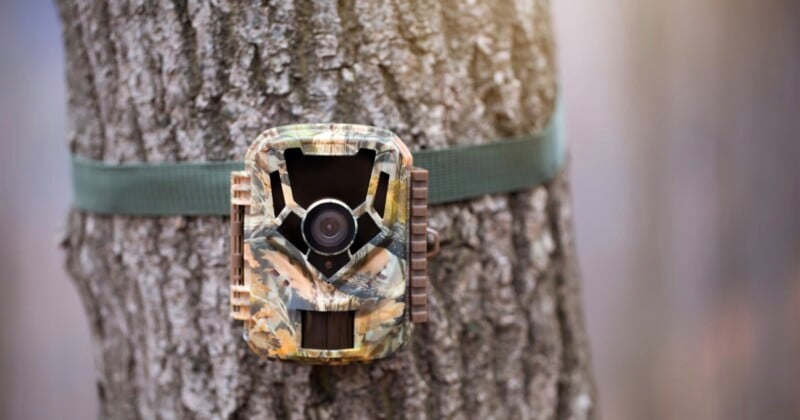
The short answer is not always. Whether Is it illegal to have a trail camera facing someone else's property depends on several factors: where you place the camera, what it records, and the laws in your state or locality.
Basic points to know
- A trail camera on your land that incidentally captures a neighbor’s property is often legal.
- A camera aimed deliberately into private spaces where people expect privacy can trigger criminal or civil laws.
- State statutes, case law, and local ordinances shape the rules you must follow.
Expectation of privacy: the central legal test
A key idea courts use is the expectation of privacy. If people reasonably expect privacy in a place, recording them there can be illegal. Public streets and wide open fields usually carry low expectation of privacy. Backyards, porches, bathrooms, and inside homes carry high expectation.
How this applies to trail cameras
- If your trail camera captures a neighbor’s backyard or porch, it may violate privacy laws.
- If the camera records only general views or wildlife on your property, it is less likely to be illegal.
- Night-vision or motion-triggered close-up recordings that identify people raise more risk.

Criminal laws to watch: voyeurism, wiretapping, and stalking
Several criminal statutes can apply when cameras capture others. Common categories include voyeurism, wiretapping/recording statutes, and stalking or harassment laws. Each state defines these crimes differently.
Practical examples
- Voyeurism laws often bar recording private acts or nudity without consent.
- Wiretapping or eavesdropping laws can cover audio capture. Many trail cameras record video only, but some capture audio too; audio laws are stricter in many places.
- Repeated camera targeting of a neighbor may lead to harassment or stalking charges.
Civil claims and remedies: trespass, intrusion, and nuisance
Even if no criminal law is violated, neighbors may sue. Civil claims commonly used include intrusion upon seclusion, trespass to chattels (for interfering with property), and nuisance.
What a civil case can mean
- Courts can award damages for emotional harm or privacy invasion.
- Injunctions can force removal of cameras or stop specific placements.
- Civil suits are often easier to bring than criminal charges, so a camera owner can face legal trouble even without arrest.

State differences and common rules by jurisdiction
Laws vary a lot by state. Some general trends appear across many U.S. states, but always check local law.
Common state trends
- Audio recording rules: Many states are "one-party consent" for audio, while about a dozen require all-party consent. Recording audio into someone else’s private space can be illegal.
- Privacy statutes: Some states have specific camera privacy laws; others rely on general privacy or voyeurism statutes.
- Property line rules: If the camera is wholly on your land and records only visible areas, you’re often safe. If it points across property lines into private spaces, you may not be.

How to legally place a trail camera: practical tips and best practices
Follow clear steps to reduce legal risk. These steps helped me avoid disputes when placing cameras on land I manage.
Steps to stay legal and neighborly
- Place cameras on your property and angle them away from neighbors’ windows, porches, and fenced yards.
- Disable audio recording to avoid wiretapping laws.
- Use signage if the camera covers a shared path or area to give notice and reduce surprise.
- Keep images focused on wildlife and your land; crop or delete incidental neighbor captures promptly.
- Check local ordinances and state laws before mounting a camera.

What to do if you discover a camera aimed at your property
If you find a camera pointing at you or your private space, stay calm and follow steps that protect your rights.
Actionable steps
- Document the camera’s placement with photos and notes, including date and time.
- Do not tamper with the camera; report it to the property owner first, then to authorities if needed.
- If the camera records audio or clearly invades privacy, consult an attorney to explore civil or criminal options.

Common search questions (PAA-style)
Q: Can a trail camera record audio across property lines?
A: Often no. Many states limit audio recording without consent, so recording neighbors’ conversations can be illegal.
Q: Is a camera on my property allowed to capture a neighbor’s driveway?
A: If the driveway is visible from public view and the camera is on your land, it may be allowed. Avoid close-up images of private activities.
Q: Can I point a camera at a shared easement or trail?
A: Yes, but give notice when possible and avoid recording private areas adjacent to the easement.
Personal experience, lessons learned, and practical anecdotes
I once set a camera to monitor deer on a rural parcel. A neighbor complained when their children appeared in a few frames playing near the property line. I learned three lessons that stuck.
Lessons I learned
- Always check angles before leaving the camera. A small tilt can capture a lot.
- Tell neighbors about cameras and explain your intent; goodwill prevents many disputes.
- Turn off audio and delete any footage showing neighbors immediately to avoid escalation.
Common legal traps and how to avoid mistakes
Avoid these common errors that lead to legal and neighborly problems.
Common traps
- Installing a camera with audio facing a neighbor’s yard.
- Mounting a camera on shared fences or utility poles without permission.
- Ignoring local laws and assuming outdoor recording is always okay.
Frequently Asked Questions of Is it illegal to have a trail camera facing someone else's property
Is it illegal to have a trail camera facing someone else's property?
It depends on where the camera is placed and what it records. If it invades a space where people expect privacy or records audio without consent, it can be illegal.
Can a neighbor remove my camera if it faces their property?
No, a neighbor should not tamper with your camera. They can document it and contact you or law enforcement to resolve the issue.
Does recording audio make trail cameras more likely to be illegal?
Yes, audio raises legal risk because many states restrict recording conversations without consent. Removing audio reduces that risk.
Will installing a sign protect me from legal claims?
A sign helps with transparency but does not override privacy laws. Signs can reduce disputes but do not legalize intrusive recording.
Should I consult a lawyer before installing a camera near property lines?
Consulting a lawyer is a good idea if your camera may capture neighbors or private spaces. A lawyer can explain local rules and help prevent costly mistakes.
Conclusion
Knowing whether Is it illegal to have a trail camera facing someone else's property requires a look at placement, privacy expectations, and local law. Aim your camera at your land, avoid audio, communicate with neighbors, and check state rules. These simple steps cut risk and keep good neighbor relations.
Takeaway: Before mounting a camera, pause and verify angles, disable audio, and talk to neighbors. If you have doubts, consult local law or an attorney. If this helped, leave a comment or subscribe for more guides on outdoor surveillance and privacy.
As an Amazon Associate, I earn from Qualifying Purchases.