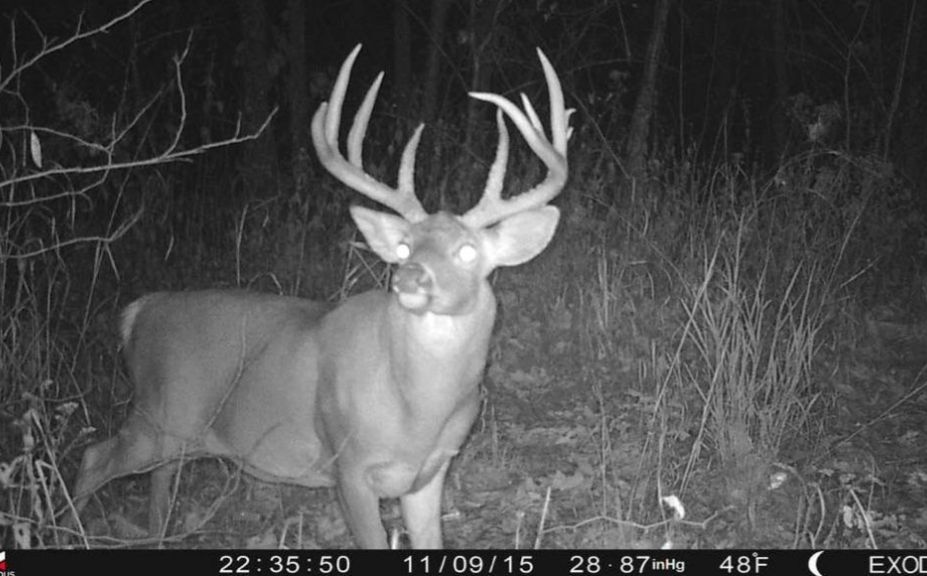
Most deer do not react strongly to properly placed trail cameras during day or night.
As a wildlife observer and long-time trail camera user, I’ve studied deer behavior and tested dozens of camera setups. This article answers "Do deer not like trail cameras" with clear, research-backed insight, practical tips, and real-world lessons so you can monitor deer with confidence and less worry about disturbing them. Read on to learn how deer perceive cameras, what affects their reactions, and how to get accurate, low-impact photos and videos.

Do deer not like trail cameras?
Many hunters and wildlife watchers ask, "Do deer not like trail cameras?" The short, evidence-based answer is no: most deer do not actively avoid well-set-up trail cameras. Deer are prey animals, cautious by nature, but they habituate quickly to small objects that do not move or smell strongly of humans.
Deer response can vary by age, sex, and local hunting pressure. Young deer may be curious. Mature does and bucks often ignore static gear after a short time. Understanding this helps you place cameras in ways that reduce any initial reaction and increase useful captures.

How deer perceive trail cameras
Deer see and hear differently than humans. Their vision favors motion and contrast more than detail. They have good low-light vision but less sharp focus. Trail cameras are small and still. This makes them less noticeable to deer.
Deer rely heavily on smell. Human scent on cameras or mounting straps is a bigger issue than the camera itself. Deer can also detect noise from mechanical parts or older flashes. Modern low-glow or no-glow infrared models cut that risk.

Factors that affect deer reactions
Several variables shape whether deer react to a camera. Pay attention to these when setting up gear.
- Camera type: Newer no-glow infrared models trigger less visible light than white flash units.
- Flash intensity: Bright flashes are likelier to startle deer.
- Camera noise: Shutter or mechanical clicks can draw attention.
- Scent: Human odor on straps, tree bark, or handling is noticed by deer.
- Placement: Cameras in clear lines of sight may be seen sooner than devices tucked into cover.
- Time and pressure: In heavily hunted areas, deer may be more skittish overall and slower to accept new objects.
- Animal personality: Curious yearlings might inspect cameras. Old, cautious bucks may ignore them.
Addressing these factors reduces chances that deer will change behavior because of your camera.

Evidence: studies, field trials, and observations
Research and field tests show mixed but clear trends about the question "Do deer not like trail cameras?" Most studies find minimal long-term avoidance of passive trail cameras. Initial watchfulness is normal, yet deer often resume usual patterns within hours or days.
Field trials compare models and placements. Tests show no-glow infrared units produce fewer visible disturbances than white flash. Experiments controlling human scent find that scent-free handling reduces first-night avoidance. Practical observation from land managers mirrors these study results.
PAA question: Will a camera scare deer away? A short answer: It might cause short-term alertness, but it rarely causes long-term displacement if handled and placed properly.
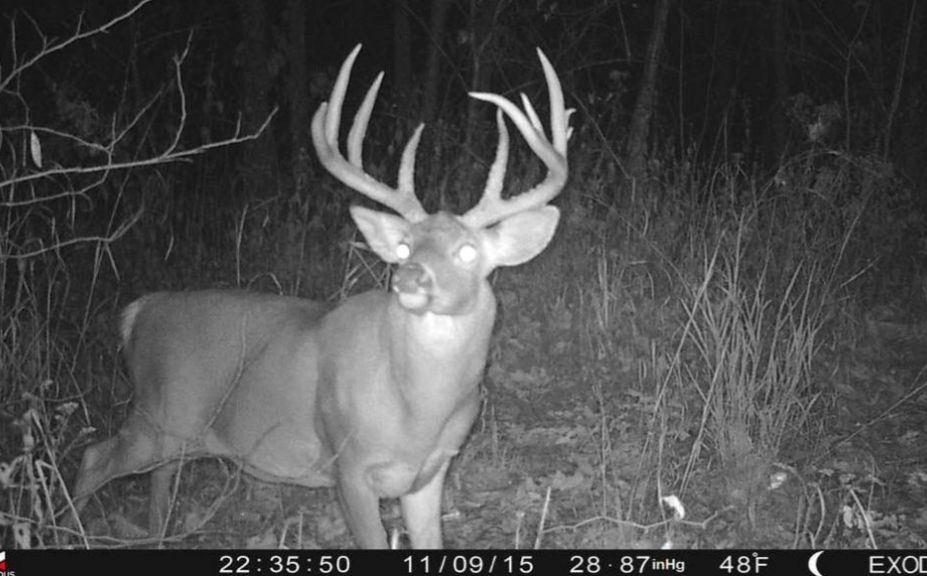
How to use trail cameras without disturbing deer
Follow these steps to lower impact and get reliable data.
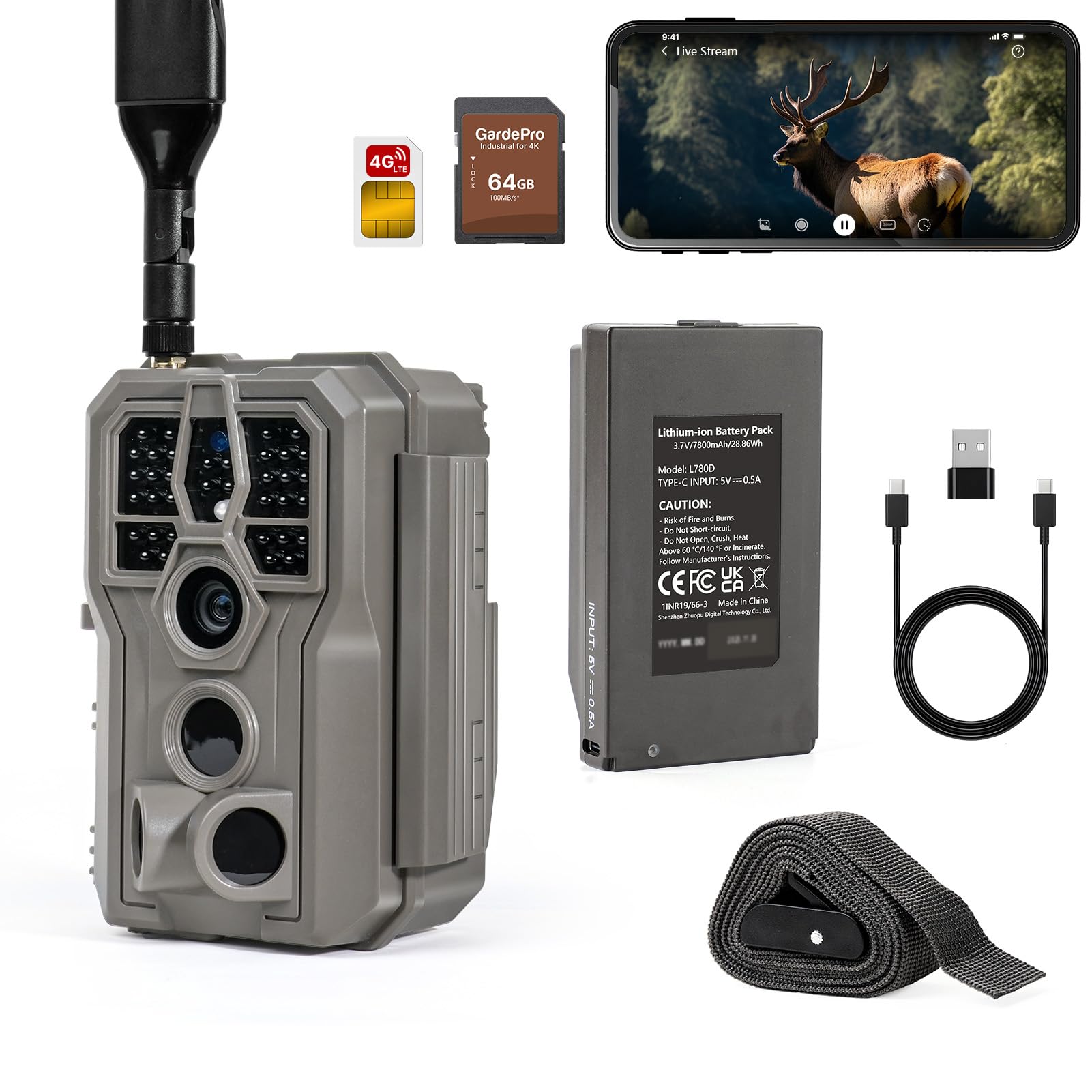
- Choose the right camera. Pick no-glow infrared or low-glow models and quiet triggers.
- Limit scent transfer. Use gloves and scent-free wipes. Store cameras in sealed bags.
- Mount smartly. Place cameras at knee height along trails or edges of feeding areas. Angle slightly down to avoid reflecting eyes.
- Minimize visits. Check cards less often to avoid scent buildup and frequent disruption.
- Use natural cover. Break up the camera’s outline with small branches that do not touch the unit.
- Test placement. Set the camera and watch the footage for a few days without touching it to gauge reaction.
These steps cut the chance deer will notice or avoid your camera.

Personal experience and lessons learned
I’ve placed trail cameras on private plots and public land for years. Early on, I used white flash units and checked them often. Deer were wary for a day or two. After switching to no-glow infrared and reducing checks to once a week, deer returned faster. One lesson stood out: scent control matters as much as camera tech.
In one winter study, a single badly handled camera reduced local activity for three nights. After replacing straps and wiping the mount, deer resumed normal trails. Small changes made the biggest difference.
Common misconceptions
Many myths surround the question "Do deer not like trail cameras?" Here are common ones and the facts.
- Myth: Cameras permanently scare deer away. Fact: Long-term avoidance is rare with proper setup.
- Myth: Deer can see camera screens. Fact: Deer notice motion and light, not small displays.
- Myth: All cameras are equal. Fact: Flash type, noise, and handling affect deer response.
- Myth: Cameras change herd structure. Fact: Cameras do not alter social structure; human activity and hunting do.
Knowing the facts helps you place cameras with less worry and more success.

Frequently Asked Questions of Do deer not like trail cameras
Will a trail camera scare deer away for good?
Short-term alertness can happen, but deer rarely avoid a well-placed camera long term. Proper scent control and modern no-glow models further reduce risk.
Are no-glow cameras better for not spooking deer?
Yes. No-glow infrared units emit no visible light and are less likely to startle deer than white flash cameras.
How far away will deer notice a camera?
Deer notice movement and smell more than small objects. If a camera is in open sight, they may see it at 10–50 yards, depending on cover and light.
Should I touch the camera when deer are nearby?
Avoid touching or approaching a camera when deer are close. Human scent and movement increase the chance deer will notice and be cautious.
Can cameras change deer hunting patterns?
Cameras alone seldom change long-term patterns. Frequent human visits, hunting pressure, and habitat changes have far greater impact.
Conclusion
Most evidence and hands-on experience show that deer do not like trail cameras only briefly, if at all, when those cameras are placed and handled correctly. Use modern no-glow models, limit scent transfer, mount thoughtfully, and check gear sparingly to keep deer behavior natural and capture better footage. Try these tips on your next setup and note the difference. If you found this useful, leave a comment, subscribe for more gear tips, or test these methods and share your results.
As an Amazon Associate, I earn from Qualifying Purchases.