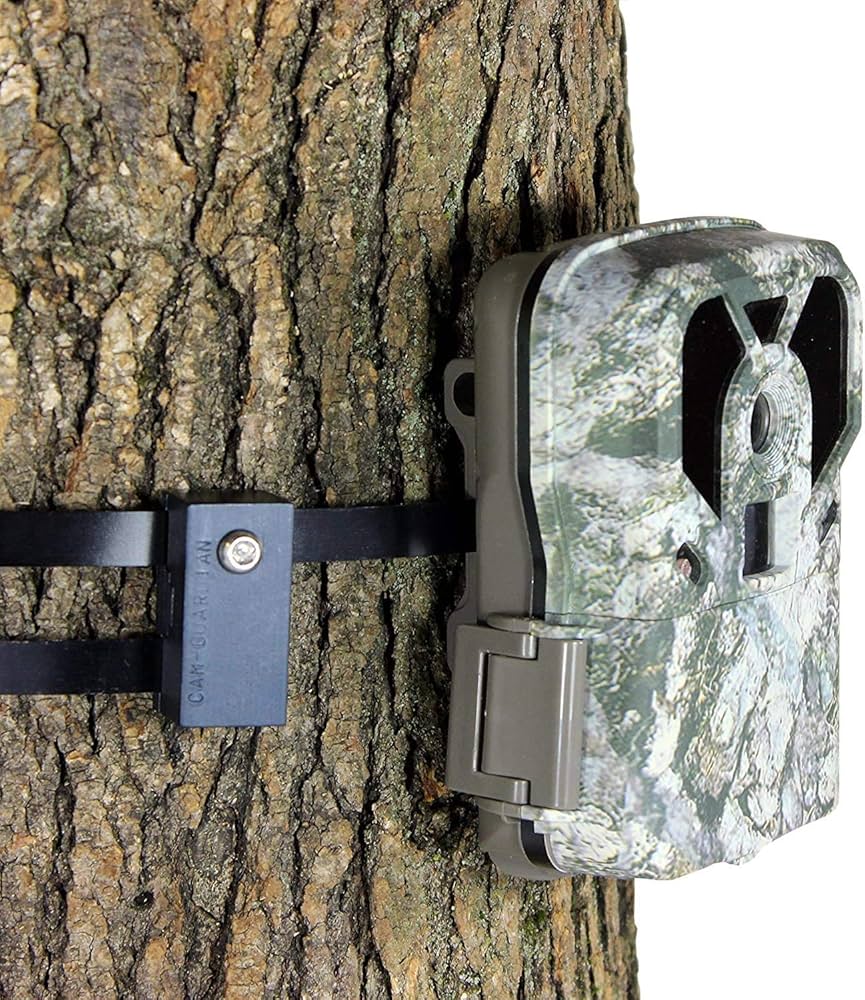
Secure mounting, camouflage, locks, and alerts stop most trail camera thefts fast.
I’ve spent years placing and protecting trail cameras for wildlife study and hunting. In this guide I’ll show clear, tested strategies for How to prevent a trail camera from being stolen, using hands-on tips, simple gear, and real-world lessons to help you keep your gear safe.

Why trail cameras get stolen
Trail cameras are small, visible, and worth money. Thieves target them because they are easy to grab and sell. Understanding why theft happens helps you plan how to prevent a trail camera from being stolen.
Common reasons theft happens:
- Cameras sit in predictable places near trails or food sources.
- They are often visible and accessible.
- Many models are easy to remove without tools.
- Lack of locks, tamper-proof mounts, or monitoring invites theft.

Practical steps: How to prevent a trail camera from being stolen
Follow layered security. Use simple measures together for big gains. Each extra step makes theft harder and less likely.
Key steps to follow:
- Pick less visible spots away from main trails and obvious game routes.
- Mount cameras high and angled to hide quick grabs.
- Use a metal lockbox and hardened security cable for anchoring.
- Enable low-power but regular alerts or cellular uploads when possible.
- Register serials, keep receipts, and mark cameras with ID.
How to prevent a trail camera from being stolen starts with placement and ends with monitoring. Small steps like marking and recording serial numbers make recovery and resale tracing easier. These basic steps cost little and work well together.

Best mounting and locking methods
A strong mount is the heart of theft prevention. The right hardware slows or stops a thief in seconds.
Mount and lock options:
- Metal lockbox that fully encloses the camera and secures to a tree.
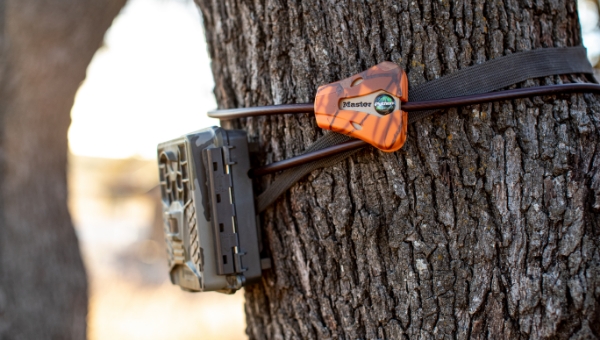
- Hardened steel cable or aircraft cable with a tamper-resistant padlock.
- Security straps with riveted or welded connections rather than simple plastic straps.
- Tree bolts or lag screws in hardwood when allowed by landowner rules.
Tips when mounting:
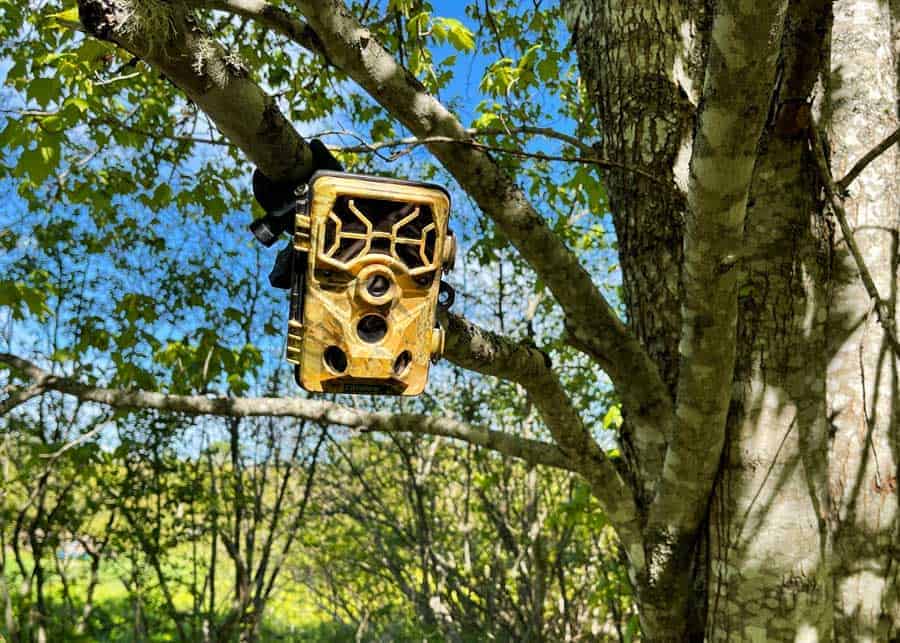
- Mount cameras at least 6–8 feet high and use an angled bracket to reduce visibility.
- Use a locking bracket that requires a tool to remove. This raises the barrier to theft.
- Attach a visibly numbered tag inside the box to show the unit is registered.
How to prevent a trail camera from being stolen relies heavily on durable mounts and locks. Investing in rugged hardware deters opportunistic theft and protects your investment.
Camouflage, placement, and behavior patterns
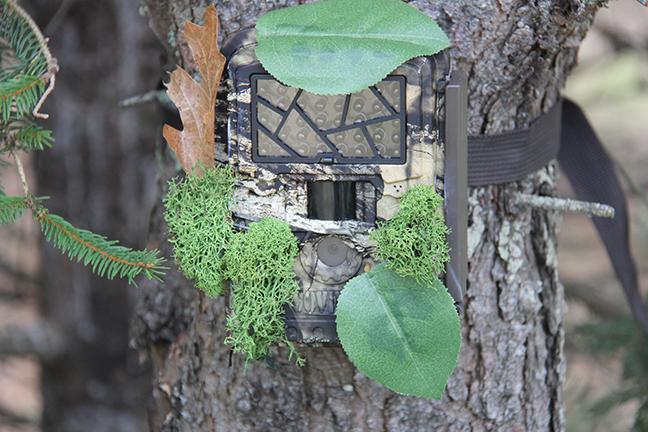
Think like a human and a thief. Camouflage well, but don’t hide it where it still looks like a prize.
Placement and camo tips:
- Avoid obvious pinch points like trail intersections, bait sites, or main logging roads.
- Use natural cover and paint or wrap the camera in muted colors to match bark.
- Face the camera away from open approaches; angle toward an animal path instead.
- Move cameras periodically to break predictable patterns.
A big part of How to prevent a trail camera from being stolen is unpredictability. Changing locations and not checking the same spot on a set schedule reduces risk.

Tech options: anti-theft devices and settings
Modern tech gives you more control. Use it to detect tampering and stay informed.
Useful tech choices:
- Cellular trail cameras that send images or alerts on movement.
- GPS trackers hidden in or near the camera housing for recovery.
- Motion triggers that log human movement separately from wildlife.
- Tamper sensors or tilt sensors that notify you if a camera is moved.
Power and data trade-offs:
- Cellular and GPS add cost and use battery life. Plan battery and data management.
- Remote alerts help recover a camera more often than non-connected units.
Using technology thoughtfully is a smart way to reinforce How to prevent a trail camera from being stolen. Even low-cost alert devices can tip you off to human presence quickly.
Legal, ethical, and signage considerations
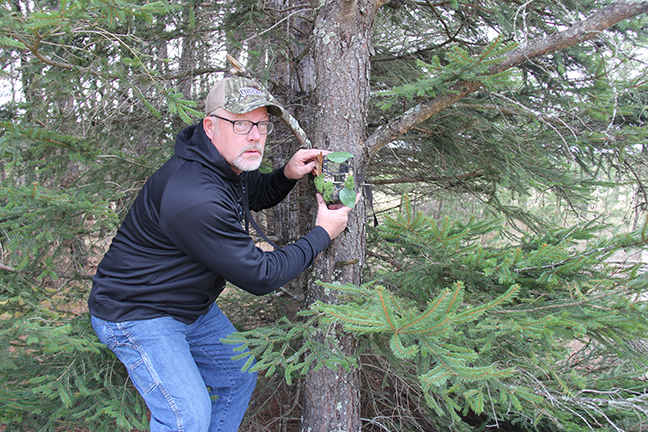
Protecting gear must respect laws and landowners. Follow rules and be transparent when needed.
Things to check:
- Get permission before entering private land or attaching hardware to public trees.
- Know local laws around surveillance and wildlife cameras.
- Consider a small, visible sign that states cameras are registered and illegal to remove; it can deter casual thieves.
Signage and legality are part of How to prevent a trail camera from being stolen. A legal, ethical approach reduces conflict and supports recovery if theft occurs.
My experience: lessons learned and common mistakes
I’ve lost a camera early in my career. That taught me fast lessons I still use.
What I learned:
- Don’t use cheap straps. They break fast and invite grabs.
- Avoid obvious bait around the camera. It draws people.
- Rotate locations on a schedule. Predators and people both learn patterns.
- Record serial numbers and photograph each camera’s mounting setup.
These real examples show simple fixes that improve how to prevent a trail camera from being stolen. Small changes save money and frustration.
PAA-style quick questions
What is the cheapest way to prevent trail camera theft?
Using a camo wrap, high mount, and a simple cable lock offers strong protection at low cost.
Can I use GPS to recover a stolen camera?
Yes. A hidden GPS tracker can help locate a stolen camera, but it may increase cost and drain batteries.
How often should I check a camera to reduce theft risk?
Vary your check schedule and avoid predictable visits. Randomized checks reduce the odds of someone watching for you.
Frequently Asked Questions of How to prevent a trail camera from being stolen
How high should I mount a trail camera to prevent theft?
Mount cameras 6–8 feet high to make fast grabs harder and less obvious. Use an angled bracket for easier setup and better concealment.
Are lockboxes really effective against theft?
Yes. A quality metal lockbox slows or prevents removal and hides the camera. Pair it with a hardened cable for best results.
Will signage help stop thieves?
Clear signage that cameras are registered and monitored can deter casual thieves. It won’t stop determined criminals, but it reduces opportunistic theft.
Is a cellular camera worth it for theft prevention?
Cellular cameras can provide instant alerts and images, improving chances of recovery. They cost more and use battery and data, so plan accordingly.
What should I do if my camera is stolen?
Report it to local law enforcement with serial numbers and photos. Share images of the thief if available and notify local pawn shops or online marketplaces.
Conclusion
Protecting your trail camera takes simple planning, durable hardware, and thoughtful placement. Combine locking boxes, hardened cables, good camouflage, and occasional tech like cellular alerts to significantly reduce risk. Start today by recording serial numbers, upgrading mounts, and moving cameras on a schedule. Try one new anti-theft measure this week and share what works for you — subscribe or comment to learn more and swap tips.
As an Amazon Associate, I earn from Qualifying Purchases.