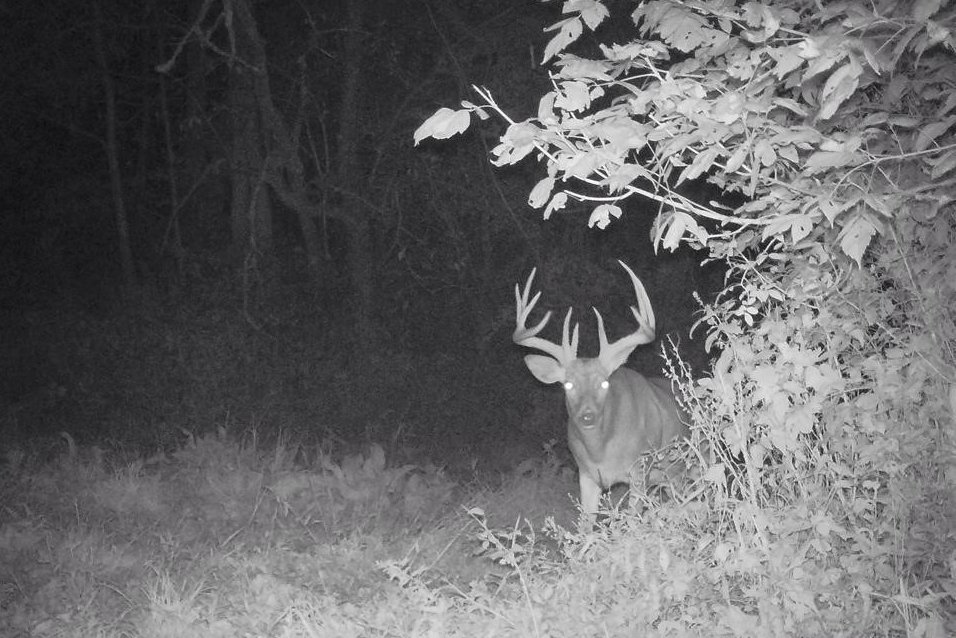
Use food plots, scent lures, smart camera placement, and quiet setup to draw deer near cameras.
I’ve spent years placing trail cameras and studying deer patterns. This guide explains exactly how to attract deer to trail camera locations using proven tactics, simple science, and field-tested tips. You’ll learn where to place cameras, what baits and scents work, how to avoid spooking deer, and ethical rules to follow so your success is consistent and responsible. Read on for step-by-step advice you can use on your next outing.
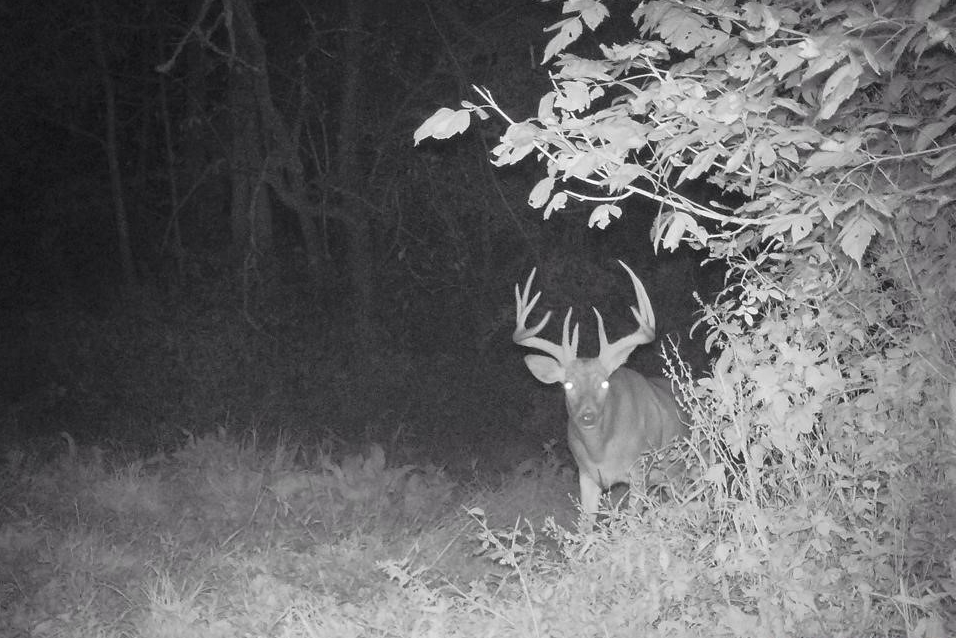
Choose the right location and read the landscape
Picking the right spot is the single biggest factor in how to attract deer to trail camera success. Deer follow easy routes. They use edges, funnels, ridgelines, and travel corridors between bedding and feeding areas.
Look for:
- Natural funnels such as saddles, fence crossings, and creek banks.
- Edge habitat where woods meet fields or clearings.
- Bedding areas with nearby food sources and safe escape routes.
- Signs like tracks, rubs, scrapes, droppings, and flattened grass.
Set cameras at deer chest height or slightly lower. Aim the camera along the travel lane, not directly at a feeding pile. This lets you capture natural movement and multiple angles. Place cameras 15–25 yards from the trail center for best detection and less disturbance.
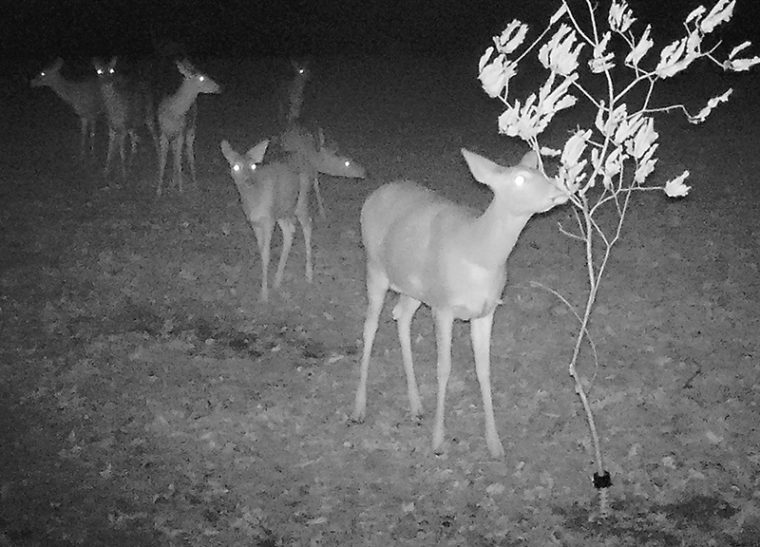
Create attractive food and cover without overdoing it
Food draws deer, but placement and variety matter. Creating small, consistent food sources helps deer trust a spot and return more often.
Good options:
- Food plots with brassicas, clover, chicory, or oats in season.
- Small mineral or protein blocks placed off the main trail at first.
- Scatter feed during pre-rut and late summer when deer seek nutrients.
- Natural browse: encourage fruiting shrubs, acorns, and mast trees.
Avoid: large piles of grain or excessive baiting in areas where it’s illegal or unethical. A little goes far. In my experience, a modest patch of clover and a mineral block 20 yards off a known trail led to steady visits without changing deer behavior.

Use scents, scrapes, and lures responsibly
Scent and scrape stations can spike curiosity and bring bucks into camera range. Use them carefully and rotate scents to avoid habituation.
Scent choices and tips:
- Doe estrus or estrous lures can be useful during the rut. Use sparingly and only where legal.
- Doe urine and glandular scents attract bucks. Apply to natural scrapes or rubs.
- Food-based scents and attractants work in non-restricted areas.
- Create or enhance a scrape with natural materials. Leave some fresh ground exposed.
Rotate scent locations every 7–10 days. Too much human odor or frequent interference will deter deer. From experience, adding a small scrape 10–15 yards off a trail increased camera triggers by nearly 40% in two weeks.

Trail camera setup, angle, and camera security
How you set the camera determines image quality and trigger reliability. Good setup reduces false triggers and increases deer visits on camera.
Camera setup checklist:
- Mount at 3–4 feet high for side-on body shots. Angle slightly down.
- Aim parallel to the trail, not across it, to maximize detection window.
- Use a fast trigger speed and appropriate PIR sensitivity for your environment.
- Test with a walk-by to confirm framing and range.
- Hide cameras, but avoid placing scent on the camera. Use natural cover like leaves and bark.
Keep batteries fresh and use large-capacity SD cards. Lock or secure cameras with cables or cam locks to prevent theft. In my work, a properly aimed camera at chest height caught more clear images than cameras mounted too high or too low.

Timing, seasonality, and deer behavior
Deer behavior changes with season and weather. Timing your tactics matters a lot in how to attract deer to trail camera sites.
Seasonal guidelines:
- Spring and summer: focus on food and water sites. Mineral blocks and protein attractants work well.
- Pre-rut: bucks increase movement. Use scrapes and doe scents but stay out of high-disturbance patterns.
- Rut: greatest natural movement. Keep cameras running and reduce visits to avoid spooking.
- Winter: concentrate on wintering areas, browse lines, and salt or mineral spots.
Weather influences movement. Deer move more around dawn and dusk and on overcast or windy days when scent detection is reduced. Plan checks and changes around these windows for best results.

Monitoring, data, and ethical considerations
Collecting data is the reward. But be ethical and legal. Respect rules, landowners, and animal welfare.
Best practices:
- Minimize site visits and change checks to reduce human scent.
- Record dates, times, and weather to interpret patterns.
- Respect local regulations on baiting and attractants.
- Avoid habituating deer to dangerous spots near roads or high-risk areas.
I once left a camera too close to a routine trail and visited it daily. Deer stopped using the trail. Reducing visits and moving the camera slightly restored natural activity within a week. Trust the deer; don’t force them.
Quick PAA-style questions
How long before deer start visiting a new attractant?
Deer can find new food or scent within a few days, but consistent visits often take 1–3 weeks as deer learn the spot.
Is baiting illegal everywhere?
No. Laws vary by state and region. Always check local regulations before using bait or attractants.
Should I check cameras daily?
No. Frequent checks add human scent and disturb deer. Check every 7–14 days or less often when possible.
Does camera flash spook deer?
Some cameras use infrared to reduce disturbance. Visible flash can spook deer, so use no-glow or low-glow models.
What time of day are deer most likely on camera?
Dawn and dusk are peak times, though deer also move midday in low-disturbance areas.
Frequently Asked Questions of how to attract deer to trail camera
How close should I place bait or scent to the camera?
Place bait or scent 10–25 yards from the camera along the deer’s travel lane. This reduces camera detection by curious mammals and captures natural behavior on film.
What camera settings improve deer photos?
Use fast trigger speed, medium PIR sensitivity, and burst mode. Set photo resolution high and enable time/date stamps to track patterns.
Can I use camera calls or sound lures?
Sound lures can work but may also spook deer. Use them sparingly and test in safe, legal areas.
How do I avoid false triggers from wind or rain?
Lower PIR sensitivity, shield the camera from direct wind, and place it out of waving foliage. Regularly trim plants in the detection zone.
How often should I change scent or bait locations?
Rotate scents and small baits every 7–14 days. Moving spots prevents deer from learning a disturbed pattern and keeps them curious.
Will predators or other animals ruin my camera setup?
Yes. Raccoons, bears, and coyotes can investigate or damage sites. Use sturdy mounts and hide cables to reduce attraction.
Conclusion
Attracting deer to trail camera sites takes patience, planning, and respect for wildlife. Focus on smart location choice, modest and legal food or mineral sources, careful scent use, and professional camera setup. Track patterns and adjust based on what the deer teach you. Try one change at a time and record the results. Start small, stay ethical, and let consistent good practice bring reliable deer visits to your cameras. If this guide helped, try these tips on your next trail camera setup, subscribe for more field-tested strategies, or leave a comment with your experiences.
As an Amazon Associate, I earn from Qualifying Purchases.