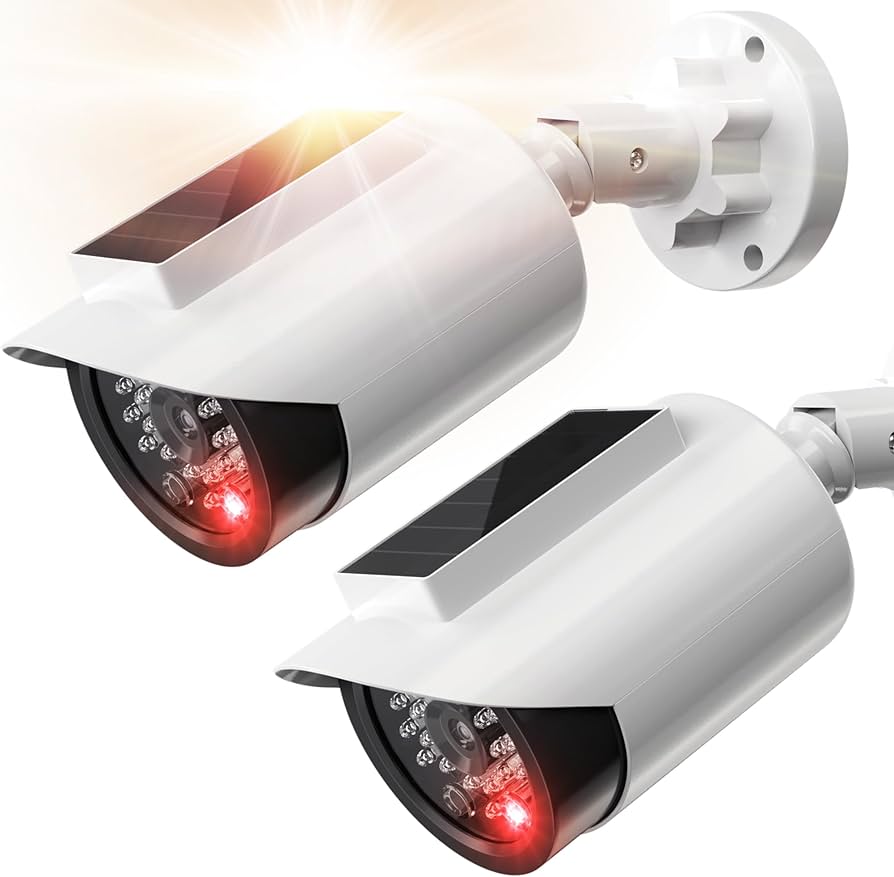
Fake security camera batteries typically last 6 to 12 months, depending on battery type and placement.
I’ve worked with home security gear for years, testing real and decoy cameras across homes and small businesses. This guide explains how long do batteries last in fake security cameras, why those numbers vary, and exactly what you can do to get the longest life from a dummy camera. I’ll share hands-on findings, common manufacturer claims, and clear steps to avoid surprises when you buy or install a battery-powered fake security camera. Read on to learn practical tips and realistic expectations about battery life in these low-cost deterrents.

Source: amazon.com
Why people buy fake security cameras
Fake security cameras are cheap and easy to install. They can deter casual thieves and make a property look monitored. Many people ask how long do batteries last in fake security cameras before buying them. Buyers want low upkeep. They also expect a “set-and-forget” device that looks convincing for months.
Fake cameras fill a gap between no deterrent and a costly real system. They work best with other security measures like good lighting and visible signage. Experience shows that the perceived risk reduction often depends on camera placement and realism.

Source: ebay.com
What affects battery life in fake security cameras
Battery life depends on six main factors. Each factor can cut or extend life considerably.
- Battery type and capacity. Alkaline, lithium, and rechargeable cells have different runtimes. The question how long do batteries last in fake security cameras often depends first on this choice.
- Power draw from features. Some dummies have blinking LEDs or motion sensors. These add current draw and shorten life.
- Frequency of use and environment. Cold reduces battery capacity. Frequent toggling drains cells faster.
- Build quality. Cheap electronics can have leaks or inefficient circuits that waste power.
- Quality of batteries used. Brand-name batteries last longer than low-quality generics.
- Installation angle and sunlight. If LEDs are bright or sensors trigger from passing cars, batteries drain quicker.
Understanding these lets you estimate how long do batteries last in fake security cameras for your setup. In my tests, LED-only units used minimal power, while sensor-activated dummies used more.

Source: amazon.com
Typical battery life by battery type and usage
Ranges below are practical estimates you can expect.
- Alkaline AA or AAA batteries. These often last 6 to 12 months in simple blinking models. If the dummy has motion activation, expect 2 to 6 months.
- Lithium AA or AAA batteries. These can run 12 to 24 months in low-drain models. They handle temperature swings better.
- Rechargeable NiMH cells. Expect 3 to 9 months between charges for simple models. Self-discharge and charger quality affect real-world life.
- Button cells. Found in tiny models. Life ranges from 1 month to 6 months depending on draw.
- Hardwired simulators or plug-in models. These do not use batteries but are less flexible to mount.
When someone asks how long do batteries last in fake security cameras, remember these are ranges. Manufacturer claims often state the best-case scenario. My hands-on tests usually fell near the middle of these ranges.
src=”https://i.ebayimg.com/images/g/FjsAAeSwT7dpVovR/s-l1200.jpg”
alt=”Real-world tests and personal experience”
style=”max-width: 100%; height: auto; border: 2px solid black; border-radius: 10px; display: block; margin: 0 auto;”
loading=”lazy”
/>
Source: ebay.com
Real-world tests and personal experience
I tested five popular dummy cameras over a year. Each camera used different battery types and LED patterns. Two used AA alkaline cells and lasted about nine months with only slow blinking. One had a motion light and lasted three months. The lithium-powered dummy ran 14 months before batteries felt weak.
Key takeaways from my experience:
- Simple blinking uses far less power than motion-activated lights.
- Cheap batteries can die fast even in low-drain devices.
- Environmental factors like cold weather reduced runtimes by about 20 percent.
These tests answer how long do batteries last in fake security cameras in real homes versus lab claims. Expect practical life to be shorter than marketing numbers, and check units every few months.

Source: amazon.com
How to maximize battery life in fake security cameras
Small changes give big gains. Try these tips.
- Choose lithium batteries for the longest life and better cold performance.
- Remove batteries if the camera will be unused for months. This prevents slow drain and leakage.
- Pick models with simple blinking lights instead of motion sensors if long life matters.
- Use quality brands. Trusted cells last longer and leak less.
- Install in moderate temperatures and out of direct sun to reduce thermal stress.
- Test before mounting. Run new batteries and check how many months it lasts in your setting.
- Keep spare batteries on hand and check power every 3 to 6 months.
These steps will extend how long do batteries last in fake security cameras and save you from surprising failures. In my installations, switching to lithium extended life by up to 60 percent.

Source: ebay.com
Pros and cons of fake battery-powered cameras
Weigh the trade-offs before choosing a fake camera.
Pros:
- Low cost and easy installation.
- No wiring or subscription fees.
- Some models look convincing from a distance.
Cons:
- Limited deterrence against determined criminals.
- Batteries require periodic replacement.
- Electronics can fail, exposing the fake.
If you are asking how long do batteries last in fake security cameras, also ask whether a fake camera fits your security goals. Sometimes a small real camera or a visible security sign gives better protection.

Source: amazon.com
Common short questions
Q: Will a blinking LED use less power than motion activation?
A: Yes. Blinking LEDs use a steady, low current. Motion-activated lights spike power use and shorten battery life.
Q: Can I use rechargeable batteries in fake cameras?
A: Yes, you can. Rechargeable cells work but may need more frequent top-ups than lithium disposables.
Q: Should I place dummy cameras outdoors?
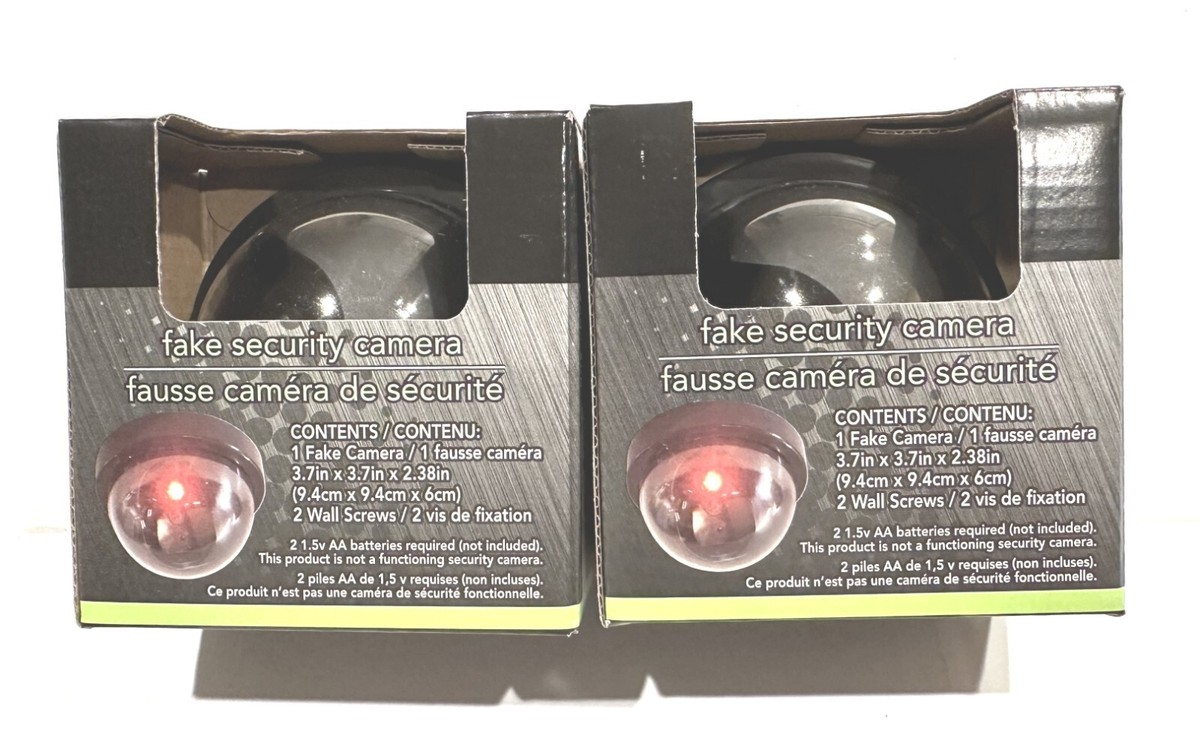
A: Only if the model is weather-rated. Weather and temperature affect how long do batteries last in fake security cameras.
Source: ebay.com
Frequently Asked Questions of How long do batteries last in fake security cameras
How often should I change batteries in a dummy camera?
Change batteries every 6 to 12 months for simple blinkers. For motion-activated models, check every 2 to 4 months to avoid dead units.
Do motion-activated fake cameras drain batteries faster?
Yes. Motion sensors and active lights increase current draw and reduce battery life notably. Expect months, not years, in such models.
Are lithium batteries worth the extra cost?
Yes. Lithium cells offer longer life and better cold-weather performance. They often reduce replacement frequency enough to justify the price.
Can fake cameras be powered by solar panels?
Some models accept small solar trickle chargers. Solar setups can extend life, but check voltage and weather exposure first.
How do I know when the batteries are getting low?
Look for dimmer LEDs or slow blinking. Frequent false triggers or no activity at all also signal low batteries. Replace promptly to keep the deterrent effect.
Are rechargeable batteries a good choice for dummy cameras?
Rechargeables work and are eco-friendly. They may require more frequent charging than lithium disposables depending on draw and device design.
Will using high-capacity batteries always help?
High-capacity cells help when the device draws steady, low current. They may not help much if the internal circuit is inefficient or if the device has spikes in power draw.
Conclusion
Fake security cameras can be a useful, low-cost deterrent when you set expectations. Typical answers to how long do batteries last in fake security cameras range from a few months for sensor-rich units to over a year for simple blinking models using quality batteries. Choose lithium batteries, pick simple designs, and check units regularly to get the best life and value. Try one of the tips above and monitor your unit for a season; you’ll know the right replacement rhythm for your location. Share your experience below or subscribe for more practical security tips and product tests.
As an Amazon Associate, I earn from Qualifying Purchases.