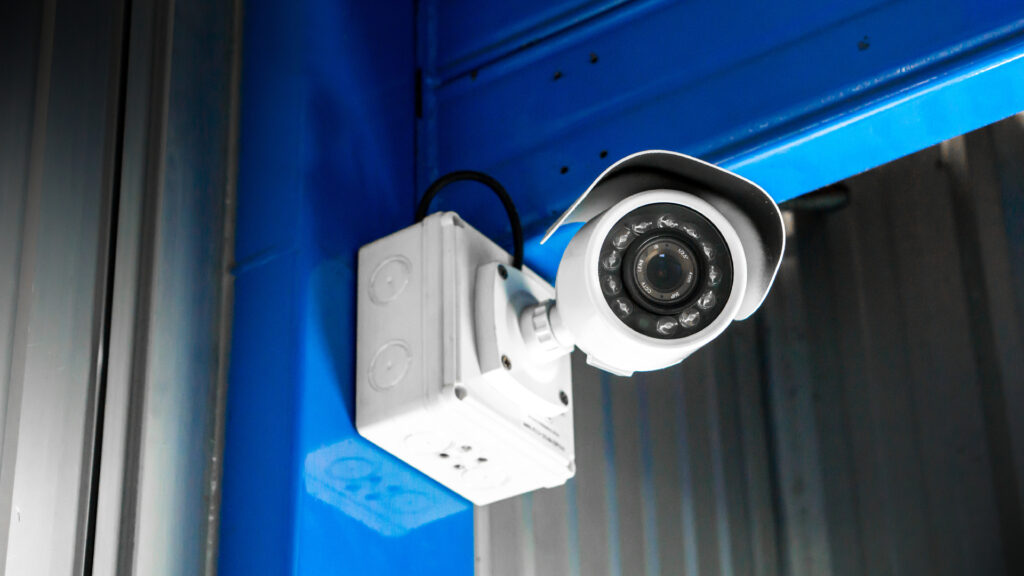
Wired PoE cameras paired with an on-premises NVR, signed firmware, and disabled cloud access are least likely to be hacked.
I’ve spent years designing and testing home and small-business camera systems. I’ll walk you through which security camera is least likely to be hacked, why that design works, and how to choose and harden a system you can trust. Read on for clear, practical steps and real-world tips to reduce risk and keep your video safe.

How I evaluate Which security camera is least likely to be hacked
When I ask which security camera is least likely to be hacked, I look at the full stack. That means hardware, firmware signing, network design, storage, and vendor practices. I test devices for open ports, update behavior, default credentials, and cloud dependence. I also test how easy it is to intercept video streams and bypass authentication.
From fieldwork and lab tests, the best results come from systems that minimize internet exposure, use strong firmware controls, and store video locally. Those qualities repeatedly answer which security camera is least likely to be hacked. I’ll explain each factor and show practical setups anyone can use.
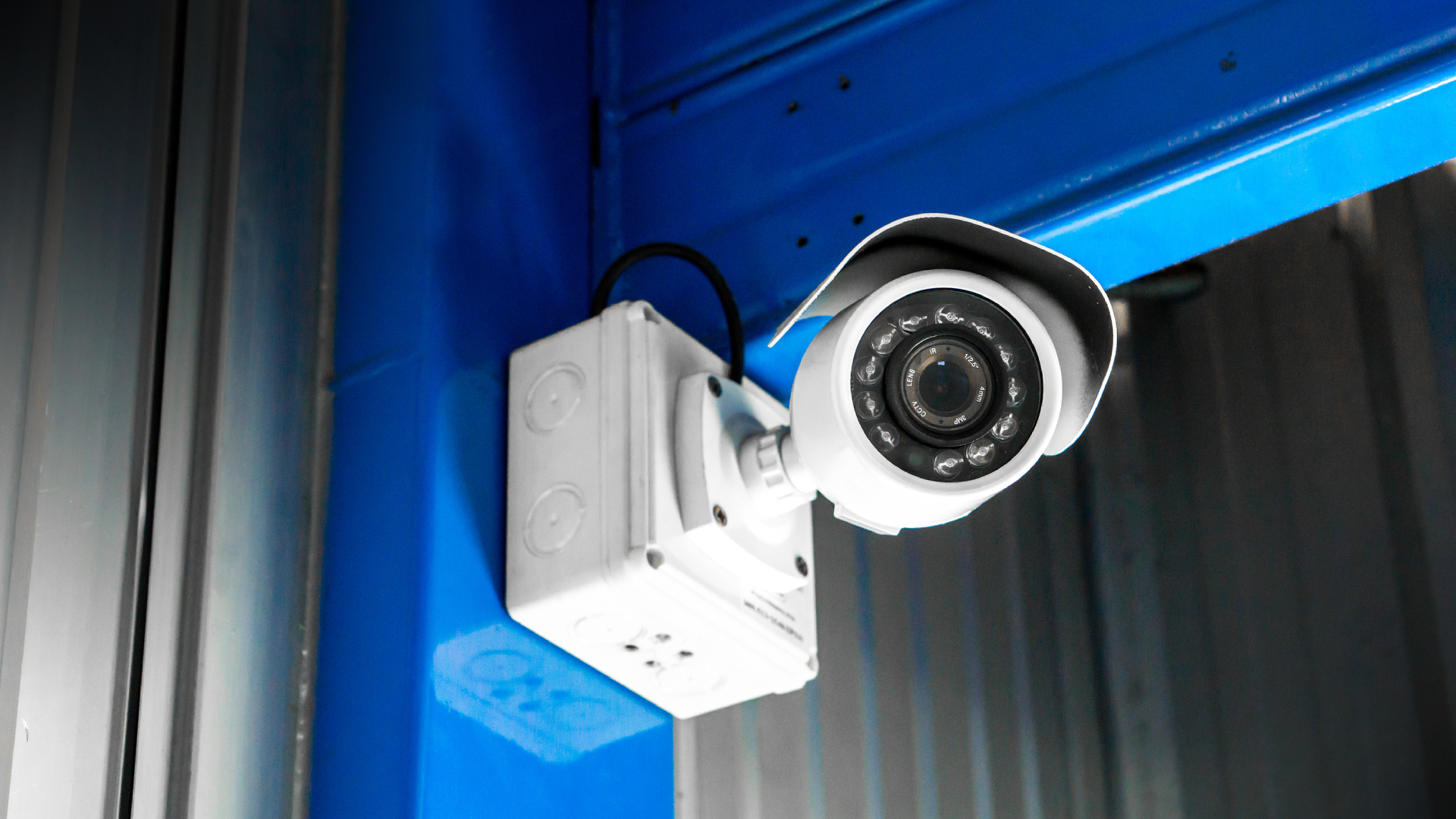 features that determine which security camera is least likely to be hacked”
style=”max-width: 100%; height: auto; border: 2px solid black; border-radius: 10px; display: block; margin: 0 auto;”
loading=”lazy”
/>
Key features that determine which security camera is least likely to be hacked
A camera’s security is more than a label. Look for these features.
- Hardware-based secure boot and signed firmware: ensures only trusted code runs on the camera.
- Local storage or on-prem NVR: keeps video off public cloud servers and reduces attack surface.
- Encrypted streams (TLS/HTTPS, SRTP): prevents eavesdropping in transit.
- Wired PoE connection: removes wireless vulnerabilities and reduces RF attack paths.
- Strong authentication options: unique passwords, 2FA, and role-based accounts.
- Regular vendor updates and a clear vulnerability disclosure program: shows the vendor takes security seriously.
- Minimal or optional cloud features: cloud services add convenience but increase risk if not well secured.
These features together answer which security camera is least likely to be hacked. No single spec wins alone; combined they form a secure system.

Types of cameras and systems least likely to be hacked
Different camera types have different risks. Here’s a quick comparison based on that central question: which security camera is least likely to be hacked.
Wired PoE IP cameras with on-prem NVR
- Pros: minimal internet exposure, reliable power, professional features.
- Cons: higher install cost, less mobile-only convenience.
- Why this answers which security camera is least likely to be hacked: network isolation and local storage cut most remote attack paths.
Analog CCTV with digital recorder (DVR)
- Pros: isolated analog link, local storage.
- Cons: lower image quality, limited remote features.
- Why: physical isolation makes remote hacking harder.
Edge cameras with on-device encryption and secure boot
- Pros: strong device-level protections.
- Cons: relies on vendor transparency and updates.
- Why: when implemented well, they are very resistant to compromise.
Cloud-first Wi‑Fi cameras
- Pros: easy setup, remote viewing.
- Cons: largest external attack surface; cloud breaches affect many users.
- Why: least likely to be hacked? Usually not—cloud features increase risk if the vendor is breached or misconfigures services.
For most security-minded users, wired PoE cameras that store to a local NVR answer which security camera is least likely to be hacked.

Practical setup and hardening tips to reduce hacking risk
Knowing which security camera is least likely to be hacked is one thing. Hardening your system is where most gains happen.
- Use network segmentation
- Put cameras on a separate VLAN or subnet. Block camera-to-internet traffic unless explicitly needed.
- Disable UPnP and remote port forwarding
- These features can open direct access to devices. Avoid them.
- Require strong, unique passwords
- Replace any default credentials before power-up when possible.
- Enable encryption and signed firmware
- Turn on HTTPS/TLS for web interfaces and confirm firmware signing is in place.
- Use a VPN for remote access
- Access your NVR or camera GUI through a VPN rather than exposing ports to the internet.
- Schedule and test updates
- Apply firmware updates in a maintenance window. Verify update authenticity.
- Limit cloud features or use trusted cloud only
- If you use cloud storage, choose vendors with transparent security practices and opt for end-to-end encryption when available.
- Monitor logs and alerts
- Check access logs regularly. Anomalies often show early signs of probing or compromise.
Following these steps will meaningfully answer which security camera is least likely to be hacked in your real environment.

Trade-offs and limitations when choosing which security camera is least likely to be hacked
Security often requires trade-offs. Here are common limitations to consider.
- Convenience vs security
- Cloud systems are convenient. Local systems are more secure but may require more effort.
- Cost
- Secure hardware, PoE wiring, and a quality NVR cost more upfront.
- Maintenance
- On-prem solutions require you to manage updates and backups.
- False sense of security
- No device is unhackable; good practice and monitoring remain essential.
Be honest about priorities. If you accept a few conveniences lost, you can greatly reduce hacking risk. That helps you answer which security camera is least likely to be hacked for your needs.

Buying checklist: pick the right camera for your security goals
Use this checklist when shopping to find which security camera is least likely to be hacked.
- Choose wired PoE cameras when possible.
- Confirm firmware signing and secure boot.
- Prefer cameras that support encrypted streaming.
- Verify the vendor publishes security updates on a schedule.
- Avoid devices that force exclusive cloud dependency.
- Check for 2FA and multi-user account controls.
- Make sure the camera supports local storage or NVR use.
- Read recent security advisories for the model before buying.
This checklist reflects real-world experience and will help you choose a camera system that is hard to exploit.
Frequently Asked Questions of Which security camera is least likely to be hacked
What makes a camera hard to hack?
A camera is hard to hack when it runs signed firmware, encrypts video streams, stores footage locally, and is isolated from the public internet. Regular vendor updates and strong authentication add more protection.
Are wired cameras safer than wireless for preventing hacks?
Yes. Wired PoE cameras reduce attack vectors related to wireless protocols and are easier to place on isolated VLANs. They also avoid common Wi‑Fi weaknesses.
Is a cloud camera always less secure?
Not always, but cloud cameras increase the number of systems that must be secure. Cloud dependency raises risk when vendor controls fail or credentials leak.
Do cheap cameras have higher hacking risk?
Often yes. Lower-cost devices may skip robust firmware security, timely updates, or vendor transparency, increasing vulnerability. Buying a reputable product with security features pays off.
Can software hardening make any camera secure?
Hardening helps significantly, but hardware and firmware limitations still matter. Combining hardening with secure hardware gives the best protection.
Conclusion
Choosing which security camera is least likely to be hacked comes down to reducing exposure, choosing secure hardware, and maintaining good network hygiene. Wired PoE cameras with local NVRs, signed firmware, encrypted streams, and segmented networks consistently offer the lowest risk. Start by applying the buying checklist and hardening steps above. Take one step today: change default passwords, disable UPnP, or place cameras on a separate VLAN. Share your setup questions or experiences below, or subscribe for more hands-on security guidance.
As an Amazon Associate, I earn from Qualifying Purchases.