It's best to use legal, non-destructive privacy measures and talk to your neighbor first.
I have dealt with camera disputes and privacy concerns as a homeowner and mediator. This guide on How to block a neighbor's surveillance camera explains safe, legal, and practical paths you can take. I will walk you through laws, polite steps, privacy-friendly solutions, and what to avoid. Read on to get clear, usable options that protect your privacy without breaking the law.
Understanding the legal and ethical landscape
Knowing the law matters before acting on How to block a neighbor's surveillance camera. Laws vary by state and country. Some places allow cameras that point at public spaces. Other places protect your reasonable expectation of privacy.
You must not damage or disable someone else’s property. That is usually illegal. Privacy laws, trespass rules, and data protection rules can all apply. Get local legal guidance if you are unsure.

Safe, legal ways to preserve your privacy
Here are lawful and effective alternatives to blocking a neighbor’s camera directly. These options help you control your privacy on your property.
- Use privacy landscaping: Plant trees, shrubs, or tall hedges to block camera lines of sight. Fast-growing plants like bamboo or arborvitae work well in many climates.
- Install privacy screens or fences: A solid fence or lattice with climbing plants creates a visual barrier between you and the camera.
- Apply one-way window film: Window films let you see out while making it harder for cameras to see in. They work well for living spaces and bedrooms.
- Rearrange outdoor activity areas: Move seating, play areas, or BBQs to parts of your yard that are out of the camera’s view.
- Use lighting and glare: Motion lights and placement of reflective surfaces can reduce useful footage from basic cameras without interfering with the camera itself.
- Use lawful tech for audio privacy: White-noise machines or water features help mask conversations in your yard.
All these steps focus on protecting your privacy on your property without tampering with a neighbor’s device. They are safer and more sustainable than illegal actions.

How to communicate and negotiate with your neighbor
Talking first often solves camera conflicts. A calm, clear request is more effective than a confrontation.
- Describe the problem: Show photos of camera placement and explain how it affects your privacy.
- Suggest reasonable fixes: Propose moving the camera, angling it slightly upward, or adding a privacy shield on their side.
- Offer compromises: Suggest set recording times, motion-only recording, or blurring sensitive areas.
- Use written notes if needed: A polite email or letter creates a record and avoids heated talk.
- Involve a mediator: If direct talk fails, a neutral mediator or HOA representative can help.
In my experience, neighbors respond well when solutions are framed as mutual respect and safety. A short conversation often prevents escalation.

Legal options and enforcement
If talks fail, there are lawful steps you can take to address cameras that invade your privacy.
- Check local ordinances: Many towns have rules on surveillance, placement, and recording in private areas.
- Contact your homeowners association: HOAs often have rules on camera placement and neighbor disputes.
- File a police report when appropriate: If a camera records private acts like inside your home or a private yard where you have a reasonable expectation of privacy, law enforcement can advise.
- Seek civil remedies: Consult an attorney about nuisance, invasion of privacy, or trespass claims. Legal letters can prompt changes.
- Preserve evidence: Take dated photos or short clips showing camera angle and proximity without interfering with the device.
These steps can lead to a legal resolution without you taking direct action against the camera.
Common mistakes and illegal methods to avoid
Some quick fixes may seem tempting but can land you in legal trouble. Avoid these actions.
- Do not disable, damage, or remove the camera. That can be criminal mischief or theft.
- Do not use signal jammers or radio interference. Jamming is illegal in many countries and can affect emergency services.
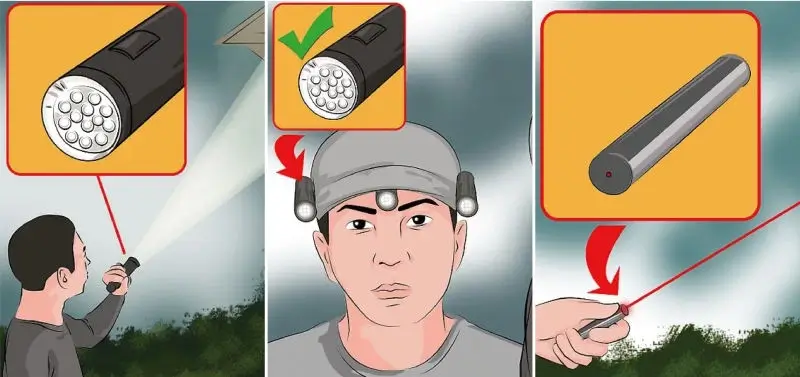
- Do not point lasers, spray paint, or physically block a camera with objects that are not on your property. Those acts risk charges or civil liability.
- Do not publish or share someone else’s footage without consent if it invades privacy. That can create legal exposure.
It is safer and smarter to use lawful solutions and mediation. Short-term illegal actions create long-term problems.

Technical considerations and documenting the issue
You do not need to know how to break a camera to address the problem. Instead, gather clear, lawful evidence and understand basic tech terms.
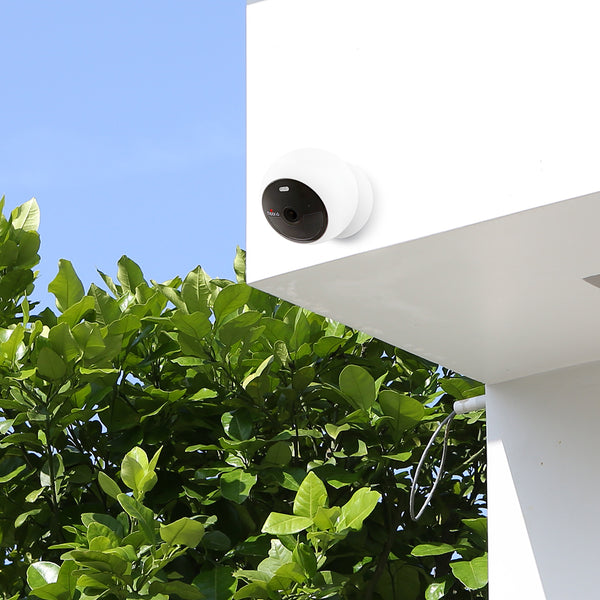
- Field of view: Cameras have a cone of view. Note if the lens aims at private areas.
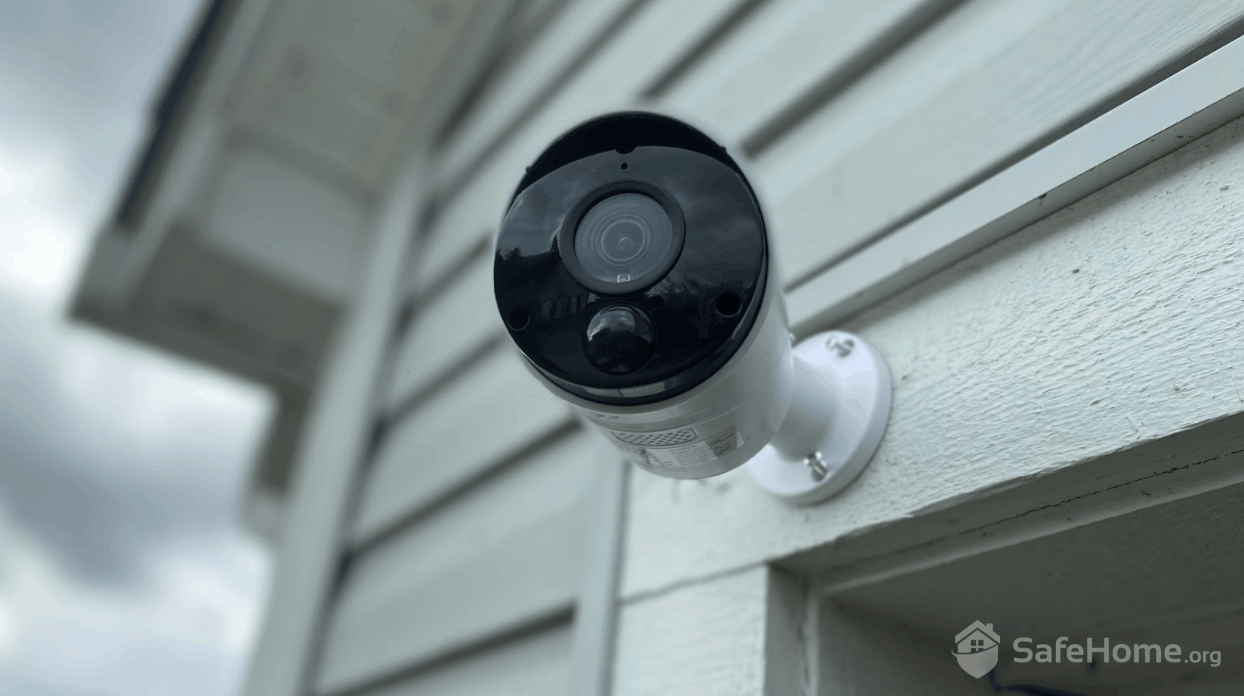
- Fixed vs. PTZ cameras: Fixed cameras point one way. Pan-tilt-zoom cameras can change view; note if they move into your space.
- Recording style: Motion-only or scheduled recording reduces continuous capture of your activities. Ask your neighbor about settings.
- Metadata and cloud storage: Some footage is stored remotely. Knowing this can help when preserving evidence.
- Document carefully: Date-stamped photos of camera position from public or your property are useful. Keep logs of conversations and attempts to resolve the issue.
Collecting accurate, lawful documentation strengthens your case when asking for a change.
Personal experience and practical tips
I once had a neighbor install a camera that caught part of my yard. I started with a friendly note and a daytime photo showing the camera’s view. The neighbor did not realize the angle. We arranged a quick fix: trimming a branch and adding a small privacy screen. That worked.
Lessons I learned and share:
- Start soft, with clear evidence and a calm tone.
- Offer fair solutions. People respond to options that keep their security intact.
- Keep records of each interaction. They matter if the problem escalates.
These steps saved time and kept our relationship civil.
Frequently Asked Questions of How to block a neighbor's surveillance camera
Can I legally cover a neighbor’s camera if it points at my yard?
No. Covering or damaging a neighbor’s camera is usually illegal. Use legal, non-destructive steps like privacy screens or legal channels instead.
What is the best legal way to stop being filmed by a neighbor?
Use landscaping, fences, window film, and open communication. If that fails, consult local laws, your HOA, or an attorney for civil remedies.
Should I call the police about a neighbor’s camera?
If the camera records inside your home or captures intimate acts, contact police. For general disputes, start with conversation and civil options.
Are security camera jammers legal?
In most places, jamming radio or Wi-Fi signals is illegal and can impact critical services. Avoid jammers and pursue lawful measures.
How can I gather evidence without breaking the law?
Take dated photos from your property, keep logs of times the camera records, and save written communication. These documents help legal or mediation efforts.
Conclusion
When you wonder How to block a neighbor's surveillance camera, the best route is to protect your privacy lawfully. Use plants, screens, window film, and smart layout changes. Talk to your neighbor first, document the issue, and use local laws or mediation if needed. Avoid damaging or disabling equipment—illegal actions risk penalties and escalate the problem.
Take action today by assessing the camera’s impact, gathering simple evidence, and opening a calm conversation with your neighbor. If that does not work, seek legal advice or mediation. Share your experience or questions below and subscribe for more practical privacy tips.
As an Amazon Associate, I earn from Qualifying Purchases.