
DSLRs use a mirror and optical viewfinder; mirrorless cameras drop the mirror for a compact electronic viewfinder.
I’ve spent years testing cameras, shooting weddings, travel, and product work. I’ll explain clearly what is the difference between a DSLR and a mirrorless camera, how each works, and which fits your needs. Expect practical examples, simple advice, and tips from real shoots so you can choose with confidence.

How DSLRs work
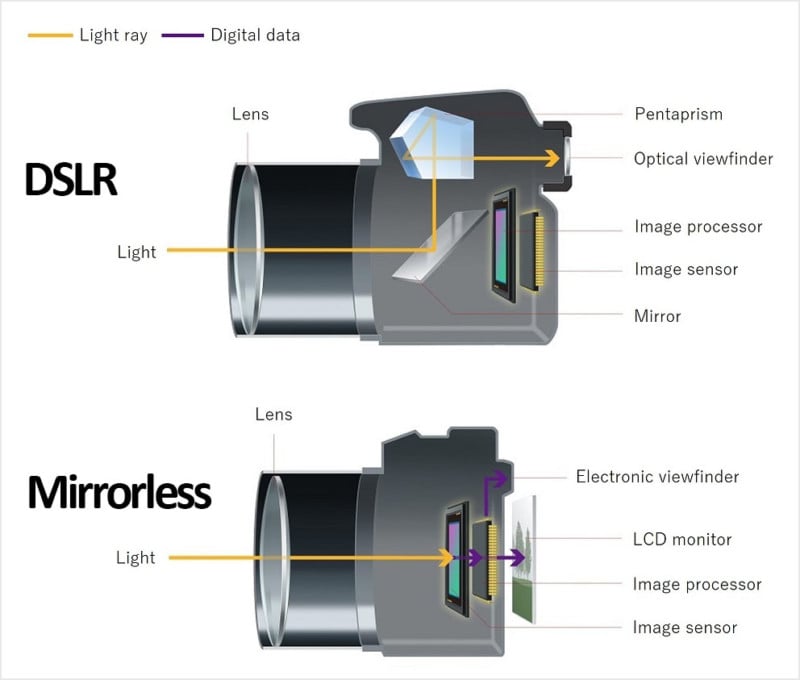
A DSLR uses a mirror and pentaprism to give you a direct optical view through the lens. Light hits the lens, reflects off the mirror, and travels to the optical viewfinder. When you press the shutter, the mirror flips up and the sensor captures the image.
DSLRs often feel familiar to photographers. The view is real-time and lag-free because it is optical. This classic design shapes many lenses and DSLR ergonomics.

How mirrorless cameras work
Mirrorless cameras remove the mirror and show the scene on an electronic viewfinder or the rear LCD. Light travels straight to the sensor at all times. The camera feeds a live image to the EVF or screen for framing.
Because the sensor is always active, mirrorless cameras can use on-sensor phase detect and fast contrast AF. This design lets manufacturers make smaller camera bodies and new lens designs.

Key differences: design, size, and feel
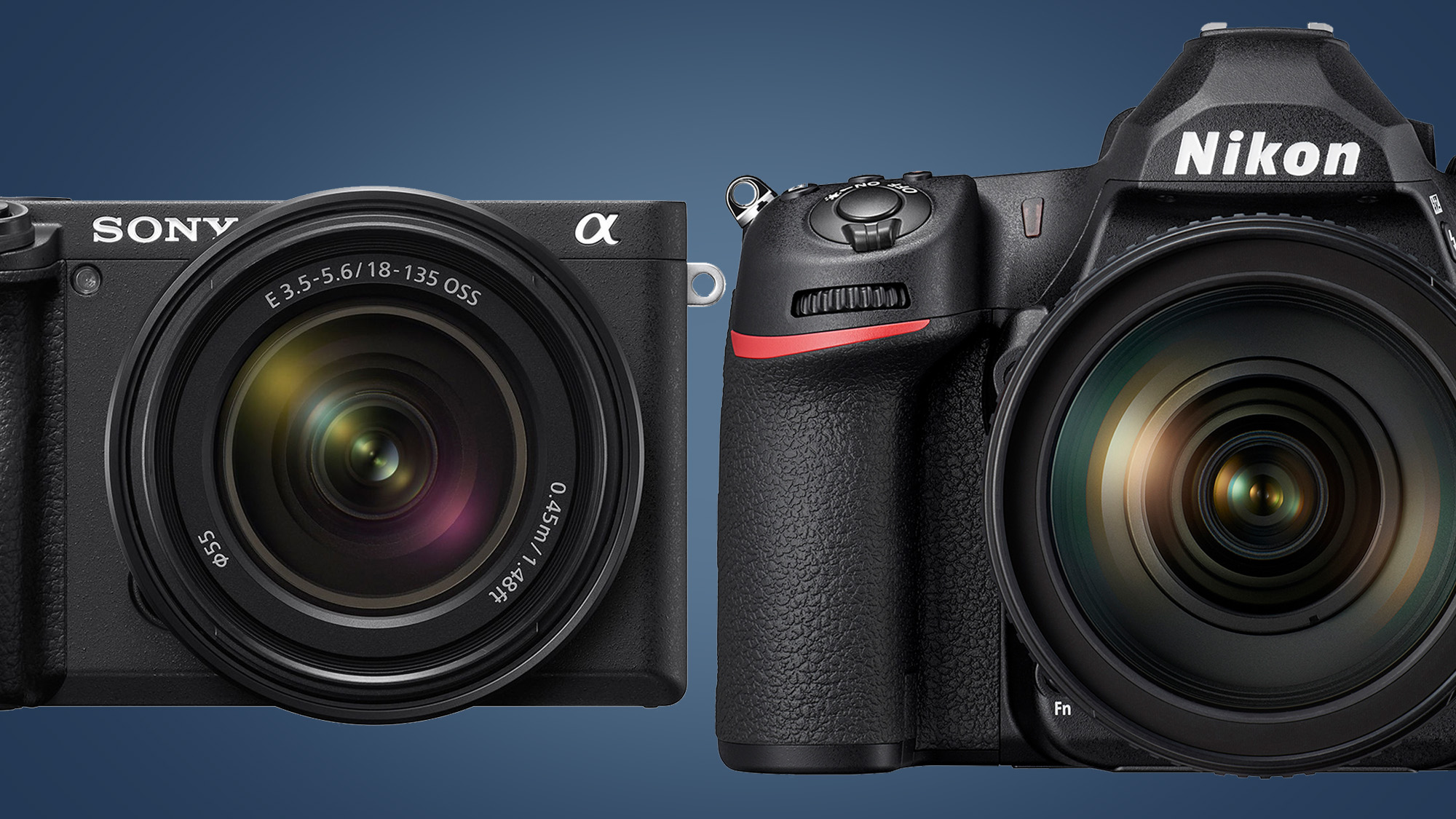
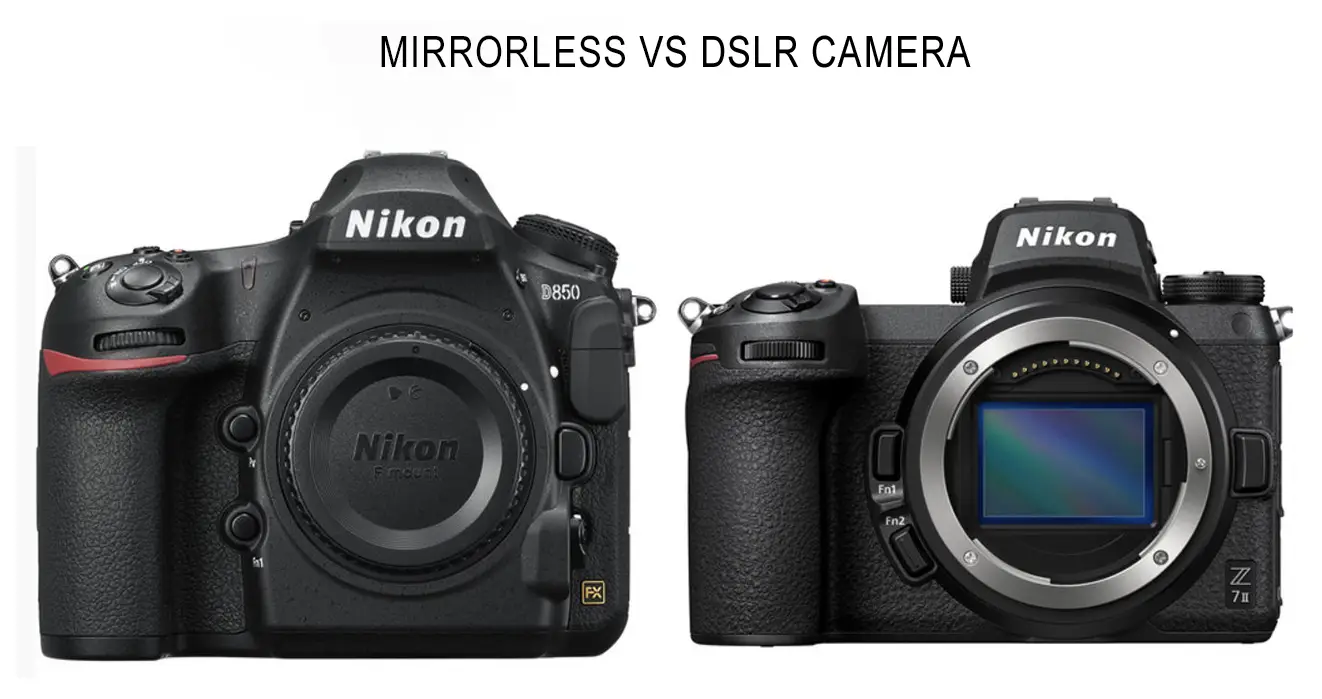
Design is the most obvious difference. DSLRs are usually larger due to the mirror box and optical path. Mirrorless bodies tend to be smaller and lighter because they omit that mechanism.
Size affects handling and balance. Larger DSLRs can sit better with heavy lenses. Mirrorless rigs are easy to pack and less tiring on long walks. If you ask what is the difference between a DSLR and a mirrorless camera for travel, size often leads buyers to mirrorless.
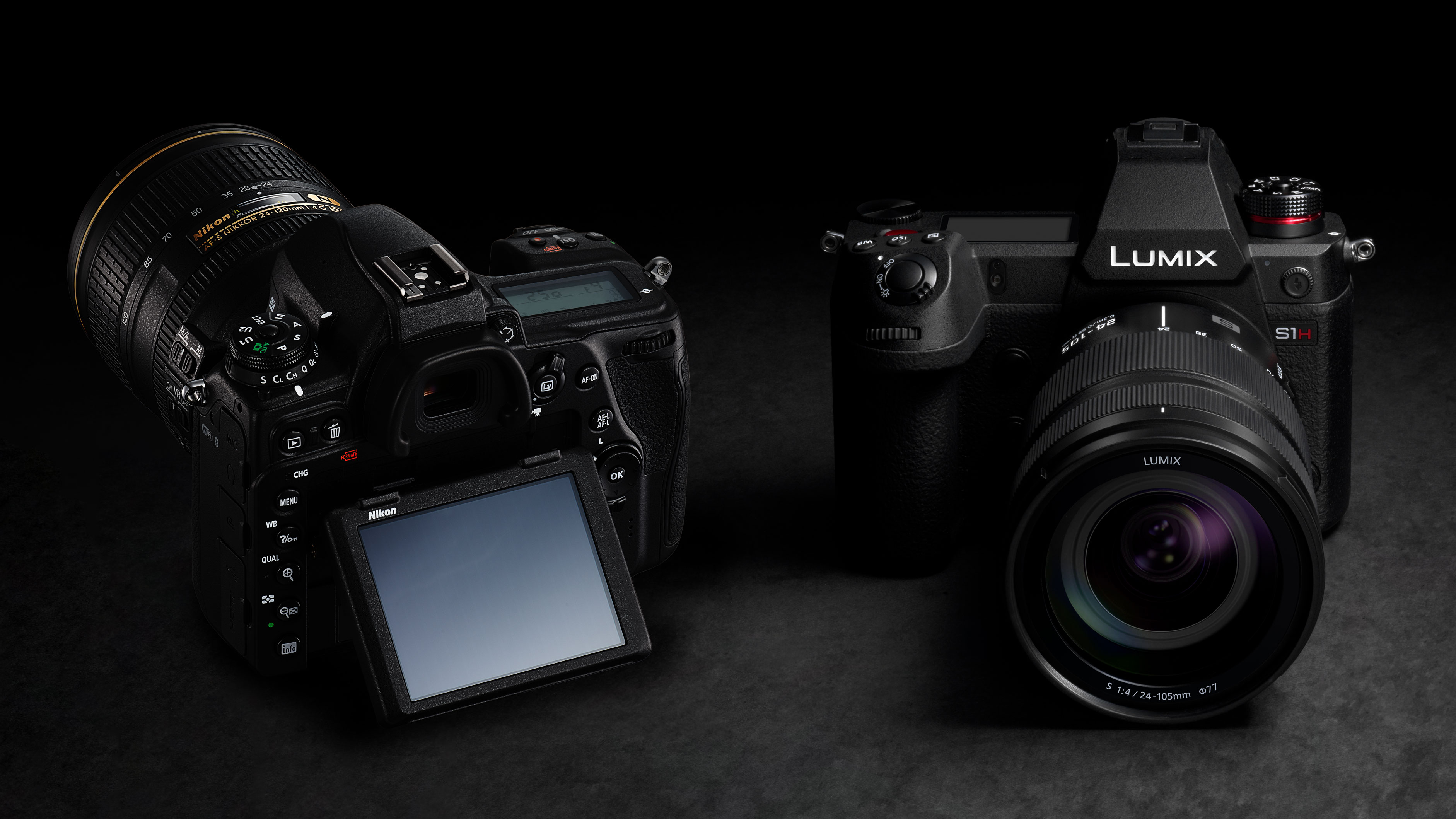
Image quality and sensors
Both systems can use the same sensor sizes: full-frame, APS-C, and Micro Four Thirds. Image quality comes from sensor size, processing, and lenses more than the mirror itself. In many cases, mirrorless and DSLR models from the same era deliver near-identical image quality.
Sensor tech advances first appear in mirrorless models more often. That said, a high-quality DSLR with a great lens still makes excellent images. When comparing what is the difference between a DSLR and a mirrorless camera for image quality, sensor and lens choice matter most.

Autofocus and performance
Mirrorless cameras generally offer faster and more flexible autofocus in live view because AF points cover more of the frame. Eye-detection and face tracking are stronger on many mirrorless models. DSLRs still perform very well for fast action with phase-detect AF built into the viewfinder system.
In low light, DSLRs can have an edge with certain AF sensors, though mirrorless models are closing the gap. From my shoots, mirrorless eye-AF saved many portrait sessions by keeping focus locked on moving subjects. Consider what is the difference between a DSLR and a mirrorless camera for autofocus if you shoot sports or weddings.
Lenses and ecosystem
DSLRs benefit from decades of lens designs. You can find a huge range of older and current lenses for many DSLR mounts. Mirrorless systems are newer but growing fast, and adapters let you use DSLR lenses on mirrorless bodies with good results.
Adapters add weight and can change handling, but they extend lens options. If you already own DSLR glass, mirrorless with an adapter can be a good upgrade path. Ask what is the difference between a DSLR and a mirrorless camera in ecosystems if lens access matters to you.

Battery life, heat, and handling
DSLRs typically have longer battery life because the optical viewfinder uses no power. Mirrorless cameras use the sensor and electronic viewfinder, which drains battery faster. You will likely carry a spare battery for long shoots with mirrorless.
Mirrorless bodies can run warmer during heavy video use due to continuous sensor activity. DSLRs run cooler but may offer fewer live features. Think about what is the difference between a DSLR and a mirrorless camera in daily use: battery and heat matter for long sessions.
Video capabilities
Mirrorless systems generally lead in video features. Continuous autofocus, frame rates, and in-body stabilization are common. The live feed from the sensor allows real-time exposure and focus aids for video.
DSLRs can still shoot excellent video, and many pro shooters used DSLRs for years. If video is a priority, the question what is the difference between a DSLR and a mirrorless camera often favors mirrorless for modern workflows.
Practical buying guide: Which should you choose?
Start by listing your main uses. Travel and street: consider mirrorless for compact size. Sports and action: both can work, but compare AF specs. Portrait and studio: either works; lens choice matters more.
From my experience, I switched to mirrorless for the lighter build and better live autofocus. I kept a DSLR for a year for backup and for some legacy lenses. The key is matching gear to work needs, not trends. Ask yourself what is the difference between a DSLR and a mirrorless camera in terms of your shooting style when choosing.
Common user questions (PAA-style)
Q: Will switching to mirrorless require new lenses?
A: Often yes for native mount compatibility, but adapters let many DSLR lenses work well on mirrorless bodies.
Q: Do mirrorless cameras break more easily than DSLRs?
A: Not necessarily. Mirrorless removes moving mirror parts, which can reduce mechanical failures, though electronics and seals matter for durability.
Q: Is one better for beginners?
A: Mirrorless can be easier for beginners due to live exposure previews and helpful autofocus. DSLRs remain simple and reliable for learning basics.
Frequently Asked Questions of What is the difference between a DSLR and a mirrorless camera
How does a DSLR differ from a mirrorless camera in simple terms?
A DSLR uses a mirror and optical viewfinder; a mirrorless camera sends light directly to the sensor and an electronic viewfinder. That creates differences in size, viewfinder type, and some performance traits.
Which system has better battery life?
DSLRs generally have better battery life because the optical viewfinder uses no power. Mirrorless cameras need more power for the sensor and electronic viewfinder, so spares are common.
Can I use DSLR lenses on a mirrorless camera?
Yes, with a lens adapter you can use most DSLR lenses on mirrorless bodies. Adapters may affect autofocus speed and add size.
Are mirrorless cameras better for video than DSLRs?
Mirrorless cameras usually offer more modern video tools like continuous AF, higher frame rates, and in-body stabilization. Many videographers prefer mirrorless for those features.
Will image quality differ between DSLR and mirrorless?
Not inherently. Image quality depends on sensor size, resolution, processing, and lenses more than the mirror. Both systems can produce excellent photos.
Conclusion
DSLRs and mirrorless cameras both make great images. DSLRs offer familiar optics, long battery life, and a huge lens library. Mirrorless cameras bring compact bodies, modern autofocus, and strong video features. Think about your shooting needs, lens access, and whether size or live features matter most.
Takeaway: match the system to your work and try the camera in hand before buying. If you want help picking models for travel, portraits, or video, leave a comment or subscribe for a detailed gear guide.
As an Amazon Associate, I earn from Qualifying Purchases.