
A baby deer is called a fawn, though terms like calf or kid apply to some species.
I write about wildlife and nature with years of field observation and research. If you’ve ever wondered What is a Baby Deer Called, this article will answer that clearly and fully. I’ll explain names, biology, behavior, care tips, and common myths in plain, reliable terms. Read on for clear facts, practical advice, and a few real-life stories from my time working near deer habitats.

Source: aboutdeer.com
Names and definitions: What is a Baby Deer Called?
If you search for What is a Baby Deer Called, the short answer is fawn for most deer species. Different species and regions sometimes use other names, though. Young elk or moose may be called calves. In some informal speech, people might say kid, but that mainly refers to goats. Saying fawn will be correct in nearly all everyday uses.
Source: howstuffworks.com
Species variations and correct terms
What is a Baby Deer Called can change with the species.
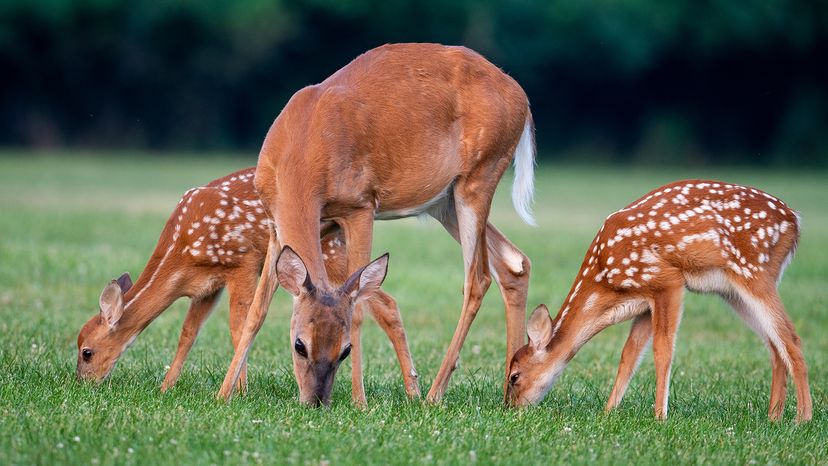
- White-tailed deer offspring are called fawns. They often have white spots as babies.
- Mule deer babies are also called fawns. Their behavior and markings differ slightly.
- Red deer young are often called calves in Europe and elsewhere.
- Elk and moose young are usually called calves, not fawns.
Use the specific species name when you can. “Fawn” works for most small- and medium-sized deer. This keeps your language clear and accurate.
Source: a-z-animals.com
Physical traits and early life
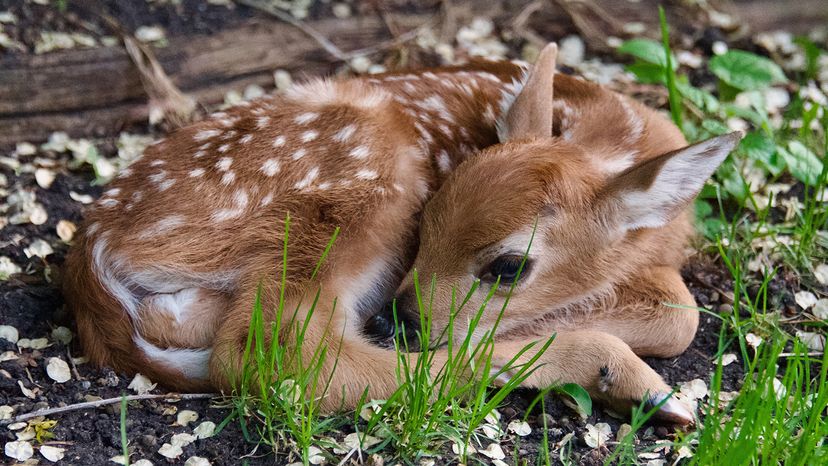
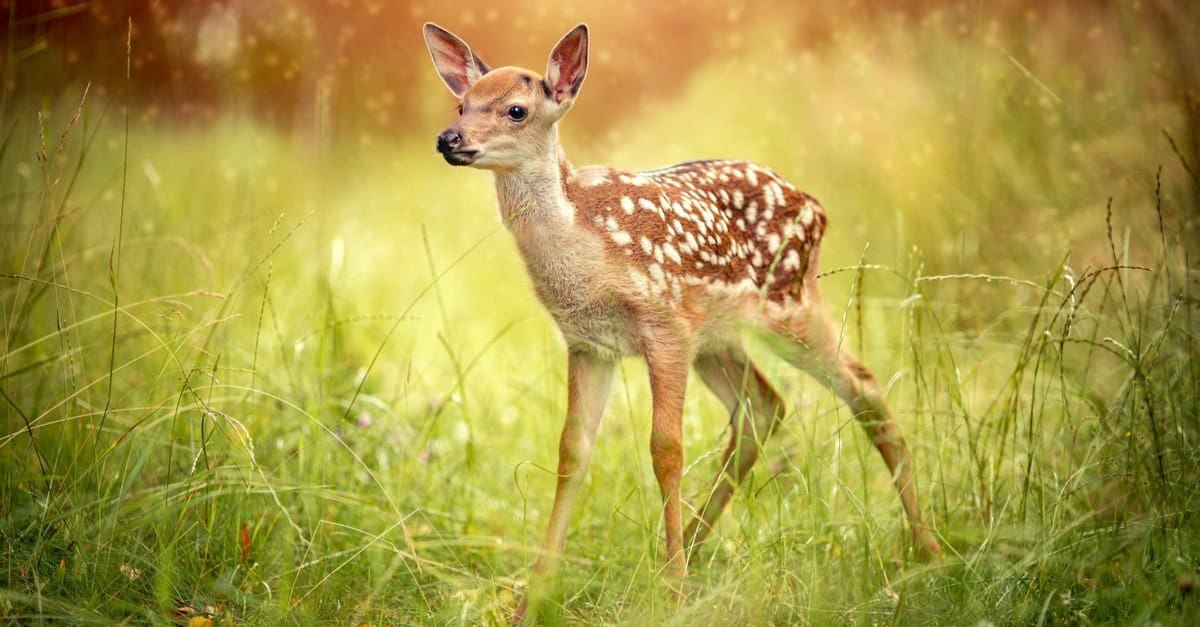
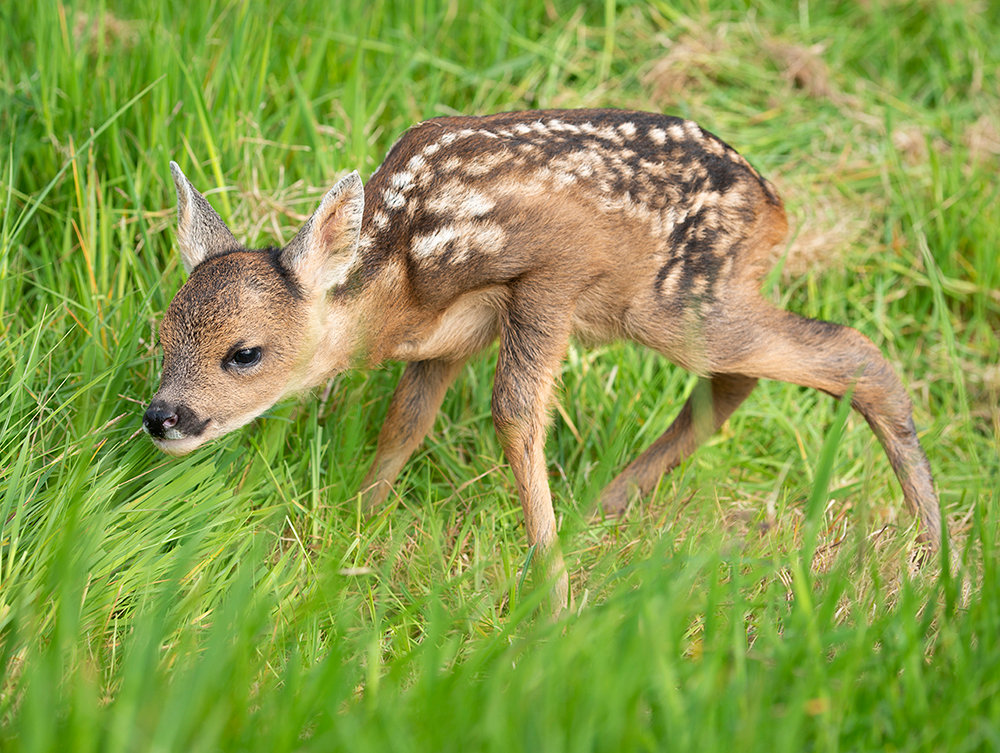
When people ask What is a Baby Deer Called, they often mean, “What does one look like?” Fawns are small and lean at birth. They often have spots that help them hide. They can stand within an hour. They nurse from their mother for weeks. As they grow, spots fade and legs get longer. These traits help them survive in the wild.
Source: howstuffworks.com
Development milestones and timeline
If you want a timeline for What is a Baby Deer Called, here are common stages.
- Birth: Fawns are born after a gestation of about 6 to 7 months, depending on species.
- First week: They hide and nurse. Mothers visit to feed them.
- 2 to 4 weeks: They begin to follow the mother more often.
- 3 to 4 months: Many fawns start to eat plants more and rely less on milk.
- 1 year: They are often called yearlings and may look nearly adult.
These stages vary by species and environment. I’ve seen white-tailed fawns stay close to does for several months in suburban woodlots.
Source: aboutdeer.com
Behavior and survival strategies
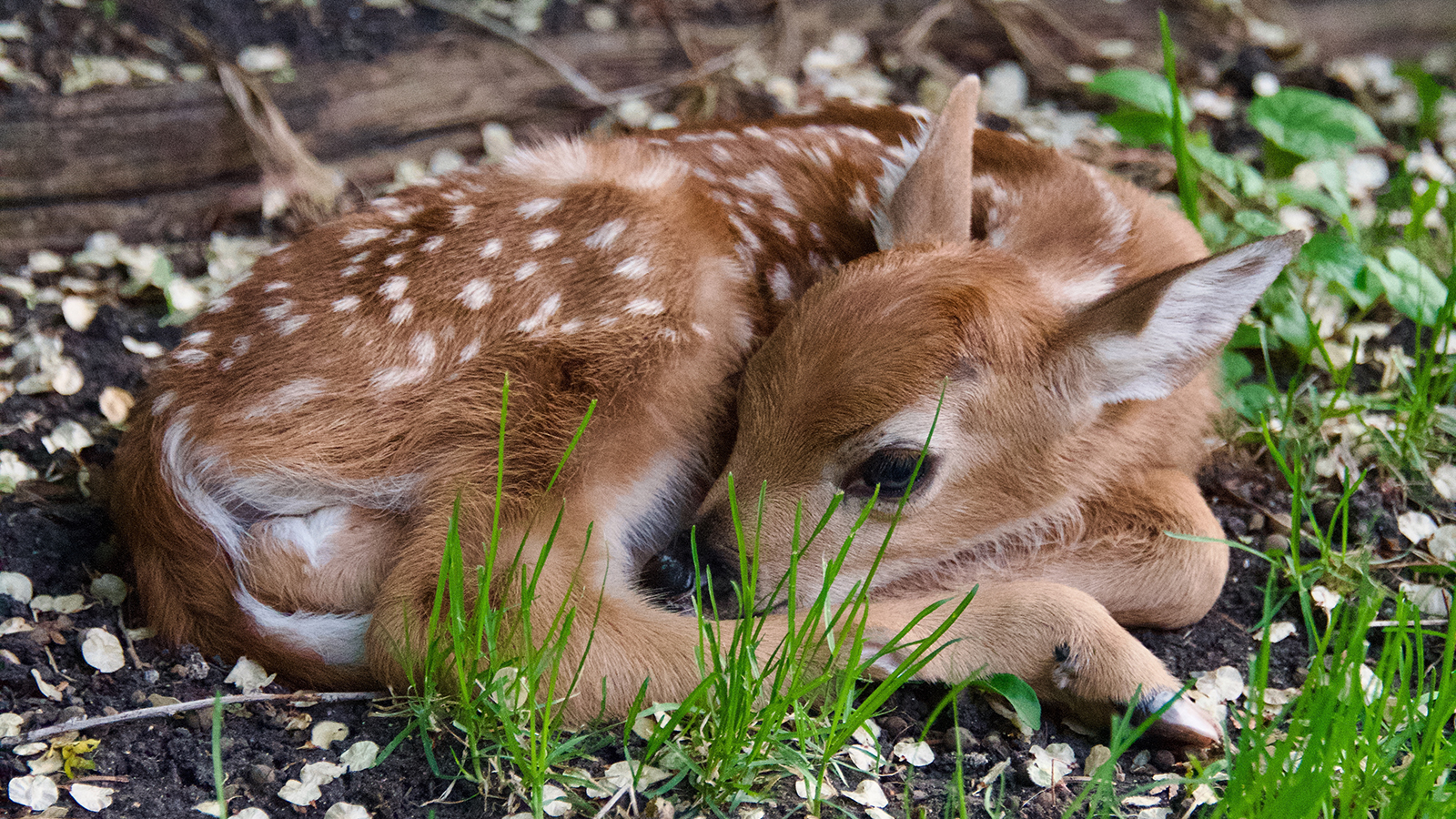
Understanding What is a Baby Deer Called also means knowing how fawns behave. Newborn fawns lie very still to avoid predators. Their spotted coat acts like dappled sunlight on the forest floor. The mother returns to nurse a few times a day. This low-contact strategy reduces scent and risk. Predators include coyotes, bobcats, and birds of prey for the very young. Human activity and cars are also major threats near roads.
Source: howstuffworks.com
When to intervene: caring for orphaned fawns
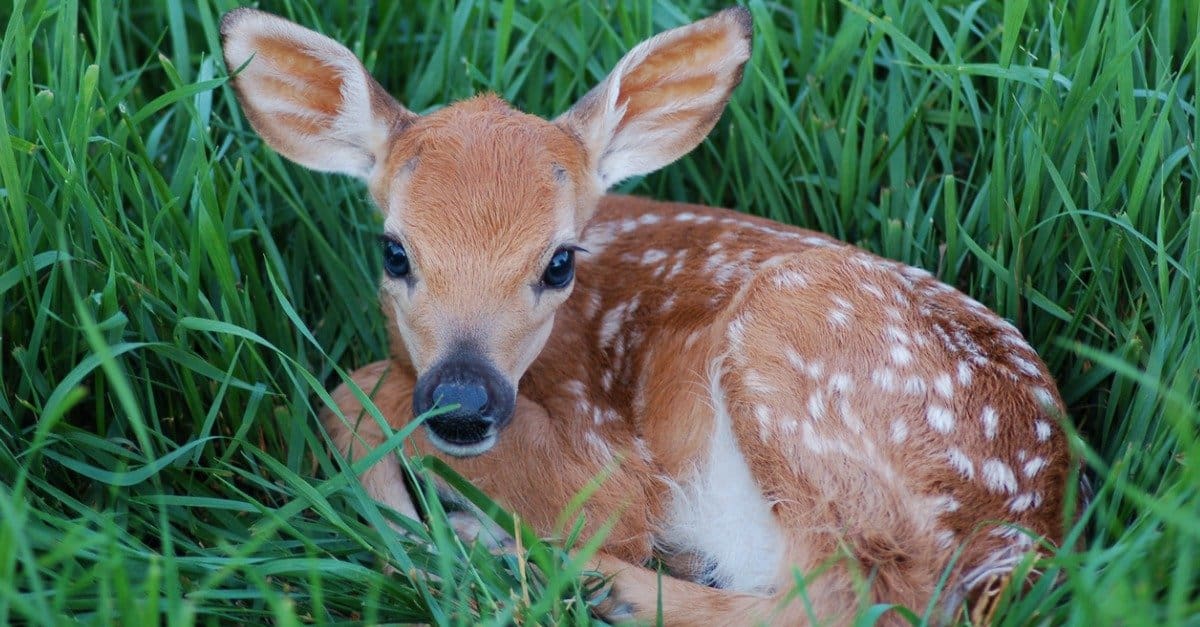
Many people ask What is a Baby Deer Called and then want to help a lone fawn. Mostly, do not intervene right away. If a fawn looks healthy and the mother is likely nearby, leave it alone. Only intervene if the fawn is injured or the area is dangerous. Contact a licensed wildlife rehabilitator when you are unsure. Attempting to raise a fawn without permits is illegal in many places.
Source: a-z-animals.com
Common myths and cultural notes
People often ask What is a Baby Deer Called and expect magic or drama. Here are common myths and truths.
- Myth: Fawns are abandoned if left alone. Truth: Does often leave fawns hidden while they feed.
- Myth: I can keep a fawn as a pet. Truth: Wild deer need special care and permits.
- Myth: Spots mean young deer are weak. Truth: Spots are camouflage. They help fawns hide.
Clearing these myths helps people make better choices around wildlife.

Source: youtube.com
Personal experience and practical tips
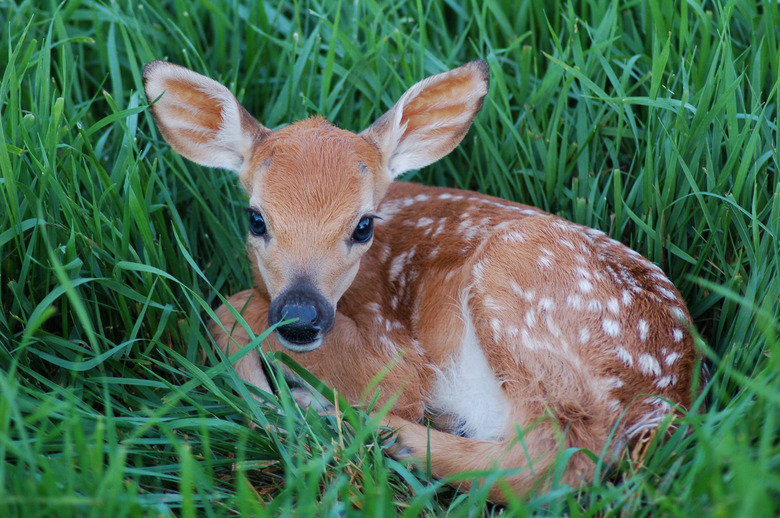
From my field work, I learned simple rules about What is a Baby Deer Called and how to handle encounters. Once, I found a tiny fawn under brush near a trail. It lay very still while I watched from a distance. The mother returned when I left. That day taught me to keep calm and avoid touching wildlife. Tips I share:
- Keep pets leashed near fawns.
- Keep your distance and watch quietly from afar.
- If you must move a fawn out of immediate danger, wear gloves and limit contact, then call a rehabilitator.
These steps protect both the fawn and you.
Source: sciencing.com
Conservation and human impact
When people wonder What is a Baby Deer Called, they should also consider habitat. Loss of habitat affects fawn survival. Roads and development fragment safe areas. Simple actions help. Slow down in deer zones. Keep yards wildlife-friendly with native plants. Support local habitat conservation efforts. Small actions improve survival for many fawns each year.
Frequently Asked Questions of What is a Baby Deer Called
What is a baby deer called at birth?
A baby deer is commonly called a fawn at birth. Some larger species like moose or elk use the term calf instead.
Why do fawns have spots?
Fawns have spots to help them blend with dappled light. The pattern makes them hard to see by predators.
Can I touch a fawn if I find one alone?
Avoid touching a fawn unless it is clearly injured or in immediate danger. Most often the mother is nearby and will return.
How long do fawns stay with their mother?
Fawns typically nurse for a few months and may stay with their mother up to a year. Timing varies by species and region.
Are fawns noisy or easy to find?
Fawns are quiet and often still. Their main defense is hiding, so they can be hard to find even in open areas.
Conclusion
You now know what a baby deer is called and why the name matters. Fawn is the right word in most cases, with calf used for larger deer relatives. Keep the simple care rules in mind: observe, don’t touch, and call a rehabilitator if a fawn is injured. Protecting habitat and driving carefully in deer areas are practical ways to help fawns survive. If you enjoyed this guide, leave a comment, share a story, or subscribe to get more wildlife tips and local conservation updates.
As an Amazon Associate, I earn from Qualifying Purchases.