
Secure mounts, locks, visibility, tracking, and insurance stop most camera thefts in practice.
I’ve spent years installing and protecting cameras for homes and small businesses. I’ll walk you through proven steps on How to protect cameras from being stolen, from simple physical fixes to tech and legal safeguards. Read on for clear, practical advice you can use right away to cut theft risk and keep your gear safe.

Why camera theft happens and what thieves look for
Cameras are targeted because they are small, valuable, and often easy to grab. Thieves look for weak mounts, hidden placement that still allows access, low visibility, and cameras with no tracking or serial records.
Understanding these motives helps you design defenses. When you know what a thief looks for, you can make choices that remove opportunity and increase the chance of recovery. How to protect cameras from being stolen starts with treating placement and mount strength as your first line of defense.

Preventive physical measures: mounts, locks, and placement
Use strong mounts and hardware. Replace plastic mounts with metal or tamper‑resistant versions. Secure outdoor cameras with anchor bolts or security mounting plates.
Use tamper-proof screws and locking mounts. Choose screws that need special bits. Pair screws with locking mounts or camera cages to slow thieves down.
Anchor and tether portable cameras. Use small security cables or locks designed for camera bodies and tripods. Tethering cameras to fixed points reduces quick snatch theft.
Pick placement that balances view and safety. Mount cameras higher, under eaves, or inside protective housings. Avoid placing expensive gear within easy arm’s reach. How to protect cameras from being stolen often comes down to smart placement and hardware upgrades.
Personal note: early in my work I trusted supplied mounts and later had a camera stolen from a low roof line. I now always double‑check mounts and add a cable lock. Lesson learned: never assume the factory mount is enough.

Security tech and monitoring: alarms, tracking, and alerts
Use cameras with tamper alerts. Many modern cameras send notifications if they’re moved or covered. Enable motion tamper alerts and set instant push notifications to your phone.
Add GPS or Bluetooth trackers to expensive gear. Tiny trackers in camera bags or bodies can help locate stolen items quickly. Trackers paired with recovery apps increase the chance of retrieval.
Integrate alarms and lights. Connect cameras to alarm systems or smart lights that trigger when movement is detected near hardware. Sudden light and sound will deter most thieves before they take a camera. How to protect cameras from being stolen is often solved by layers of tech that make theft noisy and risky.
People also ask:
How quickly can a thief steal a mounted camera?
Most quick snatch thefts take less than a minute if the mount is weak and the camera is in reach. Strong mounts, cages, and tamper alerts add time and risk, which deters most offenders.
Are GPS trackers reliable for cameras?
GPS works well for recovery but needs power and signal. Bluetooth trackers help nearby recovery and are useful inside bags or cases.
Can a thief disable cloud video?
A savvy thief might cut power or internet to stop uploads. Use battery backups, local SD recording, and offsite cloud backups to protect footage.

Visible deterrents and behavior to discourage theft
Make theft look hard and risky. Place visible signs that say the area is under surveillance and recorded. Use obvious cameras and lights near entrances and entrances that you want to protect.
Add fake or dummy cameras only with caution. They can deter casual thieves but teach skilled thieves where real gear might be. If you use dummies, combine them with real cameras and signage to avoid false security.
Improve lighting and sightlines. Well-lit places and clear sightlines reduce hiding spots. Motion lights paired with cameras both gather better footage and repel thieves. How to protect cameras from being stolen includes making your property feel monitored and high‑risk to intruders.

Insurance, documentation, and recovery steps
Register serial numbers and take photos. Keep a record of make, model, and serial numbers in cloud notes or a safe file. This speeds police reports and insurance claims.
Get the right insurance coverage. Check homeowner, renter, or business policies to confirm cameras are covered. Consider rider policies for expensive or many cameras.
Report theft quickly and share details. File a police report and include serial numbers and recent footage. Share recovered images with local pawn shops and resale platforms. How to protect cameras from being stolen also means planning how you will recover them if theft happens.
Best practices for different camera types
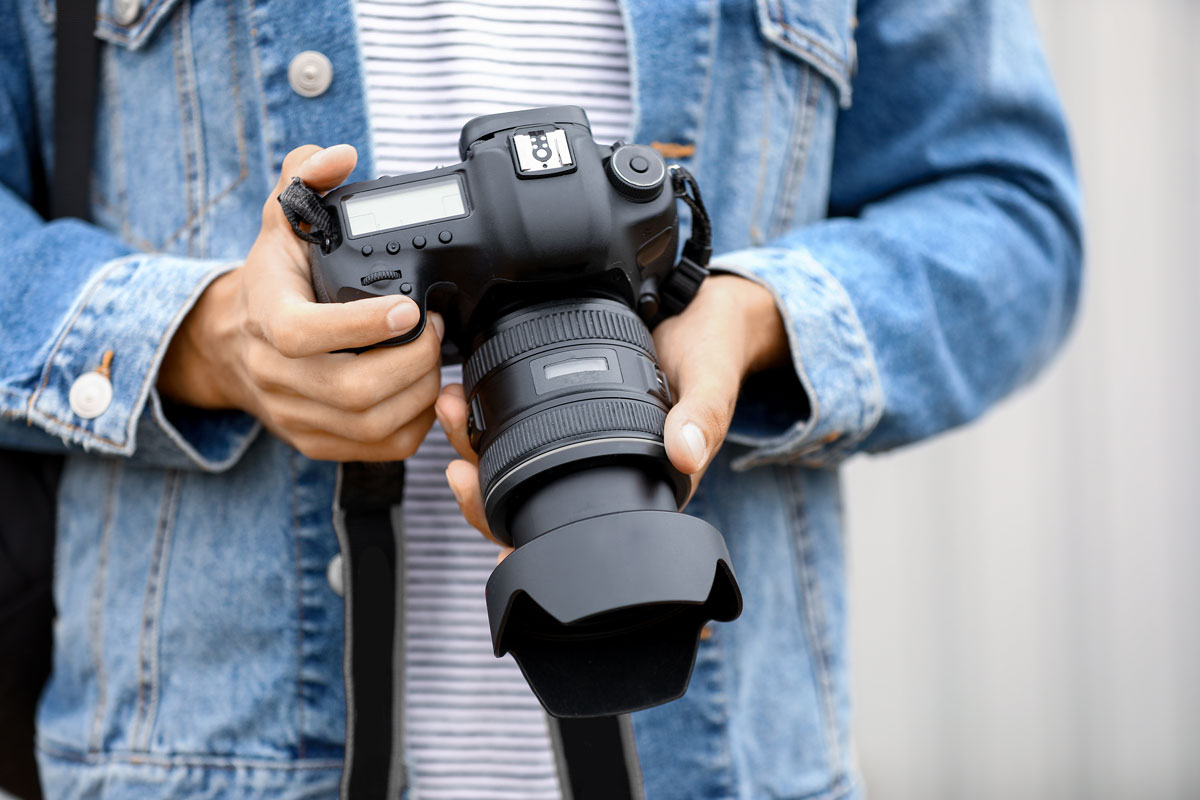
DSLR and mirrorless cameras
- Store bodies and lenses in locked cabinets or safes when not in use.
- Use cable locks on display rigs and mark bodies with engraving for ID.
- Keep insurance and serial records up to date.
Security and CCTV cameras
- Use vandal‑resistant housings, metal mounts, and tamper alarms.
- Power through protected conduits and provide backup battery power.
- Combine with local recording and offsite cloud backup.
Action cameras and trail cams
- Use lock boxes or camo lockboxes for trail cams.
- Remove batteries and SD cards when not in use to prevent data theft.
- Use lockable mounts or alarms for action cameras left on bikes or helmets.
Webcams and indoor cameras
- Place inside out of easy reach and use physical shutter covers when not in use.
- Keep firmware updated and use strong, unique passwords on camera accounts.
How to protect cameras from being stolen requires choosing tactics that match the camera’s use and risk profile. I once left a trail camera unsecured and lost valuable footage; now I always use lock boxes and disable wireless access when I leave gear in the field.

Maintenance and operational tips to reduce risk
Keep firmware and apps updated. Updates often fix security flaws that thieves can exploit. Use two‑factor authentication and strong passwords on camera accounts.
Rotate camera positions and check hardware often. A camera left unchanged in one spot is easier for thieves to study. Inspect mounts, cables, and housings monthly.
Train household or staff. Teach people to lock cases, not leave gear in cars, and to report suspicious activity immediately. Small habits make a big difference in how to protect cameras from being stolen.
Frequently Asked Questions of How to protect cameras from being stolen
How can I make my outdoor camera theft‑resistant?
Use vandal‑resistant housings, secure metal mounts, tamper alerts, and a backup power source. Combine these with clear signage and good lighting to deter theft.
Is engraving my camera worth it?
Yes. Engraving a unique ID and registering it improves recovery chances and deters resale. It also helps police identify stolen gear.
Can I prevent theft when shooting on location?
Use cable locks, keep gear in locked cases, and never leave it unattended. Assign a bag to a team member and use a security checklist during shoots.
Should I use dummy cameras to deter thieves?
Dummy cameras may deter casual thieves but offer false security alone. Use them with real cameras, signage, and active alarms for best results.
What should I do immediately after a camera is stolen?
File a police report, provide serial numbers and photos, and alert resale platforms and local pawn shops. Share any footage that captured the theft to aid identification.
Can insurance cover stolen cameras quickly?
Coverage varies. Submit a police report, proof of ownership, and photos or receipts to speed claims. Check your policy terms ahead of time to avoid surprises.
Conclusion
Protecting your cameras is a mix of smart hardware, simple habits, and good tech. Use strong mounts, tamper‑resistant fittings, visible deterrents, trackers, and clear records to reduce theft risk and improve recovery chances. Start by inventorying your gear, upgrading weak mounts, and turning on tamper alerts today. If you found this guide helpful, try one new step this week, share your results, or leave a comment with questions — I’ll respond with practical tips.
As an Amazon Associate, I earn from Qualifying Purchases.