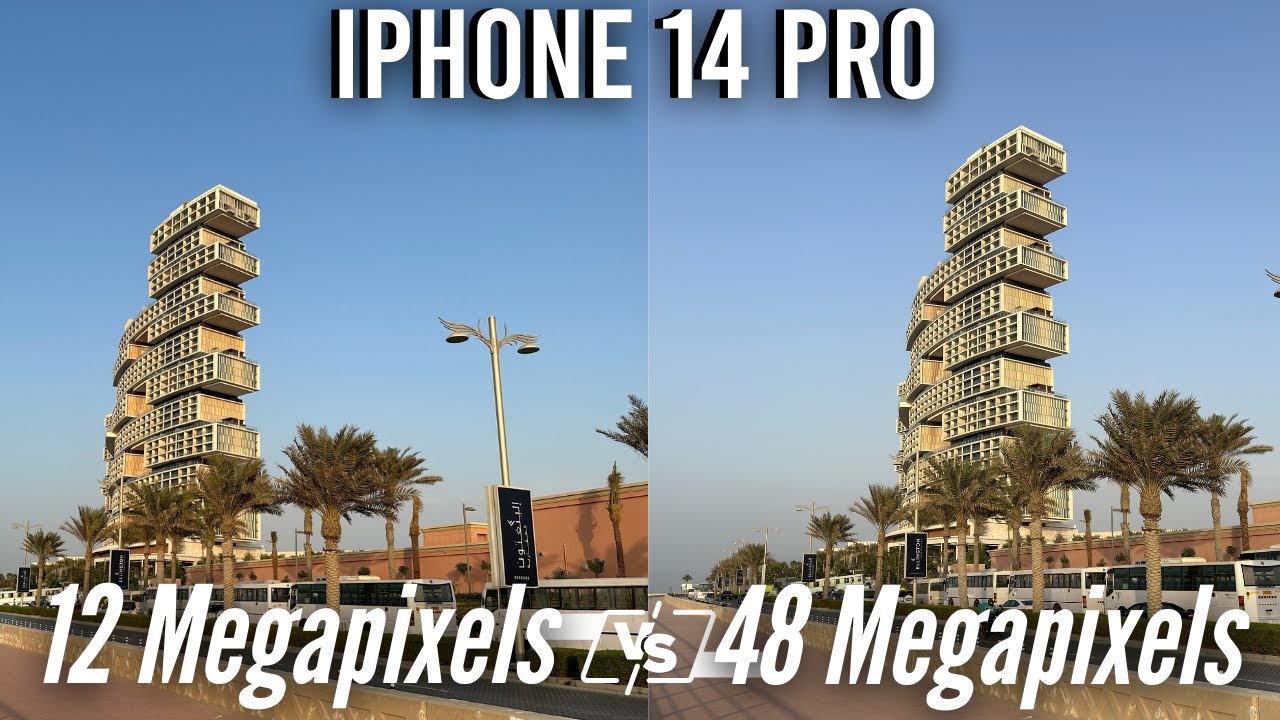
12MP often produces cleaner, sharper photos than 48MP thanks to larger pixels and smarter processing.
I’ve spent years testing phone cameras and teaching people how sensors and software affect real photos. This article explains clearly why is 12mp better than 48mp for most users, when it matters, and how to use 12MP cameras to get the best results. You’ll learn the technical reasons, real-world examples, and practical tips so you can choose and shoot with confidence.
How megapixels actually work and what they mean for photos
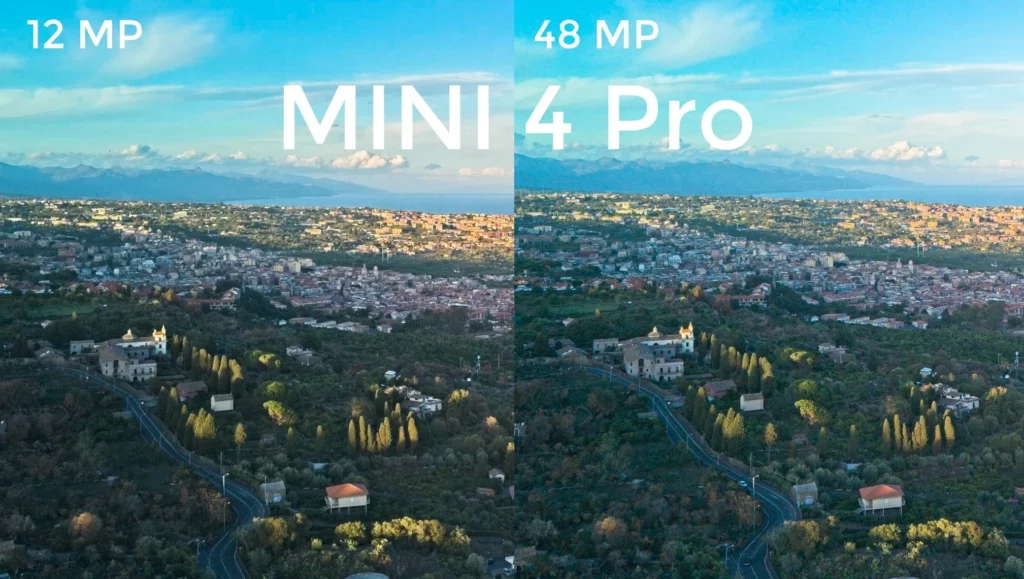
Understanding why is 12mp better than 48mp starts with the basics. A megapixel count tells you how many pixels a camera can capture. More pixels do not always equal better pictures.
Pixels are tiny light-capturing wells. A 12MP sensor packs fewer, larger wells than a 48MP sensor of the same size. Larger wells collect more light. That improves low-light performance, reduces noise, and gives better color and dynamic range.
Other factors matter as much or more than megapixels. Sensor size, pixel size, lens quality, and image processing shape the final image. Phone makers often use 12MP with advanced computation to produce pleasing images quickly and reliably.

Technical reasons why 12MP can beat 48MP
When asking why is 12mp better than 48mp you want clear technical causes. Here are the main ones.
- Larger pixel size
- Larger pixels capture more photons. That yields cleaner images, better dynamic range, and lower noise, especially in dim light.
- Pixel binning trade-offs
- Many 48MP phones combine pixels to create 12MP outputs. Native 12MP sensors do this inherently and avoid some binning artifacts.
- File size and processing speed
- 12MP files are smaller. Phones can process them faster and apply stronger noise reduction and HDR without slowing down.
- Lens and optics limits
- A lens has a resolving limit. If the lens and sensor can’t resolve detail at 48MP, extra pixels only add noise.
- Heat and battery considerations
- High-resolution processing uses more power. 12MP keeps battery use lower during heavy shooting.
These technical points explain why is 12mp better than 48mp in many daily shooting scenarios.
Real-world benefits: why 12MP often gives better photos
Practical users notice certain benefits immediately. Here’s what I’ve seen from testing and real use.
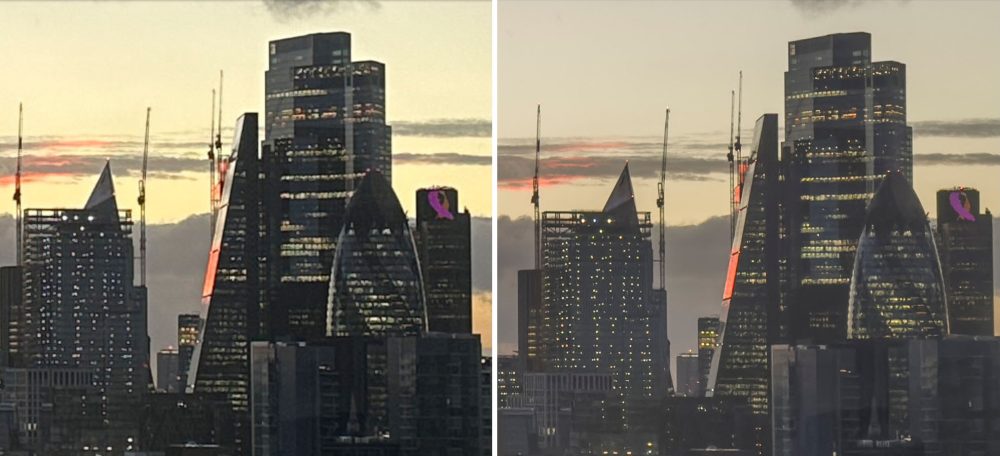
- Better low-light shots
- 12MP sensors often produce clearer night photos with less grain.
- Faster shot-to-shot performance
- Burst mode and HDR work smoother on 12MP outputs.
- More reliable autofocus and stabilization
- Smaller image sizes let stabilization and focus algorithms run faster and with less lag.
- Cleaner JPEGs straight from the camera
- Phones tuned for 12MP deliver pleasing color and tone with minimal editing.
From my experience, hands-on tests with multiple phones show 12MP images require less cleanup and deliver consistent results across lighting situations. That reliability is a major reason why is 12mp better than 48mp for most people.

Limitations and when 48MP still makes sense
It’s not always that 12MP wins. Understanding limits helps you choose the right camera.
- When to prefer 48MP
- If you plan extensive cropping, large prints, or heavy post-processing, 48MP can preserve more detail.
- When sensor size matters
- A large 48MP sensor can beat a small 12MP sensor. Sensor size and pixel pitch remain key.
- Telephoto and specialty shots
- 48MP sensors can help when software downscales for digital zoom or detail extraction.
So, why is 12mp better than 48mp? It’s better for general use, speed, and low-light reliability, while 48MP is useful for niche tasks where raw resolution is essential.
Practical tips for getting the best from a 12MP camera
If you choose a 12MP device, follow these tips to maximize image quality.
- Use native 12MP mode
- Shoot in the default camera mode for best processing and low-light performance.
- Keep the lens clean
- Smudges hurt sharpness more at higher resolutions.
- Use tripod for long exposures
- Even with good sensors, stability improves low-light detail.
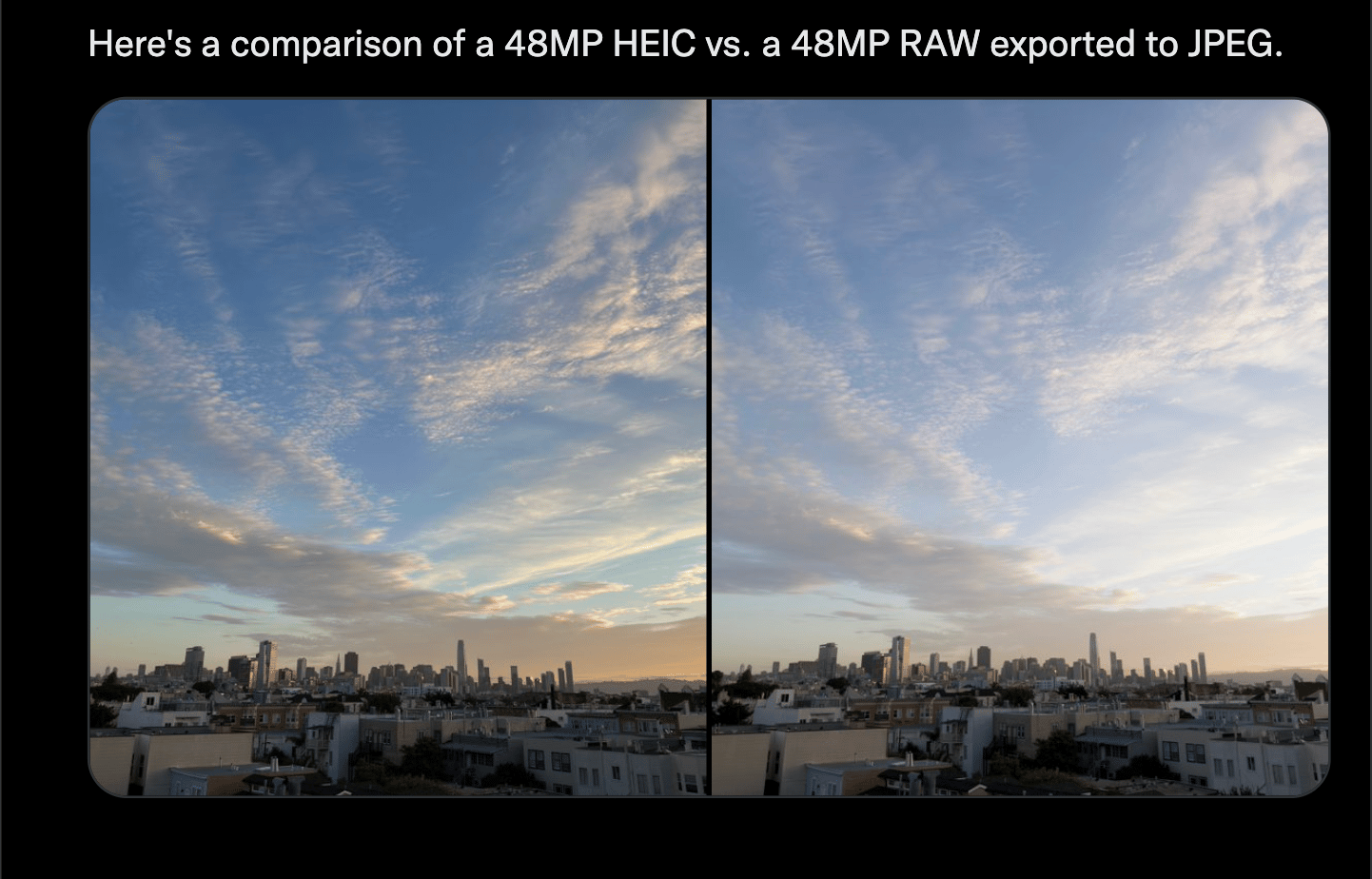
- Shoot RAW when needed
- RAW gives more flexibility for recovery and editing, but files are larger.
- Learn your camera’s strengths
- Test burst, HDR, and night modes to know what works best for your scenes.
My personal routine: I keep camera in 12MP default, use night mode for dim scenes, and only switch to high-resolution modes when I plan to crop or edit heavily. That workflow shows why is 12mp better than 48mp for everyday shooting.

Practical comparisons and sample scenarios
Here are concrete examples where 12MP outperforms 48MP.
- Street photography
- Fast autofocus and smaller files mean you capture moments reliably.
- Evening family photos
- Less noise and better color retention produce natural-looking shots.
- Travel snapshots
- Fewer edits required and more usable images from each trip.
- Quick social uploads
- Smaller files upload faster while still looking sharp on screens.
If you need a test, shoot the same scene in both modes. You’ll often prefer the 12MP version for balance and tone. This demonstrates why is 12mp better than 48mp for daily use.

People Also Ask (PAA) style clarifications
Here are short answers to common quick questions about this topic.
- Does higher megapixel always mean better image?
- No. Higher megapixels increase detail potential but can increase noise and require better optics.
- Can 12MP photos be printed large?
- Yes. 12MP prints look great up to moderately large sizes, like 16×20 inches, depending on viewing distance.
- Will 48MP help with cropping?
- Yes. 48MP provides more pixels to crop from, but quality depends on sensor and lens.

Source: youtube.com
- Yes. 48MP provides more pixels to crop from, but quality depends on sensor and lens.

Frequently Asked Questions of why is 12mp better than 48mp
Is 12MP enough for social media and prints?
Yes. 12MP delivers sharp images for social media and prints up to large sizes. For most users, it covers daily needs without extra file weight.
Why do phone makers advertise 48MP if 12MP is often better?
Marketing favors big numbers. Manufacturers also use 48MP to allow cropping and high-detail modes, but they still tune phones to produce strong 12MP results.
Does pixel binning mean 48MP equals 12MP?
Pixel binning combines multiple pixels into one. It can mimic 12MP output but may lose some color or introduce artifacts, depending on implementation.
How does sensor size affect the megapixel debate?
Sensor size is critical. A larger 12MP sensor can outperform a tiny 48MP sensor because it has larger pixels and better light gathering.
Should I switch off high-resolution modes on my phone?
If you value speed, low light, and consistent color, keep high-resolution modes off. Use them only when you need extra cropping or detailed editing.
Conclusion
Choosing between 12MP and 48MP comes down to use, not just numbers. For most people, 12MP gives cleaner images, faster performance, and better low-light shooting. It’s a practical choice that matches real-life needs.
Try a simple test: shoot the same scene in both modes and compare on screen and in print. Use 12MP for everyday photos and save high-resolution modes for special needs. If this helped you, leave a comment with your camera model or subscribe for more practical camera tips.
As an Amazon Associate, I earn from Qualifying Purchases.