Deer hunting season is an exciting time for many outdoor enthusiasts. It offers a chance to connect with nature and participate in a traditional sport.
Knowing when deer hunting season begins is crucial for hunters. Each state has its own specific dates and regulations. This information helps hunters plan their trips, gather necessary gear, and ensure they follow local laws. Moreover, understanding the season can enhance the experience, making it more enjoyable and successful.
Whether you are a seasoned hunter or a beginner, being aware of the hunting calendar is essential. In this guide, we will explore the deer hunting season dates across various regions, so you can prepare for a rewarding adventure in the great outdoors.
Introduction to When is Deer Hunting Season
Understanding deer hunting seasons is essential for every hunter. Each season brings unique opportunities and challenges. Knowing when to head into the woods can make or break your hunting experience.
The Importance Of Seasonal Timing
Timing is crucial when it comes to deer hunting. The best seasons align with deer behavior, such as mating and feeding patterns. If you hunt during peak activity times, your chances of success greatly increase.
Consider this: I once ventured out during the rut, and the woods were alive with movement. Bucks were chasing does, and the excitement was palpable. This experience taught me the significance of being in the right place at the right time.
Variations Across Regions
Deer hunting seasons vary widely depending on your location. Different states have distinct regulations and timelines. For example, northern states often have earlier seasons compared to southern states due to climate differences.
- North Region: Typically starts in late September and runs through December.
- South Region: Generally begins in early October and can extend into January.
Before you plan your hunting trip, check local regulations. Knowing the specific dates can save you time and effort. What region do you hunt in, and how do the local laws influence your strategy?
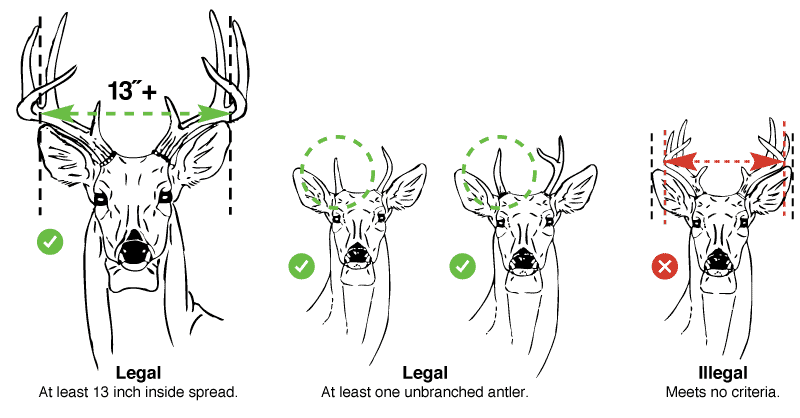
Credit: tpwd.texas.gov
Key Factors Influencing Season Dates
Several factors determine deer hunting season dates. Weather patterns, breeding cycles, and regional regulations all play a crucial role. Understanding these elements can help hunters plan their outings effectively.
Understanding when deer hunting season occurs can be complex. Several key factors influence the dates set by wildlife agencies. These factors ensure that hunting practices align with wildlife management and ecological health.
Wildlife Management Objectives
State wildlife agencies have specific management goals that shape hunting seasons. They aim to maintain a balanced deer population. Too many deer can lead to overgrazing and habitat destruction.
Take my own experience in Texas. I noticed fewer deer sightings one year. The state adjusted hunting dates based on population studies. This change helped restore balance in the ecosystem.
You might wonder how these objectives affect your hunting plans. Understanding the reasoning behind season dates can enhance your hunting experience. It allows you to appreciate the role you play in wildlife management.
Ecological Considerations
Ecological factors also dictate hunting seasons. Breeding cycles are crucial in determining when hunting is allowed. Hunting during specific times can minimize stress on deer populations.
Weather patterns impact deer behavior and habitat as well. If you’ve ever hunted in unusually warm weather, you know how it affects deer movement. They may seek shelter, making them harder to find.
Consider how these ecological factors relate to your hunting strategy. Are you planning to hunt during peak breeding times? Adjusting your schedule might lead to a more successful outing.
Stay informed about the key factors that influence deer hunting season. It not only improves your chances but also contributes to sustainable wildlife management.
United States Deer Seasons By Region
Deer hunting season varies across regions in the United States. Each state sets specific dates for archery, firearms, and muzzleloader seasons. Understanding these timelines is essential for hunters to plan their trips effectively. Check local regulations for exact dates and details.
Understanding deer hunting seasons across different regions in the United States is crucial for every hunter. The timing varies significantly based on local regulations and deer behavior. Knowing when and where to hunt can enhance your experience and increase your chances of a successful harvest. Let’s break down the deer seasons by region to help you plan your next hunting adventure.
Northeastern States
In the Northeastern States, deer hunting season typically begins in late September and can extend into December. States like Pennsylvania and New York have specific dates that vary by zone.
– Archery Season: Starts around late September.
– Firearm Season: Usually kicks off in late November.
Hunters in this region often deal with varying terrain, from dense forests to open fields. Have you ever experienced the thrill of a deer sighting amid the autumn foliage?
Midwestern States
The Midwestern States, known for their robust deer populations, host a prime hunting season from October to January. States like Wisconsin and Michigan see a surge in hunters during this time.
– Archery Season: Begins in mid-September.
– Firearm Season: Often starts in late November.
The Midwestern landscape offers a mix of farmland and woodlands. Many hunters swear by the excitement of tracking deer in these diverse habitats. What strategies do you use to adapt to changing weather conditions during your hunt?
Southern States
In Southern States, deer hunting season generally spans from late September to early January. States such as Texas and Alabama have unique regulations that cater to their specific environments.
– Archery Season: Usually starts in early October.
– Firearm Season: Varies by region but often begins in mid-November.
The warmer climate influences deer behavior, making early morning and late evening the best times to hunt. Have you ever considered how the heat affects deer movement?
Western States
Western States offer a distinct hunting experience, with seasons often running from late August to November. States like Colorado and Montana feature diverse landscapes, from mountains to plains.
– Archery Season: Begins in late August.
– Firearm Season: Starts in mid-October.
The vast wilderness presents unique challenges and opportunities for hunters. Have you found that hunting in these rugged terrains requires different skills compared to flatter regions?
Understanding the deer hunting season in your region can make all the difference. Whether you’re a seasoned hunter or a beginner, knowing the specifics helps you prepare effectively. What’s your next move as you gear up for the upcoming season?
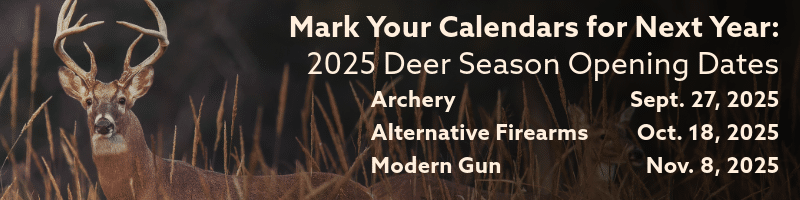
Credit: www.agfc.com
Deer Hunting In Texas: A Case Study
Texas has a rich hunting culture. Many hunters look forward to deer hunting season each year. It brings excitement and tradition. Understanding the season dates is essential for all hunters. This guide focuses on Texas deer hunting.
General Season Dates
The general deer hunting season in Texas varies. For northern counties, it typically starts in early November. Southern counties begin their season a bit earlier. The season usually ends in early January. Each year, hunters should check the Texas Parks and Wildlife website for updates. Conditions can change based on local regulations.
Archery-only Season
The archery-only season provides a unique opportunity. It usually begins in late September and runs until early November. This season allows archers to hunt before the general season starts. It’s ideal for those who prefer using bows. Many hunters enjoy the challenge that archery presents.
Muzzleloader Season
The muzzleloader season occurs after the general season. It typically lasts a few days in early January. This season is for those who use muzzle-loading firearms. Hunters appreciate this added opportunity to bag a deer. Knowing the specific dates helps in planning successful hunts.
Understanding Bag Limits And Restrictions
Understanding bag limits and restrictions is crucial for deer hunting season. Each state has specific rules about how many deer can be harvested. Knowing these limits helps ensure sustainable hunting practices and conservation efforts. Always check local regulations before heading out to hunt.
Understanding bag limits and restrictions is crucial for any deer hunting enthusiast. These regulations ensure sustainable hunting practices and help maintain healthy deer populations. Knowing the rules can enhance your hunting experience and keep you compliant with local laws.
Legal Hunting Hours
Legal hunting hours vary by state and can change depending on the season. Typically, hunting starts half an hour before sunrise and ends half an hour after sunset.
Check your local regulations for specific times. This information is usually posted on wildlife agency websites.
Following these hours not only adheres to the law but also increases your chances of spotting deer when they are most active.
Tagging And Reporting Requirements
Tagging your deer is mandatory in most areas. After a successful hunt, you must properly tag your deer according to state guidelines.
This process often involves filling out a tag with your information and attaching it to the deer immediately.
Reporting your harvest is equally important. Many states require hunters to report their deer within a certain timeframe, often within 24 hours.
Failure to tag or report can lead to hefty fines or loss of hunting privileges. Make sure to keep a record of your hunting activities, including dates and locations, to ensure compliance.
Understanding these rules protects you and contributes to responsible hunting practices. What steps will you take to stay informed this season?
Preparation For Deer Hunting Season
Preparing for deer hunting season is crucial for success. Proper planning helps ensure a safe and enjoyable experience. Start early to gather gear and scout locations.
Understanding local regulations is also important. Each state has specific rules about hunting seasons, licenses, and bag limits. Knowing these details can make your hunt more effective and legal.
Gear Checklist
Having the right gear is essential for deer hunting. Start with these items:
- Firearm or bow
- Ammunition or arrows
- Hunting license
- Camo clothing
- Hunting boots
- Binoculars
- Backpack
- First aid kit
- Water and snacks
Check all gear before heading out. Ensure everything is in good condition. Practice with your firearm or bow for accuracy.
Scouting And Habitat Study
Scouting is key to finding deer. Visit your hunting area several weeks before the season. Look for signs of deer like tracks, droppings, and rubs on trees.
Study the habitat. Deer prefer areas with food and water. Focus on fields, edges of forests, and near water sources. Take notes on trails and feeding areas.
Consider weather patterns as well. Deer move differently in various conditions. Monitor the forecast leading up to your hunt.
Safety And Ethical Considerations
Deer hunting season brings excitement. It also brings responsibility. Safety and ethics are crucial for all hunters. Understanding these aspects ensures a safe and enjoyable experience.
Hunter Education And Certification
Education is key for every hunter. Most states require hunter education courses. These courses teach safety, laws, and ethics. They help hunters understand their responsibilities.
Certification proves knowledge and skill. It shows commitment to safe hunting practices. Many states offer online courses. Completing these courses often leads to certification.
Take courses seriously. They prepare hunters for real situations in the field. Understanding wildlife conservation is part of this education.
Responsible Hunting Practices
Responsible hunting starts with respect for nature. Follow all hunting regulations. Know your state’s specific laws and seasons. These rules protect wildlife populations.
Practice safe firearm handling. Always point your weapon in a safe direction. Keep your finger off the trigger until ready to shoot. These habits prevent accidents.
Ethical hunting means taking clean shots. Aim for vital areas to minimize suffering. Never hunt without a proper plan. This includes scouting and knowing the terrain.
Leave no trace. Clean up after yourself and respect the land. This helps preserve nature for future generations.
Responsible hunters support conservation efforts. They understand the balance of nature. Every action counts in preserving wildlife.

Credit: www.shadowhunterblinds.com
The Impact Of Climate On Hunting Seasons
Climate affects deer behavior and, consequently, hunting seasons. Warmer temperatures may shift deer activity, impacting when hunters can successfully track them. Understanding these changes can help hunters plan effectively for optimal deer hunting opportunities.
The impact of climate on hunting seasons cannot be overstated. Weather plays a significant role in determining when deer are most active and when hunters can expect to find them. Understanding these climatic influences can enhance your hunting experience and increase your chances of a successful hunt.
Weather Patterns And Wildlife Behavior
Weather patterns directly affect wildlife behavior, including deer. During cooler temperatures, deer tend to be more active, making them easier to spot. On warm days, they may seek shelter, limiting your chances of encountering them.
Changes in precipitation can also influence deer movement. For instance, heavy rain may lead to decreased activity, while light rain can encourage movement. Observing these weather trends can guide your hunting strategy.
Have you ever noticed how deer are often more active before a storm? This behavior can be a game-changer in planning your hunt.
Adapting To Climate Changes
As climate change reshapes weather patterns, hunters must adapt. Changes in temperature, rainfall, and even the timing of seasons can impact deer populations and their behaviors. Staying informed about these shifts can help you adjust your hunting schedule.
Consider using technology to track weather forecasts and deer activity patterns. Apps and websites can provide real-time data, making it easier for you to plan your outings.
Have you ever thought about how climate change might affect your favorite hunting spots? Keeping a close eye on these developments can help you stay one step ahead in the field.
Adjusting your strategies according to climate conditions not only enhances your experience but also respects the delicate balance of nature.
Looking Ahead: Future Of Deer Hunting Seasons
Deer hunting season varies by state and region. Generally, it occurs in the fall and winter months. Knowing the specific dates is essential for hunters planning their trips. Always check local regulations for the most accurate information on hunting seasons.
Looking Ahead: Future of Deer Hunting Seasons
As you look ahead to the future of deer hunting seasons, it’s essential to consider the evolving landscape shaped by various factors. Wildlife conservation efforts and regulatory changes play a crucial role in ensuring sustainable hunting practices. Understanding these aspects can help you navigate upcoming seasons with confidence and awareness.
Wildlife Conservation Efforts
Wildlife conservation is at the forefront of discussions about hunting seasons. Many organizations are working tirelessly to maintain healthy deer populations. These efforts not only protect the species but also enhance your hunting experience.
Participating in conservation programs can be rewarding. You might find local groups organizing habitat restoration projects. Engaging in these activities not only benefits wildlife but also fosters a sense of community among hunters.
Have you ever thought about how your hunting practices impact the environment? Implementing sustainable methods can ensure that deer populations thrive for generations to come.
Regulatory Changes And Hunter Input
Regulatory changes often arise in response to shifting wildlife populations and hunter feedback. State agencies regularly assess deer populations to determine the best hunting strategies. You have the opportunity to voice your opinions during public forums or surveys.
Recent years have seen shifts toward more flexible hunting seasons. Some states have introduced extended archery seasons or additional antlerless tags. These changes aim to manage deer populations effectively while accommodating the needs of hunters like you.
Staying informed about these regulations is vital. Check your state’s wildlife agency website regularly for updates. Understanding the rules can enhance your hunting experience and promote responsible practices.
What changes do you think would improve your hunting experience? Your input is valuable in shaping the future of deer hunting seasons.
Frequently Asked Questions
What Is The Deer Season In Texas?
The deer season in Texas varies by region. Generally, the white-tailed deer season runs from early November to early January. Archery-only season begins in late September. Check local regulations for specific dates and details. Always stay updated with Texas Parks and Wildlife for accurate information.
What Are The Dates For Deer Season In Mn?
In Minnesota, deer season typically runs from the first Saturday in November through the first Sunday in December. Archery season starts in mid-September and ends in late December. Always check the Minnesota Department of Natural Resources for specific dates and updates.
What Are The Dates For The Missouri Deer Season?
Missouri’s deer season includes archery from September 15 to November 10, firearms from November 24 to December 4, and an antlerless portion from December 29 to January 1. Check the Missouri Department of Conservation for specific details and updates.
What Are The Dates For Oklahoma Deer Season?
Oklahoma’s deer season varies by type. The archery season runs from October 1 to January 15. The muzzleloader season is typically in late October. The gun season generally occurs in late November. Always check the Oklahoma Department of Wildlife Conservation for specific dates and updates.
Conclusion
Deer hunting season is an exciting time for many. Knowing the dates helps you plan your trips. Each state has its own rules and seasons. Check local regulations for specific details. Prepare your gear and practice your skills ahead of time.
Enjoy the outdoors and respect nature. Most importantly, hunt safely and ethically. This season offers a chance to connect with nature and create lasting memories. Happy hunting!
As an Amazon Associate, I earn from Qualifying Purchases.