
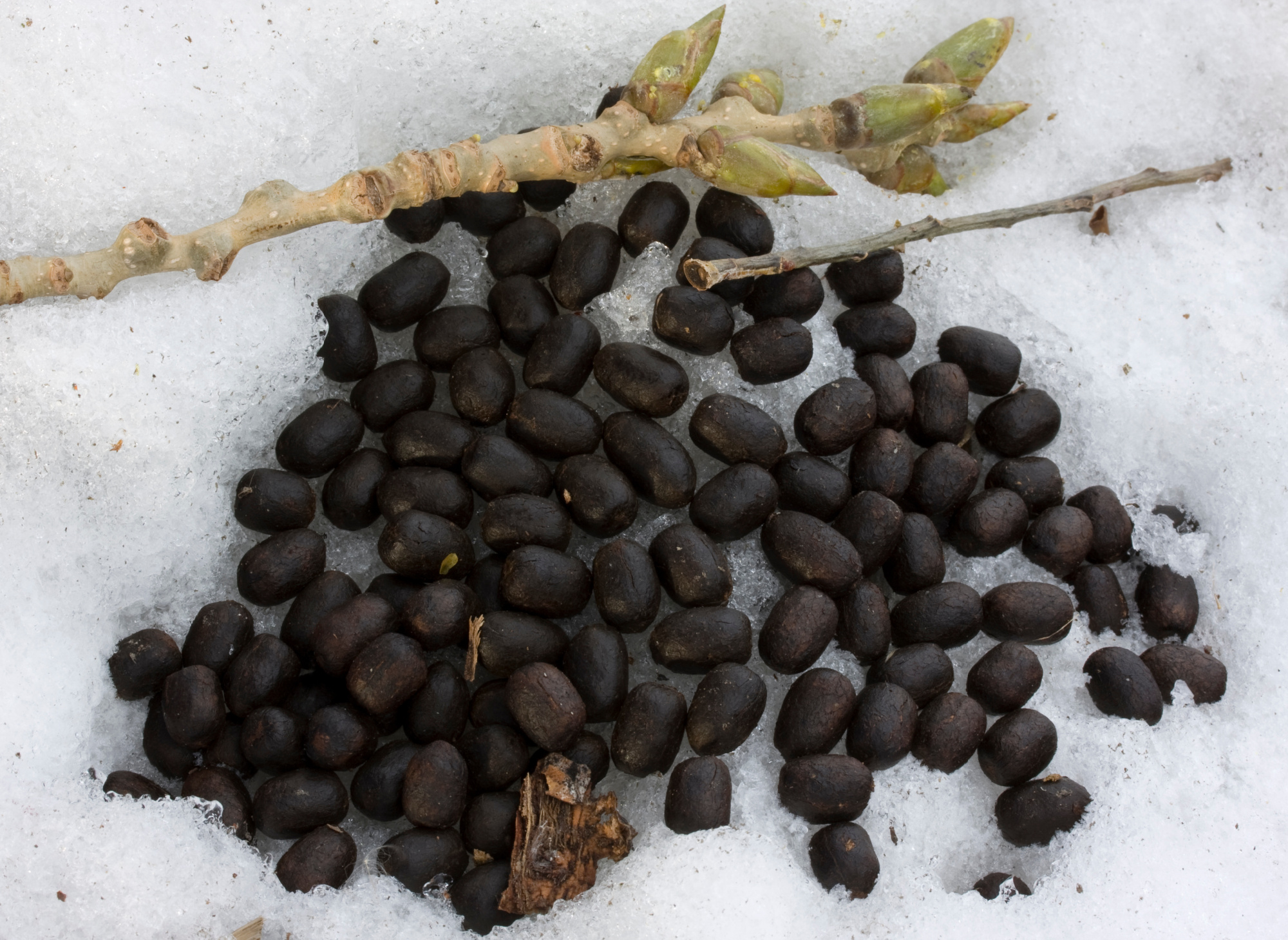
What does deer poop look like? Deer poop, also known as scat, typically appears as small, dark brown to almost black pellets.
They are often oval-shaped and can be found in loose piles. Understanding deer poop can reveal much about a deer’s diet and health. For hunters, recognizing deer scat is crucial for tracking and locating these animals. The characteristics of deer droppings can also indicate the time since the droppings were deposited, providing valuable clues about deer activity in the area.
By learning to identify and interpret deer poop, you can enhance your outdoor experience and improve your chances of a successful hunt. Let’s explore the appearance of deer poop in more detail.
Introduction To Deer Scat
Understanding deer scat, or deer poop, can provide valuable insights into deer behavior, habitat, and diet. If you’ve ever wandered through a forest and stumbled upon these small, dark pellets, you might have wondered what they can tell you. Let’s dive into the fascinating world of deer scat and uncover its significance.
Deer Habitats And Diets
Deer thrive in various habitats, ranging from dense forests to open fields. They are herbivores, primarily feeding on leaves, fruits, and grasses. The type of food they consume directly influences the characteristics of their scat.
In areas where deer feast on clover and tender shoots, their scat appears darker and shinier. Conversely, when their diet consists of dry, rough vegetation, the scat tends to be lighter in color and more brittle. Have you noticed differences in scat based on the season or location? It’s a fascinating way to observe how deer adapt to their environment.
Importance Of Scat For Ecosystem
Deer scat plays a crucial role in the ecosystem. When they leave their droppings, they are not just marking territory; they are also fertilizing the ground. This natural process helps promote new plant growth, creating a healthier habitat for various species.
- Seed dispersal: Some seeds pass through a deer’s digestive system unharmed, allowing them to sprout in new locations.
- Food for other animals: Many small creatures, like insects and birds, rely on deer droppings as a food source.
- Indicator of health: The condition of deer scat can indicate the overall health of the deer population in an area.
Next time you spot deer scat, remember its importance. It’s not just waste; it’s a key player in maintaining the balance of the ecosystem. What other signs of wildlife do you notice in your local environment? Each detail contributes to the bigger picture of nature’s intricate web.
Credit: www.outdoorlife.com
Identifying Deer Poop
Identifying deer poop is essential for hunters and nature enthusiasts. Understanding its characteristics helps in tracking deer. Knowing what to look for can reveal vital information about deer activity in the area.
Size, Shape, And Texture
Deer poop typically measures about half an inch in diameter. Its shape is oval and slightly pointed at one end. These pellets often appear in loose piles. The texture is smooth and shiny. Fresh droppings may feel moist, while older ones are dry.
Color Variations
The color of deer poop varies based on diet and age. Fresh droppings are usually dark brown to almost black. As they age, the color lightens to a grayish or brown shade. The color can also change depending on what the deer eat. Diet rich in greens may produce lighter-colored scat.
Where To Find Deer Droppings
Finding deer droppings can help you understand deer behavior. It shows where deer travel. Look for their droppings in specific areas. This can guide your hunting or wildlife observation efforts.
Common Deer Trails And Bedding Areas
Deer often follow the same paths, creating trails. These trails are usually near dense vegetation. Look for trails near thick bushes or trees. Deer use these areas for safety and comfort.
Bedding areas are spots where deer rest. They often choose spots with good cover. Look for flattened grass or leaves in these areas. Droppings will be nearby, indicating recent activity.
Searching Near Food Sources
Food is a major attraction for deer. They frequent areas with abundant food. Look near crops, fruit trees, or natural forage. These spots are prime locations for finding droppings.
Check for droppings along edges of fields. Deer often graze at dawn and dusk. They leave droppings as they move from bedding to feeding areas.
Frequency And Patterns Of Deer Droppings
Understanding the frequency and patterns of deer droppings can provide valuable insights for hunters and wildlife enthusiasts alike. These droppings, or scat, serve as clues about deer behavior, feeding habits, and seasonal changes. Observing these patterns helps you know where to find deer and how to approach them effectively.
Seasonal Changes
Deer droppings vary throughout the seasons. In spring and summer, you may notice more fresh droppings as deer are actively foraging on lush vegetation. The pellets are often moist and dark, indicating a diet rich in greens.
As autumn arrives, the scat begins to dry out and become more compact. This is due to a shift in their diet, as deer start to consume acorns and other hard mast. Winter scat tends to be smaller and more scattered, reflecting limited food sources and their need to conserve energy.
Feeding Patterns
Deer feeding patterns directly impact the frequency of droppings in specific areas. During a feeding frenzy, you might find piles of scat in concentrated areas. This indicates that deer are frequenting those spots, likely due to abundant food sources.
In contrast, if you come across scattered droppings, it may suggest that deer are moving through the area rather than feeding. Understanding these feeding patterns can help you determine the best times to set up for a hunt or simply to observe these graceful animals.
Have you ever tracked deer by analyzing their droppings? It’s a fascinating way to connect with nature and learn more about wildlife behavior. Next time you’re out in the field, pay close attention to the scat you find; it just might lead you to the perfect spotting location.
Comparing Scat
Understanding deer poop, or scat, is crucial for anyone interested in wildlife tracking or hunting. By comparing deer scat with that of other animals, you can sharpen your skills in identifying wildlife in your area. Let’s break down what makes deer droppings unique and how to avoid common mistakes when identifying scat.
Differences Between Deer And Other Wildlife
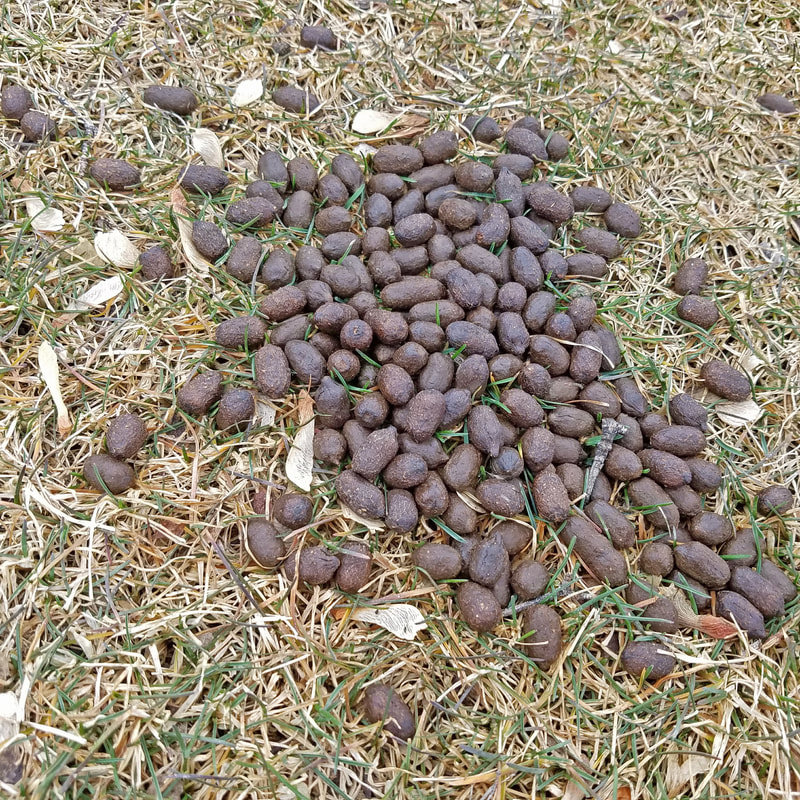
Deer scat typically appears as small, dark brown to almost black pellets. They are oval-shaped and often found in loose piles. This distinct appearance sets them apart from other wildlife scat.
Rabbit scat is much smaller and rounder, resembling tiny balls. It has a rougher texture and is often scattered rather than piled. Bear scat, on the other hand, is larger and less formed, frequently tubular with a blunt end, especially after a meat meal.
When it comes to coyotes, their scat may look similar to deer scat if they’ve consumed deer. However, coyote scat often contains hair and other remnants of prey, making it easier to identify. Familiarizing yourself with these differences can enhance your tracking abilities.
Misidentification Pitfalls
One of the biggest challenges in identifying deer scat is misidentification. Many first-time trackers confuse deer droppings with those of rabbits or even raccoons. If you’re not careful, you might overlook key differences in size and shape.
For instance, the rough texture of rabbit scat can be a giveaway. Always remember that deer droppings will be smooth and shiny due to their diet. To avoid confusion, look for the telltale clusters of pellets that are characteristic of deer.
Have you ever made a mistake in identifying wildlife droppings? It can be a learning experience, and recognizing these pitfalls can help you become more confident in your tracking skills. Keep a journal of your findings to track your progress and enhance your learning.
Credit: www.alpinenaturecenter.org
Health Indicators From Deer Scat
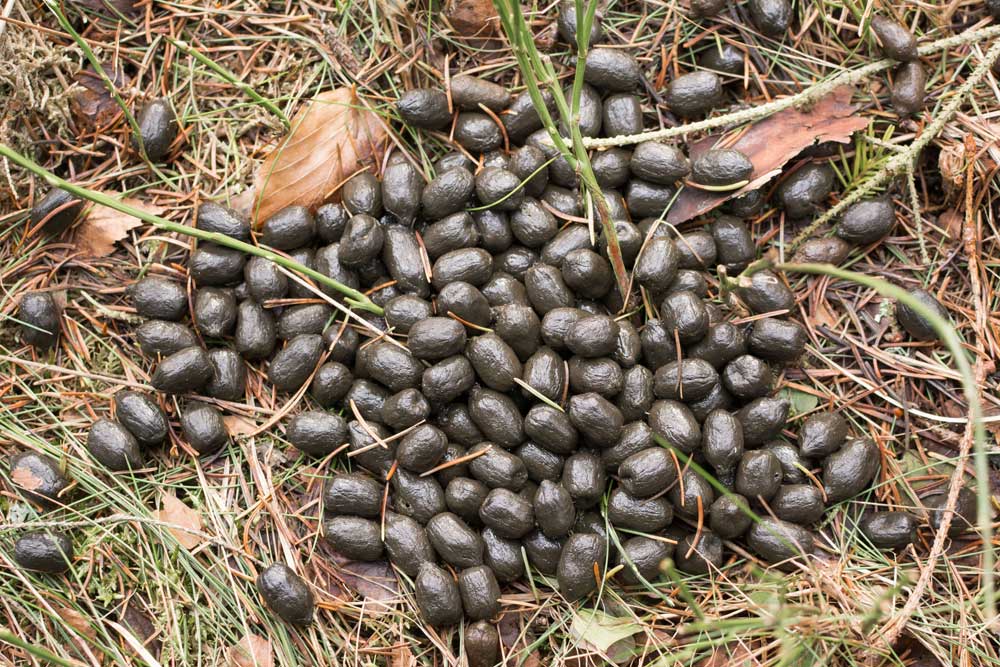
Deer poop, or scat, appears as small, dark brown to black oval-shaped pellets. These pellets often form loose piles and are smooth, with one end pointed. Analyzing deer scat can provide insights into their health and diet, making it useful for wildlife observation.
Understanding the health indicators from deer scat can be both fascinating and informative. The droppings of deer can reveal a wealth of information about their overall health, diet, and even the presence of parasites or diseases. By observing the scat closely, you can gain insights that may affect hunting strategies, conservation efforts, or simply your appreciation for wildlife. Let’s dive into the specifics.
Parasites And Diseases
Deer scat can serve as a window into the animal’s health. If you notice unusual characteristics, it might indicate the presence of parasites or diseases.
– Abnormal shapes or sizes can suggest health issues. For instance, larger pellets may signal that the deer is struggling with a parasitic infection.
– Mucus or blood in the droppings often points to gastrointestinal problems. This can be a sign of serious diseases like chronic wasting disease (CWD), which affects deer populations.
I once stumbled upon scat that looked different from the typical pellets. Upon closer inspection, I noticed a slimy coating. That sight prompted me to research and I discovered that such signs can indicate health concerns. Always keep an eye out for these changes, as they can provide valuable clues about the deer you encounter.
Diet Quality Assessment
The quality of a deer’s diet can also be assessed through its scat. By examining the droppings, you can gauge what the deer has been eating and how well-nourished it is.
– Well-formed pellets suggest a healthy diet rich in nutrients. If the scat is dense and dark, the deer is likely consuming high-quality forage.
– Loose or crumbly scat indicates a diet lacking in essential nutrients. This can occur when deer are forced to eat poor-quality plants during harsh seasons.
Observing scat in different seasons can be quite revealing. I once found scat during winter that was much drier and less formed, indicating the deer were struggling to find good food. This observation reminded me that the environment plays a crucial role in deer health, and understanding these signs can help you predict deer behavior.
When was the last time you checked for deer scat in your area? It might just provide you with insights that enhance your outdoor experience.
Tracking And Hunting Insights
Deer poop, or scat, appears as small, dark brown to black pellets. These oval-shaped droppings often form loose piles. Observing the size and shape helps hunters identify deer activity in the area. Recognizing scat is essential for tracking deer effectively.
Tracking and hunting deer requires keen observation and a solid understanding of their habits. One often overlooked aspect is deer scat. Recognizing what deer poop looks like can provide valuable insights into their location and behaviors. This knowledge can significantly enhance your hunting experience, allowing you to make informed decisions in the field.
Using Scat To Locate Deer
Deer scat, often small and oval-shaped, serves as a signpost in the wild. Fresh droppings are dark brown to almost black and smooth, with a pointy end.
By examining the size and shape of the scat, you can determine the species and even the approximate size of the deer. Larger pellets typically indicate a mature buck, while smaller ones suggest a younger deer.
Look for scat in areas where you suspect deer activity. Dense cover near feeding areas is a prime spot. Scat piles can lead you to trails and bedding areas, helping you pinpoint where deer are spending their time.
Behavioral Clues For Hunters
Scat can reveal more than just the presence of deer; it can also provide insights into their diet and health. For example, fresh scat indicates a healthy deer population. The consistency and color can tell you what the deer have been eating, whether it’s acorns, grass, or agricultural crops.
Pay attention to the scat’s location. If you find it near water sources or feeding zones, you are likely on the right track. Observing scat alongside tracks offers a clearer picture of deer movement patterns.
How often do you find yourself second-guessing your hunting location? Using scat as a tool can give you confidence. It’s not just about finding the deer; it’s about understanding their behaviors and habits.
By paying attention to these details, you can elevate your hunting game and make the most of your time in the field.
Conservation And Research
Understanding deer poop is important for conservation and research. Scat provides insights into deer behavior, health, and habitat use. Researchers analyze deer droppings to gather valuable data. This information helps in managing deer populations and preserving ecosystems.
Scat Analysis For Population Studies
Scat analysis plays a key role in population studies. Scientists collect deer droppings from various locations. They examine the size, shape, and quantity of the scat. This data reveals population density and distribution patterns. It also indicates the health of the deer population.
By studying scat, researchers identify different deer species. They can track migration patterns and breeding habits. This information guides wildlife management efforts. Effective conservation strategies depend on accurate population data.
Contributions To Biodiversity
Deer scat contributes to biodiversity in many ways. It serves as a food source for various organisms. Insects, fungi, and other wildlife benefit from deer droppings. This interaction supports a healthy ecosystem.
Deer poop also aids in seed dispersal. Seeds pass through the deer’s digestive system and are deposited elsewhere. This process helps plants grow in new areas. It promotes genetic diversity among plant species.
Understanding the role of deer scat enhances conservation efforts. It highlights the interconnectedness of species within an ecosystem. Protecting deer populations supports overall biodiversity.
Credit: www.mossyoak.com
Frequently Asked Questions
How Do You Identify Deer Poop?
To identify deer poop, look for small, dark brown to black, oval-shaped pellets. They typically cluster together and have a smooth, shiny surface. Fresh droppings are softer, while older ones dry out and become harder. Deer scat lacks visible food contents due to their digestive process.
What Else Looks Like Deer Poop?
Rabbit scat, bear scat, and coyote scat can resemble deer poop. Rabbit scat is rounder and smaller, while bear scat is larger and tubular. Coyote scat may contain hair or remains of prey, differing from deer scat, which is smooth and plant-based.
How Do I Identify Animal Poop In My Yard?
To identify animal poop in your yard, observe its size, shape, and color. Different animals leave distinct droppings. For instance, raccoon poop is cylindrical, while rabbit droppings are round. Fresh droppings are usually darker, while older ones may be lighter and drier.
How Large Is Deer Poop?
Deer poop, also known as scat, typically measures about 0. 5 to 1 inch in length. The pellets are oval-shaped and dark brown to black in color. They often appear in loose piles, reflecting the deer’s herbivorous diet. Identifying deer poop can aid in tracking their presence.
Conclusion
Understanding what deer poop looks like helps in many ways. It gives clues about deer health and diet. Recognizing deer scat can also aid hunters and wildlife enthusiasts. Remember, deer poop is small, dark brown, and oval-shaped. It often appears in loose piles.
Observing these details can enhance your outdoor experience. Use this knowledge to appreciate nature more. Identifying deer scat is simple and informative. Keep exploring and learning about wildlife. Every detail adds to your understanding of the natural world.
As an Amazon Associate, I earn from Qualifying Purchases.