
Deer season is an exciting time for hunters and outdoor enthusiasts alike. Knowing when it begins is crucial for preparation and planning.
Many factors influence the start date of deer season. These can include local regulations, weather conditions, and deer population management. States often set specific dates based on these variables. For hunters, understanding these details ensures they have the best chance of a successful outing.
Each region may have different rules, making it essential to check local guidelines. Whether you’re a seasoned hunter or a novice, knowing when deer season starts helps you get ready for this thrilling experience in nature. Prepare your gear, gather your friends, and mark your calendars. The season of adventure awaits!
Introduction To Deer Season
Deer season is a highly anticipated time for many outdoor enthusiasts. It marks the start of a thrilling adventure, whether you’re a seasoned hunter or new to the experience. Understanding when deer season begins can help you plan your trips and enhance your chances of a successful hunt.
The Excitement Around Deer Hunting
There’s a unique thrill that comes with deer hunting. The anticipation builds as the season approaches. You might find yourself checking your gear, planning meals, or even scouting locations weeks in advance.
Sharing stories around the campfire with friends and family adds to the excitement. Everyone has a tale to tell about their best hunt or the one that got away. These moments create lasting memories that you cherish for years to come.
Why Timing Is Crucial
Timing can make or break your hunting experience. Knowing the exact dates for deer season in your area allows you to prepare effectively. You’ll want to check local regulations to ensure you’re in compliance and to avoid any surprises.
Consider the weather and deer behavior as well. Early morning and late evening are often the best times to spot deer. Being in the right place at the right time can significantly increase your chances of a successful hunt.
Have you thought about how the timing of your hunt can affect your experience? Planning around peak activity times can transform a good outing into a great one.
Key Factors Influencing Deer Season Dates
Understanding deer season dates is crucial for hunters. Several factors determine when these seasons begin. Geography plays a big role. Different regions have different climates. Local deer populations also affect the timing. Knowledge of these factors helps hunters plan better.
Geographical Variations
Geography greatly influences deer hunting seasons. States in the North have different seasons than those in the South. In colder areas, deer seasons often start earlier. The harsh winter conditions affect deer behavior. Southern states usually have milder climates. This leads to later season openings.
Elevation also matters. Higher altitudes may have shorter hunting seasons. Local terrain impacts deer movements. Hunters need to consider their specific location. Knowing your area’s geography helps in preparation.
Species-specific Seasons
Different deer species have unique hunting seasons. For example, white-tailed deer often have different dates than mule deer. Each species responds to environmental changes. This influences breeding and feeding patterns. State regulations outline these specific dates.
Hunters must know the species they target. Understanding the biology of these deer aids in planning. This knowledge ensures compliance with local laws. It also enhances the chances of a successful hunt.
Early Starters: States Opening First
Deer season varies by state, with some states starting as early as August. For example, Wyoming opens its archery season in September. Texas typically begins its archery season in early October, allowing hunters to prepare for the upcoming months. Check local regulations for specific dates.
When it comes to deer season, some states take the lead with early openings. If you’re itching to hit the woods, knowing which states kick off the season first can make all the difference. These early starters not only offer a chance to bag that trophy buck but also allow you to enjoy the serene beauty of nature as it transitions into fall.Wyoming’s Archery Season
Wyoming is renowned for its early archery season, which typically opens in September. This consistent starting date attracts hunters from across the country eager to experience the thrill of hunting in the rugged landscapes of the Equality State.Many hunters appreciate the opportunity to scout their favorite spots before the masses arrive. The crisp air and colorful foliage create an ideal backdrop for your hunting adventure. Have you ever experienced a Wyoming sunrise while waiting for a deer? It’s a moment that stays with you.Idaho And South Carolina’s Unique Dates
Idaho kicks off its deer season in late August, varying by zone and year. This flexibility allows for tailored hunting experiences based on local deer populations. If you’re a resident, scouting your local area could lead you to some impressive game.South Carolina also stands out with its unique opening dates, often starting in mid-August. The early start gives you a chance to take advantage of warmer weather, making for a comfortable outing. Have you thought about the advantages of hunting in warmer temperatures? Less bulk in your gear can enhance your mobility, giving you a better shot at that elusive deer.Both states showcase the diversity of deer hunting experiences available across the U.S. Whether you prefer the rugged terrain of Wyoming or the warm woodlands of South Carolina, early starters have something special to offer.
Credit: www.shadowhunterblinds.com
Texas: A Closer Look At Deer Season
Texas hosts a diverse hunting experience. Each year, hunters eagerly await deer season. Understanding the nuances of this season is essential for success. Texas has specific rules based on zones. Knowing these rules helps hunters prepare effectively.
Zone-based Variations
Texas divides its hunting areas into several zones. Each zone has different dates for deer season. The North Zone typically starts in early November. The Central Zone usually follows closely behind. The South Zone opens later, in early December.
Hunters should check the exact dates for their zone. Local regulations may also vary. Knowing the specific dates ensures compliance. It also maximizes hunting opportunities.
Archery Vs. Regular Season
Texas offers both archery and regular deer seasons. Archery season generally starts in early October. This provides hunters with a head start. Archery hunters enjoy the challenge of getting close to their prey.
The regular deer season begins in November. This season attracts more hunters. It allows the use of firearms, making it popular. Each type of season has its own unique appeal. Understanding these differences helps hunters choose their approach.
Other Seasons: Beyond Deer Hunting
Hunting is not just about deer. Many other seasons offer exciting opportunities. Hunters can explore different types of game. Each season has its own dates and rules. Understanding these can enhance your hunting experience.
Duck Season Dates And Zones
Duck season varies by location. Different zones have different dates. For example, northern zones often start earlier. The regular season usually begins in late October. Check local regulations for exact dates. Some areas have special youth seasons too.
Zones can include high plains, coastal, and central regions. Each zone might have unique rules. Understanding these helps you prepare better. Always stay updated on local laws.
Pronghorn Antelope And Turkey Seasons
Pronghorn antelope season typically starts in September. This season is shorter than deer season. Hunters should plan ahead. Tags are limited, so apply early.
Turkey hunting has two main seasons: spring and fall. Spring season is popular for many. Fall season offers a different experience. Each state has specific dates. Know your local rules before heading out.
Preparation Tips For Deer Season
Getting ready for deer season is crucial. Proper preparation can enhance your chances of a successful hunt. Focus on scouting, planning, and safety. These aspects ensure that you have a rewarding experience.
Scouting And Planning
Start your preparation by scouting the area. Familiarize yourself with the terrain. Look for deer tracks, droppings, and feeding areas. This will help you identify where the deer are likely to be.
Make a plan based on your findings. Choose your hunting spots wisely. Consider wind direction and access routes. A good plan increases your chances of success.
Use trail cameras to monitor deer activity. This technology gives you insights into their movements. It helps you determine the best times to hunt.
Safety Measures
Safety should always be a top priority. Wear bright colors to ensure visibility. This is especially important if hunting with others. Avoid wearing all camouflage clothing.
Always use a harness when hunting from a tree stand. Falls can cause serious injuries. Secure your gear and make sure everything is in good condition.
Know the rules and regulations of your area. Familiarize yourself with local laws regarding hunting. This knowledge keeps you and others safe.
Lastly, always inform someone of your hunting plans. Share your location and expected return time. This simple step can be vital in case of an emergency.
Top Spots For Deer Hunting
Finding the right location is key for a successful deer hunt. Many states offer prime hunting spots. Indiana and Minnesota stand out for their rich landscapes. Both have thriving deer populations. Each location provides unique experiences. Whether you prefer forests or fields, these states have it all.
Indiana’s Hunting Locales
Indiana has diverse hunting areas. The Hoosier National Forest is popular. It covers over 200,000 acres. This forest offers excellent cover for deer. Nearby, the Yellowwood State Forest is also a favorite. It has rolling hills and thick woods.
Indiana’s farmland is another great option. Open fields attract deer during feeding times. Many hunters find success near agricultural lands. State parks like Brown County offer scenic views. These parks provide a peaceful atmosphere for hunting.
Minnesota’s Prime Locations
Minnesota boasts many great hunting spots. The Chippewa National Forest is a top choice. It covers over 1.6 million acres. This forest has plenty of deer and varied terrain. The deep woods and open spaces create ideal conditions.
Another popular area is the Paul Bunyan State Forest. It is rich in wildlife and has many trails. Hunters enjoy exploring the vast land. The farmland in southern Minnesota also attracts deer. Open fields and wooded edges are perfect for spotting game.

Credit: www.shadowhunterblinds.com
Conclusion: Maximizing Your Hunting Season
To make the most of deer season, focus on planning and preparation. Understanding the dates is crucial. Research local regulations and familiarize yourself with the area. Knowing the deer population can improve your chances.
Start early. Scout locations before the season begins. Look for signs of deer activity. Tracks, droppings, and feeding areas provide valuable clues.
Strategies For Success
Choose the right equipment. Ensure your gear is suitable for the terrain. Practice with your weapon. Confidence in your skills leads to better results.
Consider the weather. Deer behavior changes with temperature and wind. Cold fronts often lead to increased activity. Plan your hunts around these conditions.
Be patient. Hunting requires time and focus. Settle into your spot and stay quiet. Movement can scare deer away.
Respecting Wildlife And Regulations
Always follow local hunting laws. Respect the boundaries and guidelines set by wildlife authorities. Ethical hunting practices preserve the environment.
Do not overhunt areas. Allow wildlife to thrive. This ensures future hunting seasons remain viable.
Educate others about responsible hunting. Share knowledge to promote respect for nature. A community that values wildlife leads to a better experience for everyone.
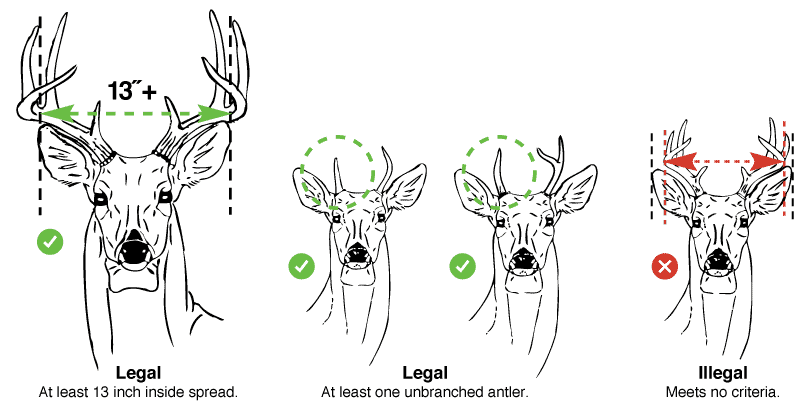
Credit: tpwd.texas.gov
Frequently Asked Questions
What Are The Dates For Indiana Deer Season?
Indiana deer season generally runs from early October to mid-January. Archery season starts in October, followed by firearms season in late November. Always check the Indiana Department of Natural Resources for specific dates and regulations.
What Are The Dates For Minnesota Deer Hunting?
Minnesota deer hunting season typically runs from early November to late December. Archery season starts in mid-September. Check the Minnesota Department of Natural Resources website for specific dates and updates each year.
What Are The Hunting Seasons In Texas?
Hunting seasons in Texas vary by game and region. Deer season typically runs from early October to January. Duck hunting varies by zone with specific dates. Spring and fall seasons exist for turkey. Check Texas Parks & Wildlife for detailed dates and regulations.
What Is The Earliest Deer Season?
The earliest deer season typically starts in August. States like Idaho and South Carolina open their archery seasons during this month. Specific dates may vary by zone and year, so it’s essential to check local regulations for precise information.
Conclusion
Understanding when deer season starts is important for every hunter. Knowing the dates helps plan trips and gather necessary gear. Each state has its own rules, making it vital to check local regulations. Prepare well in advance to ensure a successful season.
Respect wildlife and follow all safety guidelines. Enjoy the experience with friends and family. Deer season is not just about hunting; it’s about connecting with nature. Stay informed and enjoy every moment outdoors. Happy hunting!
As an Amazon Associate, I earn from Qualifying Purchases.