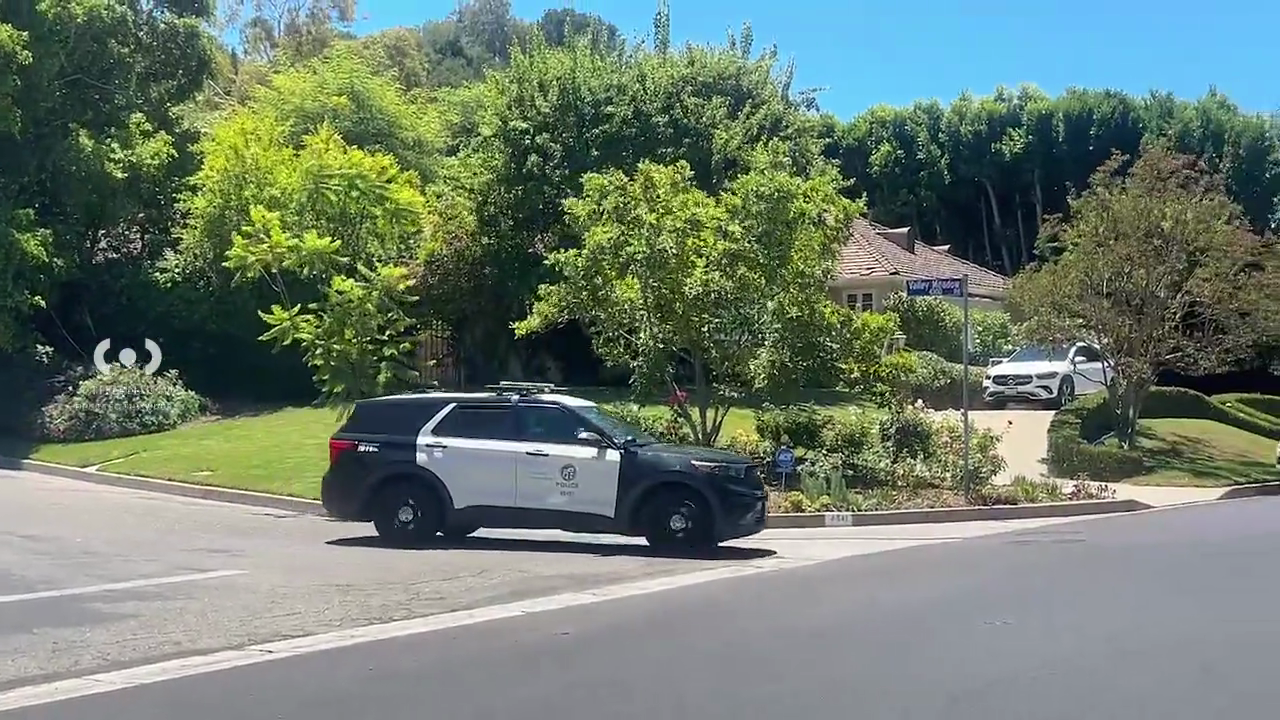
Most burglaries happen during daylight hours, especially late morning to early afternoon.
I’ve studied neighborhood crime patterns and helped homeowners improve security for years, so I can say with confidence what time of day do burglars break in and why those windows matter. This article breaks down the typical timing, the reasons behind it, clear signs to watch for, and practical steps you can take to reduce your risk at the times burglars prefer.
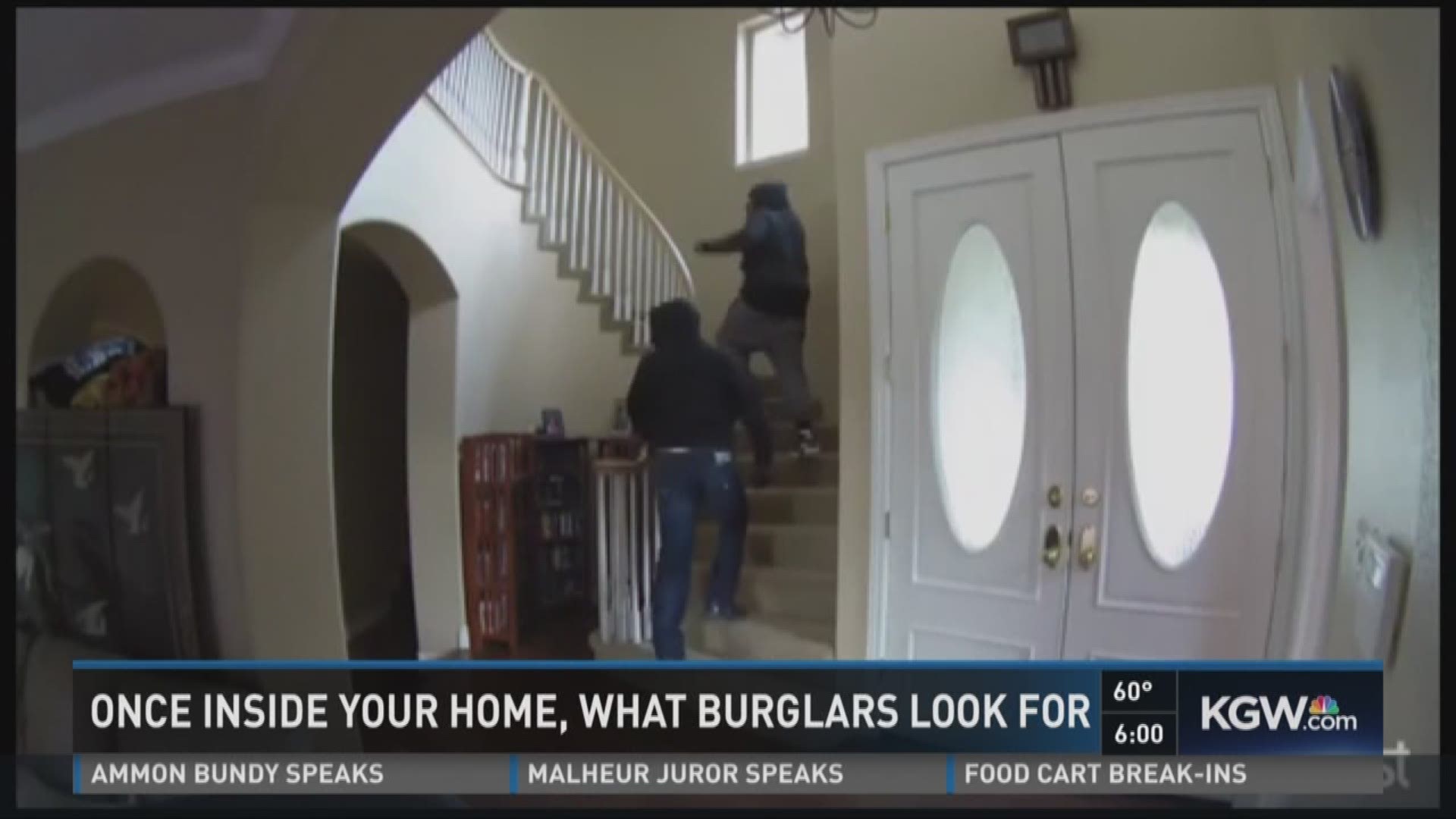
Source: kgw.com
Understanding burglary timing and patterns
Home break-ins follow patterns. Knowing those patterns helps you plan better. When people ask what time of day do burglars break in, they usually want actionable information. Burglars pick times that give them cover and a high chance of an empty house.
- Burglar behavior is driven by opportunity, visibility, and routine.
- Predators scout neighborhoods and learn when homes are empty.
- Timing varies by neighborhood type, season, and local routines.
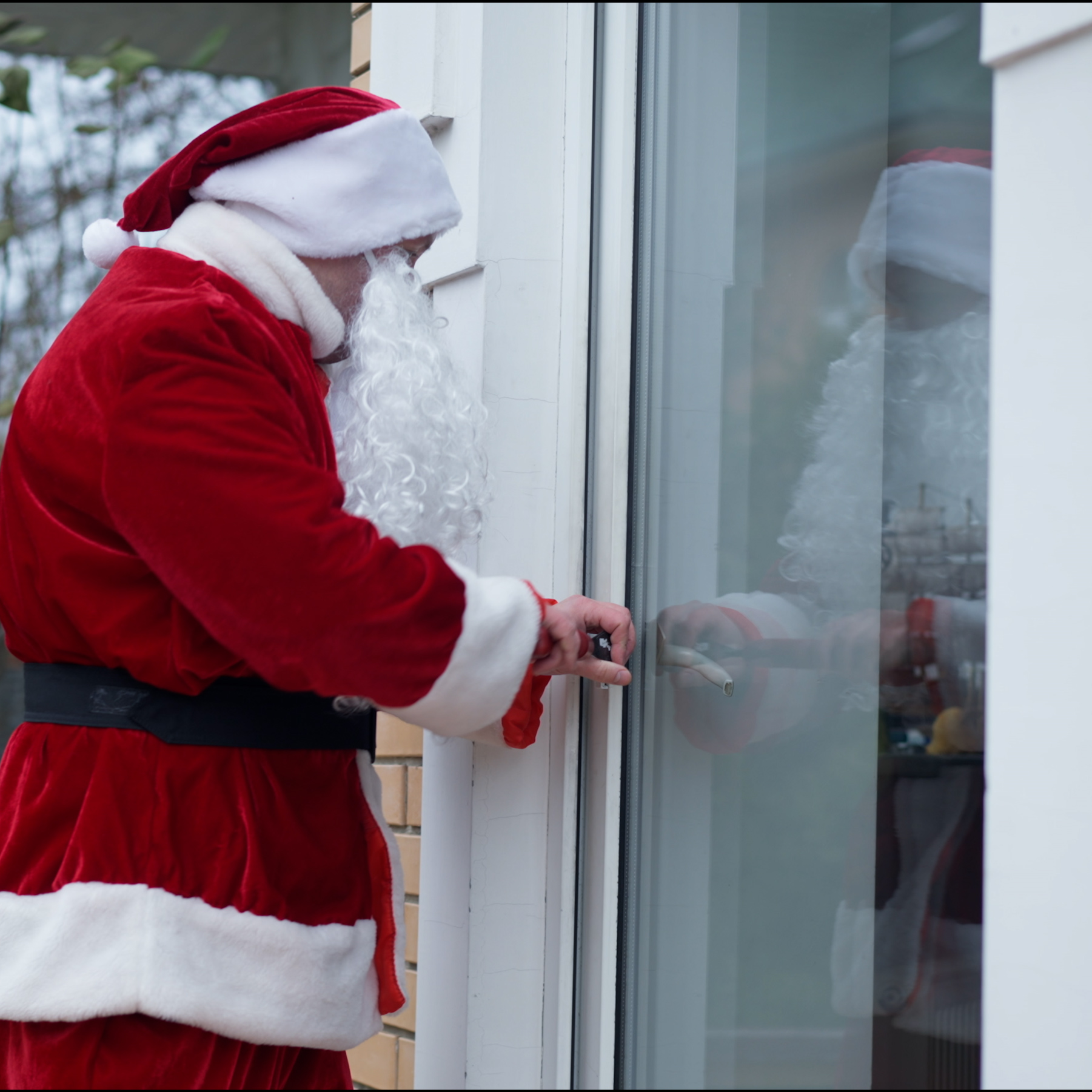
Source: prudentialalarms.com
When do burglars most often break in?
If you want a clear answer to what time of day do burglars break in, the most common window is between 10 AM and 3 PM. That is when many homes are empty because people are at work or school. Evening and night burglaries do happen, often focused on homes with poor outdoor lighting or easy access points.
- Typical peak: 10 AM to 3 PM, weekdays.
- Secondary peak: early evening, 6 PM to 9 PM, often targeting distracted residents.
- Low risk times: late night to very early morning can be lower for opportunistic burglars but not immune.
Studies and police reports commonly show daytime burglaries outnumber nighttime ones in residential areas. The key reason is simple: unoccupied houses are easier to target and leave quickly. When you consider what time of day do burglars break in, think about when your house is usually empty.

Source: nytimes.com
Why burglars choose those times
Understanding motives clarifies timing. Here’s why daytime is popular:
- Empty homes: Work and school routines leave houses vacant.
- Visibility and speed: Daytime allows burglars to move quickly without drawing attention in some neighborhoods.
- Predictability: Busy streets and delivery noise cover sounds of forced entry.
- Less risk of confrontation: Fewer residents are home to interrupt or report them.
Other factors also shape timing. Seasonal daylight, local work patterns, and even holiday routines change the most vulnerable windows. When you ask what time of day do burglars break in, remember that routines create predictable targets.
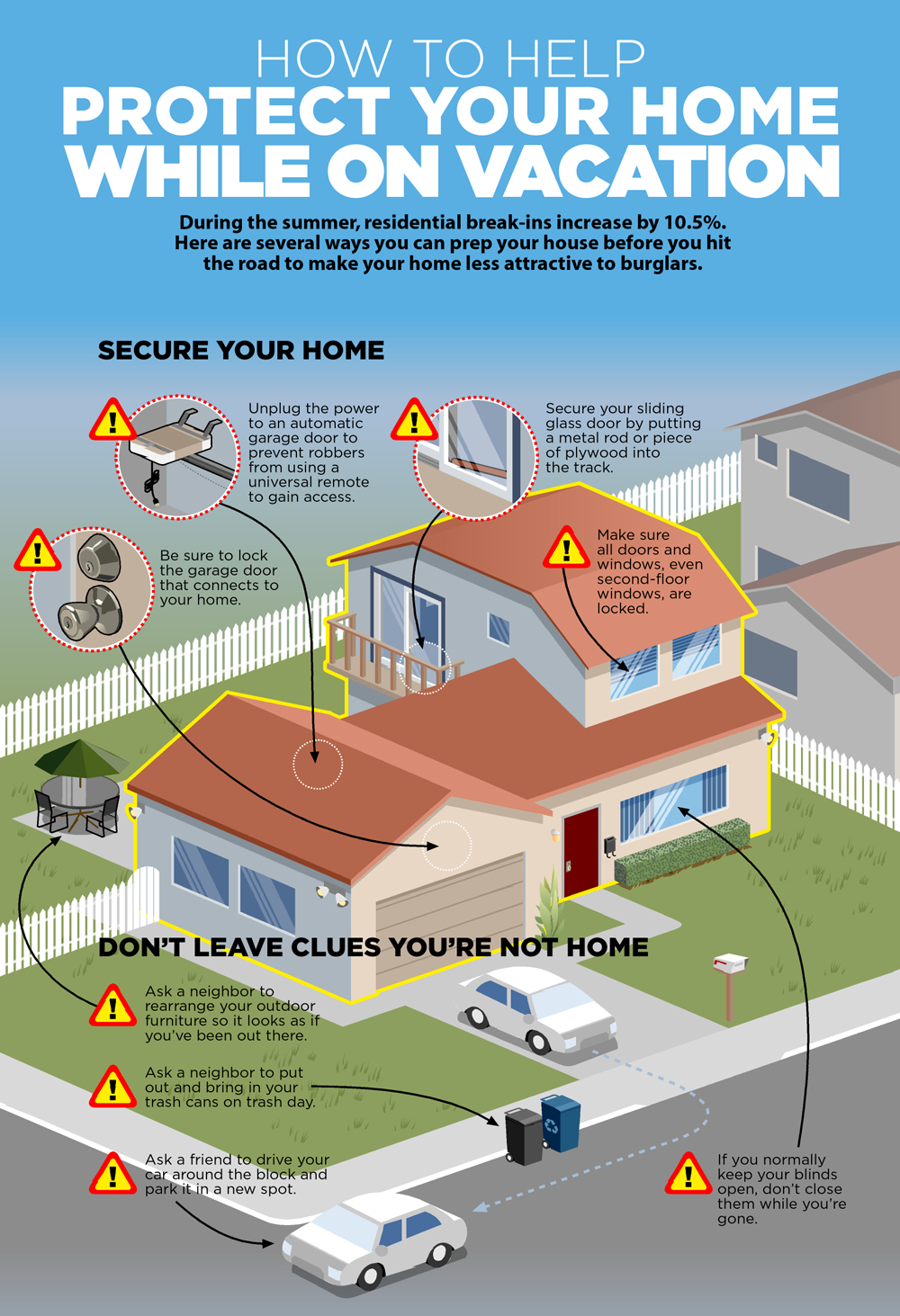
Source: thecopelandgroup.com
Common myths about burglary timing
Many myths make people feel either falsely safe or overly anxious. Here are clear facts:
- Myth: Burglaries only happen at night. Fact: Daytime burglaries are more common in many areas.
- Myth: Locked doors always stop burglars. Fact: Forced entry or deception methods still work when doors seem secure.
- Myth: Expensive neighborhoods are safer. Fact: Any area can be targeted based on opportunity and routine.
Debunking these myths helps you focus on practical defenses tied to real patterns of what time of day do burglars break in.
Source: hunker.com
How to reduce risk at the most vulnerable times
You can lower risk with simple, low-cost steps. Focus on the hours when burglars prefer to act.
- Make your home look occupied
- Use timed lights and radios while you’re out.
- Leave a car in the driveway when possible.
- Strengthen entry points
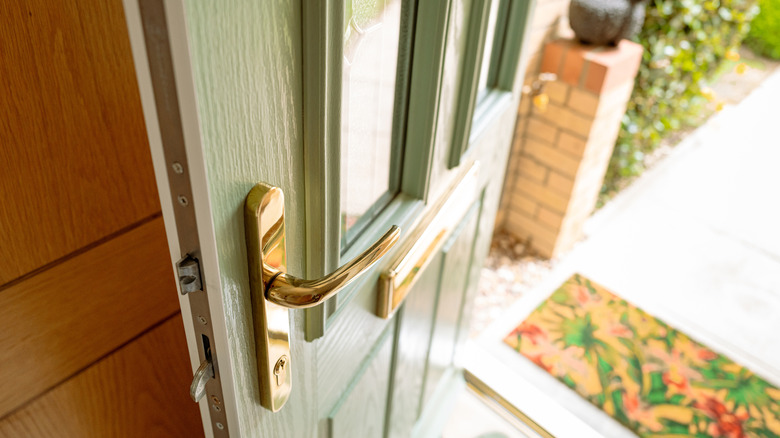
- Reinforce doors and frames.
- Use quality deadbolts and window locks.
- Improve visibility
- Add motion-sensor lights and trim shrubs near entrances.
- Add detection and response
- Install cameras or doorbell cameras that alert your phone.
- Join a neighborhood watch and share patterns.
- Manage daily routines
- Don’t announce travel on social media.
- Schedule deliveries to avoid long empty periods.
These steps address the central question of what time of day do burglars break in by reducing the opportunity during peak windows.

Source: cepro.com
Personal experience and lessons learned
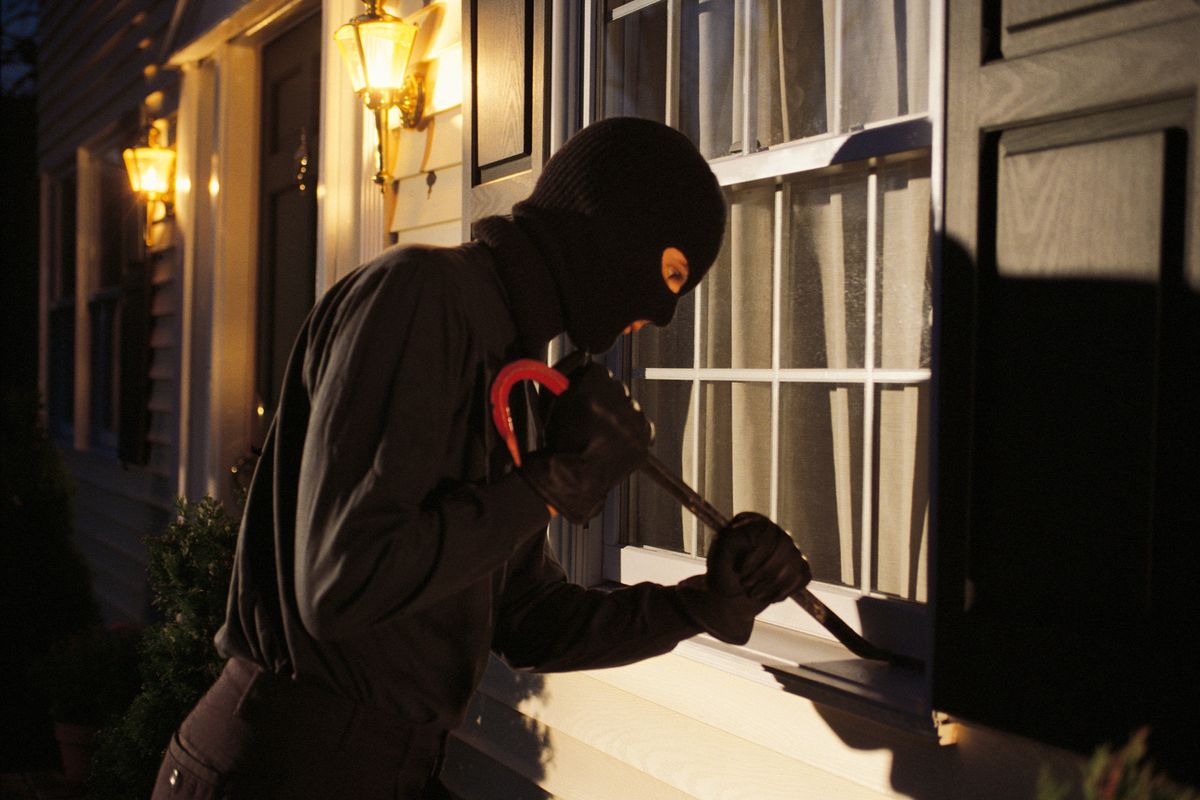
I once helped a neighbor after a daytime burglary. The house looked empty: lights off, no car, and packages on the porch. The burglar slipped in through a side door that was easy to pry. From that case I learned three lessons:
- Visibility matters more than we think.
- Small deterrents like a visible camera or a dog sign can shift a burglar’s decision.
- Community awareness prevents repeat offenses.
Use these real-world lessons to change how you prepare for common windows when burglars strike.
Source: howstuffworks.com
Implementing a layered home security plan
A layered approach is the most reliable answer to what time of day do burglars break in. Combine physical, electronic, and social strategies.
- Assess risks
- Walk your property and note blind spots and weak doors.
- Prioritize upgrades
- Start with locks, lights, and visible cameras.
- Use technology wisely
- Get alerts, but avoid constant false alarms that desensitize you.
- Build community ties
- Share schedules with trusted neighbors and swap keys for trusted friends.
- Practice routines
- Create checklists before leaving home to reduce forgetfulness.
A few small steps done consistently reduce the chance of being targeted during peak burglary hours.

Source: ktla.com
Frequently Asked Questions of What time of day do burglars break in
What are the most common hours for burglaries?
Most burglaries occur between 10 AM and 3 PM on weekdays, when many homes are empty. Evening break-ins also happen but less often in suburban areas.
Do burglars prefer houses without dogs?
Many burglars avoid homes with visible dogs or “beware of dog” signs. Dogs increase the risk of detection and make quick entry less likely.
Are wealthier neighborhoods safer from daytime burglaries?
No. Wealthier neighborhoods may be targeted for valuables, but burglaries depend on opportunity and routines, not just income level.
Will a security system stop a burglar?
A visible, monitored security system greatly reduces the risk by increasing the chance of detection and response. It is not a guarantee but is a strong deterrent.
How can I make my home look occupied during the day?
Use timed lights, radios, and a parked car or neighbor visits. A lived-in look reduces the appeal during the typical windows burglars favor.
Conclusion
Knowing what time of day do burglars break in helps you defend your home smartly. Daytime, especially late morning to early afternoon, is often the riskiest window, but layered security and simple habits cut that risk dramatically. Start with visibility, strong locks, and community connections today. Try one change this week—set a timer for lights or trim a shrub—and see how small actions make your home less attractive to burglars. Leave a comment with your neighborhood tips or subscribe for more security strategies.
As an Amazon Associate, I earn from Qualifying Purchases.