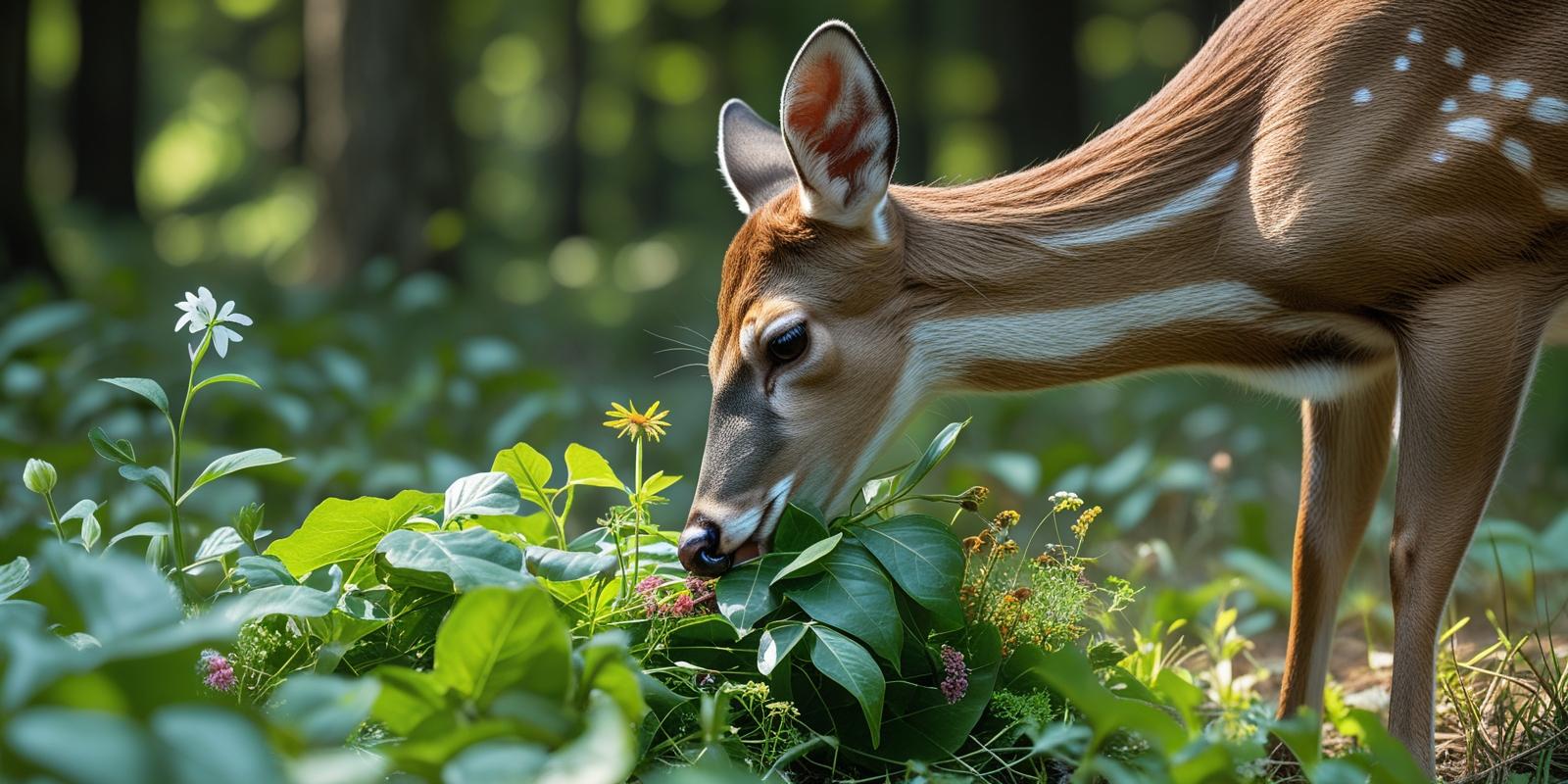
What do deer eat? Deer primarily consume a variety of plant-based foods, including leaves, fruits, and grasses.
Understanding their diet is essential for wildlife enthusiasts, hunters, and anyone interested in nature. Deer are fascinating creatures, and their eating habits reflect their adaptability. They thrive in different environments, from forests to suburban areas. Their diet varies by season and location, making them opportunistic feeders.
During spring and summer, they prefer tender green shoots and fruits. In fall and winter, they turn to harder foods like acorns and bark. Knowing what deer eat helps us appreciate their role in the ecosystem and can guide conservation efforts. Whether you’re a nature lover or a hunter, understanding deer diets can enhance your outdoor experiences.
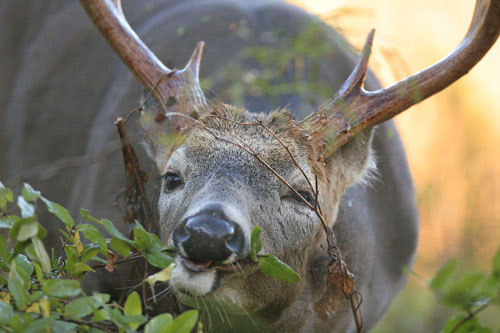
Credit: www.msudeer.msstate.edu
Introduction To Deer Diets
Understanding what deer eat is essential for anyone interested in wildlife or managing their land. Deer are herbivores and have diverse diets that change with the seasons. Knowing their feeding habits can enhance your wildlife experience and help you create a more inviting environment for these beautiful creatures.
Dietary Habits Of Deer
Deer primarily feed on a variety of plants, including:
- Leaves and Foliage: Tender leaves from trees and shrubs are favorites, especially in spring and summer.
- Grasses: They graze on various grasses found in open fields.
- Fruits: Apples, berries, and acorns attract deer, particularly in the fall.
- Bark: During winter, deer often strip bark from trees when other food is scarce.
Deer have a unique digestive system that allows them to extract nutrients from tough plant materials. They are ruminants, meaning they regurgitate food to chew it again, maximizing nutrient absorption. Have you noticed deer in your area? Observing their feeding habits can be both entertaining and educational.
Myths Vs. Facts
Many myths surround deer diets. One common misconception is that deer will eat just about anything, including meat. This is false; deer are strict herbivores.
Another myth suggests that feeding deer can help them survive harsh winters. While this may seem helpful, it can actually disrupt their natural foraging instincts and lead to health issues.
Understanding the facts can help you make better choices regarding wildlife management. You can support local deer populations without interfering with their natural behavior.
What do you think about feeding deer? It’s an interesting topic that stirs many opinions!
Seasonal Feeding Patterns
Deer have different eating habits based on the season. In spring and summer, they prefer tender leaves and grasses. As fall arrives, fruits like apples and acorns become their favorites. In winter, deer rely on woody plants and browse to survive.
Understanding these patterns helps in wildlife management.
Seasonal feeding patterns of deer reveal how these creatures adapt their diets based on the changing environment. Understanding these patterns can enhance your appreciation of deer behavior. You might even find yourself observing your local deer more closely, eager to see what they’re munching on during different times of the year.
Spring Blossoms And Greens
As winter fades, deer eagerly seek out fresh growth. Spring brings tender leaves, vibrant blossoms, and an abundance of greens that deer crave.
They often feast on:
- Newly sprouted grasses
- Wildflowers
- Young tree leaves
This season is vital for deer, as they replenish their energy after the harsh winter months. I remember watching a group of deer in a nearby meadow one spring. They grazed on lush clover and dandelions, almost as if they were celebrating the arrival of warmer days.
Have you ever noticed how active deer become in springtime? Their diets during this season play a crucial role in their overall health.
Autumn’s Richness: Fruits And Nuts
As summer transitions to fall, deer shift their focus to more calorie-dense foods. Autumn provides a cornucopia of fruits and nuts, which are essential for preparing for winter.
During this season, you can expect to see deer indulging in:
- Acorns
- Apples
- Pears
These foods not only offer energy but also help deer build fat reserves for the colder months ahead. I once stumbled upon a hidden grove filled with acorns, and to my delight, a few deer were happily munching away, seemingly oblivious to my presence.
Have you ever tried to attract deer to your property during this season? Providing supplemental food can be effective, but it’s essential to understand their natural foraging patterns.
Understanding these seasonal feeding habits can deepen your connection with nature and enhance your wildlife observations. What surprises await you in your local deer population this year?
Daily Dietary Essentials
Understanding what deer eat daily helps us appreciate their diets. Deer are herbivores. They consume various plants, grasses, and fruits. Each of these food types plays a vital role in their health and growth.
Their diet changes with the seasons. In spring and summer, they enjoy fresh growth. In autumn and winter, they seek harder, more fibrous plants. Knowing their dietary essentials helps in wildlife management and conservation efforts.
Role Of Foliage And Grasses
Foliage and grasses make up a significant part of a deer’s diet. Deer feed on tender leaves from trees and shrubs. This is especially common during warmer months.
Grasses are also a staple. They graze on various types found in open fields. These plants provide essential nutrients. They help deer maintain their energy levels throughout the day.
Importance Of Forbs In Nutrition
Forbs are flowering plants that deer love to eat. They are rich in protein and vitamins. This makes forbs an important part of their diet.
Deer seek out forbs, especially in spring. These plants help with growth and reproduction. Their high nutrient content supports healthy antler development in males.
In summary, forbs play a crucial role in deer nutrition. They complement foliage and grasses, offering balance in their diets.
The Significance Of Tree Mast
Tree mast plays a vital role in a deer’s diet. It provides essential nutrients. During certain seasons, mast becomes a primary food source. Understanding this can help in wildlife management and hunting.
Mast includes two types: hard mast and soft mast. Each type attracts deer for different reasons. Knowing what these types are helps in finding deer. It also aids in creating better habitats for them.
Acorns And Hard Mast
Acorns are a favorite among deer. They are high in energy and fat. Deer often seek out oak trees for these nuts. Hard mast also includes hickory nuts and chestnuts. These provide important nutrition during fall and winter.
During the fall, deer rely heavily on acorns. The abundance of acorns can influence deer movement. They will travel long distances to find them. Hard mast is crucial for building fat reserves before winter.
Soft Mast Favorites
Soft mast includes fruits like berries and apples. Deer enjoy these sweet treats during summer and early fall. These fruits are rich in vitamins and sugars. They help deer maintain energy levels.
Blackberries and raspberries are popular soft mast options. Deer often forage in areas with abundant fruit. This behavior shows their preference for soft mast during certain seasons.
Deer Foraging Behavior
Understanding deer foraging behavior can give you a unique perspective on these fascinating creatures. Watching deer in their natural habitats reveals a lot about their eating habits and preferences. Their foraging behavior is not just about finding food; it’s a survival strategy shaped by their environment.
Adaptations For Browsing
Deer have several adaptations that make them expert foragers. Their strong, flexible lips allow them to grasp and pull leaves, twigs, and other vegetation with ease. This ability is crucial, especially in dense forests where competition for food can be fierce.
Their digestive systems are also tailored for browsing. Deer are ruminants, meaning they can break down tough plant material efficiently. This adaptation enables them to extract nutrients from a variety of plants, even those that are less palatable.
Have you ever noticed how quietly a deer can move through the woods? Their hooves are designed for stealth, allowing them to approach food sources without alarming other animals. This silent approach often gives them the advantage when foraging.
Preferred Natural Foods
Deer are herbivores, primarily feeding on a wide range of plants. They prefer tender leaves, young shoots, and fruits. In the spring and summer, you’ll see them munching on lush greenery and flowering plants.
- Leaves and Foliage: Tender leaves from trees and shrubs are favorites.
- Grasses: They graze on various grasses, especially in open fields.
- Fruits: In the fall, deer are attracted to fruits like apples, berries, and acorns.
Have you ever tried planting a garden with deer in mind? If you want to attract deer, consider incorporating some of their preferred foods. Just remember, what you plant can influence their foraging patterns.
Next time you spot a deer, take a moment to observe its foraging behavior. You might be surprised by how selective they can be. Understanding what they eat can deepen your appreciation for these remarkable animals and their role in the ecosystem.
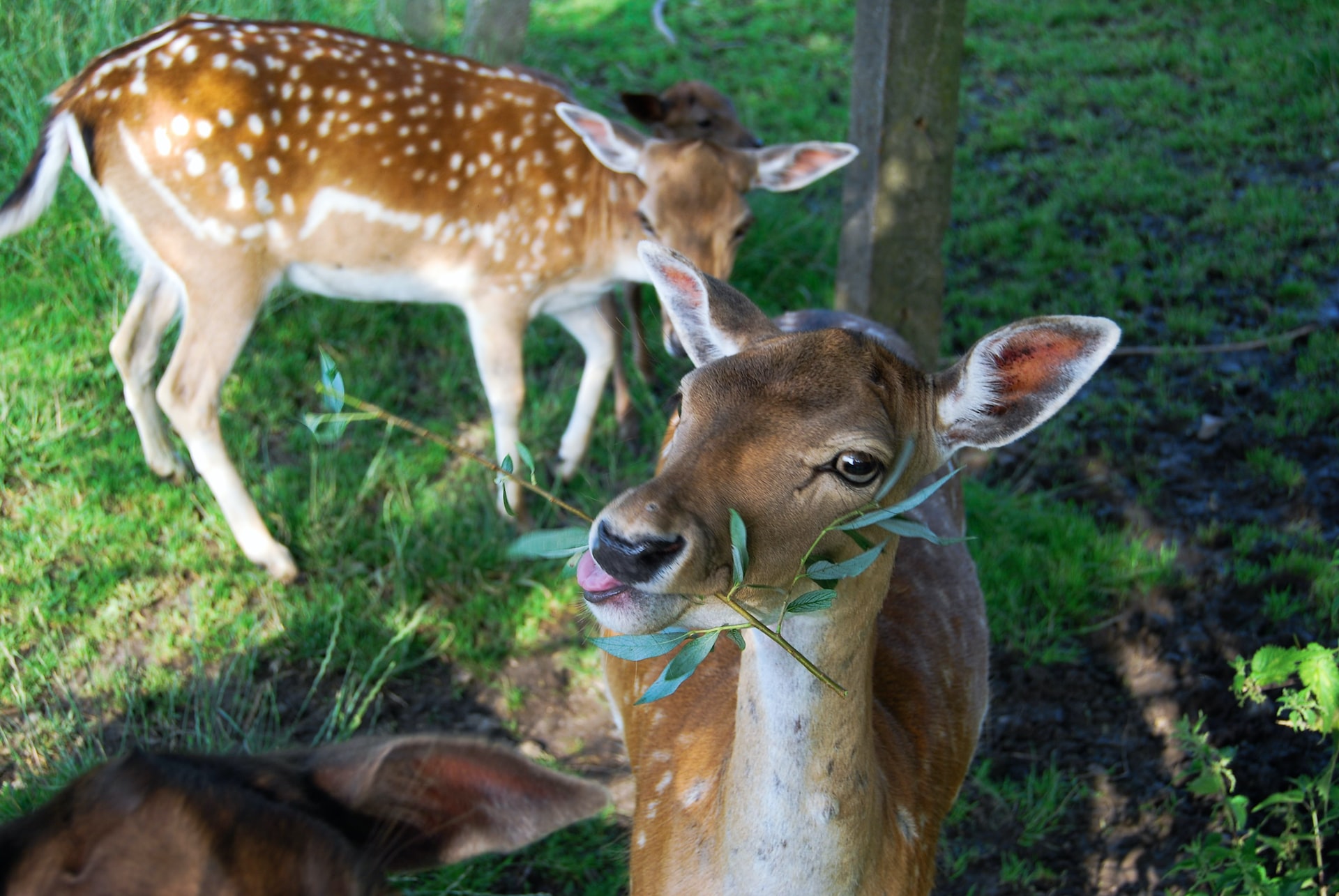
Credit: www.sweeneyfeeders.com
Human Impacts On Deer Diet
Human activities significantly influence what deer eat. Urban development and agriculture often reduce natural food sources like grasses and leaves. This leads deer to rely on human-provided food, which may not always be healthy for them. Understanding these impacts helps protect deer habitats and diets.
Human activities significantly influence deer diets, often in ways that can be both beneficial and detrimental. As urban expansion continues, deer find themselves adapting to new food sources. However, not all changes in their diet are healthy or sustainable. Understanding these impacts can help you make informed decisions about how to coexist with these beautiful creatures.
Feeding Deer: Help Or Harm?
Feeding deer may seem like a kind gesture, but it often does more harm than good. Many people believe that providing food can help deer survive harsh winters or droughts. However, this practice can lead to nutritional imbalances.
Deer are natural browsers, adapted to eat the vegetation available in their habitats. When humans introduce non-native foods, it can disrupt their digestive systems. For example, corn, a common food offered by well-meaning individuals, can lead to digestive issues and even death.
Have you ever considered the long-term effects of your actions? Feeding deer regularly can make them reliant on human-provided food. This dependency can reduce their natural foraging skills and lead to overpopulation in certain areas.
Urban Environments And Deer Diet Changes
Urban areas drastically change the landscape and food availability for deer. In cities, they often feast on ornamental plants, garden vegetables, and even trash. This shift in diet can result in health problems due to the lack of essential nutrients found in their natural food sources.
You might have noticed deer munching on your tulips or vegetable patches. This behavior is a direct consequence of habitat loss. As their natural food sources diminish, deer adapt by seeking out whatever is available, even if it’s not ideal for their health.
Interestingly, some urban deer have developed a taste for human food. They may raid bird feeders or rummage through trash bins. This change in behavior highlights how adaptable these animals are, but it also raises concerns about their long-term survival and health.
What steps can you take to help maintain a healthy deer population in your area? Consider planting native plants that provide natural food sources. This way, you can support deer diets without compromising their well-being.
Unique Dietary Components
Deer have a surprisingly varied diet that extends beyond the typical greens and fruits. While many people picture deer munching on grass and leaves, their culinary preferences include some unique dietary components. Understanding these aspects can deepen your appreciation for these fascinating creatures.
Fungi And Other Uncommon Foods
Many deer are known to nibble on fungi, especially in forested areas. They tend to seek out mushrooms, which provide essential nutrients. You might be surprised to learn that some deer also enjoy eating nuts, such as acorns, which are rich in fats and proteins.
- Mushrooms: A source of vitamins and minerals.
- Acorns: High in fats, perfect for energy during winter.
- Other nuts: Deer will forage for hickory and chestnuts.
Have you ever spotted deer foraging beneath oak trees? Their ability to seek out these uncommon food sources helps them thrive, especially during leaner months. This adaptability is one of the reasons deer can flourish in various environments.
Deer’s Occasional Carnivorous Tendencies
It might sound shocking, but deer are known to exhibit occasional carnivorous behavior. While they are primarily herbivores, some deer have been observed consuming small animals, such as birds or even the remains of other deer. This behavior often occurs in extreme conditions, where food scarcity pushes them to seek alternative sources of nutrition.
Have you ever witnessed this surprising behavior? I remember a time when I saw a deer near a roadside, seemingly munching on something unusual. Upon closer inspection, it turned out to be the remnants of a small animal. This incident opened my eyes to the adaptability and resilience of deer.
Understanding these unique dietary habits not only enriches your knowledge of deer but also highlights their remarkable ability to survive in changing environments. Next time you see a deer, consider the diverse menu it might be enjoying.
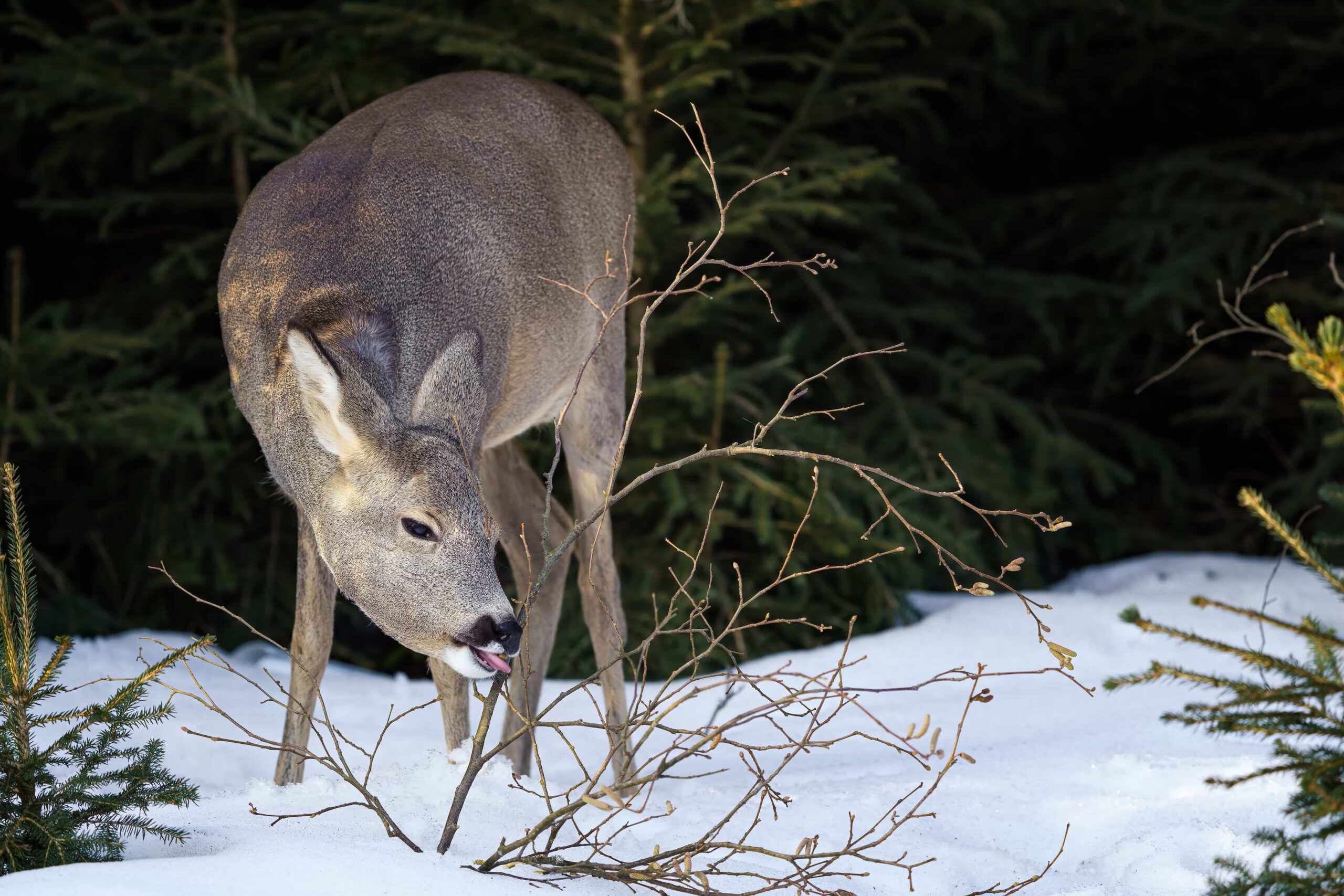
Credit: wildtree.co
Conservation And Management
Conservation and management play vital roles in ensuring healthy deer populations. Understanding what deer eat helps in making informed decisions. Proper habitat management promotes a balanced diet for deer. This leads to healthier herds and sustainable ecosystems.
Habitat Management For Healthy Diets
Effective habitat management supports deer diets. Maintaining diverse plant life is essential. Deer thrive in areas with a mix of trees, shrubs, and grasses. These plants provide necessary nutrients throughout the year.
Creating food plots can enhance deer nutrition. Planting native species attracts deer and supports their diet. Controlled burns can rejuvenate overgrown areas. This encourages new growth, which deer find appealing.
Water sources are equally important. Providing clean water ensures deer remain hydrated. Healthy habitats lead to stronger deer populations. This balance benefits both deer and the surrounding environment.
The Impact Of Hunting On Deer Feeding Patterns
Hunting affects deer feeding patterns significantly. It alters their behavior and habitat use. After hunting seasons, deer may shift to safer areas. This can change their access to food sources.
Selective hunting can help manage deer populations. Proper management prevents overpopulation. This reduces competition for food among deer. A balanced population leads to better health for all deer.
Hunters can contribute to conservation efforts. Reporting sightings and deer health can inform management strategies. Sustainable hunting practices ensure future generations enjoy healthy deer.
Understanding Deer Digestion
Deer have a unique way of processing food. They are ruminants, meaning they digest their meals in stages. This process allows them to extract nutrients from tough plant materials. Understanding how deer digest food helps us appreciate their dietary needs.
Deer eat a variety of plants. Their diet includes leaves, fruits, and grasses. What they eat affects their health and well-being. Let’s explore how their digestive system works.
Ruminant Digestive System
Deer belong to a special group of animals called ruminants. This group includes cows, sheep, and goats. Ruminants have a four-chambered stomach. The first chamber stores food temporarily. The deer swallows food whole, then brings it back up to chew. This process is called rumination.
The second chamber breaks down the food further. The third and fourth chambers absorb nutrients. This system helps deer thrive on fibrous plants. They can digest tough materials that many animals cannot.
How Diet Affects Deer Health
The diet of a deer plays a vital role in its health. A balanced diet supports growth and reproduction. Poor nutrition can lead to health problems. Malnourished deer may suffer from weak bones and low energy.
Seasonal changes affect food availability. In spring and summer, deer eat fresh greens. In fall and winter, they rely on woody plants and acorns. The right food helps them prepare for colder months.
Healthy deer populations depend on diverse diets. This variety ensures that they get all necessary nutrients. Understanding their eating habits helps in wildlife management.
Feeding Deer Responsibly
Feeding deer can seem harmless. Many people enjoy watching these beautiful animals. However, feeding them can cause serious problems. It is crucial to understand the right way to feed deer. Responsible feeding practices help keep deer healthy and safe.
Understanding deer diets helps ensure their well-being. Wild deer eat a variety of foods. Their natural diet includes leaves, fruits, and nuts. Providing the right foods makes a big difference. Let’s explore how to feed wild deer properly.
What To Feed Wild Deer
Feeding wild deer can be beneficial with the right foods. Deer enjoy natural vegetation. Fresh fruits and vegetables are great options. Apples, pears, and carrots are favorites. They also like acorns and nuts. Offer these foods in moderation.
Grasses and legumes provide essential nutrients. Avoid processed foods or grains. These can harm deer’s digestive systems. Always prioritize their natural diet. This keeps them healthy and thriving.
The Consequences Of Improper Feeding
Improper feeding can have serious consequences. Feeding deer unnatural foods may lead to health issues. Digestive problems can arise from poor diets. Deer may become dependent on human food sources.
Overfeeding can lead to overcrowding. This increases the risk of disease spread. It can also attract predators. Feeding deer can disrupt their natural behaviors. They may lose their fear of humans.
Responsible feeding protects both deer and their environment. Always consider the long-term effects. Make informed choices to keep deer safe.
Frequently Asked Questions
What Do Deer Like To Eat The Most?
Deer primarily enjoy tender leaves, grasses, fruits, and nuts. They are particularly fond of apples, acorns, and various berries. During spring and summer, fresh foliage is a favorite. In fall, they seek out abundant fruits. Offering a diverse diet supports their health and wellbeing.
What Can You Feed Wild Deer?
Wild deer can eat various fruits and vegetables. Offer apples, carrots, berries, and acorns. They also enjoy leafy greens, pumpkins, and sunflower seeds. Avoid processed foods and bread. Natural foraging is best for their health. Always check local regulations before feeding deer in your area.
Is It Okay To Feed Deer In Your Yard?
Feeding deer in your yard is generally discouraged. It can lead to dependency, disrupt natural foraging, and increase the risk of disease. Wildlife experts recommend avoiding supplemental feeding to ensure deer maintain their natural behaviors and health. Instead, provide natural habitats for them to thrive.
Do Deer Eat Carrots?
Yes, deer eat carrots. These vegetables provide essential fiber and nutrients beneficial for their health. Whole carrots or cut pieces are both suitable options for feeding deer.
Conclusion
Understanding what deer eat is essential for wildlife enthusiasts. Their diet varies by season and location. They enjoy leaves, grasses, fruits, and nuts. Knowing this helps in creating suitable habitats. It also aids in effective wildlife management. Always remember, a balanced diet is vital for deer health.
With the right knowledge, you can appreciate these beautiful animals even more. Observing their eating habits can be a rewarding experience. Stay curious and keep learning about deer and their environment. This knowledge enriches our understanding of nature.
As an Amazon Associate, I earn from Qualifying Purchases.