
Cleaning your camera sensor is essential for maintaining image quality. Dust and smudges on the sensor can ruin your photos.
Knowing how to clean your camera sensor correctly can save you time and money. Many photographers face sensor issues at some point. It can be frustrating to see spots in your images. Fortunately, cleaning your sensor is not as daunting as it seems.
With the right tools and techniques, you can do it safely at home. This guide will provide you with simple steps to clean your camera sensor effectively. Whether you’re a beginner or an experienced photographer, understanding this process will help keep your camera in top shape. Get ready to learn how to ensure your images remain clear and beautiful.
The Importance Of A Clean Sensor
Maintaining a clean camera sensor is crucial for any photographer, whether you’re a hobbyist or a professional. A dirty sensor can lead to unwanted spots and blemishes in your images, affecting the overall quality. Understanding the importance of a clean sensor can save you time and frustration in post-processing.
Impact On Image Quality
Every shot you take deserves to be its best. A clean sensor directly influences image quality by ensuring that your photos are sharp and clear. Dust particles on the sensor can create unsightly spots, especially in images with a uniform background.
Have you ever noticed dark spots on your photos? These could be the result of dust on your sensor. I once spent hours editing a batch of photos only to discover the culprit was a dirty sensor. This experience taught me the vital role that sensor cleanliness plays in photography.
Sensor Dirt: The Silent Nemesis
Sensor dirt often goes unnoticed until it’s too late. Unlike lens smudges, which can be easily seen, sensor dust hides in the background, silently ruining your images. Regular cleaning can help combat this issue and ensure your camera performs at its best.
Think about how often you change lenses. Each time you do, the sensor is exposed to the environment, increasing the chances of dirt settling in. A quick routine check before important shoots can save you from unwanted surprises later.
Have you checked your camera sensor recently? If not, it might be time to take a closer look. A clean sensor isn’t just a maintenance task; it’s a commitment to achieving the best possible results in your photography.
Recognizing The Signs Of Sensor Dust
Dust on your camera sensor can ruin your photos. It often appears as dark spots or blemishes. Knowing how to spot sensor dust is essential. Regular checks can save you time and frustration later.
Conducting A Sensor Test Shot
Start by taking a test shot with a small aperture. Use a setting like f/16 or f/22. This helps to highlight any dust spots. Aim at a plain, bright surface like a blue sky or a white wall.
Review the image carefully. Zoom in to see any spots clearly. These spots indicate dust on your sensor. If you see them, it’s time for a cleaning.
Visual Inspection Techniques
Another way to check for sensor dust is through visual inspection. Remove the lens and look inside the camera. Use a flashlight to see better. Look for any noticeable dust or debris.
Be cautious not to touch the sensor. It’s delicate and can be easily damaged. Use a magnifying glass for a closer look. This method can help you confirm if cleaning is necessary.
Preparation For Sensor Cleaning
Cleaning your camera sensor requires careful preparation. Proper steps ensure safety and effectiveness. You need the right tools and a clean space. Let’s look at how to get ready.
Gathering The Right Tools
Start by collecting essential cleaning tools. A sensor cleaning kit is crucial. It usually includes swabs and cleaning solution. Use a blower to remove loose dust. Avoid using compressed air cans.
Check for lint-free cloths and brushes. These help avoid scratches. Make sure your cleaning solution is safe for sensors. Read the instructions before using any product. Having the right tools simplifies the cleaning process.
Setting Up A Dust-free Environment
Create a dust-free area for cleaning. Choose a calm room away from traffic. Close windows to prevent dust from entering. Turn off fans and air conditioning. This reduces air movement and dust spread.
Use a clean table or surface. Lay down a soft cloth to protect your camera. Ensure good lighting to see dust clearly. A bright light helps spot dirt on the sensor. A clean environment helps in achieving better results.

Credit: www.reddit.com
Step-by-step Cleaning Process
Cleaning your camera sensor is crucial for great photos. Dust and debris can ruin your images. Follow these steps for a safe and effective cleaning process.
Using A Blower For Loose Particles
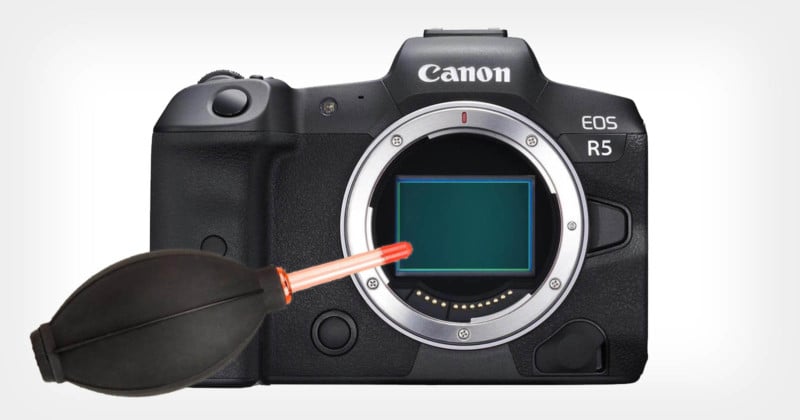
Start with a blower to remove loose dust. This method is safe and simple. Hold the camera upside down. This helps dust fall away from the sensor.
Use a blower designed for cameras. Do not use canned air. The propellant can damage the sensor. Gently squeeze the blower. Aim the nozzle at the sensor.
Move the blower in a circular motion. This ensures all areas are covered. Repeat this step until the sensor looks clean. Check the sensor for remaining particles.
Applying Sensor Cleaning Swabs
After using the blower, it may be time for swabs. These help remove stubborn spots. Choose swabs that fit your sensor size.
Apply a few drops of cleaning solution to the swab. Do not soak it. Gently wipe the sensor in one direction. Use light pressure to avoid damage.
After a few wipes, check the sensor again. Ensure no streaks or spots remain. Repeat if necessary. Always use fresh swabs for best results.
Choosing Sensor Cleaning Products
Cleaning your camera sensor requires the right products. Using safe and effective cleaners is essential. Choosing the wrong products can damage your sensor. Follow these tips for selecting suitable sensor cleaning supplies.
Selecting Safe Cleaners
Always opt for cleaners specifically made for camera sensors. Avoid household cleaners. They may contain chemicals that can harm your sensor.
Use sensor cleaning solutions that are alcohol-based. These solutions evaporate quickly and leave no residue. Check for products that are lint-free.
Understanding Swab Sizes And Types
Swabs come in various sizes. Choose the swab that matches your sensor size. For full-frame sensors, use larger swabs. For crop sensors, smaller swabs work best.
There are different types of swabs as well. Some have a soft tip, while others are made of microfiber. Soft tips are good for general cleaning. Microfiber tips are better for stubborn spots.
Avoiding Common Cleaning Mistakes
Cleaning a camera sensor requires careful attention. Many make the mistake of using improper tools or techniques. Using the right equipment and following safe steps ensures a clean sensor without damage.
Cleaning your camera sensor can be a daunting task, especially if you’re unsure of the right techniques. Many photographers rush into it without fully understanding the process, leading to common mistakes that can damage the sensor. By knowing how to avoid these pitfalls, you can keep your gear in top condition and capture stunning images without the worry of dust spots. Let’s explore some key points to consider, starting with how to handle the sensor delicately and the substances to avoid during cleaning.Handling The Sensor Delicately
Your camera sensor is one of the most sensitive components. Treat it with the utmost care.– Use the right tools: Always opt for specialized sensor cleaning swabs and solutions designed for this purpose. Regular cloths or materials can scratch the delicate surface.– Avoid excessive pressure: When cleaning, apply gentle pressure. Pressing too hard can lead to permanent damage.– Work in a clean environment: Dust and debris can easily settle on the sensor during cleaning. A controlled space reduces the risk of introducing more particles.I remember the first time I cleaned my camera sensor. I was eager and a bit too forceful, which left me with streaks that were difficult to remove. Learning to be gentle made a world of difference in maintaining the sensor’s integrity.Avoiding Hazardous Substances
What you use to clean can be just as important as how you clean.– Stay away from harsh chemicals: Never use household cleaners or alcohol that isn’t specifically formulated for camera sensors. These can damage the protective coating on the sensor.– No cotton swabs: While they seem harmless, cotton swabs can leave lint or residue. Stick to lint-free swabs designed for sensor cleaning.– Check your solutions: Ensure any cleaning fluid is safe for use on sensors. Look for reputable brands and read reviews before you buy.Have you ever thought about what’s actually in those cleaning solutions? Many can do more harm than good if you’re not careful. Always prioritize products meant for camera maintenance to ensure your sensor stays pristine.By keeping these tips in mind, you can avoid common cleaning mistakes and ensure your camera sensor remains in excellent condition. Happy shooting!Advanced Techniques For Stubborn Dirt
Cleaning a camera sensor can be tricky. Sometimes, dust and dirt don’t come off easily. Stubborn spots need special attention. Here are advanced techniques to help you clean your sensor effectively.
Wet Cleaning Methods
Wet cleaning is effective for stubborn dirt. Use a sensor cleaning solution designed for cameras. Make sure it is safe for your sensor type. A few drops on a cleaning swab work well.
Gently swipe the swab across the sensor. Use light pressure to avoid damage. Do not use the same swab multiple times. Always use a new swab for each cleaning.
Professional Tools And Solutions
Consider using professional cleaning tools. These tools are designed for camera sensors. They can remove tough dirt without harm. Look for products specifically made for sensor cleaning.
Some brands offer sensor cleaning kits. These kits often include swabs, solutions, and brushes. Follow the instructions carefully for best results. Clean your sensor regularly to maintain image quality.
Credit: petapixel.com
Maintaining A Clean Camera Sensor
Keeping your camera sensor clean is essential for great photos. A dirty sensor can cause spots and blemishes in your images. Regular maintenance helps you avoid these issues. Here are some helpful tips to keep your sensor clean.
Regular Sensor Check-ups
Check your camera sensor regularly. Use a plain white surface to spot dust. Take a test shot at a high aperture. This helps reveal any dust on the sensor. If you see spots, it’s time for cleaning.
Schedule sensor checks every few months. This prevents dust buildup. Regular checks save time and effort in the long run. A clean sensor equals clear photos.
Protective Practices For Field Work
Protect your camera in the field. Use a lens cap when not shooting. This prevents dust from settling on the sensor. Avoid changing lenses in windy areas.
Use a camera bag with a dust cover. This keeps dirt away during travel. If possible, keep the camera in a controlled environment. These practices help you maintain a clean sensor.

Credit: www.martincphotography.co.uk
Frequently Asked Questions
What Is The Best Way To Clean A Camera Sensor?
To clean a camera sensor, first, use a blower to remove dust. Then, use a sensor cleaning swab and appropriate solution for stubborn spots. Always handle the sensor carefully to avoid damage. Regular cleaning ensures optimal image quality and sensor performance.
Is It Safe To Clean My Own Camera Sensor?
Cleaning your own camera sensor can be risky. Incorrect techniques may damage the sensor or its components. Use proper tools and follow guidelines carefully. If unsure, consider professional cleaning services to avoid potential harm to your camera. Safety should always come first when handling sensitive equipment.
What Can I Use To Clean My Sensors?
Use an air blower or sensor cleaning swabs specifically designed for cameras. Avoid harsh chemicals like alcohol or vinegar, as they can damage the sensor. Always follow the manufacturer’s guidelines for safe cleaning practices. Regular maintenance helps keep your sensors in optimal condition.
Can I Use Alcohol Wipes On A Camera Sensor?
Avoid using alcohol wipes on a camera sensor. They may damage the sensor or its coating. Instead, opt for specialized sensor cleaning solutions or tools designed for camera maintenance. Always prioritize safety and follow manufacturer guidelines for cleaning your camera.
Conclusion
Cleaning your camera sensor is essential for clear images. Regular maintenance keeps your photos free from dust and spots. Follow the steps carefully to avoid damage. Use proper tools designed for sensor cleaning. Always prioritize safety and cleanliness during the process.
Remember, a clean sensor enhances your photography experience. Take your time and do it right. With practice, you can maintain your camera effectively. Enjoy capturing beautiful moments with a spotless sensor. Happy shooting!
As an Amazon Associate, I earn from Qualifying Purchases.