
Are there cameras in movie theaters? Yes, many theaters use cameras for security and safety.
They monitor lobbies, hallways, and sometimes auditoriums. When you enter a movie theater, the focus is usually on enjoying the film. However, the presence of security cameras often goes unnoticed. These cameras serve multiple purposes, from ensuring the safety of patrons to preventing theft or misconduct.
While most movie theaters prioritize the comfort and experience of their guests, they also need to maintain a secure environment. Understanding the role of these cameras can help alleviate concerns about privacy and enhance your overall experience. We’ll explore where these cameras are located and what they monitor, shedding light on this often-overlooked aspect of cinema.
Introduction To Movie Theater Security
Movie theaters prioritize safety and comfort for their guests. Security measures help protect patrons and staff. Cameras play a key role in this process. Understanding how these systems work is important.
Many people have questions about the presence of cameras. Are they everywhere? What do they monitor? This section explores the need for security and common misconceptions.
The Need For Security Measures
Security measures are essential in crowded spaces. Movie theaters attract large audiences. This can lead to safety concerns. Cameras help deter crime and enhance safety.
They monitor entrances, exits, and public areas. Staff can quickly respond to any incidents. Surveillance also protects against theft and vandalism. A secure environment allows everyone to enjoy the film.
Common Misconceptions
Many believe cameras are everywhere in theaters. In reality, they are mainly in public areas. Cameras are often in lobbies and hallways. Few are in actual movie auditoriums.
Some think cameras invade privacy. However, their purpose is to ensure safety. Patrons can feel secure knowing cameras help protect them. Understanding this can ease concerns about surveillance.
Surveillance Equipment In Theaters
Surveillance equipment in movie theaters plays a crucial role in ensuring safety and security for both patrons and staff. You might wonder if those seemingly innocent cameras are monitoring your every move during a thrilling blockbuster. Understanding the types of surveillance tools used can help demystify the atmosphere of your favorite cinema.
Types Of Cameras Used
Most theaters use a variety of cameras designed for different purposes. Common types include:
- Dome Cameras: These are often seen in lobbies and hallways. Their discreet design allows for wide-angle coverage without being too intrusive.
- Bullet Cameras: These are typically used outdoors or in areas where you need focused surveillance. Their shape makes them easily noticeable.
- PTZ (Pan-Tilt-Zoom) Cameras: These allow operators to zoom in on specific incidents. They are especially useful during busy showtimes.
These cameras not only deter criminal activity but also assist in monitoring crowd behavior. When was the last time you thought about the camera above you while munching on popcorn?
Variations Across Theater Chains
The extent of surveillance varies significantly across different theater chains. Major players like AMC and Regal often have comprehensive systems in place, focusing on both public areas and auditoriums.
Some chains might prioritize lobby surveillance while keeping auditorium cameras to a minimum. This means that while you may be observed in common areas, you might enjoy a bit more privacy in the screening rooms.
Have you ever noticed how certain theaters feel more secure than others? That’s likely due to the level of surveillance they maintain.
Understanding the presence and types of cameras in theaters can enhance your movie-going experience. Knowing that safety is a priority may allow you to focus more on the film and less on your surroundings.
Camera Placement Strategies
Cameras are commonly found in movie theaters, primarily in lobbies and hallways. These devices help ensure security and prevent crime. While individual auditoriums may have limited coverage, the presence of surveillance is aimed at maintaining a safe environment for all guests.
Camera placement strategies in movie theaters play a crucial role in maintaining safety and security. Understanding how and where these cameras are installed can shed light on the unseen measures taken to protect both the audience and the venue. Let’s break down the most common areas where these surveillance systems are strategically placed.Lobby And Hallway Monitoring
Cameras are typically placed in the lobby and hallways of movie theaters. This is where crowds gather, making it essential to monitor for any suspicious activity.– Entry points: Cameras are often positioned at the main entrances to capture anyone entering or exiting. This acts as a deterrent for potential troublemakers.– Ticket and concession areas: Surveillance in these sections helps prevent theft and ensures that staff can quickly address any disturbances.– Crowd control: Monitoring lobby traffic can also assist in managing large groups, especially during peak times. Have you ever noticed how smoothly things run when there’s a visible security presence?Auditorium Surveillance Specifics
Cameras inside the auditoriums vary by theater. While some chains install cameras, others prioritize audience privacy.– General coverage: When cameras are present, they’re usually positioned at the back of the auditorium. This allows a wide-angle view of the seating area without intruding on viewers’ experiences.– Emergency response: If an incident occurs, live feeds help security staff respond quickly. This can be critical in ensuring the safety of everyone present.– Behavior monitoring: Some theaters use cameras to monitor behavior patterns, addressing issues like loud talking or texting during screenings. Have you ever been distracted by someone’s phone light?Understanding these camera placement strategies can enhance your movie-going experience. You can feel safer knowing that theaters are taking proactive steps to ensure security while you enjoy your film.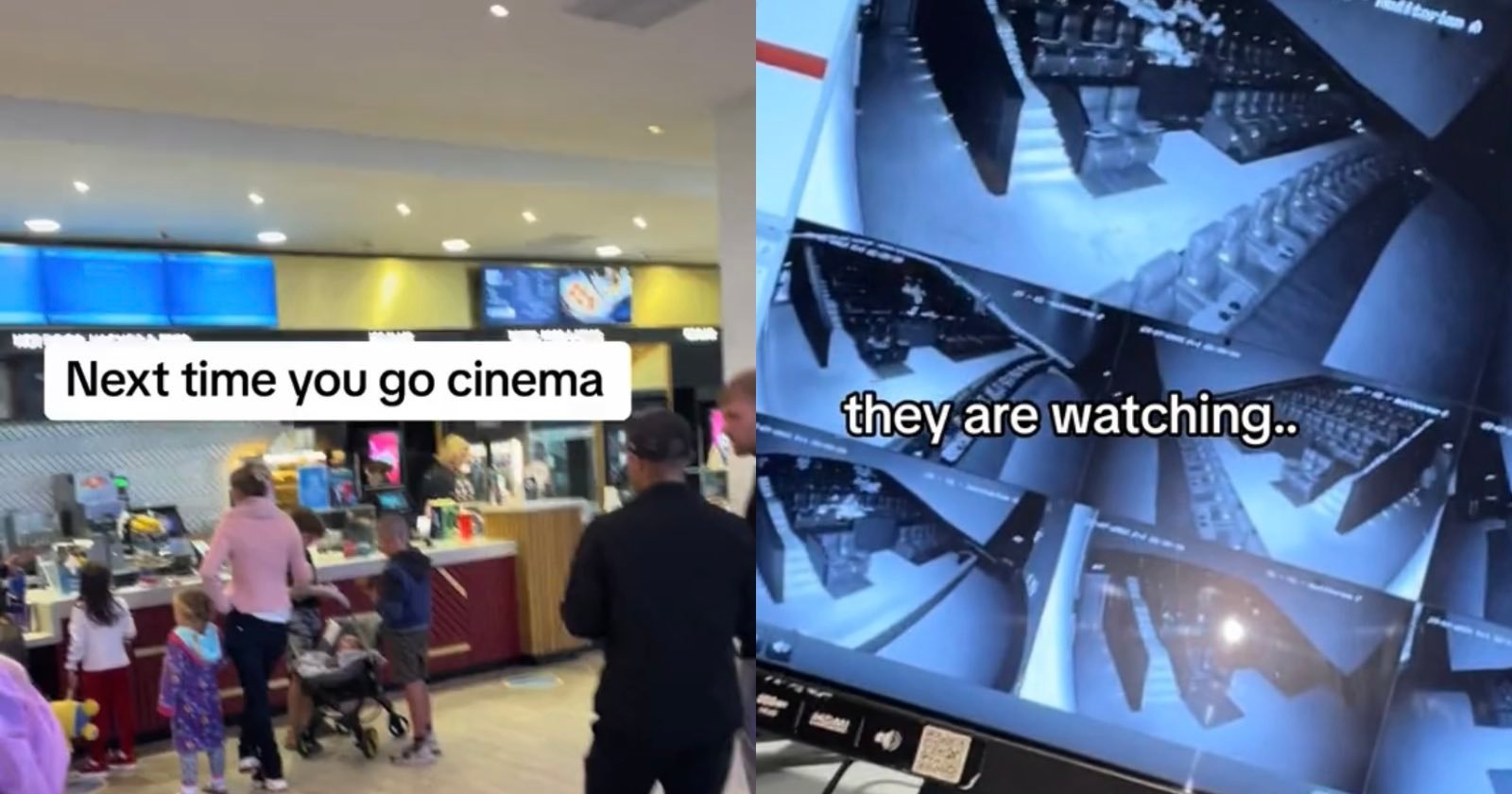
Credit: petapixel.com
Legal Aspects Of In-theater Surveillance
Understanding the legal aspects of surveillance in movie theaters is vital. Many people wonder if their privacy is protected while enjoying a film. The presence of cameras raises questions about privacy laws and theater policies.
Privacy Laws And Regulations
Privacy laws vary by country and state. In many places, recording in public areas is allowed. However, specific rules apply to places like movie theaters. These laws aim to protect personal privacy and ensure reasonable expectations in public spaces.
In the United States, the Fourth Amendment offers some protection against unreasonable searches. However, it mainly applies to government entities. Private businesses, like theaters, have different standards. They can install cameras for security purposes.
Theaters must notify customers about surveillance. Signs may be posted to inform guests. This transparency helps to comply with privacy regulations.
Theater Policies On Recording
Theater policies regarding recording are strict. Most movie theaters prohibit any recording during films. This includes video and audio recordings. Violating this policy can lead to removal from the theater.
Security cameras monitor for any unauthorized recording. They help prevent piracy and ensure a better experience for all viewers. Policies vary by theater chain, but the main goal remains the same: protect the film and respect audience enjoyment.
Customers are encouraged to report any suspicious activity. This helps theaters maintain a safe environment. Awareness of these policies is essential for a smooth movie experience.
Public Safety And Crime Prevention
Movie theaters prioritize the safety of their guests. Cameras play a key role in this effort. They help deter crime and manage emergencies. Many theaters use surveillance to create a safer environment.
Deterrence Of Theft And Vandalism
Cameras in theaters act as a strong deterrent against theft. People are less likely to steal when they know they are being watched. This includes both personal items and theater property. Vandalism also decreases with visible surveillance. Thieves and vandals avoid places where they can be recorded.
The presence of cameras helps maintain order. Staff can monitor behavior in real-time. This observation can prevent disturbances before they escalate. A secure environment enhances the movie-going experience for everyone.
Emergencies And Incident Response
In case of emergencies, cameras are crucial. They assist staff in responding quickly to incidents. Security teams can assess situations through live feeds. This leads to faster action and better outcomes.
Cameras also help in identifying potential threats. They provide valuable information during emergency situations. This improves safety for both guests and employees. The goal is to ensure a safe and enjoyable experience.
Privacy Concerns For Moviegoers
Movie theaters are places of enjoyment and escape. Yet, many people wonder about privacy. Are there cameras watching us while we enjoy a film? This question brings up important privacy concerns. Moviegoers deserve to know how their privacy is protected. Understanding the balance between security and privacy is essential.
Balancing Security With Privacy
Theaters use cameras mainly for safety. They want to protect guests and staff. Cameras help deter crime and ensure a safe environment. However, this surveillance can raise concerns. Where are these cameras located? Do they invade personal space? Most cameras focus on public areas. They monitor hallways and lobbies, not the actual theater seating.
Some guests may feel uncomfortable. They may worry about being watched. The goal should be a balance. Security is vital, but privacy matters too. Movie theaters should clarify camera use. Transparency builds trust with audiences.
Understanding Your Rights
Moviegoers have rights regarding their privacy. Laws protect individuals from unwarranted surveillance. In many places, cameras cannot record audio. They can only capture video in public areas. If you feel uneasy, you can ask theater staff about camera policies.
Awareness is key. Knowing where cameras are located helps. Most theaters post signs about surveillance. This ensures guests know what to expect. Being informed empowers moviegoers. You can enjoy your film while feeling secure.
Identifying Cameras In Theaters
Many people wonder about cameras in movie theaters. Most theaters have security cameras in lobbies and hallways. These cameras help keep the environment safe and secure for everyone.
Identifying cameras in theaters can be a topic that sparks curiosity and concern among moviegoers. Many wonder if they are being watched while enjoying a film. Understanding where these cameras might be located can help you feel more at ease about your privacy during your cinematic experience.Tips To Spot Surveillance Devices
Look for dome-shaped or bullet cameras. These are the most common types of surveillance devices used in theaters. They are typically mounted on ceilings or walls.Observe the entrance and lobby areas. Cameras are often placed here to monitor crowd activity. You might notice them near ticket counters or snack bars.Pay attention to the lighting. If an area is unusually bright, it could indicate the presence of a camera. Some surveillance cameras have infrared capabilities, making them more discreet.If you see security personnel walking around, they may be monitoring feeds from these cameras. Their presence can often signal heightened security measures.The Role Of Theater Staff In Security
Theater staff play a crucial role in maintaining security. They ensure that the environment remains safe and enjoyable for everyone.Staff members regularly conduct checks in auditoriums during screenings. This helps to deter any inappropriate behavior and keeps an eye on the audience.Have you ever felt a sense of reassurance when staff members walk by? Their presence can be comforting, knowing that someone is there to respond to any concerns.Remember, while you may be curious about the cameras, the primary goal is to create a safe atmosphere for all moviegoers. Your experience should be enjoyable, without unnecessary distractions.Future Of Surveillance In Movie Theaters
Surveillance technology continues to evolve. Movie theaters are adapting to these changes. The focus is on improving safety and security for everyone. This raises important questions about privacy and monitoring.
As theaters enhance their security measures, new technologies come into play. The future of surveillance in these venues looks promising yet complex.
Technological Advancements
New technologies are transforming surveillance in movie theaters. High-definition cameras capture clear images. These cameras can cover large areas with fewer devices. Some theaters may use facial recognition technology. This could help identify troublemakers quickly.
Artificial intelligence also plays a role. AI can analyze footage in real-time. It detects unusual behavior and alerts staff. Advanced features make monitoring more effective and less intrusive.
Evolving Security Protocols
Security protocols are changing alongside technology. Movie theaters are adopting stricter measures. Staff training is essential for handling various situations. Employees learn how to respond to security alerts quickly.
Theaters may implement more frequent checks during showings. This ensures that the audience remains safe. Communication between staff and security systems improves response times. These evolving practices aim to create a safer environment for everyone.
Faqs About In-theater Cameras
Many movie theaters do have security cameras. These cameras are mainly located in lobbies and hallways. While individual auditoriums may not have cameras, surveillance is present to ensure safety and monitor activities. This helps prevent theft and maintain a secure environment for all guests.
As you settle into your theater seat, ready for a cinematic adventure, you might wonder about the unseen eyes in the room. Are there cameras in movie theaters, and if so, what are they recording? This section addresses some frequently asked questions about in-theater cameras, offering clarity on their presence and function.Are Night Vision Cameras In Use?
Night vision cameras are not commonly used in movie theaters. Most theaters rely on standard security cameras equipped for regular lighting conditions.While the thought of being watched in complete darkness sounds unsettling, theaters typically use cameras in well-lit areas like lobbies and hallways.If you notice dome-shaped cameras, they are there for your safety, not for nighttime surveillance. They help deter theft and ensure a secure environment for all moviegoers.Can Theaters Record Audio?
The short answer is no, most theaters do not record audio. Surveillance systems in place are primarily focused on capturing video footage to monitor security situations.Theaters are very conscious of privacy concerns and generally avoid audio recording to respect your personal space.While you might hear whispers or laughter around you, rest assured that your conversations remain private. Isn’t that a relief as you enjoy the film?Understanding the technology in place can enhance your movie-going experience. Do you feel more comfortable knowing that your privacy is protected while you enjoy the latest blockbuster?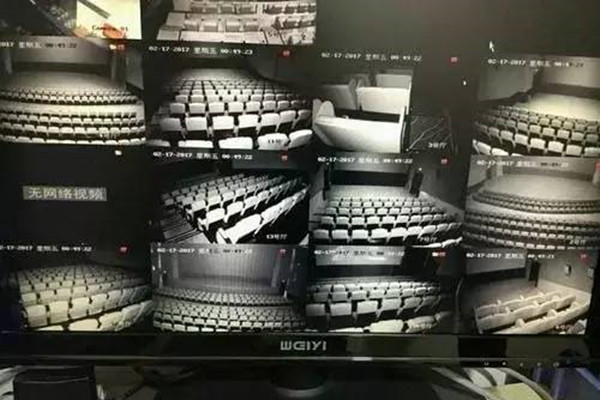
Credit: www.newsgd.com

Credit: www.instagram.com
Frequently Asked Questions
Are There Cameras Inside A Movie Theater?
Most movie theaters do have security cameras installed. These cameras are typically located in lobbies, hallways, and sometimes auditoriums. They help ensure safety and prevent misconduct, although coverage may vary by location.
Can We Make Out In A Movie Theater?
Making out in a movie theater is common among couples. It’s best to sit away from others for privacy. Keep actions discreet and respectful. Be aware that security cameras might monitor the area. Always consider the comfort of fellow moviegoers.
Are You Being Watched In The Movie Theater?
Yes, most movie theaters have security cameras in the lobbies, hallways, and sometimes in auditoriums. These cameras monitor for safety and security. Staff can also observe from the projection booth during checks. Privacy varies by location and theater chain.
Where Are The Cameras Located In The Movie Theater?
Cameras in movie theaters are typically located in auditoriums, hallways, and lobbies. They monitor security, prevent theft, and ensure safety. Most major chains use basic surveillance systems, with greater coverage in common areas than inside individual screening rooms.
Conclusion
Cameras in movie theaters are common for safety reasons. They help prevent crime and ensure a secure environment. Most theaters monitor public areas, like lobbies and hallways. Less frequently, they may use cameras in screening rooms. Understanding this can ease concerns about privacy.
Enjoy your movie with the knowledge that safety measures are in place. Stay aware, but relax. Your experience remains a priority in these spaces.
As an Amazon Associate, I earn from Qualifying Purchases.