
Camera flash rarely causes lasting harm, but bright flashes can cause short-term discomfort.
I have worked with cameras and lighting for years and studied eye-safety guidance from clinicians and industry. This article answers the key question: Can Camera Flash Cause Eye Problems. I will explain how flashes affect the eye, who is at risk, what science says, and practical steps you can take to stay safe. Read on for clear, evidence-based guidance and hands-on tips from real-world experience.
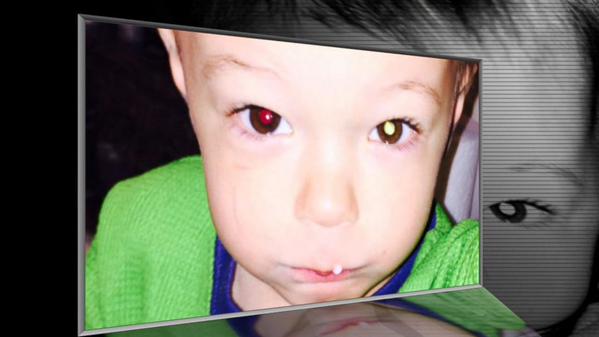
How camera flash works and why it affects your eyes
A camera flash is a brief burst of bright light produced by a strobe or LED. The light floods the pupil and briefly overwhelms normal vision. Bright light causes two short effects: pupil constriction and temporary bleaching of photoreceptors in the retina.
A flash is very short. Most flashes last a fraction of a millisecond to a few milliseconds. The duration means most flashes do not heat or burn tissue. But the brightness can trigger glare, afterimages, or temporary visual impairment.
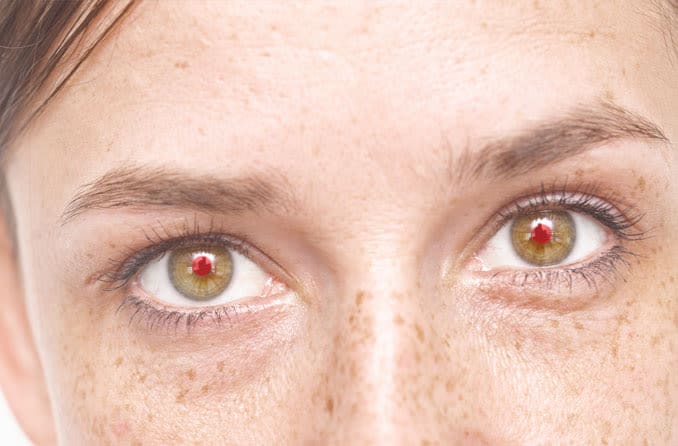
Can Camera Flash Cause Eye Problems?
Many people ask directly: Can Camera Flash Cause Eye Problems. For most people, the answer is no for long-term damage. Short-term effects like spots, afterimages, and glare are common but usually resolve in seconds to minutes.
However, certain situations raise concern. Repeated exposure to very intense lights, specific medical conditions, or unusual flash distances could increase risk. I will break down the science, risks, and common-sense precautions so you can make smart choices.
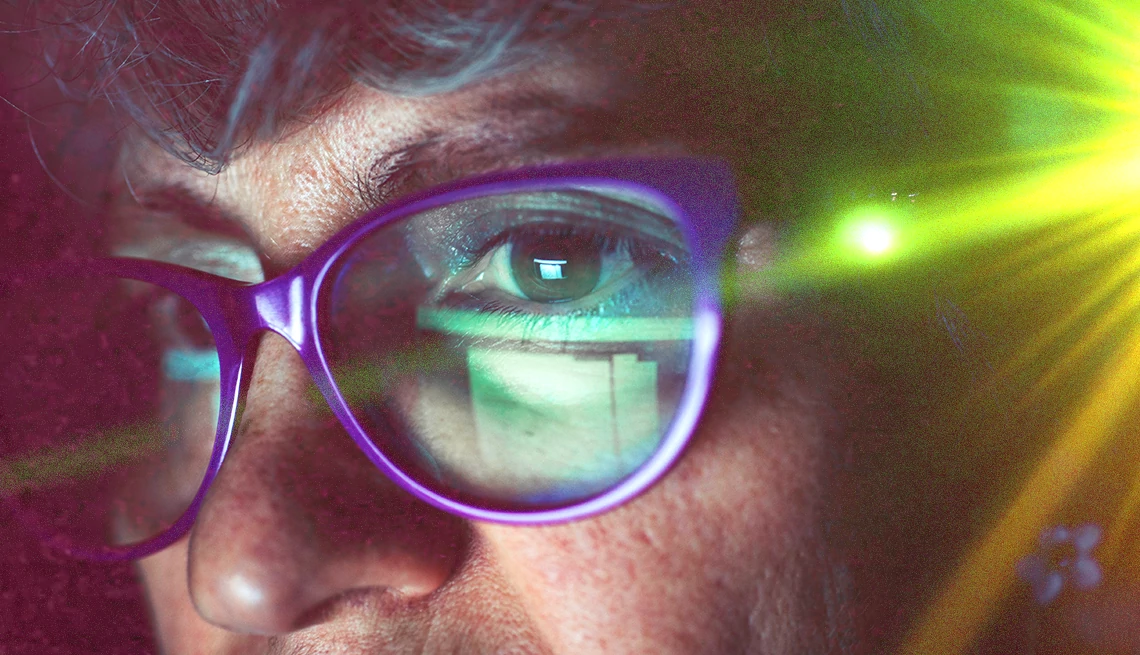
Immediate effects: what you might feel after a flash
A single flash can cause several transient symptoms. Common effects include:
- Afterimages or bright spots that fade within seconds to minutes.
- Glare that temporarily reduces contrast and reaction time.
- Startle response or discomfort, especially in dark settings.
These outcomes are uncomfortable but usually harmless. If you notice pain, prolonged vision loss, or changes that last more than 24 hours, seek medical care.
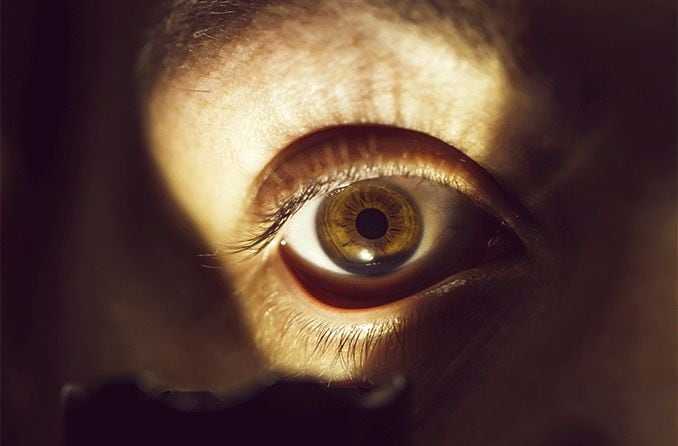
Long-term risks and what research shows
The risk of long-term retinal damage from ordinary camera flash is very low. Studies and safety reviews show that typical consumer flashes do not deliver enough energy to burn or permanently damage retinal tissue. The eye’s blink reflex and pupil constriction offer protection.
That said, repeated exposure to extremely bright studio strobes at close range or specialized high-intensity lights could pose more risk. Also, flashes do not cause cataracts or macular degeneration in normal use. When discussing whether Can Camera Flash Cause Eye Problems, it’s important to separate common flashes from professional setups that use much higher output.
Who is more vulnerable
Certain people should be cautious around bright flashes. Higher-risk groups include:
- Infants and very young children, because their pupils are larger and lenses are more transparent.
- People with recent eye surgery, such as retina or cornea procedures.
- Individuals with retinal diseases or compromised ocular tissues.
- People with photosensitive epilepsy, who can have seizures triggered by flashing lights.
If you belong to one of these groups, discuss flash exposure with your eye doctor or photographer before sessions.

Types of flash, exposure factors, and why they matter
Not all flashes are the same. Key factors that change impact include:
- Intensity: Studio strobes are far brighter than camera-mounted flashes.
- Distance: Light intensity decreases rapidly with distance. Close flashes are stronger.
- Duration: Short bursts often cause less total energy exposure than long continuous lights.
- Repetition: Many rapid repeated flashes increase cumulative exposure.
- Wavelength: Some lights have stronger blue content, which can cause more glare and discomfort.
When considering Can Camera Flash Cause Eye Problems, think about the intensity and how close the subject is. Simple changes lower risk.

Practical safety tips for photographers and subjects
Follow these everyday tips to reduce risk and improve comfort:
- Keep a sensible distance from studio strobes and direct flashes.
- Use diffusers and bounce flash to soften light and cut glare.
- Avoid pointing bright flashes directly into infants’ or patients’ eyes.
- Limit repeated bursts aimed at the same person in short intervals.
- Warn subjects before firing the flash so they can avert their eyes or blink.
I always carry a small diffuser and ask clients to look slightly away for close shots. This reduces startle and keeps everyone comfortable.
Common concerns (PAA-style questions)
Can repeated camera flash damage eyesight permanently?
Typical repeated use of consumer flashes does not cause permanent eye damage. Only very high-energy, close-range exposures from specialized equipment could pose a higher risk.
Does flash cause macular degeneration?
There is no evidence that normal camera flash use causes macular degeneration. Long-term eye diseases are related to age, genetics, and other environmental factors.
Can camera flash trigger seizures?
Yes, flashing lights can trigger seizures in people with photosensitive epilepsy. Use caution and avoid rapid, high-contrast flashes around susceptible individuals.
My experience: lessons from shooting and studio work
I have taken thousands of photos in dark rooms and studios. Once, I used a bare strobe too close to a child model and the child blinked and cried from the shock. I learned to always use a diffuser and to warn subjects first.
Practical lessons I share:
- Test light setups on an adult first to estimate comfort.
- Use lower power settings and increase ISO or aperture instead of blasting more light.
- For newborns, rely on ambient light or gentle continuous LEDs rather than flash.
Myths versus facts
Many myths circulate about flash and eye health. Common myths and truths:
- Myth: A single camera flash will blind you. Fact: A single flash causes temporary discomfort, not blindness.
- Myth: Red-eye reduction is harmful. Fact: Red-eye lamps use low light and reduce pupil size, and are not dangerous.
- Myth: Flash causes cataracts. Fact: No evidence links standard flash use to cataracts.
When asking Can Camera Flash Cause Eye Problems, distinguish myths from evidence-based facts.
What to do if you or someone feels unwell after a flash
If you experience extended symptoms after a flash:
- Rest your eyes and avoid screens for a while.
- If you feel pain, notice persistent spots, or have vision changes lasting more than 24 hours, contact an eye care professional.
- Report any seizure activity to emergency services immediately.
Quick action helps rule out rare but serious complications.
Frequently Asked Questions of Can Camera Flash Cause Eye Problems
Can Camera Flash Cause Eye Problems for newborns?
Newborns can be more sensitive to bright light, so avoid direct flashes. Use soft ambient light for infant photos whenever possible.
Can camera flash trigger migraine or headaches?
Yes, bright or sudden flashes can trigger migraines or headaches in sensitive people. Take measures like blinking, looking away, or using softer lighting.
Is repeated flash exposure at events harmful?
Normal event flash photography is unlikely to cause long-term harm. Still, continuous rapid flashes may be uncomfortable for some guests.
Can I use flash after eye surgery?
Always follow your eye surgeon’s instructions. Many surgeons recommend avoiding bright flashes for a period after surgery.
Do phone camera flashes cause eye damage?
Phone flashes are low power and rarely cause damage. They can cause short-lived glare or afterimages, especially in dark rooms.
Conclusion
Camera flash can cause discomfort, afterimages, and temporary vision disturbance, but ordinary use rarely leads to lasting harm. Knowing the difference between common flashes and very high-intensity lighting helps you answer Can Camera Flash Cause Eye Problems with confidence. Take simple steps like using diffusers, keeping distance, and warning vulnerable people to stay safe and comfortable. Try these tips on your next shoot, share your experiences in the comments, or subscribe for more practical lighting and eye-safety advice.
As an Amazon Associate, I earn from Qualifying Purchases.