
Have you ever wondered if pointing your camera at the sun could cause damage? It’s a common concern among photographers, both amateur and professional.
You might think that capturing the beauty of a sunset or a solar eclipse is worth the risk, but is it really safe? Understanding the potential dangers can save you from costly repairs or replacements. We’ll delve into the science behind camera sensors and sunlight, and offer you practical tips to keep your gear safe while still capturing stunning images.
By the end, you’ll be equipped with the knowledge to photograph the sun without fear. Keep reading to ensure your photography adventures remain worry-free!
Potential Risks Of Pointing A Camera At The Sun
Pointing a camera directly at the sun can cause serious damage. The sun’s intense light may harm the camera sensor, especially with telephoto lenses. Even brief exposure can lead to overheating or permanent damage, so using a solar filter is crucial for safe photography.
Pointing your camera at the sun might seem like a harmless endeavor, especially if you’re after that perfect shot. However, the potential risks involved can lead to significant damage to your equipment. Understanding these risks is crucial if you want to preserve your camera’s longevity and performance. Let’s break down the specific dangers associated with photographing the sun.
Sensor Damage From Intense Light
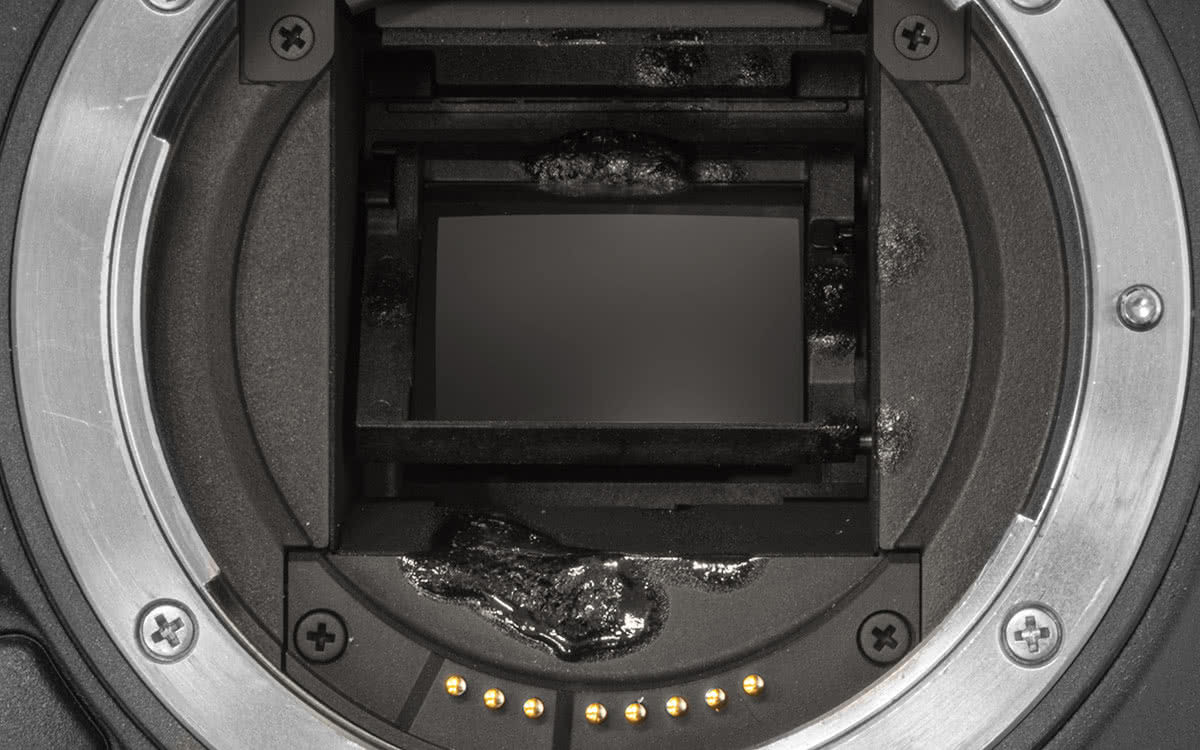
Directly pointing your camera at the sun can cause severe sensor damage. The intense light can overwhelm the sensor, leading to permanent spots or even complete failure.
Many photographers have shared stories of their cameras malfunctioning after attempting to capture the sun’s brilliance without proper filters. Don’t let your camera be the next casualty of this oversight!
Impact Of Long Exposures
Taking long exposures of the sun is another risky move. Even without a telephoto lens, the extended time can overload your sensor.
Imagine setting up for a beautiful sunset shot, only to find that your camera has been damaged because you didn’t consider the exposure duration. Short bursts are safer; keep your shutter speed quick to avoid potential harm.
Risks For Dslr Vs Mirrorless Cameras
Different camera types face varying levels of risk when exposed to direct sunlight. DSLRs often have optical viewfinders, which can protect the sensor to some extent.
On the other hand, mirrorless cameras use electronic viewfinders, leaving the sensor exposed longer during shooting. If you own a mirrorless camera, you should be extra cautious about how you frame your shots.
Effects On Older Camera Models
Older camera models may be more susceptible to damage from sunlight exposure. Their sensors may not have the same protective technology as newer models, making them vulnerable to permanent damage.
If you’re using vintage equipment, consider investing in a solar filter. It’s a small price to pay to ensure your cherished camera remains functional for years to come.
Taking pictures of the sun can be captivating, but it’s essential to prioritize your camera’s health. What measures do you take to protect your gear while shooting in bright conditions?

Credit: www.reddit.com
Factors That Increase The Risk
Pointing a camera at the sun can be risky. Direct sunlight can damage the camera sensor, especially with telephoto lenses. Long exposures and older cameras are particularly vulnerable to this kind of harm. Always use a solar filter for safe photography of the sun.
Understanding the factors that increase the risk of damaging your camera when pointing it at the sun is crucial for any photographer. While capturing breathtaking images of the sun can be exhilarating, certain practices can lead to irreversible damage. Let’s explore some specific factors that heighten this risk and how to mitigate them.
Using Telephoto Lenses
Telephoto lenses can amplify the sun’s intensity, making them particularly risky. The longer focal length focuses more light onto the camera sensor.
Imagine you’re trying to capture a stunning sunset. If you’re using a telephoto lens, you might unknowingly be exposing your sensor to concentrated sunlight. This can lead to overheating and permanent damage.
Always be cautious with your choice of lens. If you must use a telephoto lens, consider using a solar filter to protect your camera.
Prolonged Use Of Live View
Live View mode can be a handy feature for composing shots, but it also poses risks when photographing the sun. In this mode, your camera sensor remains exposed for extended periods.
Have you ever found yourself adjusting settings while the camera is pointed directly at the sun? This can lead to overheating and sensor damage.
To avoid this, limit your time in Live View and quickly compose your shot. Using optical viewfinders can also help minimize exposure to harmful sunlight.
Extreme Heat And Direct Sunlight Exposure
Leaving your camera in direct sunlight or in a hot environment can lead to significant damage. Cameras are sensitive to extreme heat, which can affect internal components and the sensor.
Consider the last time you left your gear in a parked car on a sunny day. The internal temperature can rise quickly, risking permanent damage.
To protect your equipment, store your camera in a cool, shaded area. Always be aware of your surroundings to avoid unnecessary exposure to heat and sunlight.
By paying attention to these factors, you can enjoy capturing the beauty of the sun while keeping your camera safe and sound. What precautions do you take to protect your gear?
Safe Practices For Photographing The Sun
Pointing your camera directly at the sun can damage its sensor. The intense light may overload the camera, especially with long exposures. To protect your gear, use a solar filter and avoid direct sun exposure whenever possible.
Photographing the sun can be a thrilling experience, offering unique and stunning visuals. However, it also comes with risks to your camera equipment. Understanding safe practices for photographing the sun is crucial to protect your gear and capture amazing images at the same time.
Using Specialized Solar Filters
Using a specialized solar filter is non-negotiable when photographing the sun directly. These filters drastically reduce the sun’s brightness, allowing you to capture clear, detailed images without risking damage to your camera’s sensor.
Investing in a quality solar filter is worth it. You can find options designed specifically for your camera type, whether it’s a DSLR or a mirrorless model.
Have you ever tried photographing a solar eclipse? A solar filter is essential during such events, as the sun’s brightness can be overwhelming.
Benefits Of Lens Hoods
A lens hood is another helpful tool to keep in your photography kit. It not only helps reduce lens flare but also shields your lens from stray light.
Using a lens hood can improve image contrast and overall quality. It acts as a barrier, minimizing the risk of accidental sunlight exposure on your sensor.
Consider this: have you noticed how much clearer your photos become when using a lens hood? You might be surprised by the difference it makes.
Limiting Exposure Time
Limiting your exposure time is vital when shooting the sun. The longer your camera sensor is exposed to direct sunlight, the greater the risk of damage.
Keep your exposure times short, especially if you aren’t using a solar filter. Quick shots can help you avoid overheating your equipment.
Think about this—what if you set a timer to remind you to switch angles or take a break? It could save your camera from overheating and give you more creative options.
Alternatives To Direct Sun Photography
If you want to avoid the risks associated with photographing the sun directly, consider alternatives. You can capture beautiful sunsets or sunrises, where the sun is lower in the sky and less intense.
Another option is to photograph landscapes or subjects that are illuminated by the sun without directly aiming at it. This can create dramatic and beautiful effects without the risk of damaging your camera.
Have you tried capturing reflections of the sun in water or shiny surfaces? It’s a fantastic way to achieve stunning results while keeping your camera safe.
By implementing these safe practices, you can enjoy photographing the sun while protecting your gear. Remember, the right tools and techniques make all the difference!
Credit: www.fixationuk.com
Tips For Different Camera Types
Pointing a camera directly at the sun can cause damage. The intense light can harm the sensor, especially with long exposures. Using a solar filter and avoiding direct sunlight will help protect your camera while capturing beautiful images.
Understanding how to safely photograph the sun is crucial for any photography enthusiast. Different camera types have unique vulnerabilities when exposed to direct sunlight. Here are some tailored tips for your DSLR, mirrorless, and smartphone cameras to keep them safe while capturing those stunning solar shots.
Dslr Camera Precautions
Using a DSLR camera requires careful handling when aiming at the sun. First, always use a solar filter. This filter prevents intense sunlight from damaging your sensor. Without it, even a brief exposure can lead to permanent damage.
Another tip is to avoid long exposure times. If you’re shooting in manual mode, set a fast shutter speed. This prevents the sensor from being overloaded with light.
Be cautious with your viewfinder as well. Looking through it while pointing at the sun can harm your eyesight. Use Live View to frame your shots instead.
Mirrorless Camera Considerations
Mirrorless cameras are not immune to sun damage either. Just like with DSLRs, using a solar filter is a must. It’s your first line of defense against bright sunlight.
Keep an eye on your camera’s temperature. Mirrorless cameras can overheat quickly when exposed to direct sunlight. If you notice your camera getting warm, take a break in the shade.
Using the electronic viewfinder can also expose your eyes to excessive light. Stick to the screen for composing your shots and maintain safety.
Smartphone Camera Safety Tips
Smartphones may seem less vulnerable, but they can still be damaged by the sun. Start by avoiding direct sunlight exposure. If you’re capturing a sunset or sunrise, try to angle your phone away from direct sunlight.
Consider using an external lens filter. These filters can help reduce glare and protect your camera lens from potential damage.
Finally, remember to take breaks. Continuous exposure to harsh sunlight can cause your smartphone to overheat. Allow it to cool down to ensure optimal performance.
Are you ready to safely capture the sun’s beauty with your camera? With these tips, you can enjoy stunning photography without risking damage to your equipment.
Common Misconceptions
Many people worry about pointing their camera at the sun. They believe it will damage the camera. This fear often comes from misunderstandings about how cameras work. Let’s clear up some of these misconceptions.
Short Exposure Myths
Some think short exposures are completely safe. They believe it won’t harm the camera at all. While short exposures are less risky, they can still cause issues. A sudden burst of sunlight can overwhelm the sensor. This can lead to temporary effects, like a bright spot in images.
Using a lens with a long focal length increases the risk. Telephoto lenses concentrate sunlight onto the sensor. It’s important to be cautious, even with short exposures.
Backlighting With The Sun
Backlighting with the sun can create stunning photos. Many assume this technique is harmful. In reality, it can be done safely. The key is to avoid direct sunlight on the lens. If the sun is just out of frame, you can achieve beautiful results without risking damage.
Using a lens hood can help block stray light. This protects your sensor while allowing creative photography.
Misunderstanding Sensor Durability
People often underestimate sensor durability. They believe all sensors are equally vulnerable. This is not true. Newer cameras have improved technology. They are better at handling bright light. Older models may be more sensitive to sun exposure.
Even so, no camera is invincible. Prolonged exposure can lead to damage over time. Protect your camera with proper techniques and filters.

Credit: www.reddit.com
The Role Of Solar Photography Tools
Pointing a camera directly at the sun can cause damage. The intense light may overload the sensor, especially with telephoto lenses. To safely capture the sun, use a solar filter and avoid prolonged exposure. Protect your equipment by keeping it cool and shaded.
When it comes to photographing the sun, using the right tools is essential. Solar photography tools not only help you capture stunning images but also protect your camera from potential damage. Without proper equipment, you risk harming your camera’s sensor, which can be costly to repair. Let’s take a look at some key tools that can make your solar photography experience safe and rewarding.
Neutral Density Filters
Neutral density (ND) filters are a photographer’s best friend when shooting the sun. They reduce the amount of light entering your lens without altering the colors in your images. This allows you to take longer exposures without overexposing your shots.
Using an ND filter can create stunning effects, like softening the sun’s harsh rays. It also helps you achieve a more balanced exposure, especially during sunrise or sunset. Have you ever tried capturing the sun dipping below the horizon? An ND filter can enhance those vibrant colors.
Solar Filters For Safety
Solar filters are crucial for safe solar photography. Unlike ND filters, these are specifically designed to block out harmful solar radiation. They prevent damage to your camera sensor and your eyesight.
When using a solar filter, you can point your camera directly at the sun without worry. Always ensure the filter fits securely on your lens before shooting. Have you ever considered how a simple filter can save your equipment?
Tripod Usage For Stability
Stability is key in solar photography, and using a tripod can make a significant difference. A sturdy tripod reduces camera shake, allowing for crisp, clear images. It’s particularly useful during longer exposures or when using heavy lenses.
Imagine trying to capture the sun’s details as it sets while holding your camera in hand. It can be tricky! With a tripod, you can focus on composing the perfect shot instead of worrying about stability.
Investing in quality solar photography tools pays off. Not only will you protect your gear, but you’ll also elevate your photography game. Are you ready to capture breathtaking solar images safely?
When It Is Safe To Point At The Sun
Understanding when it’s safe to point your camera at the sun is crucial. Many photographers wonder about the risks involved. Knowing the right techniques can help you capture stunning solar images without damaging your equipment.
Short Duration Photography
Limit your exposure time when photographing the sun. Short bursts of just a few seconds are ideal. This reduces heat buildup on your camera’s sensor. Quick shots also minimize the risk of damage. Always be ready to take the shot and avoid prolonged exposure.
Using Protective Equipment
Using a solar filter is essential for sun photography. This filter blocks harmful rays that can harm your camera. Without it, your sensor is at risk. A lens hood can also help block unwanted light. These tools ensure safe and effective sun captures.
Best Times To Capture Sun Images
The best times to photograph the sun are during sunrise or sunset. At these times, the sun is lower in the sky. The light is softer and more colorful. Avoid midday when the sun is harsh. This will help you achieve beautiful images with less risk.
How To Protect Your Camera
Protecting your camera from sun damage is essential. Proper care helps maintain its performance. Here are some effective ways to shield your camera.
Storage In Cool, Shaded Areas
Store your camera in cool, shaded areas. High temperatures can harm sensitive parts. A temperature-controlled environment is best. Avoid leaving your camera in direct sunlight. Choose a bag that offers protection from heat.
Avoiding Hot Car Environments
Never leave your camera in a hot car. Cars can become ovens on sunny days. Even a short time in a hot car can cause damage. Bring your camera with you when you exit the vehicle. This simple step can save it from overheating.
Routine Camera Maintenance
Regular maintenance keeps your camera in top shape. Clean the lens and sensor often. Dust and dirt can affect image quality. Check for any signs of wear or damage. Address issues promptly to avoid bigger problems later.
Frequently Asked Questions
Can You Point Your Camera Directly At The Sun?
Pointing your camera directly at the sun can damage the sensor. Short bursts may be safe, but avoid prolonged exposure. Always use a solar filter for protection. Taking photos with a telephoto lens increases the risk of damage significantly. Protect your equipment to ensure its longevity.
Can Cameras Be Damaged By The Sun?
Yes, cameras can be damaged by the sun. Pointing a lens directly at the sun can overheat the sensor, especially with long exposures. Older models are more vulnerable. Always use a solar filter and avoid direct sunlight to protect your camera from potential damage.
Will Pointing Iphone Camera At Sun Damage It?
Pointing your iPhone camera at the sun can damage its sensor. Direct sunlight exposure, especially for long periods, risks permanent damage and affects performance. Always avoid prolonged direct exposure when photographing the sun to protect your device.
Is It Bad To Point Camera At Sun Reddit?
Pointing your camera at the sun briefly usually doesn’t cause damage. Long exposures or using a telephoto lens can harm the sensor. For safety, always use a solar filter and avoid extended direct exposure, especially with mirrorless cameras. Protect your equipment to ensure optimal performance.
Conclusion
Pointing your camera at the sun can be risky. It can damage your camera’s sensor. Always use a solar filter for safety. Short exposures are safer than long ones. Remember to protect your equipment from extreme heat. Using a lens hood helps reduce unwanted light.
Store your camera in a cool, shaded place. Understanding these tips keeps your gear safe. Enjoy capturing beautiful images, but do so wisely. Stay informed and protect your camera while exploring photography.
As an Amazon Associate, I earn from Qualifying Purchases.