
Have you ever wondered why digital cameras seem to come with such hefty price tags? If you’re in the market for a new camera, you might find yourself asking this very question.
You’re not alone. Many photography enthusiasts and casual users alike feel the sting of high prices when shopping for digital cameras. But the costs aren’t just arbitrary; they stem from a combination of advanced technology, quality materials, and the unique features that modern cameras offer.
We’ll break down the key factors that contribute to the high prices of digital cameras. By the end, you’ll have a clearer understanding of what makes these devices worth the investment. Whether you’re a budding photographer or a seasoned pro, knowing the reasons behind the costs can help you make informed decisions for your next purchase. Let’s dive in and uncover the truth about why digital cameras can be so expensive. Your perfect shot may just depend on it!
Advanced Camera Technology
Digital cameras use advanced technology to capture stunning images. This technology includes high-quality sensors, powerful processors, and precise autofocus systems. Each element contributes to the overall performance. High-end components drive up the price. Let’s explore the key technologies behind these costs.
High-quality Sensors
High-quality sensors are crucial for image quality. They capture more light and detail. The most common types are CCD and CMOS sensors. CMOS sensors are often preferred for their speed and efficiency. These sensors improve low-light performance significantly. A better sensor means clearer, sharper images. This advanced technology raises manufacturing costs.
Processor And Image Processing
The processor in a camera affects speed and image quality. It handles data from the sensor. Faster processors enable quick shooting and processing. Image processing algorithms improve color accuracy and reduce noise. These advanced systems require complex engineering. Better processors lead to higher costs. Manufacturers invest in research to develop these technologies.
Autofocus And Stabilization Systems
Autofocus systems play a vital role in photography. They ensure sharp focus on subjects. Advanced autofocus technology uses multiple points and tracking features. This precision is essential for action shots. Stabilization systems reduce blur from shaky hands. They help in low-light conditions. These features improve the shooting experience. Their complexity adds to the camera’s price.
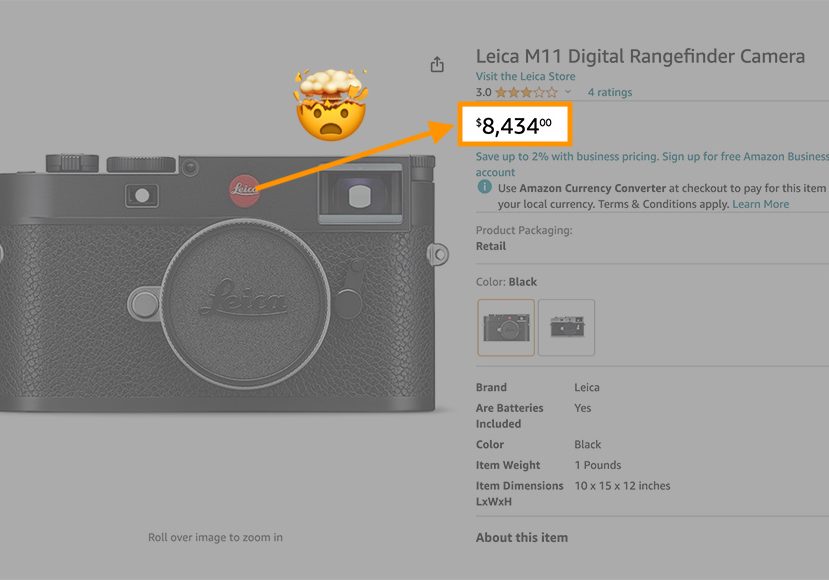
Credit: shotkit.com
Premium Build Materials
Digital cameras often come with a high price tag. One key reason is the premium build materials used in their construction. These materials enhance the camera’s durability and performance. Let’s explore how these factors contribute to the overall cost.
Durable Body Construction
Manufacturers use strong materials like magnesium alloy or carbon fiber. These materials resist impacts and scratches well. A durable body ensures longevity for your investment. Cheaper cameras use plastic, which can break easily. A solid build protects internal components from damage.
Weather Sealing Features
Many high-end cameras feature weather sealing. This means they can withstand rain, dust, and extreme temperatures. Sealed cameras are ideal for outdoor photography. They allow photographers to shoot in various conditions without worry. This extra protection adds to the manufacturing cost.
Precision Engineering
Top-tier cameras require precision engineering. Each part is crafted with accuracy to ensure optimal performance. This attention to detail improves focus speed and image quality. Quality control processes also increase production costs. Skilled labor is necessary to achieve these high standards.
Research And Development Costs
Digital cameras are not just simple devices. They involve extensive research and development. This process adds significantly to their price. Companies invest heavily to stay competitive in the market.
Innovation In Sensor Design
Sensor design is crucial for camera performance. Engineers work hard to create sensors that capture stunning images. New materials and technologies lead to better image quality. This innovation costs a lot of money. Research teams study light sensitivity and color accuracy. Each improvement increases production expenses.
Development Of New Features
Camera features evolve rapidly. Manufacturers aim to meet user demands. New features like enhanced autofocus and image stabilization require significant investment. Engineers design and test these features thoroughly. Each addition aims to improve user experience. This constant evolution drives up development costs.
Testing And Quality Assurance
Quality assurance is vital for digital cameras. Rigorous testing ensures each camera performs well. Companies conduct tests in various conditions. They check for durability and reliability. This process can be time-consuming and expensive. High standards are necessary to maintain brand reputation.
Economic Factors
The price of digital cameras is influenced by various economic factors. Understanding these factors helps explain why they can be costly. These elements include supply chain issues, market trends, and currency changes.
Global Supply Chain Challenges
The global supply chain faces many obstacles. The pandemic caused delays in production. Factories closed or reduced output. This led to fewer cameras available in the market. Demand for cameras remained high, driving prices up.
Shipping costs have also increased. Transportation disruptions affect the delivery of camera parts. This adds extra costs for manufacturers, which they pass on to consumers.
Impact Of Market Trends
Market trends significantly influence camera prices. The rise of content creation has increased demand for high-quality cameras. Influencers and creators seek better equipment for their work. This surge in demand boosts prices across the board.
New technology in cameras also raises costs. Features like improved sensors and advanced autofocus systems are more expensive to produce. Consumers often pay more for the latest models with cutting-edge technology.
Currency Fluctuations
Currency values affect the cost of digital cameras. Changes in exchange rates can make imports more expensive. Companies that source parts globally face higher costs when their currency weakens.
These fluctuations create price instability in the market. Consumers may see prices rise unexpectedly due to changes in currency values.
Professional-grade Performance
Digital cameras can be costly due to their professional-grade performance. This level of quality is essential for serious photographers. They need cameras that deliver exceptional results. Let’s explore why these cameras stand out in three main areas.
Superior Image Quality
Professional cameras use advanced sensors. These sensors capture more detail. They provide clearer and sharper images. High-resolution images are crucial for large prints. They allow for more cropping options without losing quality. This superior image quality drives up the price.
Low-light Capabilities
In challenging lighting, professional cameras excel. They can perform better in low-light settings. This capability is due to larger sensors and better lenses. Photographers can shoot in darker environments without losing detail. This feature is vital for events like weddings or concerts. It adds to the overall cost of the camera.
Customization And Versatility
Professional-grade cameras offer extensive customization. Photographers can adjust settings to fit their needs. This includes manual controls over exposure, focus, and ISO. Such flexibility allows for creative expression. Additionally, these cameras support various lenses and accessories. This versatility makes them suitable for different photography styles. It also contributes to their higher price.
Limited Market Scale
Digital cameras are often seen as luxury items, and one reason for their high price is the limited market scale. Unlike smartphones, which appeal to a vast audience, digital cameras cater to a niche group of photography enthusiasts and professionals. This restriction in audience size significantly impacts the overall pricing structure.
Niche Audience Targeting
The primary buyers of digital cameras include hobbyists, professionals, and serious photographers. These individuals prioritize quality and advanced features over price. As a result, manufacturers focus on creating high-end products tailored to meet the specific needs of this audience.
This targeted approach means that marketing strategies and product designs are not aimed at the average consumer. Instead, brands invest heavily in features like superior sensors, advanced autofocus systems, and robust build quality. Do you find yourself drawn to brands that speak directly to your passion for photography?
Lower Production Volumes
Unlike mass-produced electronics, the production volumes for digital cameras are relatively low. This limited production leads to higher per-unit costs. Manufacturers face increased expenses in research, development, and manufacturing processes.
Smaller production runs mean that companies can’t benefit from economies of scale. Each camera requires significant investment in technology and craftsmanship, which contributes to its overall cost. Have you ever wondered why some camera brands are known for their exclusivity?
Higher Per-unit Costs
The combination of niche targeting and lower production volumes results in higher per-unit costs for digital cameras. Each camera is built with precision and care, often using high-quality materials. This craftsmanship is vital for achieving the performance and durability that serious photographers demand.
Additionally, advanced technology like larger sensors and better lenses also drives up costs. If you compare a digital camera to a smartphone, you’ll notice that the latter can spread its research and development costs across millions of units. This disparity makes it clear why a dedicated digital camera comes with a heftier price tag.
Are you ready to invest in a camera that meets your passion for capturing moments, despite the price? Understanding these factors can help you make an informed decision about your next photography investment.
Comparison To Smartphone Cameras
Digital cameras are often pricier than smartphone cameras. Many factors contribute to this difference. Let’s explore why digital cameras stand out in quality and functionality.
Specialized Hardware
Digital cameras use specialized hardware not found in smartphones. This hardware includes advanced lenses and high-quality sensors. These components enhance image quality significantly.
Smartphones focus on convenience. They integrate various functions into one device. Digital cameras, however, prioritize photography. They offer features that smartphones cannot match.
Larger Sensors And Lenses
Larger sensors capture more light. They deliver better images in low light. Digital cameras typically have bigger sensors than smartphones.
Also, digital cameras use interchangeable lenses. Photographers can choose the best lens for each situation. This flexibility allows for stunning shots.
Advanced Manual Controls
Digital cameras provide advanced manual controls. Users can adjust settings like shutter speed and aperture. This level of control enhances creativity in photography.
Smartphones offer basic settings. They lack the depth of control found in digital cameras. Serious photographers prefer the freedom that digital cameras provide.
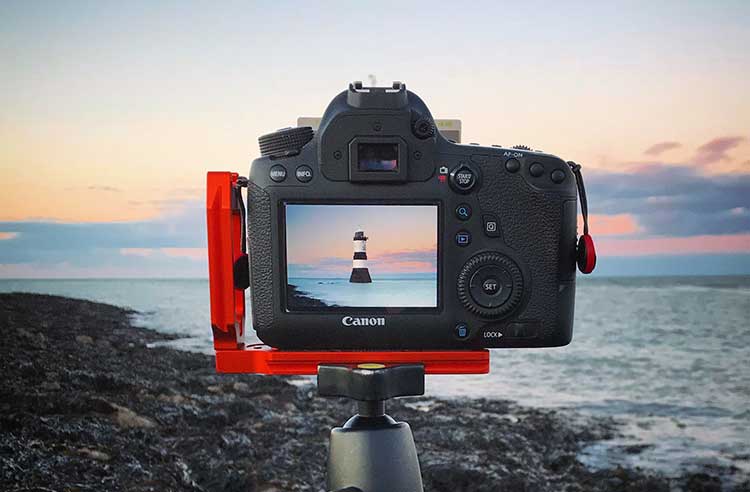
Credit: www.shuttertalk.com
Longevity And Value
Digital cameras carry a high price due to advanced technology and high-quality components. Superior sensors enhance image detail and performance, especially in low light. Longevity and value also come from durable materials and features that appeal to serious photographers. Investing in a reliable camera pays off in the long run.
### Longevity and Value
Digital cameras are an investment that can last for years, providing exceptional value over time. When you consider the price tag, it’s essential to understand how longevity and value play crucial roles in justifying those costs.
####
Durability Over Time
Digital cameras are built to withstand the rigors of use. High-quality materials and advanced engineering contribute to their durability.
You might notice that many cameras are designed for various environments, from the rugged outdoors to controlled studio settings.
A well-maintained camera can last a decade or longer, making it a worthwhile investment.
Consider how many memories you can capture during this time. Wouldn’t it be great to have a reliable tool by your side for all those important moments?
####
Resale Market Demand
The resale market for digital cameras is robust and often profitable. Many photographers choose to upgrade their gear without losing their initial investment.
Certain models maintain their value exceptionally well. Brands like Canon and Nikon often see high demand in the second-hand market.
If you decide to sell your camera down the line, you might recover a significant portion of your initial purchase price. Think about how this potential return can offset the initial cost.
Wouldn’t it be reassuring to know that your investment can pay off if you choose to move on to newer technology?
####
Investment For Professionals
For professionals, a digital camera is not just a tool; it’s a lifeline. The quality of the images you capture can directly affect your income and reputation.
Many professionals opt for high-end models that come with a hefty price tag, but these cameras often deliver superior performance.
Investing in a quality camera can lead to better job opportunities and higher-paying gigs.
If you’re serious about photography, consider how a reliable camera can help you stand out in a competitive market.
Isn’t it worth investing in equipment that can elevate your craft and enhance your career?
Digital cameras may seem expensive at first glance, but when you factor in their longevity, resale potential, and value as a professional investment, the costs become more justifiable.
Brand Reputation And Marketing
Brand reputation plays a vital role in the pricing of digital cameras. Well-known brands invest heavily in their image. This investment shapes consumer perception. People often associate higher prices with better quality and reliability. Marketing strategies further elevate this perception.
Prestige Of Established Brands
Established brands like Canon and Nikon command higher prices. Their long history builds trust among consumers. Many photographers prefer these brands for their reputation. This loyalty adds value to their products. Newer brands struggle to compete against this prestige.
Product Differentiation
Brands create unique features to stand out. Exclusive technologies and designs attract buyers. High-end models often include advanced features. These differentiators justify the higher price tags. Consumers are willing to pay for something special.
Marketing And Advertising Costs
Marketing costs are significant for camera brands. They run extensive advertising campaigns. These campaigns build brand awareness and loyalty. The expenses are often reflected in the retail price. Well-marketed products tend to sell better, even at higher prices.

Credit: www.dpreview.com
Frequently Asked Questions
Why Is A Digital Camera Expensive?
Digital cameras are expensive due to advanced technology, high-quality sensors, and complex manufacturing processes. Premium features, durability, and brand reputation also contribute to the cost. Additionally, ongoing research and development further increase prices, making quality cameras a significant investment for photography enthusiasts.
Why Are Digital Cameras Trendy Again?
Digital cameras are trendy again due to nostalgia and a desire for tangible photography experiences. They offer unique aesthetics and encourage creativity. The rise of social media also fuels interest, as users seek standout visuals. Retro technology appeals to younger generations, making digital cameras popular once more.
Why Are Digital Photos So Expensive?
Digital photos can be expensive due to the artist’s expertise, time, and creativity involved. Professional photographers invest in high-quality equipment and editing software, which increases costs. Unique artistic vision and the ability to capture moments also contribute to the overall value of digital images.
Why Do People Still Buy Old Digital Cameras?
People buy old digital cameras for nostalgia, unique image quality, and simplicity. These cameras evoke memories of the past and offer a distinct aesthetic that modern devices often lack. Additionally, they provide an affordable entry point into photography for beginners and enthusiasts alike.
Conclusion
Digital cameras come with a hefty price tag for several reasons. The advanced technology, quality materials, and research involved drive costs up. Consumers pay for superior image quality and performance. Brand reputation also plays a role in pricing. Understanding these factors helps buyers make informed choices.
While the cost may seem high, the value is often worth it. Investing in a good camera enhances your photography experience. Ultimately, quality and durability justify the expense for many photographers. Consider your needs carefully before making a purchase.
As an Amazon Associate, I earn from Qualifying Purchases.