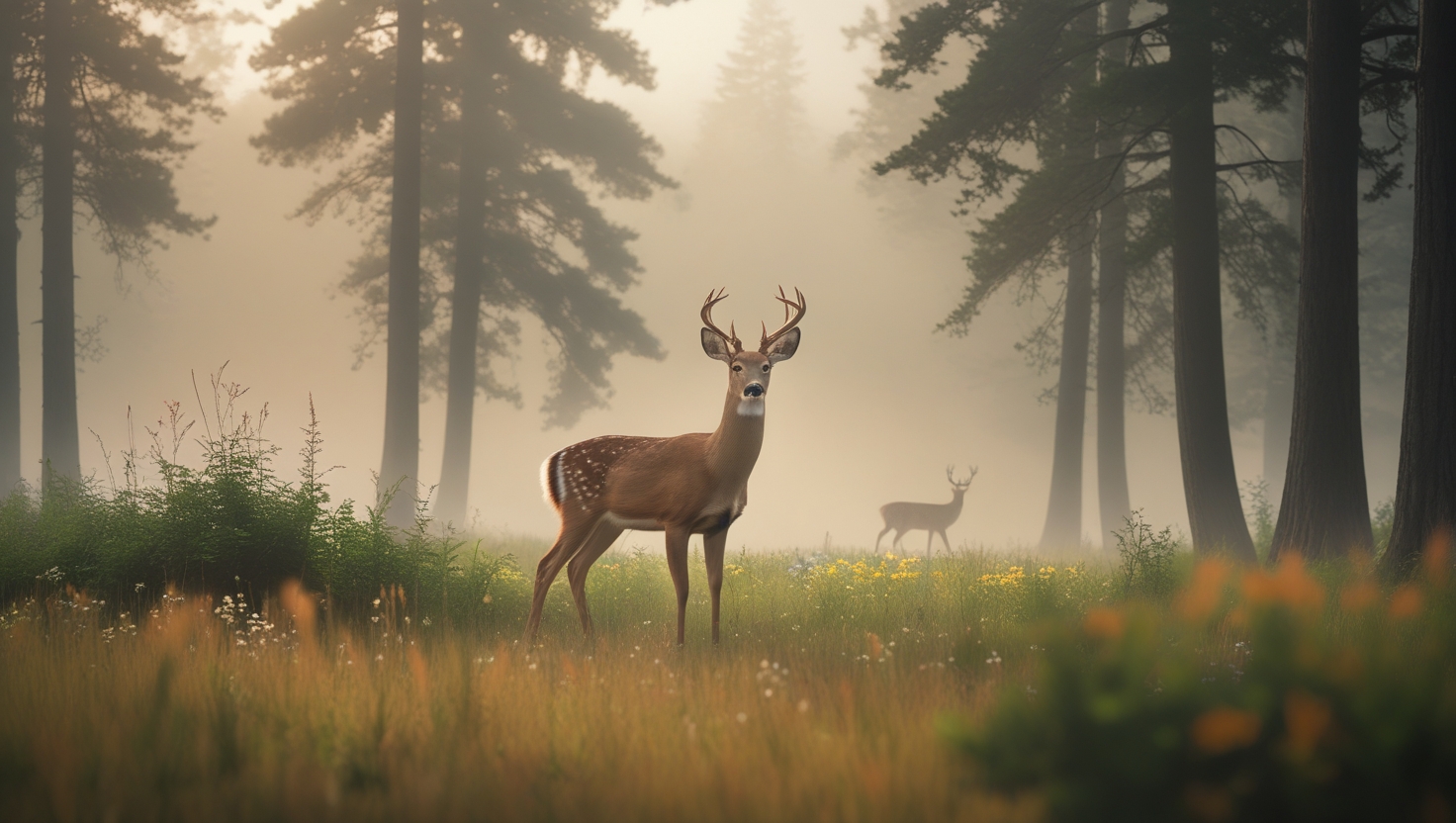
Deer populations are influenced by various factors in their environment. Understanding these influences is essential for wildlife management and conservation efforts.
Biotic factors, which include living organisms, play a crucial role in shaping deer populations. These factors encompass food availability, competition, and predation. For instance, the abundance of plants can determine how many deer can thrive in an area. Conversely, an increase in predators can lead to a decline in deer numbers.
Exploring how these biotic factors interact helps us understand the delicate balance of ecosystems. By examining these relationships, we can gain insights into how to protect and manage deer populations effectively. Understanding these dynamics can help ensure that deer populations remain stable and healthy in their natural habitats.

Credit: lah.elearningontario.ca
Predation’s Role In Deer Populations
Understanding the role of predation in deer populations offers valuable insights into wildlife management and conservation efforts. Predators can significantly affect deer numbers, influencing their behavior and habitat choices. Recognizing these dynamics helps you appreciate the intricate balance of ecosystems.
Predator-prey Dynamics
The relationship between predators and their prey, like deer, is complex and constantly evolving. Predators help regulate deer populations, preventing overgrazing and promoting healthier ecosystems. This balance is crucial; too many deer can lead to habitat degradation, while too few can disrupt the food chain.
Have you ever noticed fewer deer in a specific area? This change could be due to increased predation. When predators are abundant, deer may alter their feeding patterns or migrate to safer locations, demonstrating how predation can directly influence their survival strategies.
Key Predators Of Deer
Several predators play a key role in controlling deer populations. Here are some of the most significant:
- Wolves: These apex predators hunt in packs, effectively taking down larger deer. Their presence often leads to healthier deer herds.
- Coyotes: While typically smaller, coyotes can still impact fawn survival rates, especially in areas with high coyote populations.
- Mountain Lions: These stealthy hunters primarily target adult deer, exerting pressure on deer populations in mountainous regions.
- Humans: Through regulated hunting, humans can also influence deer numbers, maintaining a balance in their habitats.
Think about the last time you saw a deer in the wild. Was it alone or in a group? The presence of predators can make deer more cautious and social. They often stay in groups for protection, which can alter their natural behavior and feeding habits.
Understanding predation’s role in deer populations is essential for conservationists, hunters, and wildlife enthusiasts. Recognizing how various predators impact deer can help inform responsible wildlife management practices. How do you think changes in predator populations could affect your local deer sightings?
Deer Population Dynamics
Understanding deer population dynamics is essential for wildlife management. Various biotic factors play a significant role in shaping these populations. These factors include food availability, predation, and competition. Each factor interacts with others, creating a complex web of influences. Changes in one area can lead to shifts in deer numbers.
Population Growth Factors
Population growth in deer depends on several key factors. Food availability is crucial. A plentiful supply of nutritious plants promotes growth. More food leads to higher birth rates. Conversely, food shortages can reduce population growth.
Predator presence also affects deer numbers. Fewer predators usually allow deer populations to rise. In contrast, an increase in predators can reduce deer survival. This dynamic keeps the population in check.
Reproductive rates influence growth as well. Deer typically breed in the fall. A healthy doe can have one or two fawns each year. Successful reproduction boosts overall population size.
Carrying Capacity And Deer
Carrying capacity defines the maximum number of deer an area can support. This capacity is influenced by available resources. If food and shelter are abundant, the carrying capacity increases. Over time, too many deer may lead to habitat degradation.
When deer exceed their carrying capacity, problems arise. Overgrazing occurs, harming plant life. This, in turn, leads to food shortages. A decline in food can cause population crashes.
Monitoring carrying capacity is essential for sustainable management. Wildlife agencies assess habitat health regularly. Adjustments to hunting regulations can help maintain balance. Ensuring a stable deer population benefits both the animals and the ecosystem.
Impact Of Predation On Deer Behavior
Predation is a key factor that shapes deer behavior. Deer have evolved unique strategies to survive in their habitats. Their response to predators affects their population dynamics. Understanding this impact is crucial for wildlife management.
Behavioral Adaptations To Predators
Deer display various behavioral adaptations to avoid predation. They often rely on their keen senses. Deer have excellent hearing and smell, helping them detect danger. These senses alert them to potential threats nearby.
When they sense predators, deer may change their feeding patterns. They might avoid open areas where they are more visible. Instead, they prefer dense cover where they can hide. This behavior decreases their chances of being seen.
Group living is another adaptation. Deer often travel in herds for safety. When one deer detects danger, it alerts the others. This collective vigilance helps protect the group from predators.
Predator-induced Stress Effects
Predation can also lead to stress in deer populations. The constant threat of predators affects their health. Stress can weaken their immune systems, making them vulnerable to diseases.
Stressed deer may show changes in their reproductive behavior. Females may delay breeding or produce fewer fawns. This can impact the overall population size over time.
Furthermore, stress can lead to changes in feeding habits. Deer under stress may not eat enough. This can reduce their body condition, making them less fit for survival.
Predation Vs. Other Biotic Factors
Understanding deer population changes is complex. Predation plays a significant role. However, other biotic factors also impact their numbers. This section explores these interactions.
Comparing Predation With Disease
Predation directly reduces deer populations. Predators like wolves and coyotes hunt deer. Their presence can keep the deer population in check.
On the other hand, diseases also affect deer. Outbreaks can spread quickly among herds. Diseases like Chronic Wasting Disease can lead to high mortality rates.
Both predation and disease impact population dynamics. Predation is more immediate, while disease can have delayed effects.
Food Availability And Competition
Food availability is crucial for deer survival. The amount of forage affects their health and reproduction. Limited food can lead to starvation and lower birth rates.
Competition for food also influences deer populations. Other herbivores may compete for the same resources. This competition can further reduce the food available for deer.
Healthy food sources can support larger populations. When food is scarce, populations decline. Understanding these factors is essential for wildlife management.
Case Studies
Biotic factors play a key role in shaping deer populations. The availability of plants for food directly affects how many deer can thrive in an area. Additionally, the presence of predators influences their survival rates, impacting the overall population dynamics of deer.
In examining the factors that influence deer populations, case studies provide valuable insights into how biotic interactions can significantly alter these populations. Understanding these real-world examples allows us to appreciate the delicate balance within ecosystems and how various species impact one another. Two notable case studies involve the effects of predator reintroduction and the role of scavengers like coyotes.Impact Of Wolf Reintroduction
The reintroduction of wolves in Yellowstone National Park in 1995 serves as a powerful example of predator-prey dynamics. Wolves, as apex predators, help regulate the deer population by controlling their numbers.Before the wolves returned, the elk population surged, leading to overgrazing of vegetation. This overpopulation caused significant damage to the park’s ecosystem.Post-reintroduction, researchers observed a decline in elk numbers, which allowed vegetation to recover. This change not only benefited plant life but also had a ripple effect on other species, such as beavers and birds, which thrive in healthier ecosystems.Could similar reintroduction efforts be beneficial in other regions facing deer overpopulation?Coyote Predation Effects
Coyotes, often seen as a nuisance, play a crucial role in regulating deer fawn populations. Studies show that coyote predation can significantly impact fawn survival rates, especially in areas where deer are abundant.In some regions, fawns are more vulnerable during their first few months of life. Coyote hunting strategies can lead to higher mortality rates among these young deer.Interestingly, this predation can help maintain a balanced deer population, preventing overgrazing and habitat destruction. As a result, land managers might reconsider their views on coyotes.Have you ever thought about how the presence of a single predator can influence the entire ecosystem?Management Of Deer Populations
Deer populations can change due to various biotic factors. The availability of food, such as plants, directly impacts their numbers. Additionally, predator populations can also play a significant role, as too many predators can decrease deer numbers, while fewer predators may allow the population to grow.
Managing deer populations is essential for maintaining a balanced ecosystem. Effective management ensures that deer populations remain sustainable while also considering the needs of other wildlife and the environment. By implementing strategic methods, we can regulate deer numbers and mitigate issues like overpopulation, which can lead to habitat degradation and increased human-deer conflicts.Hunting Regulations
Hunting regulations play a crucial role in managing deer populations. These laws dictate when and how many deer can be hunted, ensuring that populations do not dwindle to unsustainable levels.Many states have specific seasons and bag limits to maintain balance.For example, during my recent hunting trip, I noticed how strictly local authorities enforced regulations. They checked licenses and monitored the number of deer taken each season, which helps maintain healthy herd dynamics.Have you ever considered how these regulations impact not just deer numbers, but also the entire ecosystem?Regulating hunting helps prevent overpopulation, which can lead to starvation and disease among deer. It also helps reduce vehicle collisions and agricultural damage caused by large deer populations.Predator Control Programs
Predator control programs can also significantly affect deer populations. By managing the number of natural predators, wildlife agencies aim to strike a balance that supports healthy deer herds.In areas where predators like wolves and coyotes are controlled, deer populations often increase.However, this can lead to problems, as too many deer can overgraze and harm their habitat.I remember visiting a national park where they had reintroduced a predator species. The difference in deer behavior and population dynamics was striking.Are you aware of how these control programs impact the broader ecosystem?While it may seem counterintuitive, a stable predator population can actually contribute to healthier deer herds by preventing overcrowding and promoting better foraging behaviors.By understanding and participating in these management strategies, you can contribute to a balanced and thriving ecosystem.Ecosystem Balance And Predation
Predation plays a crucial role in maintaining ecosystem balance. It regulates deer populations. Too many deer can lead to overgrazing. This harms plant life and disrupts habitats. A healthy predator population keeps deer numbers in check.
Trophic Cascades
Trophic cascades occur when predators control herbivore populations. This influences plant communities. For example, wolves reduce deer numbers in some areas. This allows vegetation to thrive. More plants mean better habitats for other wildlife.
Without predators, deer populations can explode. Overpopulation leads to habitat degradation. This creates a cycle of decline for many species. Healthy ecosystems rely on these natural checks and balances.
Biodiversity And Predator Presence
Biodiversity is essential for ecosystem health. A variety of species, including predators, supports balance. Predators like coyotes and mountain lions help control deer numbers. This promotes diverse plant life and supports other animals.
When predators are removed, ecosystems suffer. Deer overpopulate and consume too much vegetation. This reduces food for other species. Maintaining predator presence is vital for a balanced ecosystem.
Credit: www.mdpi.com
Future Considerations
Biotic factors, like the availability of food and the presence of predators, can significantly influence deer populations. A decline in plant life limits food sources, leading to decreased deer numbers. Similarly, an increase in predator populations can also reduce the deer population, creating a delicate balance in the ecosystem.
As we look to the future, several biotic factors are poised to influence deer populations significantly. Understanding these factors can help in wildlife management and conservation efforts. From climate change to urban development, each aspect presents unique challenges and opportunities for deer populations.Climate Change Implications
Climate change is not just a buzzword; it’s a reality affecting wildlife habitats. Rising temperatures and shifting weather patterns can alter the availability of food sources for deer.Deer rely on specific vegetation, which may struggle to survive in changing climates.Consider a winter that’s milder than usual. This could lead to an earlier growth of spring vegetation, but it might also disrupt the natural cycles deer depend on.How will your local deer adapt to such shifts?Increased frequency of extreme weather events can lead to habitat destruction, pushing deer populations into areas with less food and higher competition.Understanding these dynamics is crucial for predicting future population changes.Urbanization And Wildlife Corridors
Urbanization presents another challenge for deer. Expanding cities often encroach on natural habitats, leading to habitat fragmentation.This can isolate deer populations, making it harder for them to find mates and food.Have you ever seen deer wandering through suburban neighborhoods?This is becoming increasingly common as they search for resources in altered landscapes.Wildlife corridors can mitigate some negative impacts of urbanization.These corridors allow deer and other wildlife to traverse through developed areas, linking fragmented habitats.Cities that prioritize wildlife-friendly planning can help maintain healthy deer populations while still accommodating human growth.You can advocate for these corridors in your community to support local wildlife.Engaging with local wildlife organizations can also amplify your voice in conservation efforts.Each of us plays a role in shaping a future where both deer and humans can coexist.
Credit: www.mdpi.com
Frequently Asked Questions
What Biotic Factors Had The Most Effect On The Changing Deer Population?
The most significant biotic factors affecting deer populations include food availability and predator presence. Limited food sources can decrease deer numbers, while increased predators can lead to higher mortality rates. Conversely, abundant vegetation and fewer predators can enhance deer population growth.
What Are The Factors That Affect Deer Population?
Deer population is influenced by several factors. Food availability affects their growth and reproduction. Predators can decrease deer numbers. Weather conditions impact habitat and food sources. Disease outbreaks can also reduce populations. Human activities, like hunting and habitat destruction, play a significant role in population dynamics.
What Are Some Biotic Factors That Can Affect A Population?
Biotic factors affecting a population include food availability, competition for resources, predation, disease, and symbiotic relationships. Each of these factors directly influences population size and health, impacting survival and reproduction rates. Understanding these interactions is crucial for effective wildlife management and conservation strategies.
What Are Some Biotic Factors In A Deer’s Ecosystem?
Biotic factors in a deer’s ecosystem include plants for food, other deer for social interactions, and predators like wolves. Competing species and microorganisms also impact deer populations. These interactions shape their behavior, health, and overall survival in their habitat.
Conclusion
Understanding biotic factors is crucial for managing deer populations. These factors, like food availability and predator presence, directly impact deer survival. A balanced ecosystem supports healthy deer numbers. Changes in plant life or predator dynamics can shift the population significantly.
Conservation efforts must consider these influences. By maintaining the right conditions, we can ensure a stable deer population. Engaging in local wildlife management can help protect these animals and their habitats. Every action counts in preserving the balance of nature.
As an Amazon Associate, I earn from Qualifying Purchases.